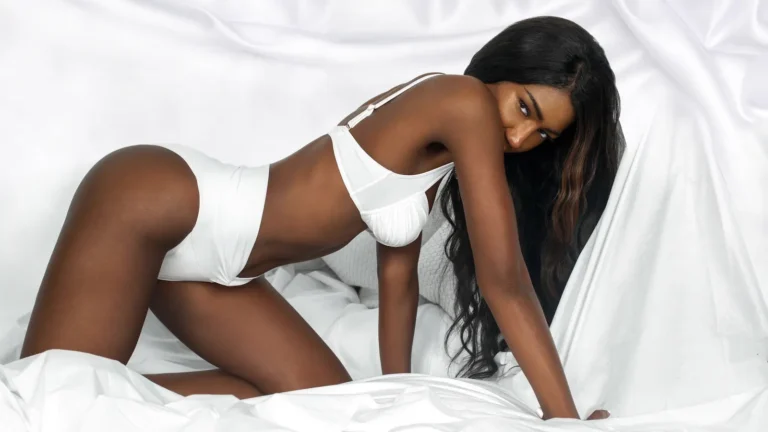
Spring 2026 fashion was defined less by one dominant aesthetic than by deliberate contrast: fluid tailoring with exposed layers, practical pieces with expressive proportions, and familiar wardrobe staples made newly personal. This updated report separates the season’s broader runway signals from our own editorial interpretation—and asks how inclusive the season really was.
Updated September 2026. Photography by Phil Halfmann; creative direction and styling by Sophia Lenore.
Spring 2026 fashion trends at a glance
- Fluid tailoring: slouchier suits, softer shoulders, and less rigid styling.
- Sheer and romantic layers: transparency, lace, drape, and movement balanced by structure.
- Tactile contrast: suede, tweed, denim, and wool placed against lighter fabrics.
- Useful statement accessories: roomy bags, distinctive eyewear, and grounded footwear.
- Expressive color: vivid accents—including lime and cobalt—interrupting neutral wardrobes.

What the Spring/Summer 2026 runways actually showed
The season was not simply “quiet” or minimal. Runway reporting highlighted vivid color, skirts, slouchy suiting, romantic references, lace, crochet, draping, fringe, and sculptural florals. The common thread was not a single uniform—it was tension between polish and ease, nostalgia and modernity, softness and shape.
That distinction matters. A trend report should not treat every garment in one editorial as proof of a global movement. Instead, this story uses original photography to interpret the broader direction of Spring/Summer 2026: clothes that feel considered without feeling over-controlled. For another perspective on fashion storytelling, read Blooming Narratives and the new language of style.
1. Fluid tailoring replaced rigid power dressing
Tailoring remained central, but its attitude changed. Softer shoulders, roomier trousers, longer shorts, and relaxed layering made the suit feel less corporate and more adaptable. The strongest looks retained clear structure while allowing the body to move.

Longline shorts belong in this conversation, but they are best understood as one wearable expression of relaxed tailoring—not the season’s only essential. Pair them with a blazer, crisp shirt, or fine knit; then adjust the hem and proportion to suit your body and daily life.

2. Sheer layers balanced romance with control
Transparency was one of the clearest Spring 2026 signals, appearing through lace, crochet, delicate overlays, and light-catching fabric. The most wearable interpretation is not maximum exposure. It is controlled layering: a sheer garment over a slip, under a jacket, or beside an opaque separate.

This approach echoes the softness explored in The Blossoming—Comfort in Bloom, where movement and ease are part of the visual language rather than an afterthought.
3. Suede, tweed, and denim added tactile depth
Spring did not require abandoning weightier textures. Suede, tweed, wool, and denim gave lighter layers visual depth, especially in transitional weather. Their role was contrast: one tactile anchor against a fluid silhouette, not a head-to-toe winter reprise.

Denim also looked strongest when treated as a reliable foundation rather than a novelty. Clean washes and relaxed cuts made space for sharper accessories and more expressive outer layers.

4. Practical accessories became part of the silhouette
Large totes were more than storage; their scale changed the proportion of an outfit. Eyewear, substantial sandals, boots, and watches performed a similar job by giving soft clothing a firmer visual edge.


The useful test is simple: an accessory should either support the day or sharpen the silhouette. Ideally, it does both.
5. Color made personal style visible
Neutrals remained useful, but Spring 2026 was not colorless. Lime appeared across runway dress reports, while cobalt moved from runway collections into street style. In practice, one saturated piece can do more than several trend-driven purchases: use it as a focal point against denim, black, beige, or gray.

The inclusion claim needs a reality check
Comfort, flexible styling, and personal interpretation can make fashion feel more approachable. They do not automatically make an industry inclusive. According to the Vogue Business Spring/Summer 2026 size inclusivity report, 97.1% of 9,038 runway looks across 198 shows were straight-size (US 0–4), 2% were mid-size (US 6–12), and only 0.9% were plus-size (US 14+).
Therefore, the honest conclusion is not that Spring 2026 achieved inclusion. It is that some of its styling ideas—ease, layering, adjustable proportion, and freedom of interpretation—can support more people, while runway casting and sample-size systems still fall far short. Representation in an editorial also needs to be judged by who is pictured, not only by how the clothes are described.
How to wear the season without replacing your wardrobe
- Start with one contrast. Combine a soft layer with a structured jacket, or a vivid color with a neutral base.
- Choose fit over the trend label. Alter hem length, rise, volume, and layering until the proportion works for you.
- Use what you own. Denim, a blazer, a practical bag, and one expressive accessory can carry most of the season’s ideas.
- Buy for repeat wear. A trend earns a place in your wardrobe only if it works beyond one photograph or occasion.
For a more movement-led interpretation, continue with Strength in Motion. For a study in understated sensuality, see Anti Demeure.
Editorial credits
Photographer: Phil Halfmann
Creative Director: Sophia Lenore
Hair Stylist: Sophia Lenore
Makeup Artist: Sophia Lenore
Wardrobe Stylist: Sophia Lenore
Models: Liza, Rosalie, Daryna, Livia
Wardrobe credits
Gray top and pants by Triumph
Black sheer pants by Triumph
White blazer by Mango
Sneakers by VANS
Black short heels, brown coat, gray coat, yellow striped pants and vest, and brown fur coat by Mango
Jewelry by Diamant
Shoes by Trippen
Eyewear by Max Mara, Guess, GANT, and Tom Ford
Watches by G-SHOCK and Casio
Bags by Liebeskind Berlin and TOUS