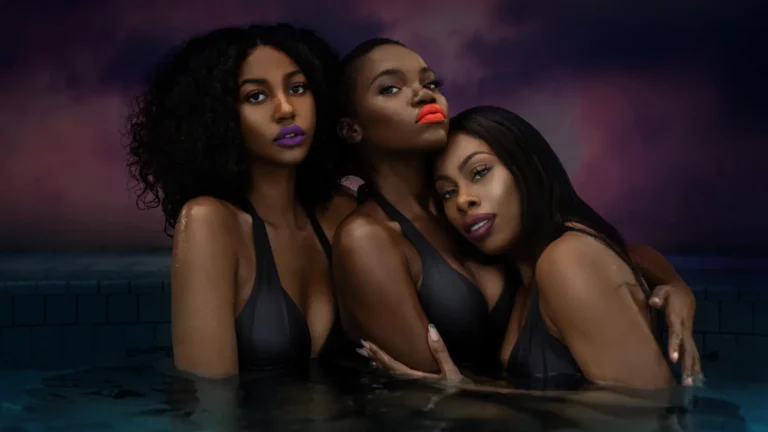
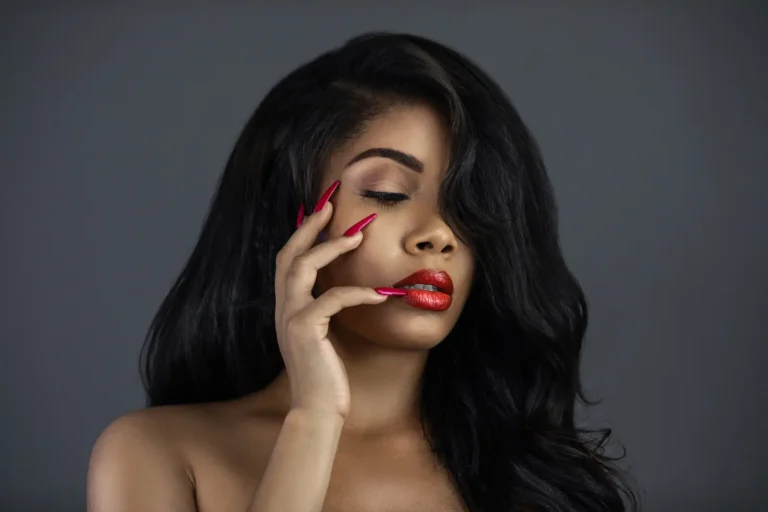
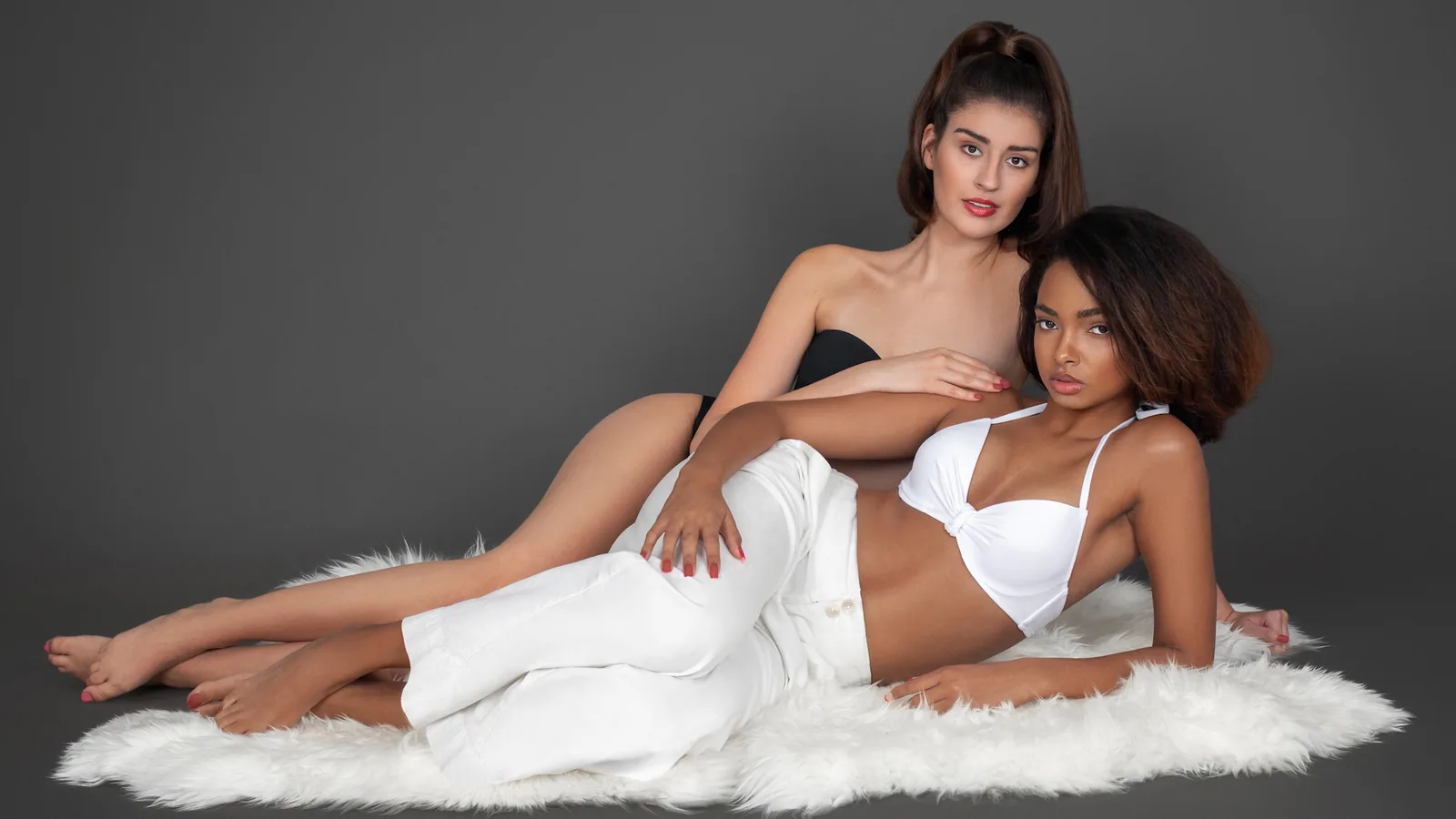
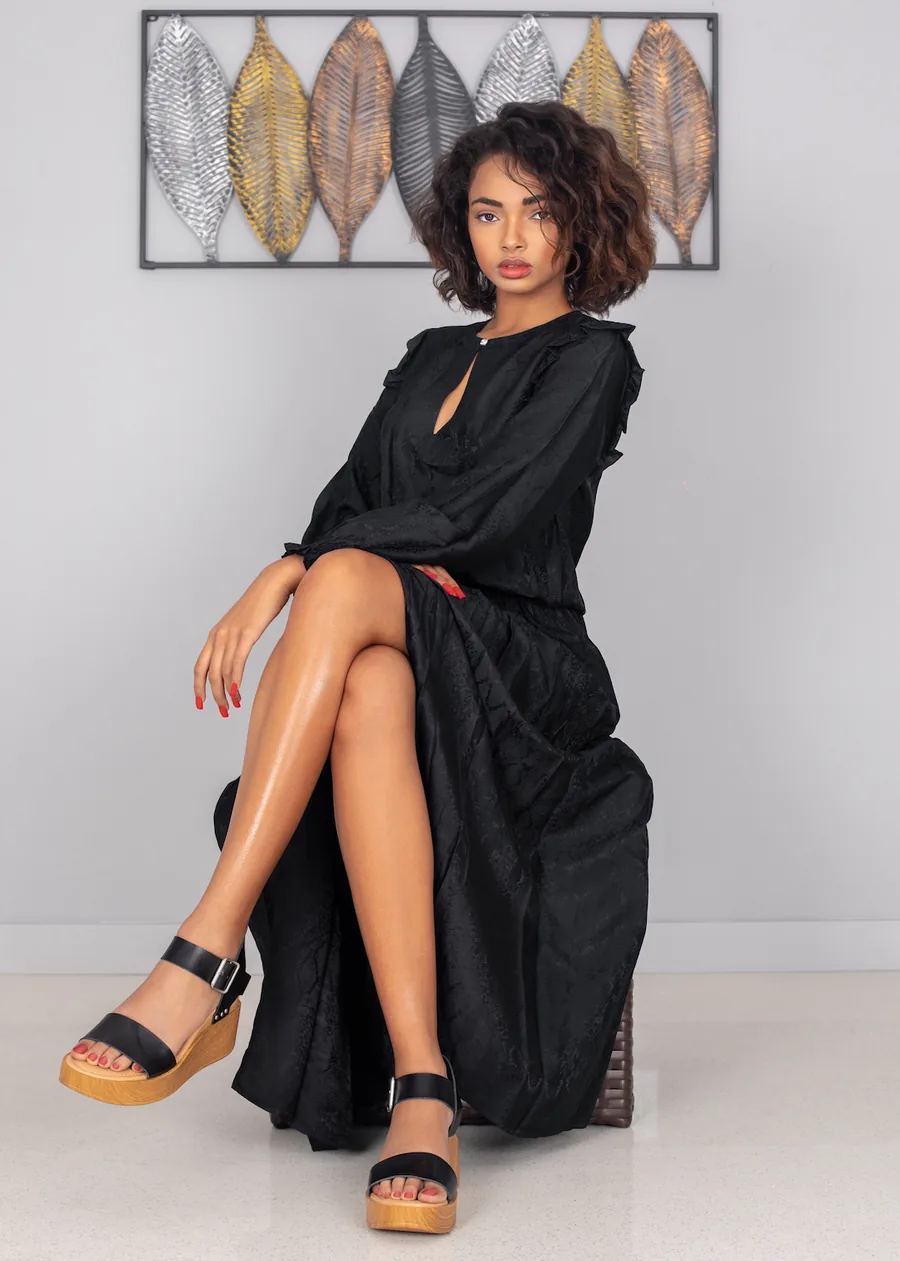
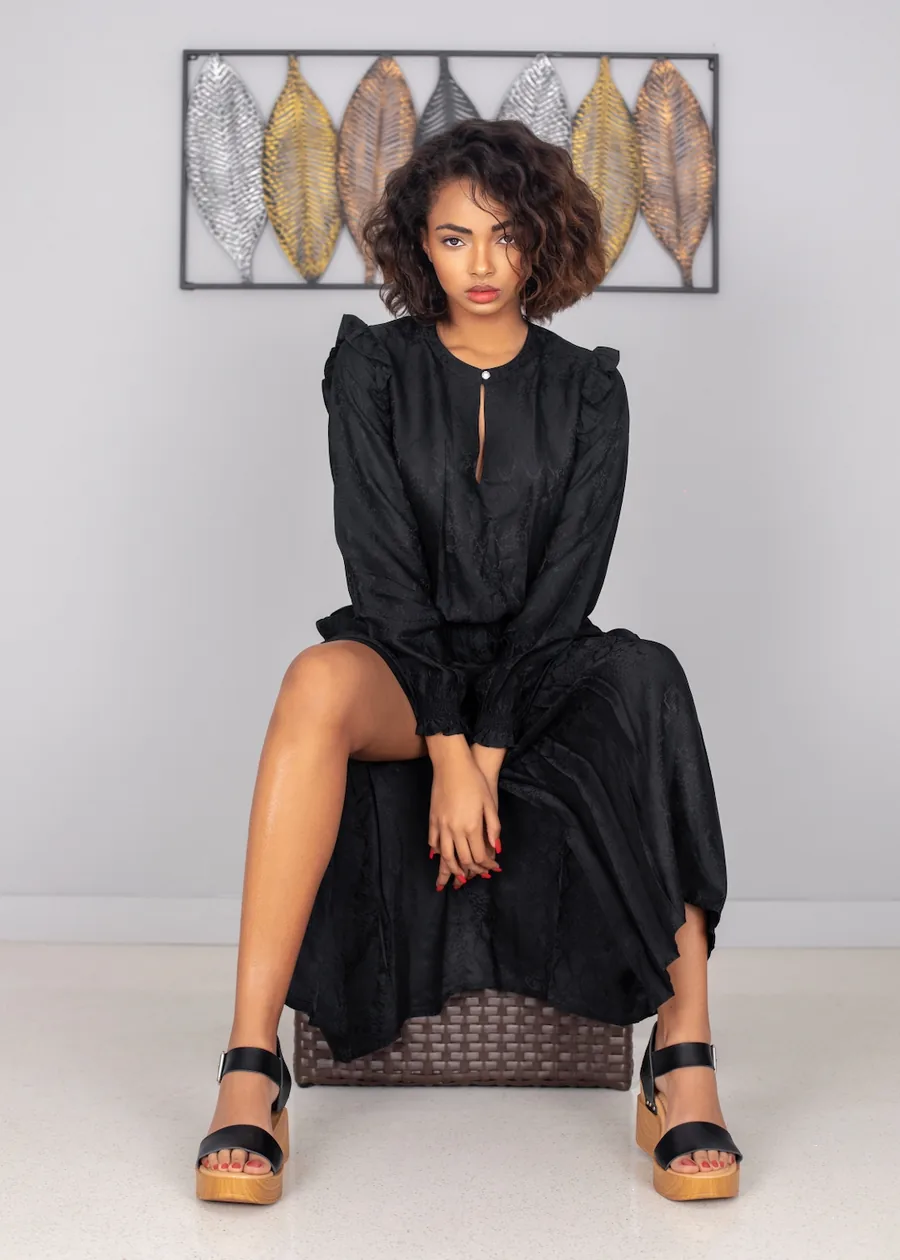
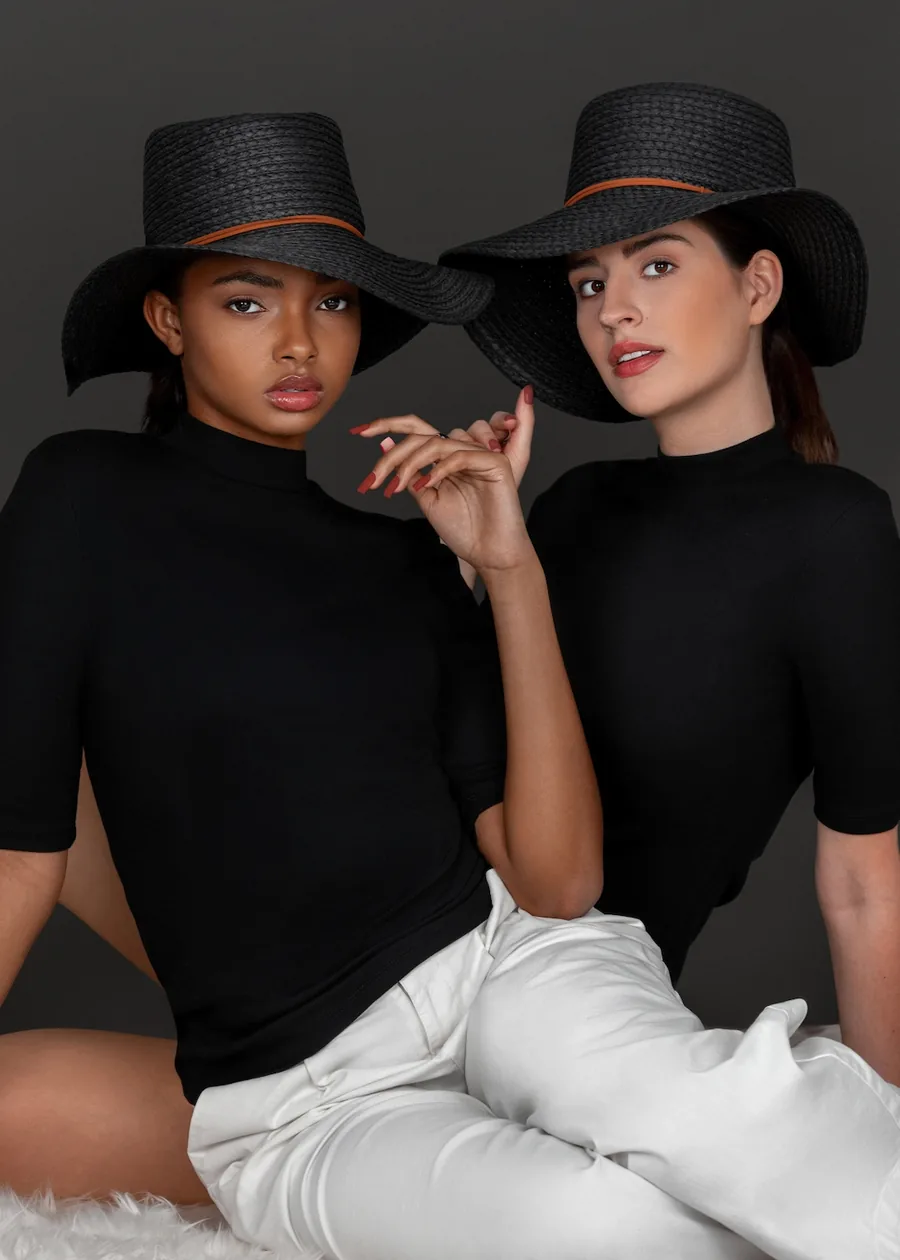
Learning how to express yourself through fashion does not require a new identity—or an entirely new wardrobe. It begins with noticing which colors, shapes, textures and details feel honest to you. In the Gentle Spirit editorial, quiet silhouettes and deliberate contrasts show how personal style can communicate confidence without becoming loud or performative.
What Does It Mean To Express Yourself Through Fashion?
Fashion becomes self-expression when your choices communicate something real about your preferences, mood, culture or values. That message can be bold, but it does not have to be. A soft silhouette can suggest ease. A precise monochrome outfit can signal clarity. An inherited ring can carry more personal meaning than an attention-grabbing trend.
The important distinction is intention. Wearing a popular look because it genuinely appeals to you is personal style. Wearing it only because you fear looking out of place is conformity. Most wardrobes contain some of both, so developing authentic style is a process rather than a final destination.
Start With Comfort, Not Other People’s Approval
Clothes affect how you move, sit and occupy space. If an outfit makes you constantly adjust a strap, hide your body or monitor how others react, it is difficult to feel present. Comfort is not the opposite of style; it is often the condition that allows confidence to appear natural.
Ask a more useful question than “Does this look fashionable?” Ask, “Can I move through my day as myself in this?” Fit, fabric and function matter because authentic style must work in real life. The confidence explored in our Confidence Fashion Editorial follows the same principle: self-belief reads most clearly when it is embodied rather than staged.
Use Color, Shape And Texture As Your Vocabulary
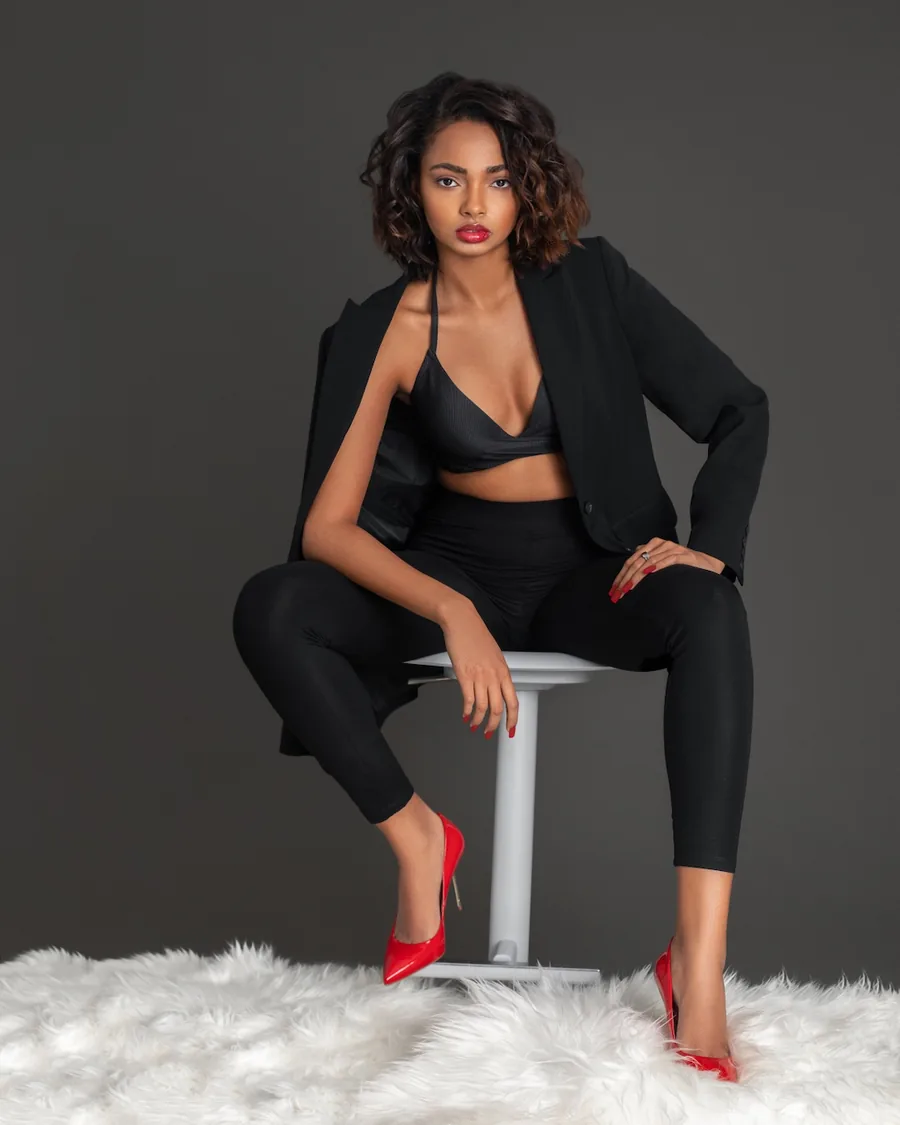
You do not need to define yourself with a rigid style label. Instead, treat the elements of clothing as a vocabulary you can combine differently from day to day.
- Color: Repeat the shades that make you feel energized, calm or grounded.
- Shape: Notice whether you prefer structure, fluidity, volume or clean lines.
- Texture: Use denim, leather, knitwear, silk or other tactile fabrics to add character.
- Contrast: Pair soft with structured, casual with refined or neutral with one vivid accent.
- Details: Let jewelry, shoes, hats or beauty choices carry the most personal part of the look.
This approach also makes a smaller wardrobe more versatile. The same foundation can communicate something different when you change the proportion, layering or focal point.
Make Trends Your Own Instead Of Copying Them
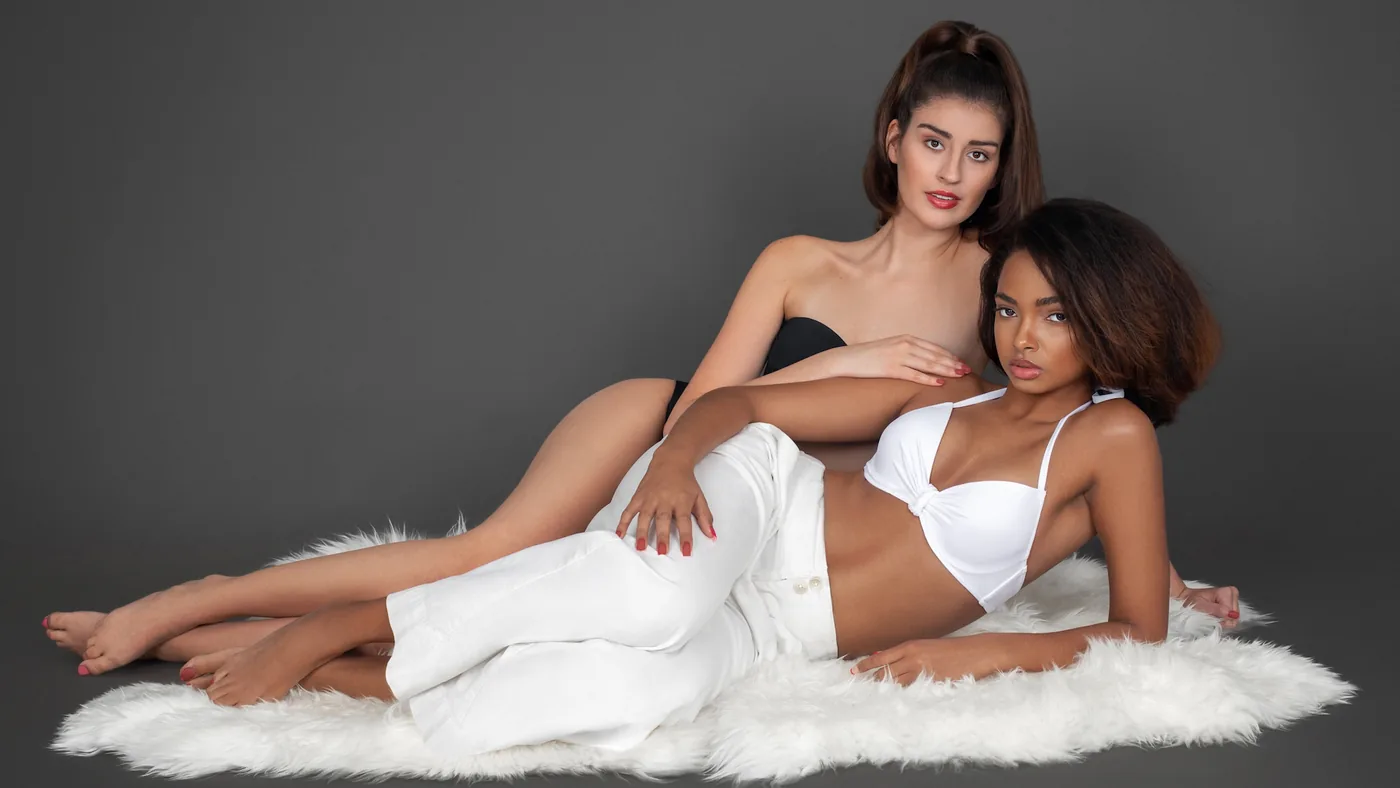
Trends can introduce a new color, proportion or styling idea, but they should remain raw material. Before buying a trend, identify what attracts you to it. Is it the silhouette, the color, the cultural reference or simply its visibility? Once you know, you can translate that element into a form that suits your life and existing wardrobe.
A useful rule is to combine one current element with pieces that already feel like you. This preserves continuity and reduces impulse purchases. For more seasonal context, use our Spring 2026 Fashion Trend Report as inspiration rather than a shopping mandate.
Build A Signature Without Turning It Into A Uniform
A signature is a recurring choice, not a restriction. It might be sculptural jewelry, a red accent, wide-leg trousers, monochrome layers or a particular beauty look. Repetition makes your style recognizable, while variation keeps it alive.
Review photographs of outfits you genuinely enjoyed wearing—not only the ones that received compliments. Look for repeated qualities. Those patterns are often more revealing than aspirational mood boards because they reflect how you actually live.
Express Your Style Within Dress Codes
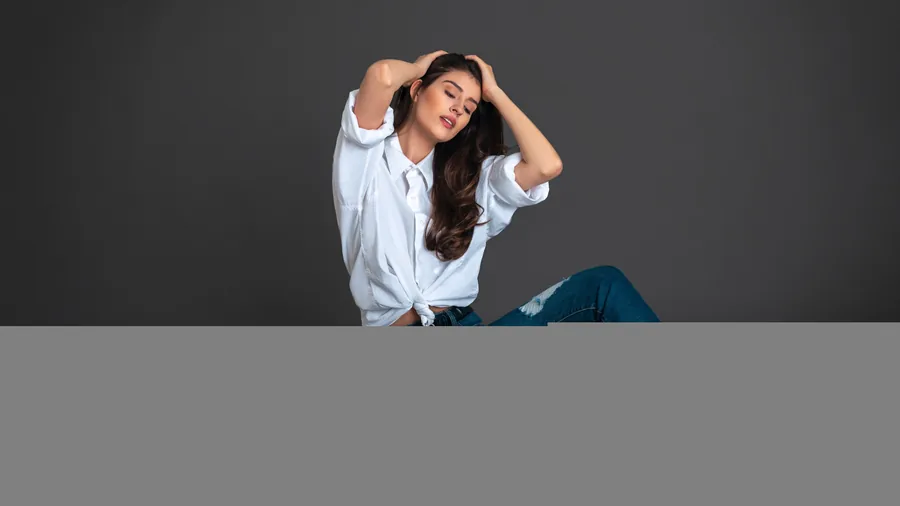
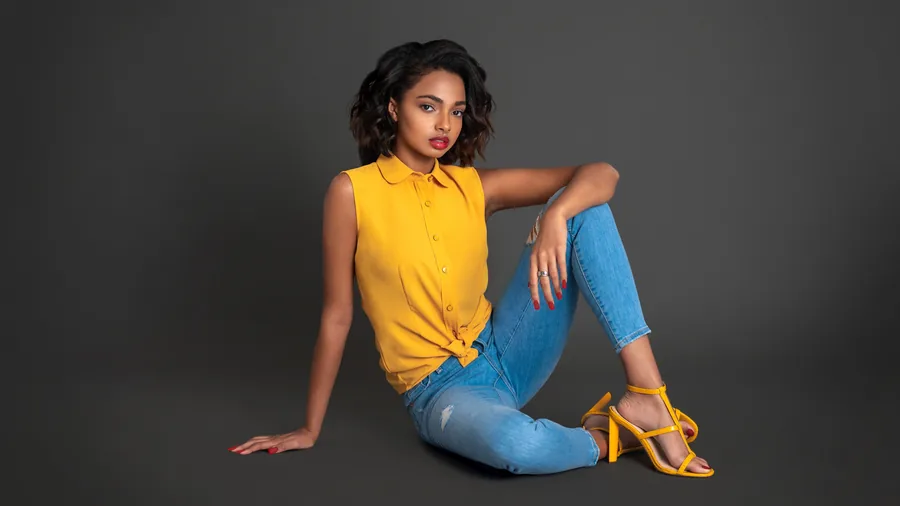
Workplaces, schools, ceremonies and cultural settings may limit what you can wear. Boundaries do not remove self-expression; they change its scale. Focus on what remains flexible: color, grooming, jewelry, eyewear, shoes, texture or the cut of an approved garment.
Choose one meaningful element that is appropriate for the setting and recognizably yours. Subtle choices often communicate more consistency than a complete transformation reserved for special occasions.
A Five-Minute Personal Style Check
- Choose three outfits you felt good wearing recently.
- Write down what they share in color, fit, texture or mood.
- Identify one item you wear mainly for approval and ask whether it still belongs.
- Select one signature detail to repeat this week.
- Photograph the result and judge how it felt—not only how it looked.
Personal style becomes clearer through observation and repetition. It does not require constant consumption. In fact, the most coherent wardrobes usually emerge when people edit more carefully and buy more slowly.
Frequently Asked Questions
How Can I Express Myself Through Fashion On A Budget?
Begin with what you own. Restyle familiar pieces, alter proportions through layering, repeat a signature color and use one meaningful accessory. Tailoring, swaps and secondhand shopping can improve expression without rebuilding your wardrobe.
What If I Do Not Know My Personal Style?
Track what you actually wear and enjoy for two weeks. Look for repeated colors, shapes and fabrics. Your real preferences are better evidence than a style label chosen in advance.
Can Minimalist Clothing Still Show Personality?
Yes. Minimalist style communicates through proportion, fit, fabric quality, repetition and subtle contrast. Personality does not depend on visual noise.
Should I Follow Fashion Trends?
Follow the trends that give you useful ideas, but adapt them to your body, budget and existing wardrobe. A trend should expand your options rather than replace your identity.
Continue Exploring Personal Style
- Natural Beauty Fashion Editorial: Effortless Grace
- Pretty Boy Joy: A Gender-Fluid Fashion Editorial
- The Reemerging: Six Inclusive Fashion Looks
- Dreadlocks Fashion Editorial: Locks of Beauty
See More Stories Of Strength And Self-Expression
Explore Fortitudinous Women, a photography book celebrating presence, identity and resilience.
Gentle Spirit Editorial Credits
Photographer: Phil Halfmann
Creative Director, Wardrobe Stylist, Hair, Makeup And Nails: Sophia Lenore
Models: Kelly O’Connor and Brianna Winders
Jewelry: KONPLOTT and Gabriele Iazetta
Makeup: Charlotte Tilbury Makeup
Hair Products: L’Oréal
Nail Products: USLU Airlines