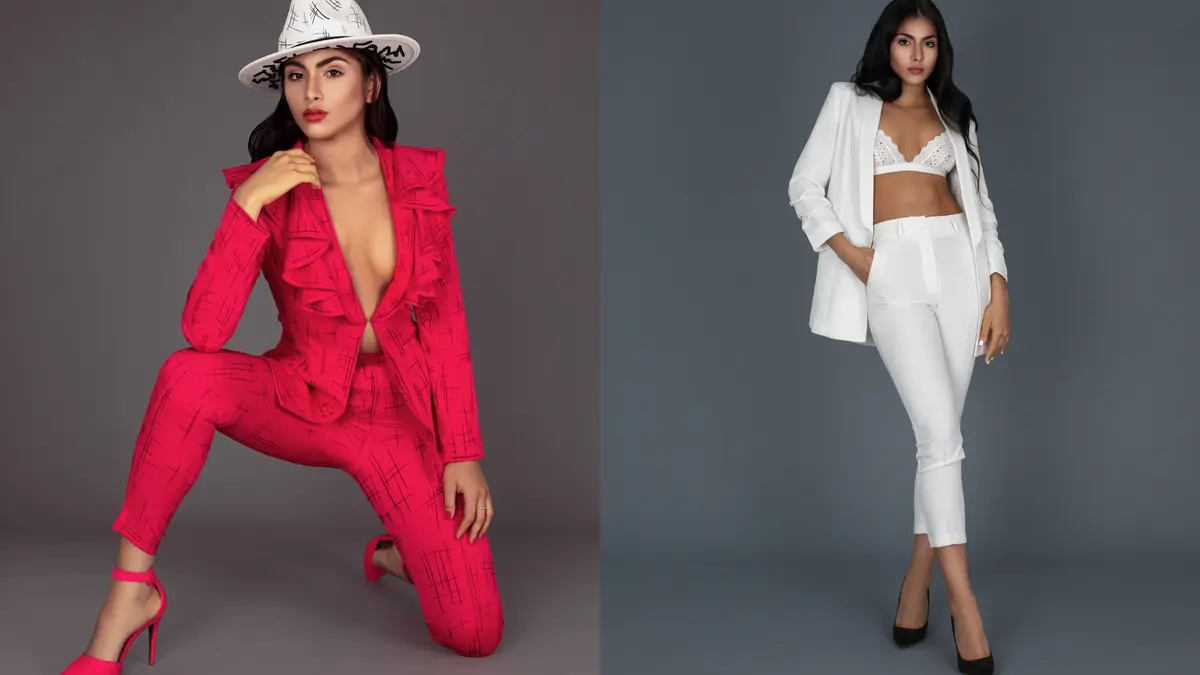
This confidence fashion editorial turns seven studio looks into a visual study of self-belief. Red tailoring, luminous silver and quiet monochrome show how posture, styling and presence can communicate confidence without celebrity imitation.
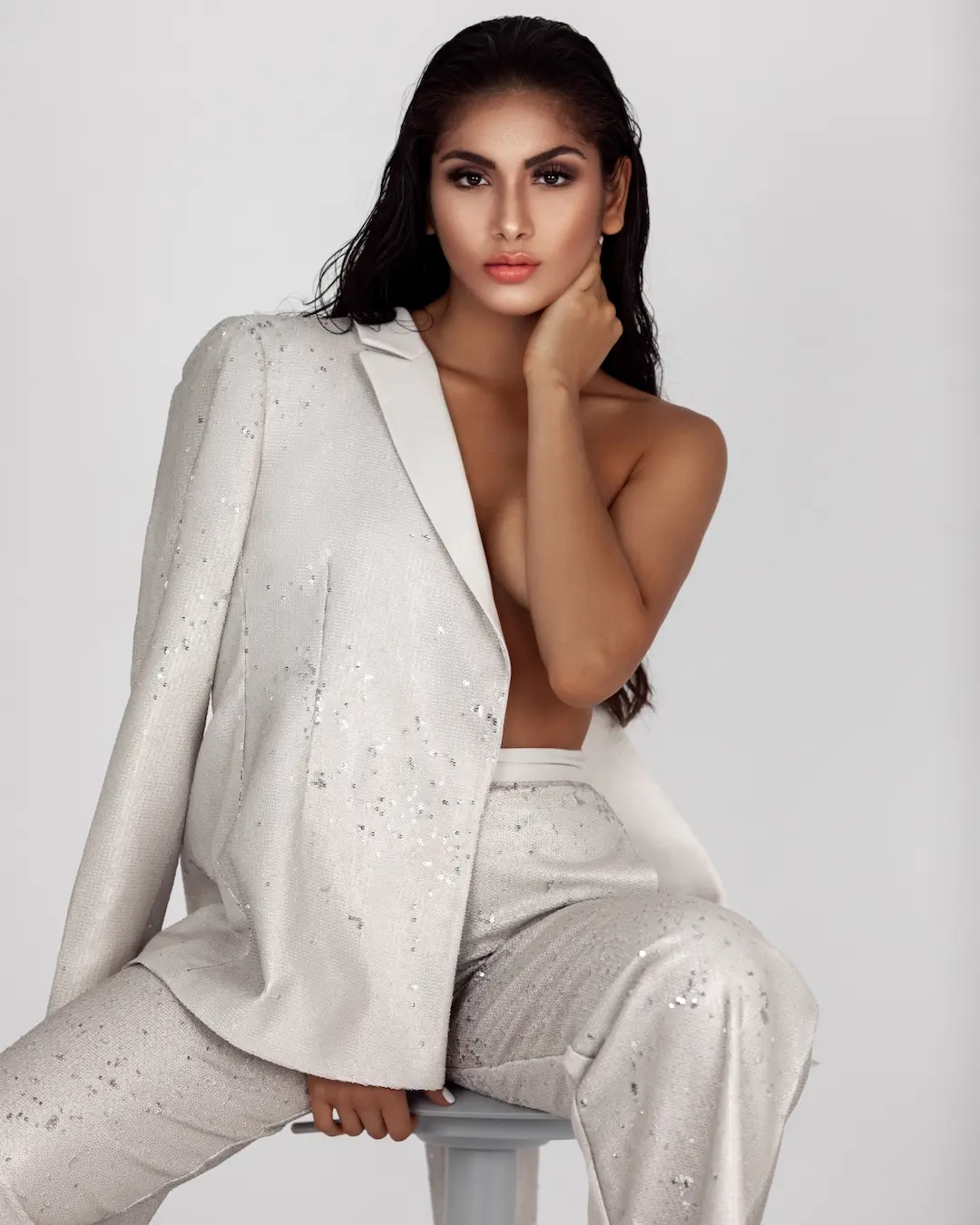
Fashion often sells the fantasy of becoming someone else. This story takes the opposite position: personal style is most persuasive when it reveals the person already there. The photographs move between assertive tailoring, relaxed separates and sculptural outerwear, but the connecting idea is not fame. It is self-possession.
The result is a fashion narrative about confidence rather than a checklist for copying a celebrity. Each look changes the silhouette, color and emotional temperature while keeping the model’s presence at the center.
What Makes Fashion Look Confident?
Confidence in an editorial image is created through several choices working together. A decisive silhouette gives the body a clear shape. Controlled lighting separates the subject from the background. Styling introduces a point of view. Most importantly, the model’s posture and expression make the look believable.
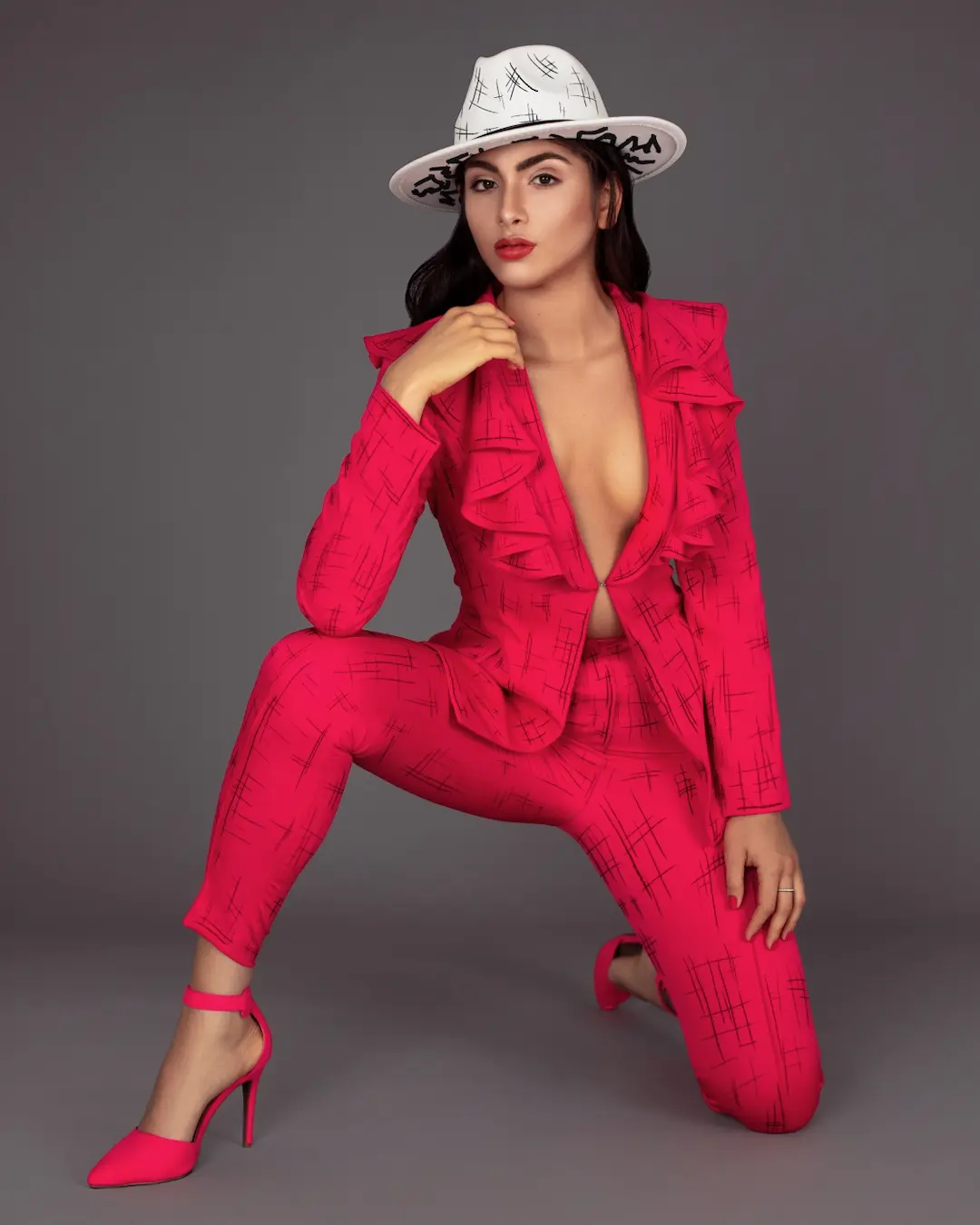
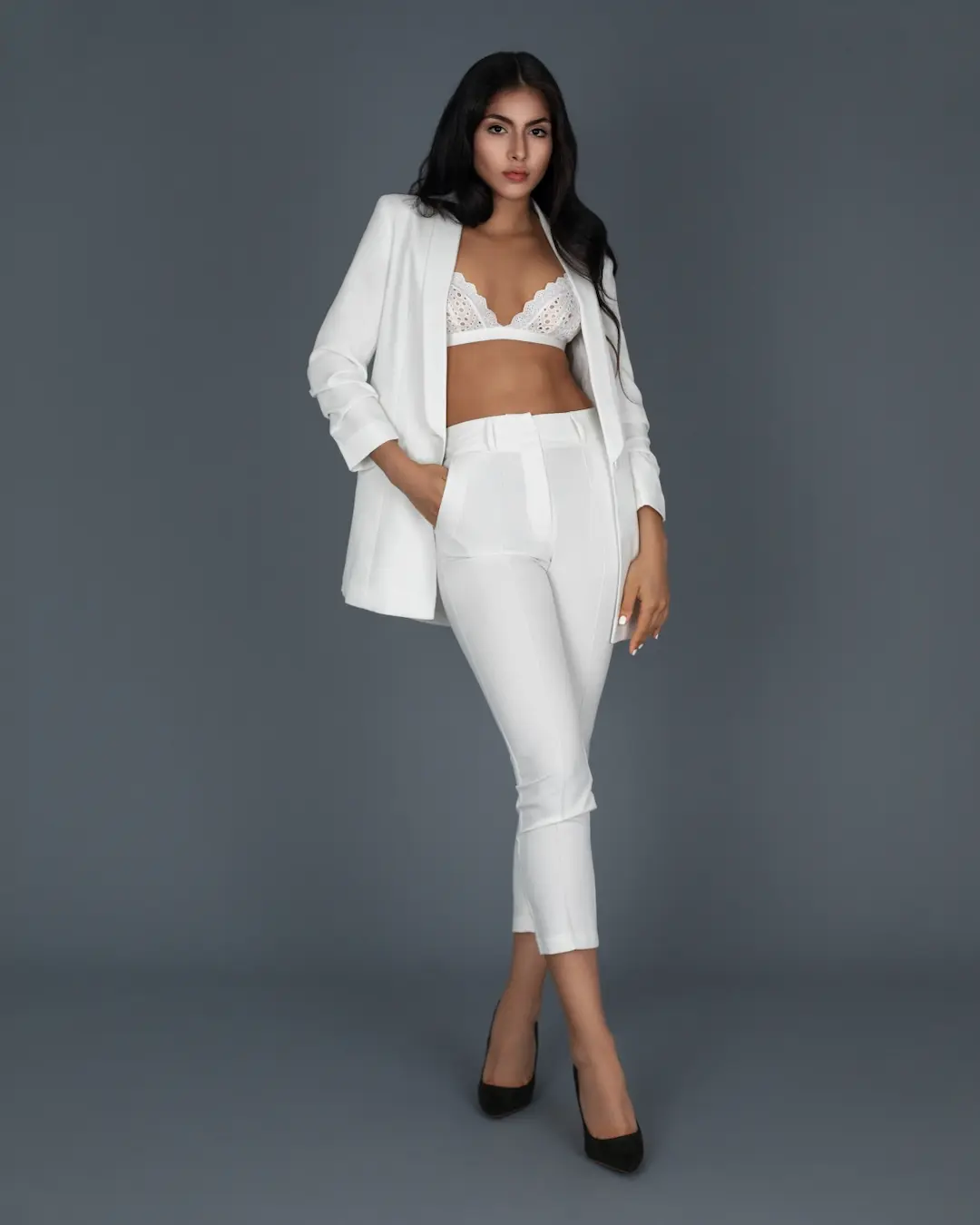
This is why confidence does not require the loudest garment in the room. The red suit commands attention through color and angular shoulders; the white suit feels assured because the styling is restrained. Both work because the model occupies the frame deliberately.
Seven Looks, Seven Expressions of Self-Belief
1. The Red Power Suit
The opening look uses saturated red, a sharply defined shoulder and a graphic white hat. It is unapologetic without becoming costume. The seated pose keeps the portrait grounded and turns the suit into an expression of agency rather than status.
2. The White Suit
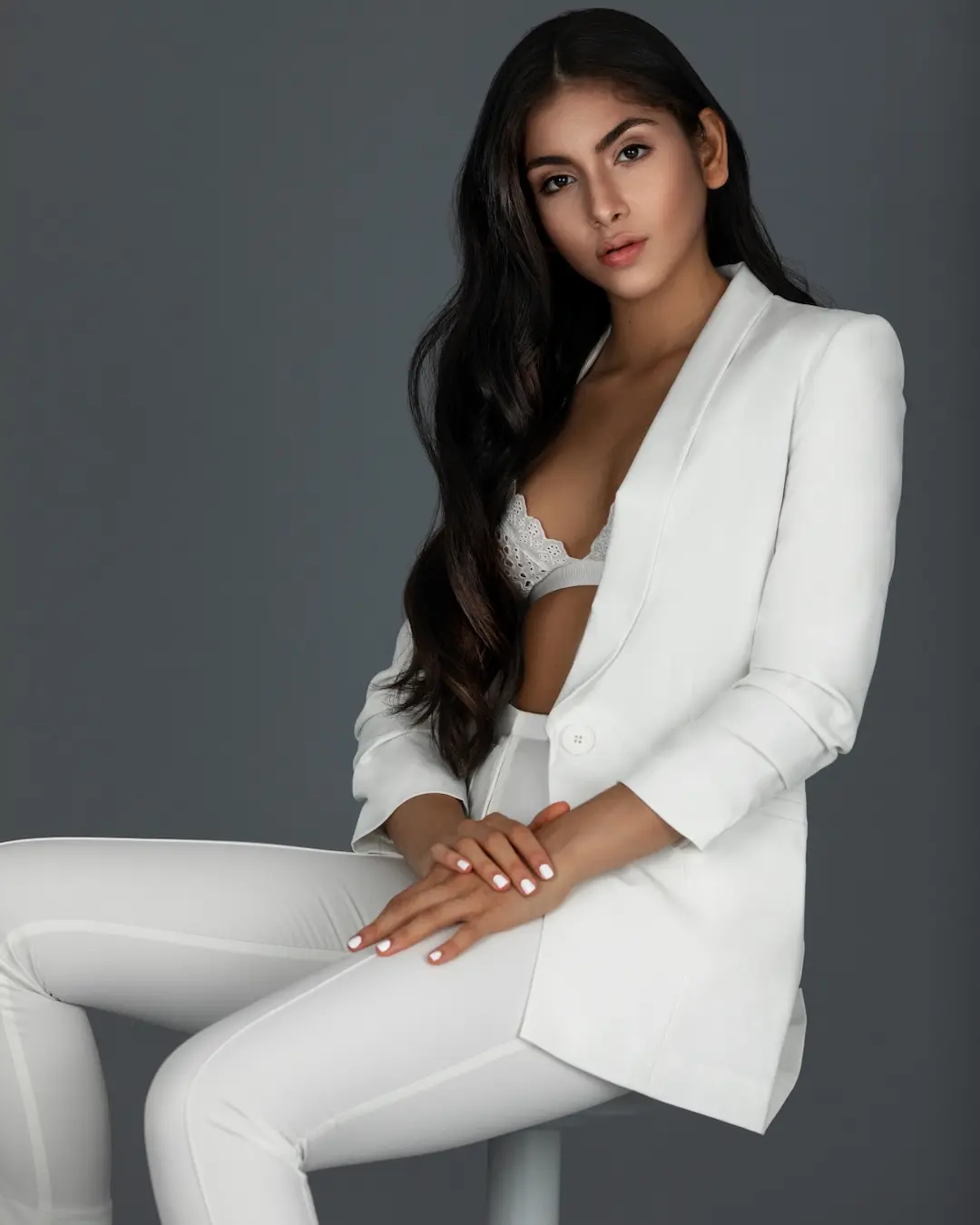
White tailoring changes the mood from forceful to composed. The open jacket, tonal lingerie and black heels create contrast without clutter. Confidence here comes from precision: clean lines, balanced proportions and a direct stance.
3. The Silver Dress
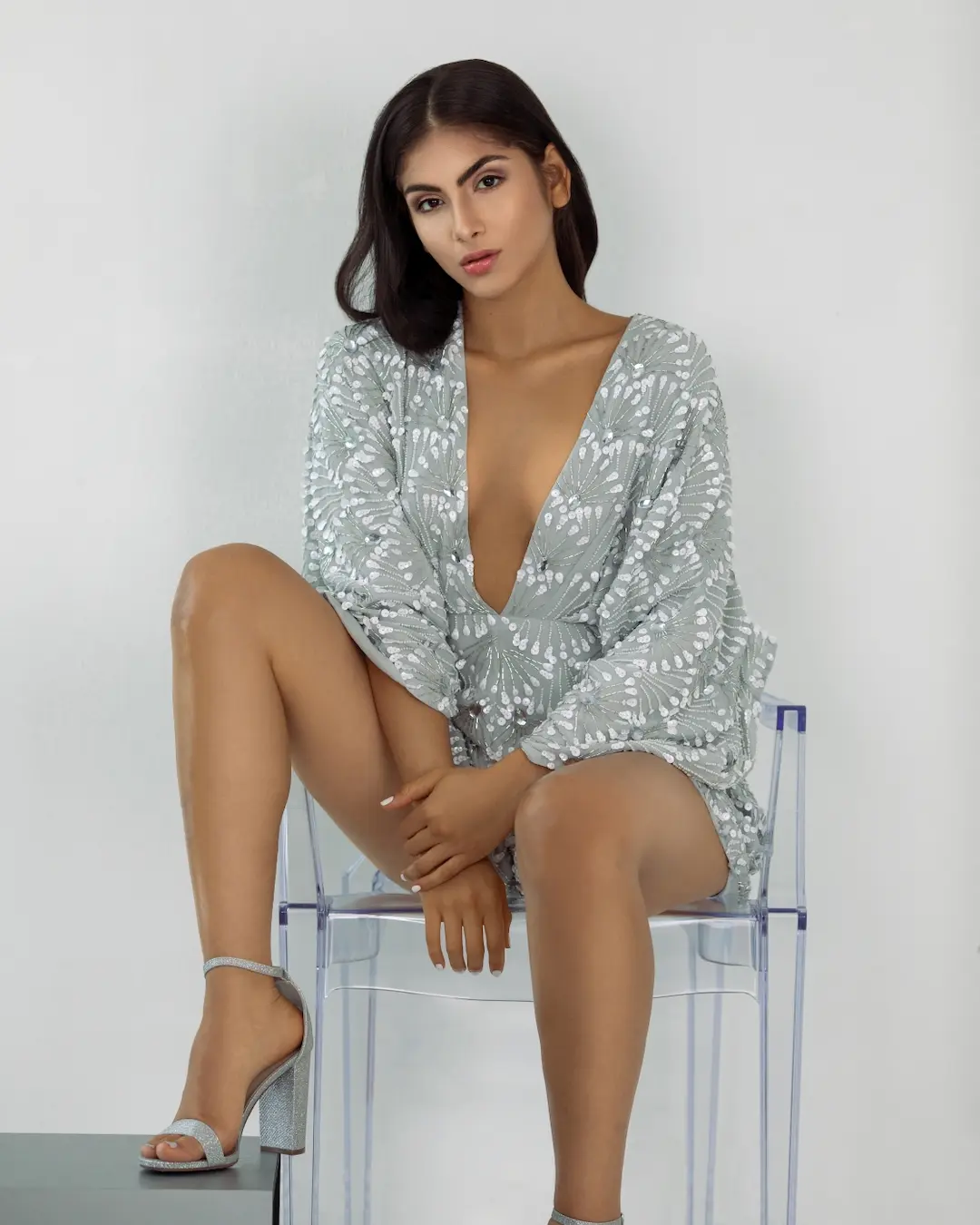
The silver mini dress introduces movement and play. Reflective fabric catches the light, while the seated pose prevents the image from feeling overly polished. Self-belief can be joyful; it does not always have to appear serious.

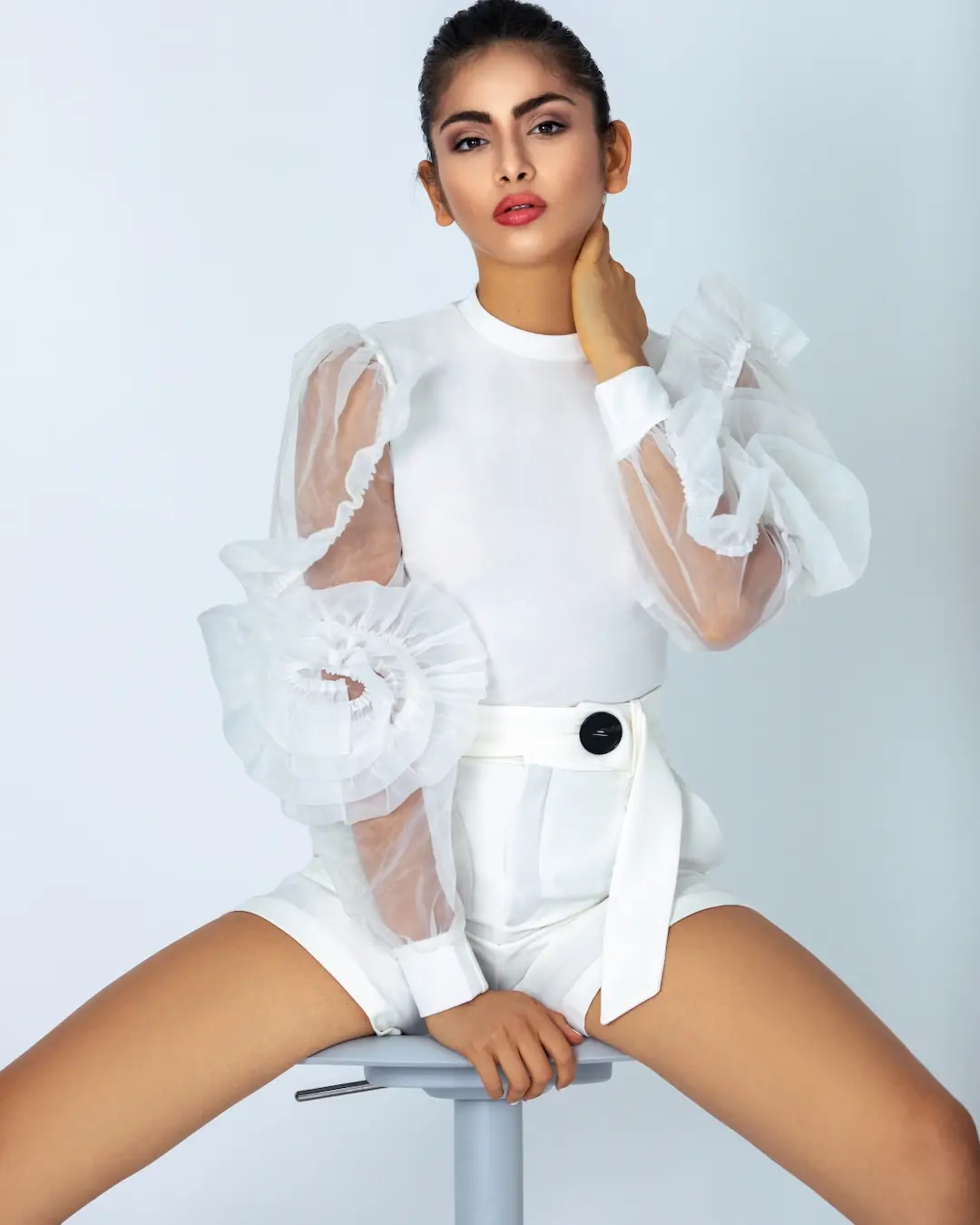
4. Relaxed White Separates
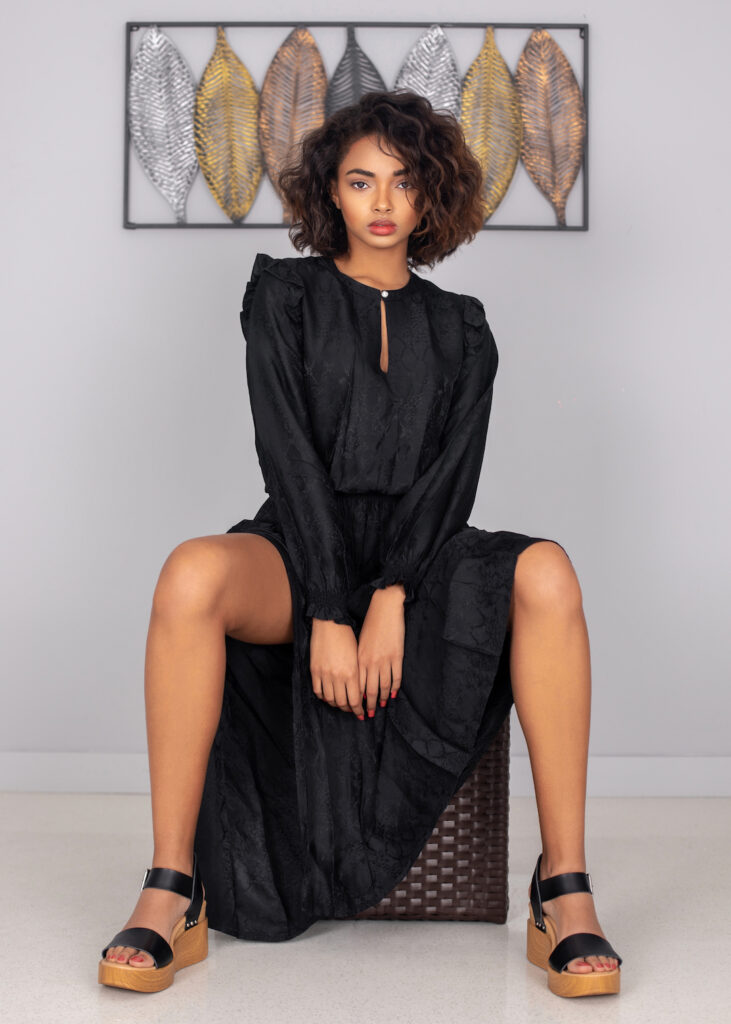
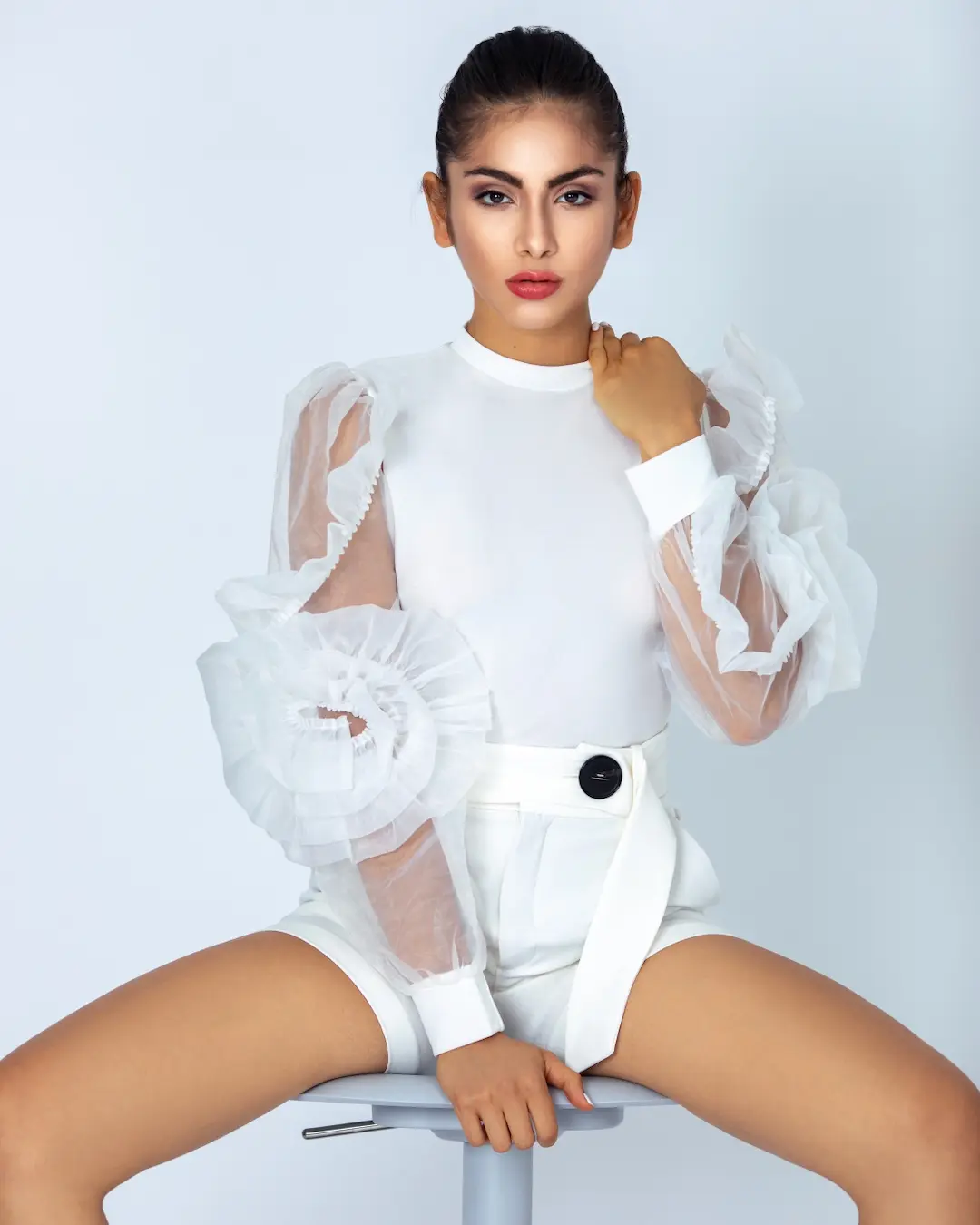
A fluid blouse and tailored shorts soften the sequence. The outfit is less formal, but the visual message remains intentional. Ease becomes part of the styling language: the clothes allow movement, and the pose feels open rather than guarded.
5. The Grey Coat
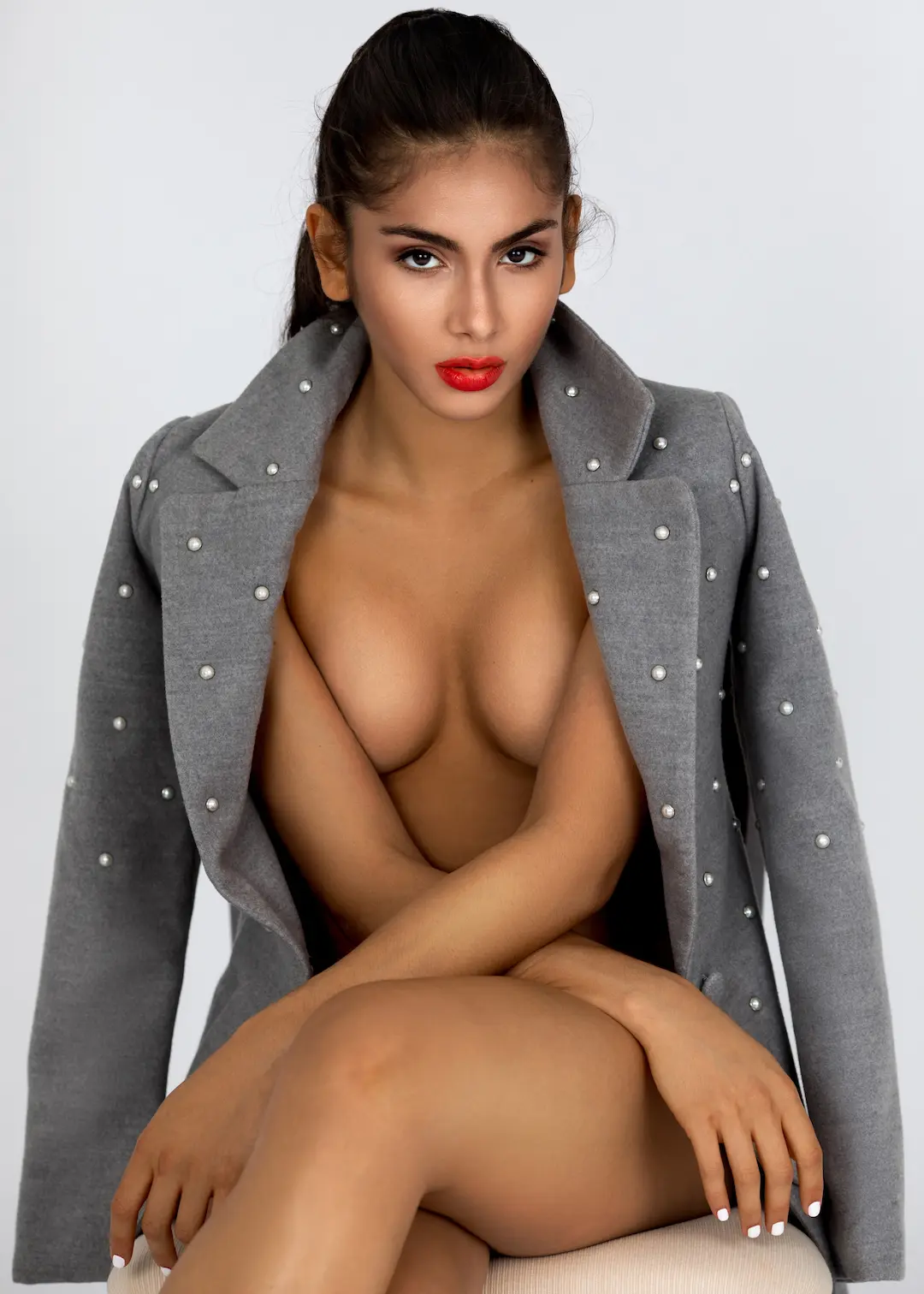
The long grey coat strips the image back to shape, skin and texture. Its muted color invites a quieter kind of attention. Instead of performing for the camera, the model appears settled within the frame. The look suggests that confidence can be private and reflective.
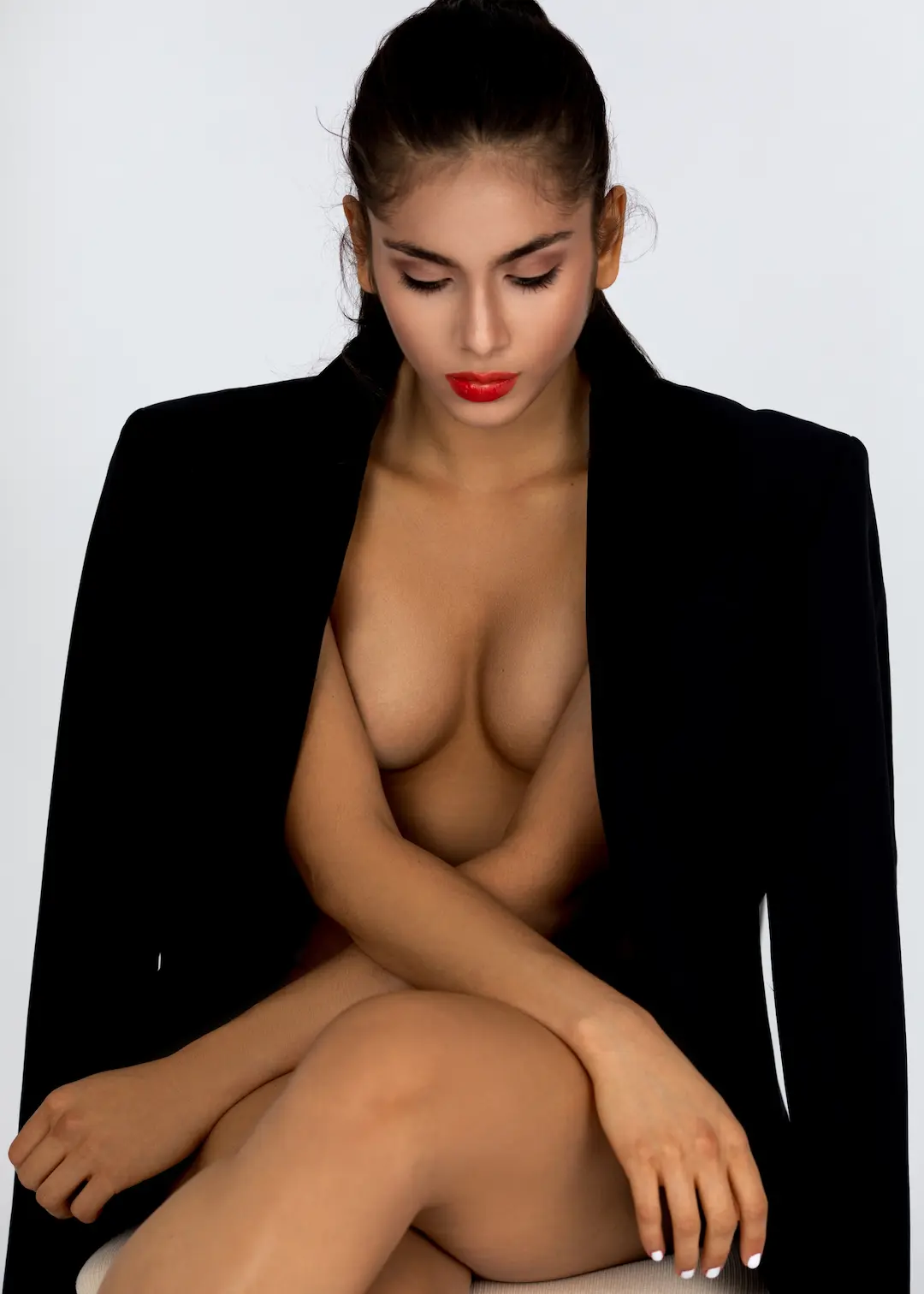
6. The Black Coat
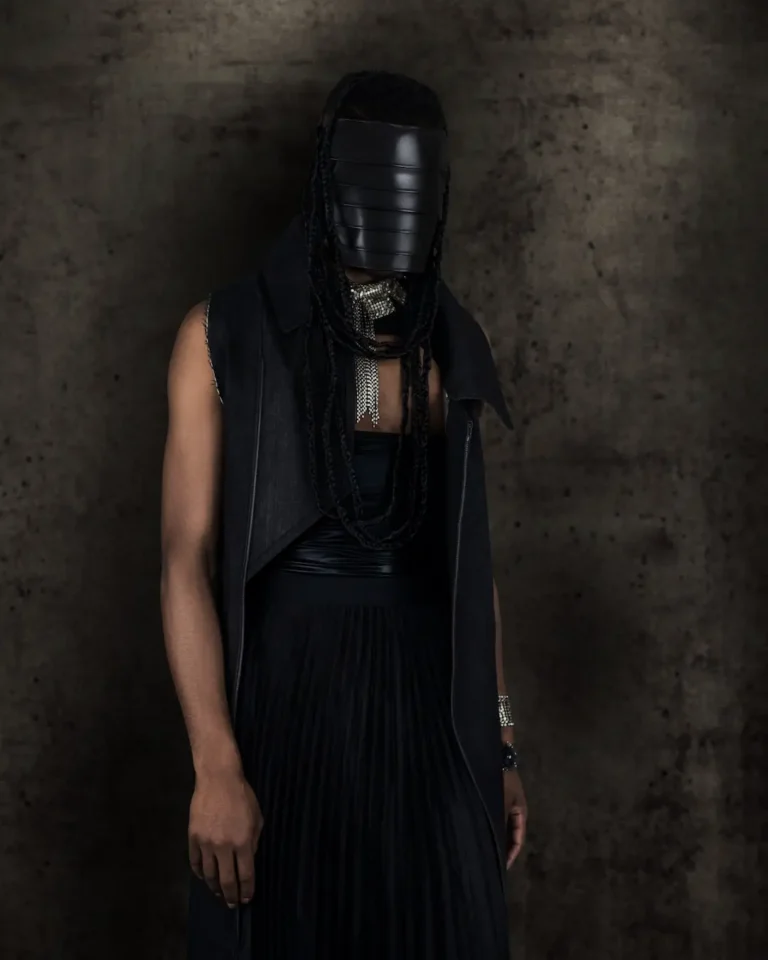
Black adds weight and mystery. The styling reveals less and asks the viewer to observe gesture, gaze and silhouette. That restraint matters: a confident image does not have to explain everything.
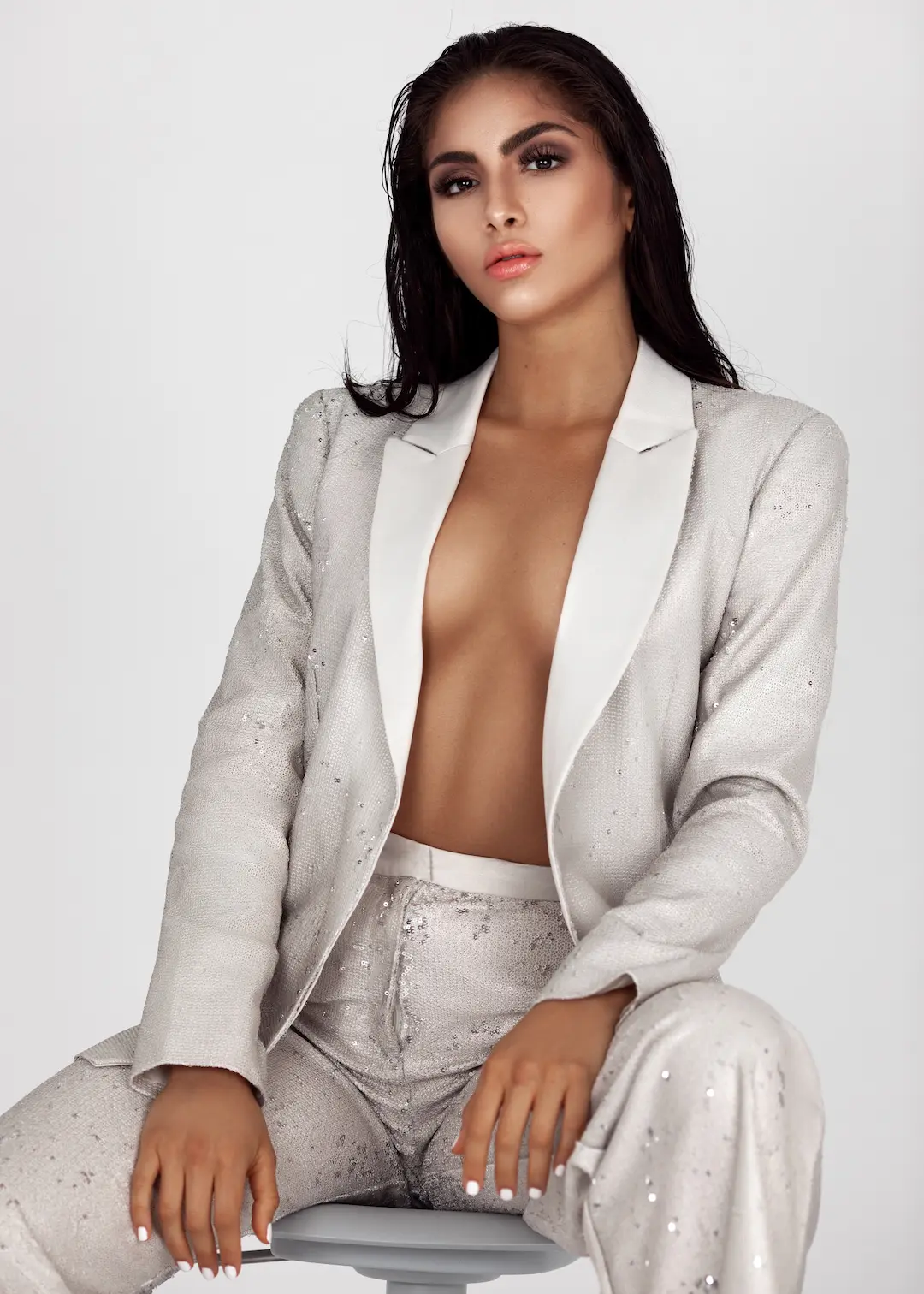
7. The Silver Suit
The final look combines the structure of tailoring with the luminosity of metallic fabric. It closes the editorial with a sense of arrival. The suit reflects light, but the portrait works because the expression remains controlled and direct.
How Styling Supports Confidence
Clothing cannot manufacture self-worth, but it can change how a person enters a space. A tailored jacket can sharpen posture. A monochrome palette can reduce visual noise. A reflective fabric can invite movement. The useful question is not “Will this make me look famous?” but “Does this help me feel present?”
That distinction keeps fashion from becoming another form of comparison. Style is most valuable when it gives someone language for their own identity. Our Locks of Beauty editorial explores a related idea through hair, culture and personal expression, while Crazy Sexy Confidence approaches confidence from a practical lifestyle perspective.
How to Bring More Presence Into a Portrait
- Choose one clear styling idea. A strong silhouette reads better than several competing statements.
- Use posture before posing. Begin with grounded feet, relaxed shoulders and intentional breathing.
- Let expression match the clothes. A quiet look may call for stillness; a playful look benefits from movement.
- Review the full frame. Hands, garment lines and negative space influence the image as much as the face.
- Avoid copying a reference literally. Use references for mood, then adapt them to the person and wardrobe in front of the camera.
Confidence Without Celebrity Comparison
Celebrity culture encourages us to measure private lives against highly produced public images. Fashion editorials are constructed too: they involve lighting, styling, makeup, direction, selection and retouching. Recognizing that process does not diminish the photographs. It makes them easier to enjoy without treating them as a standard every person must reproduce.
This editorial uses glamour as a creative language, not as proof of social value. The strongest image is not necessarily the most revealing, expensive or dramatic one. It is the image in which styling and presence feel aligned.
Continue Exploring Fashion Editorials
See More Work Celebrating Women
Fortitudinous Women brings together portraiture and stories centered on strength, identity and presence.
Confidence Fashion Editorial Credits
Photographer: Phil Halfmann
Creative Director: Sophia Lenore
Wardrobe Stylist: Ruthia
Hair & Makeup Artist: Sophia Lenore
Model: Liany
Makeup: Charlotte Tilbury Makeup
Hair Products: Curls Poppin
Nail Products: USLU Airlines
Publication: The Prestige Magazine