The easiest best friend photoshoot outfit ideas start with one shared decision: a color, a level of dressiness, or a piece you both enjoy wearing. You do not need identical clothes. Choose outfits that feel comfortable together, then check the complete looks side by side before the shoot.
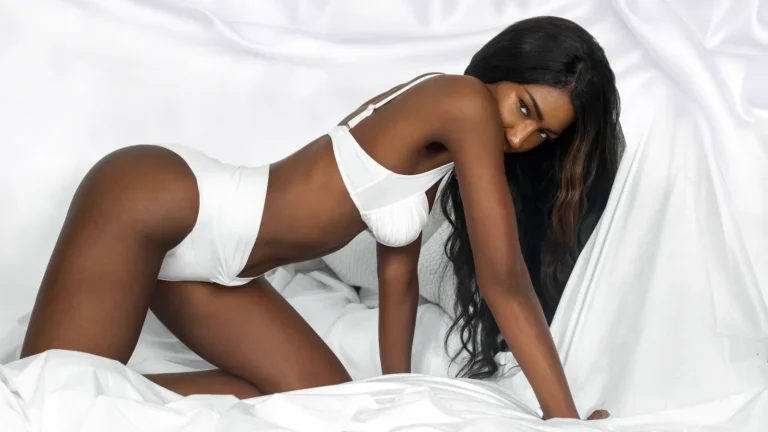
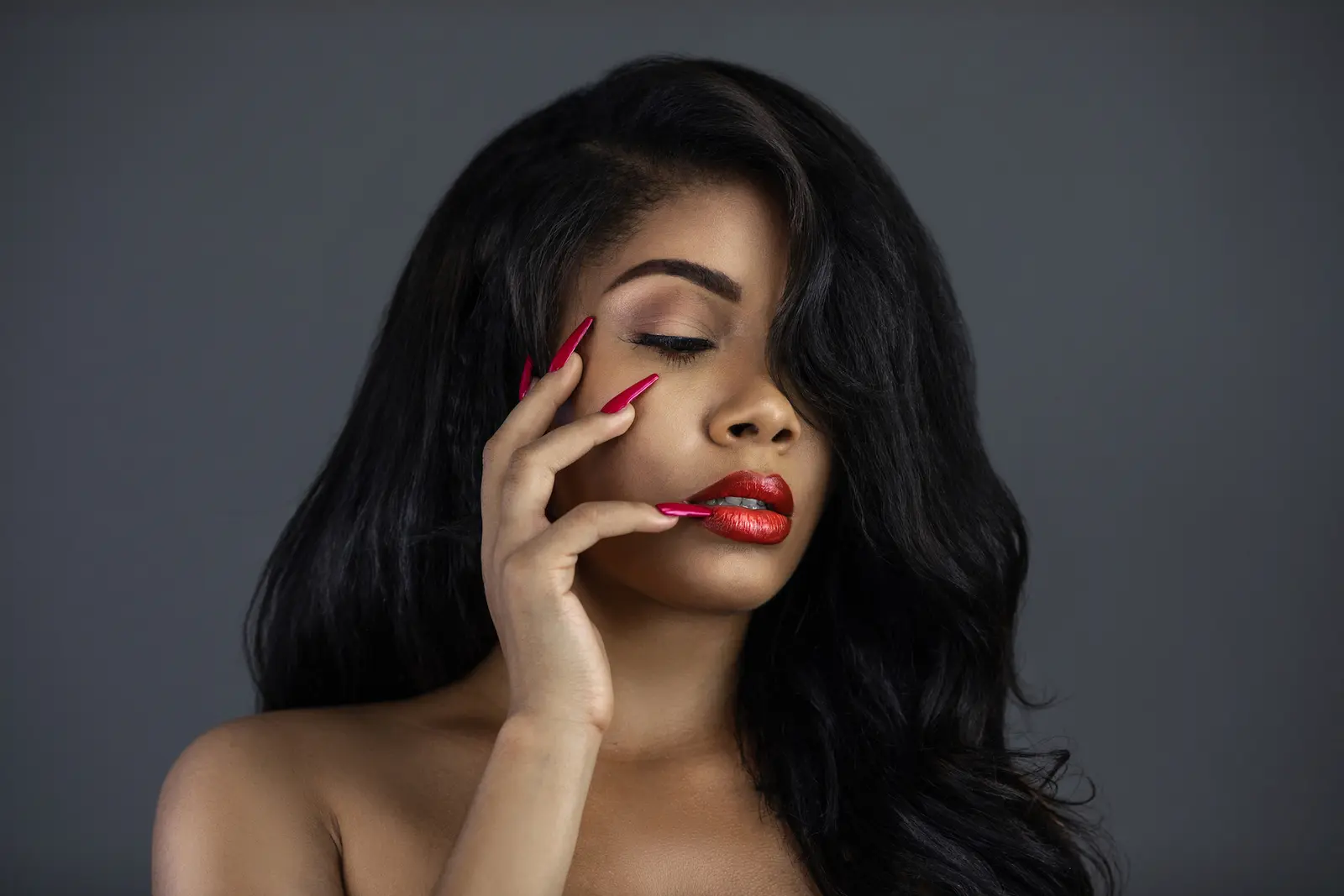
This guide uses photographs from our Casual Simplicity fashion editorial to illustrate coordination. The photographs feature models in a styled editorial; they are not presented as a real-life friendship session.
Should best friends wear matching outfits?
Matching outfits work when you want a deliberate, graphic result: two black dresses, matching suits, or the same T-shirt styled differently. Coordinated outfits offer more flexibility. You can repeat a color while choosing different cuts, or wear different colors with a similar level of formality.
Start by asking what you want to recognize in the photographs years from now. If your shared style is part of the friendship, matching may feel right. If you dress very differently, preserve that difference and connect the looks with a smaller detail.
Five best friend photoshoot outfit ideas to adapt
1. Black outfits with different silhouettes
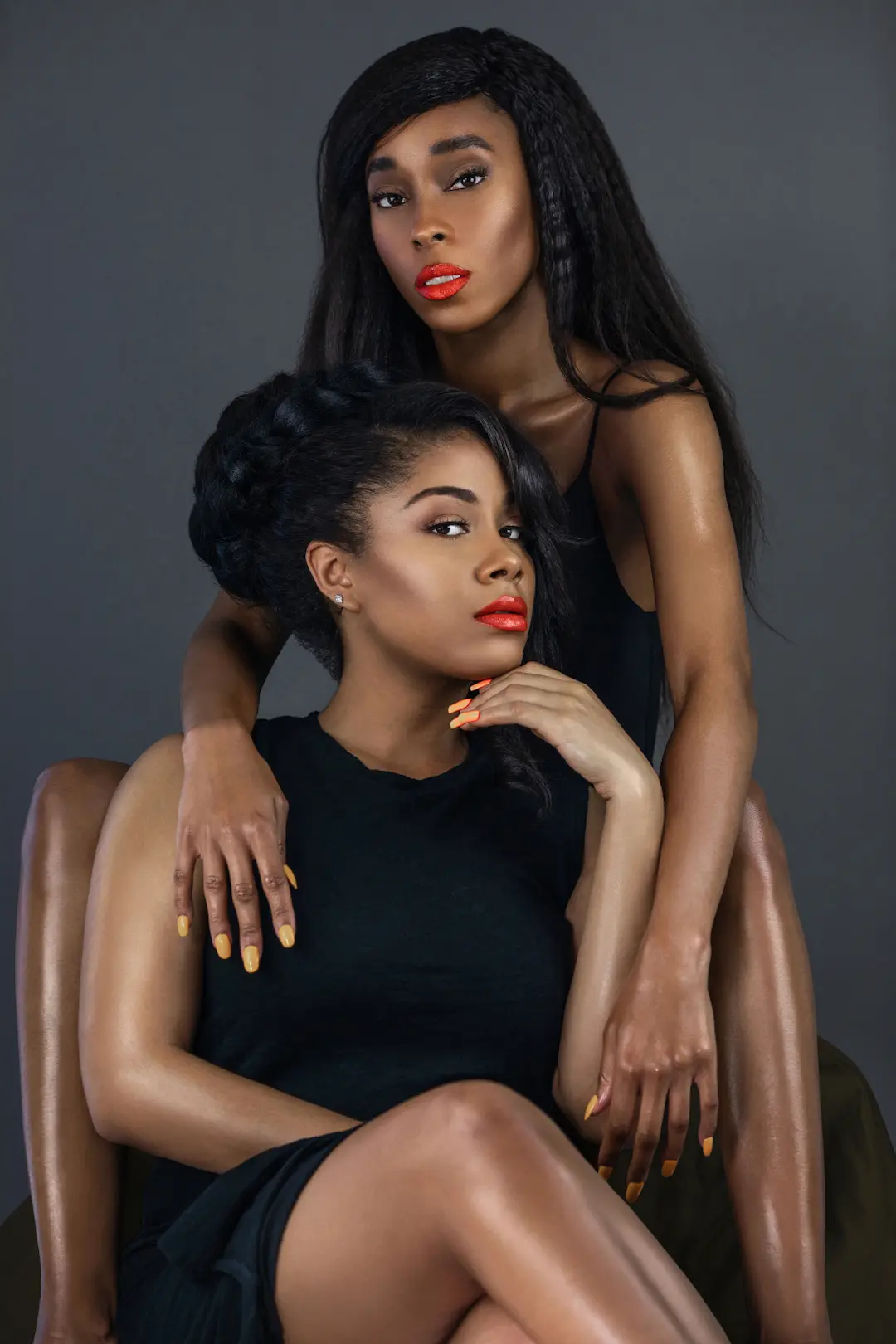
A shared black palette lets you vary the shape. Try a dress beside tailored trousers and a sleeveless top, or two dresses with different necklines. Keep enough separation between your bodies in paired poses so the garments do not merge into one dark shape.
The editorial photograph above shows how hair, neckline and posture can distinguish two people even when their clothing shares a color. It is a useful reference for a polished studio session. Ask your photographer about the background before committing to an entirely dark wardrobe.
2. Denim with a shared accent color
Start with jeans you already like wearing, then choose one accent: a blue shirt, a red top, or a scarf. The denim does not need to match exactly. Compare the washes together and decide whether you like the difference.
Give the accent room to register. If one person wears a red top, the other might repeat red in a smaller accessory rather than adding a second competing color. For a casual session, clean sneakers or boots can complete both looks without requiring identical shoes.
3. Cream, brown and one textured layer
Combine a cream shirt or knit with brown trousers, a skirt, or a jacket. One person might wear a smooth shirt while the other chooses a textured knit. This gives you a related palette with visible differences.
Dress for the actual weather. A heavy sweater beside a lightweight summer dress can look disconnected if the intended mood is an ordinary day together. Our Autumn fashion guide offers further examples of texture and layering.
4. A dress and separates at the same level of formality
You can wear a dress while your friend wears trousers. What matters is whether the complete outfits belong to the same occasion. A relaxed cotton dress can sit comfortably beside jeans and a soft shirt; an evening dress usually needs a more considered partner look.
Compare fabric, footwear and accessories together. A pair of shoes can shift an outfit from casual to dressed-up more quickly than adding another garment.
5. Two personal outfits connected by one detail
If your wardrobes have little in common, choose your own outfits first. Then identify one connection: silver jewelry, a repeated stripe, similar jacket lengths, or one color appearing in both looks.
You do not have to remove a favorite accessory simply because it is distinctive. Try the outfits together and ask whether both faces still draw attention. Personal items can make the photographs feel more like you.
Choose clothing for the location and the photographs you want
Ask whether the session will include close portraits, seated poses, walking photographs, or full-length frames. For close portraits, necklines, earrings and hair matter more than shoes. For full-length pictures, check the whole outfit, including socks and footwear.
In a studio, discuss the background color and lighting. Outdoors, think about the surroundings and what you will actually do. Clothing that feels fine standing in front of a mirror may be restrictive when you sit on a step or walk beside your friend.
Take a phone photograph of both outfits together before the session. Check visible straps, pulling fabric, mismatched levels of dressiness and accessories you keep adjusting. Use the photograph to make decisions, rather than buying a new outfit by default.
How to coordinate makeup, hair and accessories
Decide how polished you both want to look, without requiring the same makeup. A shared lip-color family can connect the portraits, but each person can choose a shade and finish they enjoy wearing.
Hair can remain completely individual. In paired portraits, different shapes often help separate the faces. Bring the tools or products you normally use for small adjustments rather than planning an unfamiliar hairstyle on the day.
If hands will appear near your faces, check rings, bracelets and nails with the rest of the look. They do not need to match. Remove anything that catches on clothing or repeatedly turns out of place.
What to bring to a best friend photoshoot
- Your complete main outfit, including shoes and accessories.
- One agreed alternative if the session includes time for a change.
- A jacket or comfortable shoes for moving between locations.
- A lint roller and garments steamed before packing.
- Your usual hair and makeup items for touch-ups.
- A few saved references showing the mood and poses you both like.
Confirm changing facilities and the number of outfit changes with your photographer. Packing five alternatives will not help if the session only allows time for one look.
Common outfit questions
Can we both wear black?
Yes. Use fit, neckline, texture or accessories to distinguish the outfits, and discuss the background with the photographer. Check a test frame to see whether the clothing retains the detail you want.
Can one person wear a pattern?
Yes. Start with the patterned piece and pick a color from it for the other outfit. Look at both together to judge how much attention the pattern takes in the frame.
Do we need to buy matching clothes?
No. Begin with pieces you already feel good in. A shared color or similar level of dressiness may be enough, and familiar clothing is easier to move in naturally.
What if we have completely different styles?
Keep them. Agree on the mood and location, then connect your outfits through a small detail if that feels useful. Your differences can be part of the photograph.
For the complete visual story behind these examples, explore Casual Simplicity. Planning a larger creative session? Read our professional photoshoot process guide.
Photography and editorial credits
Archive photography: Phil Halfmann. Lead wardrobe stylist and lead hair & makeup: Sophia Lenore. Hair, makeup & nails: Amber Johnson and Joane Charles. Models: Claudine and Bella. Jewelry: Konplott. Images originally published in Casual Simplicity.