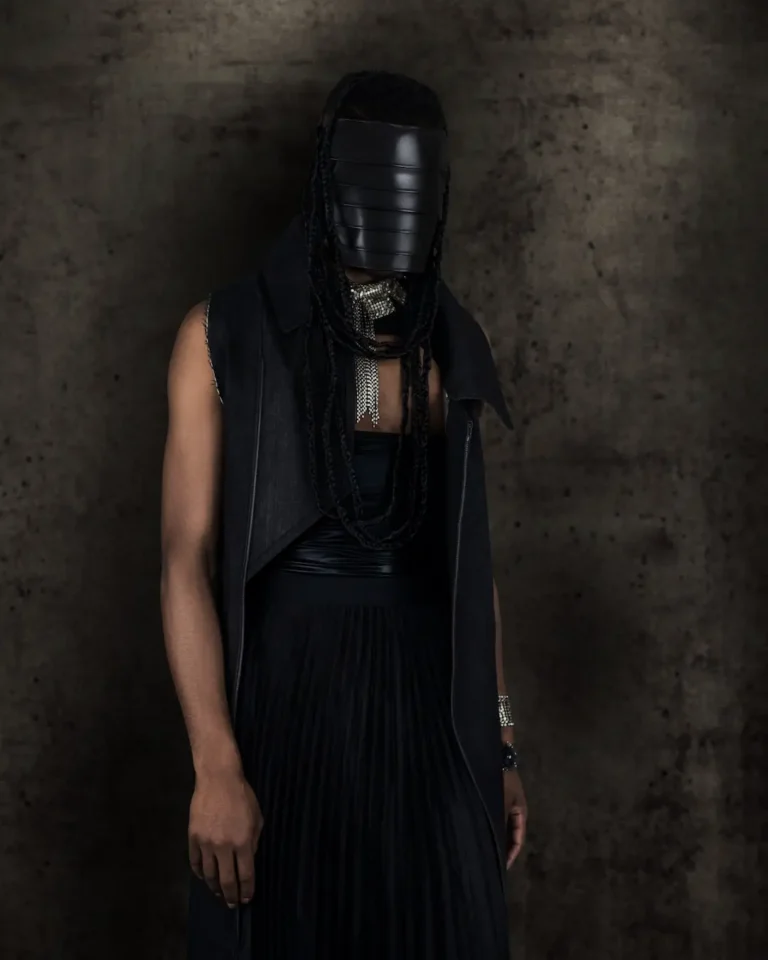
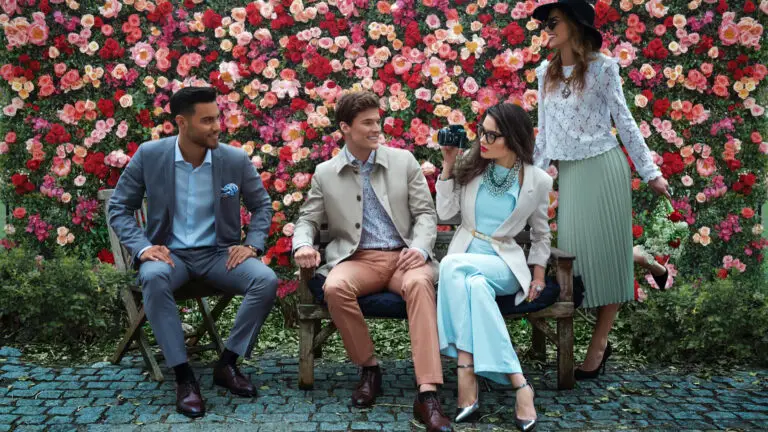
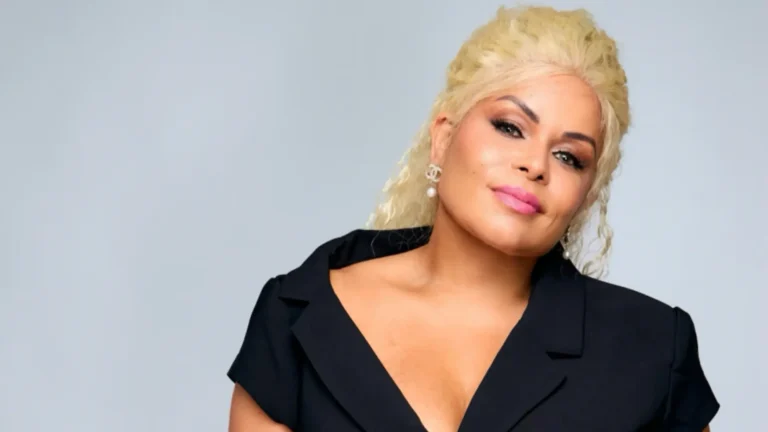
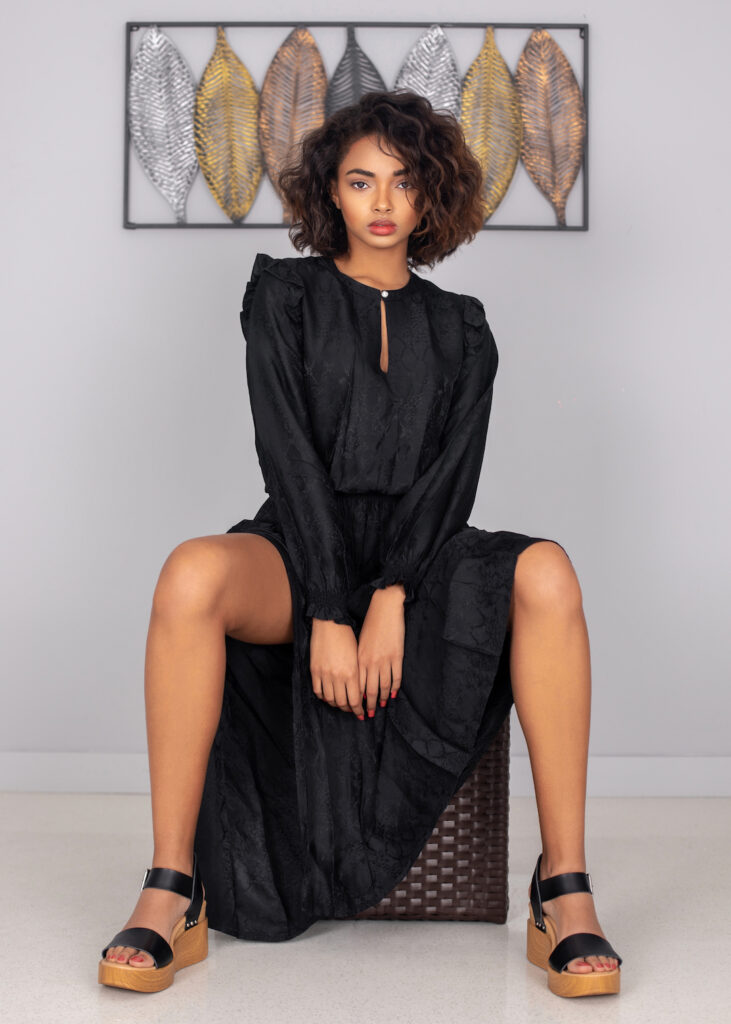
Inclusive fashion visual storytelling is most powerful when the clothes, casting, styling and body language all serve the same idea. “Blooming Narratives” looks across a group of The Prestige Magazine editorials to explore how softness, confidence and self-expression can become a coherent visual language—without reducing inclusion to a trend.
Photographed by Phil Halfmann, these portraits show that an editorial does not need spectacle to hold attention. A controlled palette, expressive posture and deliberate sequence can give fashion imagery emotional weight.
What makes a fashion editorial feel like a story?
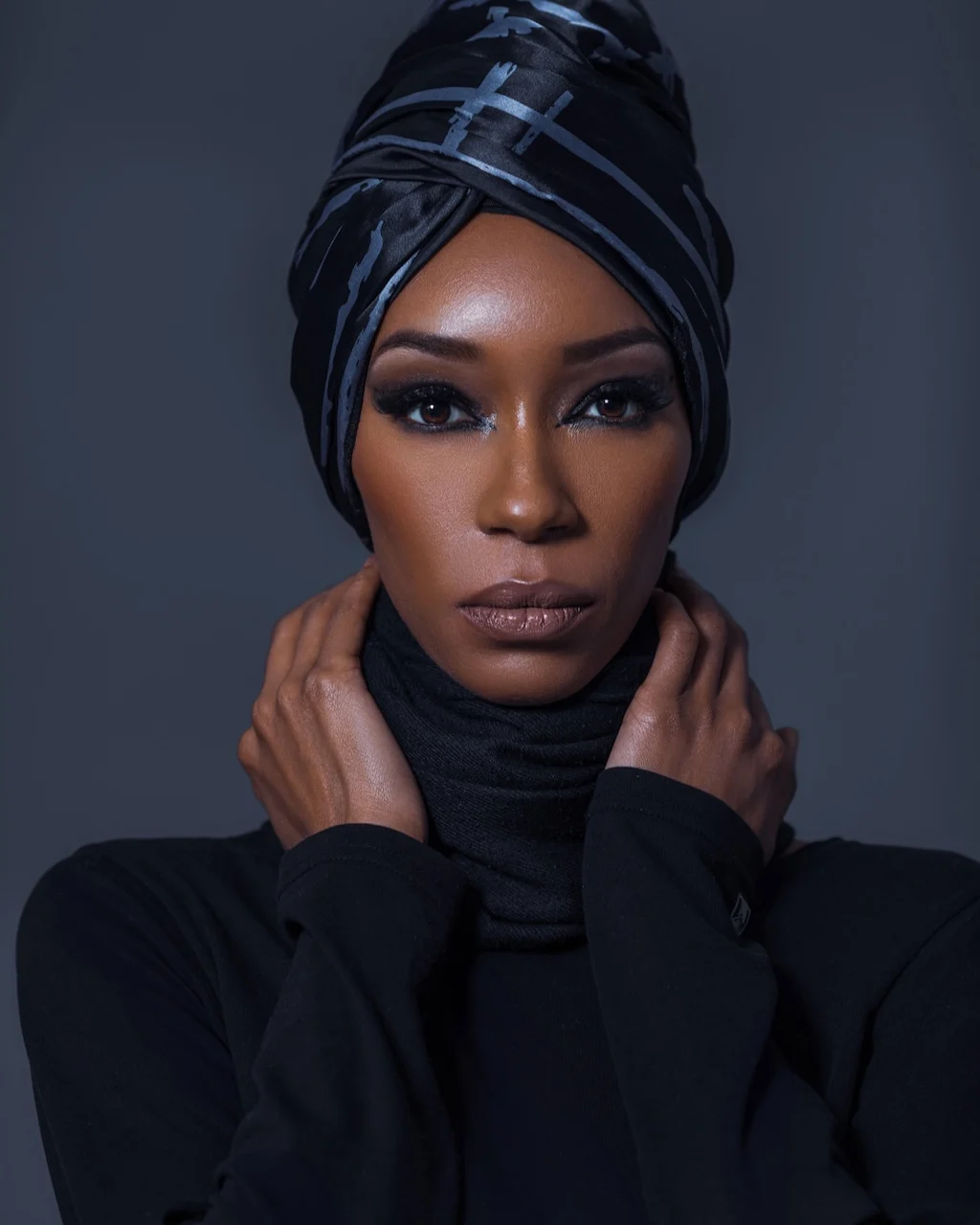
A collection of beautiful photographs is not automatically a narrative. A visual story needs progression. The opening image establishes the world, the middle frames develop tension or variation, and the closing portrait leaves the viewer with a clear emotional impression.
That progression can be subtle. A change in gaze may matter more than a dramatic location. A structured silhouette can follow a softer look. A restrained portrait can make the next frame feel more expansive. The strongest sequences reward attention because each image contributes something new.

This approach is also visible in Studio Fashion Editorial Storytelling, where six visual chapters use pose, texture and styling to create continuity inside a controlled studio setting.
Comfort can carry visual authority
Fashion imagery has often treated discomfort as evidence of seriousness: rigid poses, impossible silhouettes and expressions that keep the viewer at a distance. The editorial The Blossoming—Comfort in Bloom proposes a different relationship between clothing and the body.
Here, ease does not mean a lack of intention. Flowing lines, tactile materials and relaxed movement allow the model to inhabit the clothes rather than merely display them. The result feels composed but not constrained. Comfort becomes part of the aesthetic message: confidence can be quiet, and elegance can make room for breath.

Watch the behind-the-scenes film from The Blossoming to see how the final photographs grew from direction, movement and collaboration on set.
Inclusive casting must shape the narrative
Representation is not solved by placing a wider range of people in front of a camera while keeping every other creative decision unchanged. Meaningful inclusion influences the concept, the styling, the references and the way each person is directed.
When two models share a frame, their relationship becomes part of the story. Mirrored gestures can suggest solidarity. Contrasting silhouettes can establish individuality. A shared gaze can create intimacy, while separate lines of attention can introduce tension. The composition should let both people remain fully present.

For another example of a multi-look sequence, explore Trendy Fashion for Women: Six Inspiring Looks. The story uses colour, jewellery and changing silhouettes to create variation while maintaining one editorial identity.
Presence is more compelling than perfection
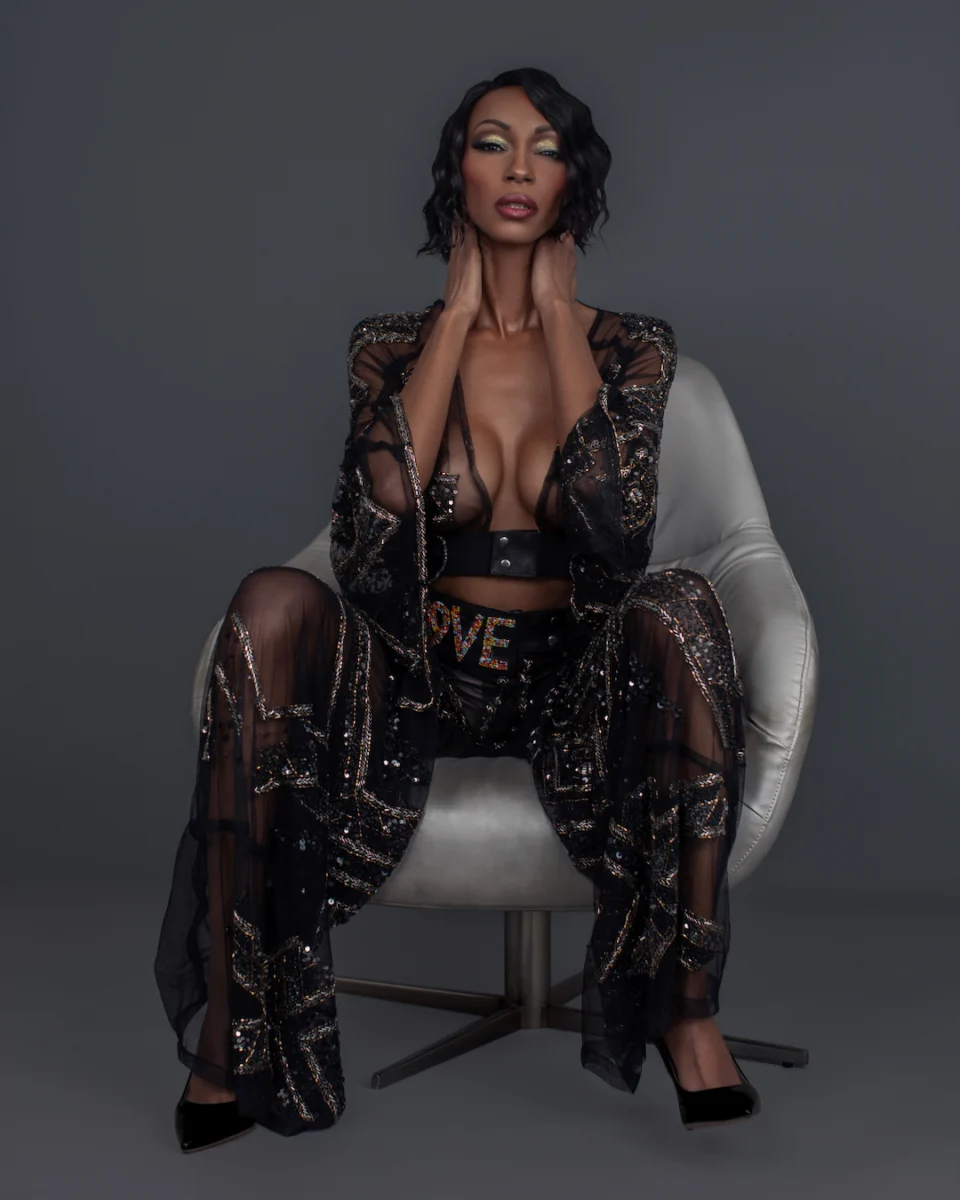
In The Exhibitionist, the camera does not treat the subject as a passive display. The directness of the pose and the control of the gaze make the portrait feel collaborative. The model is not simply being seen; she determines how she will be seen.
That shift matters. Fashion editorials become more human when they allow personality to remain visible through the styling. A photograph can be polished without erasing humour, sensuality, uncertainty or strength. Technical control should support those qualities, not flatten them.
Fluid masculinity expands the emotional range of fashion
Pretty Boy Joy challenges the idea that masculine fashion imagery must rely on hardness or emotional distance. Delicate details, expressive posing and decorative styling can coexist with strength. The point is not to replace one narrow code with another, but to make room for more ways of being visible.
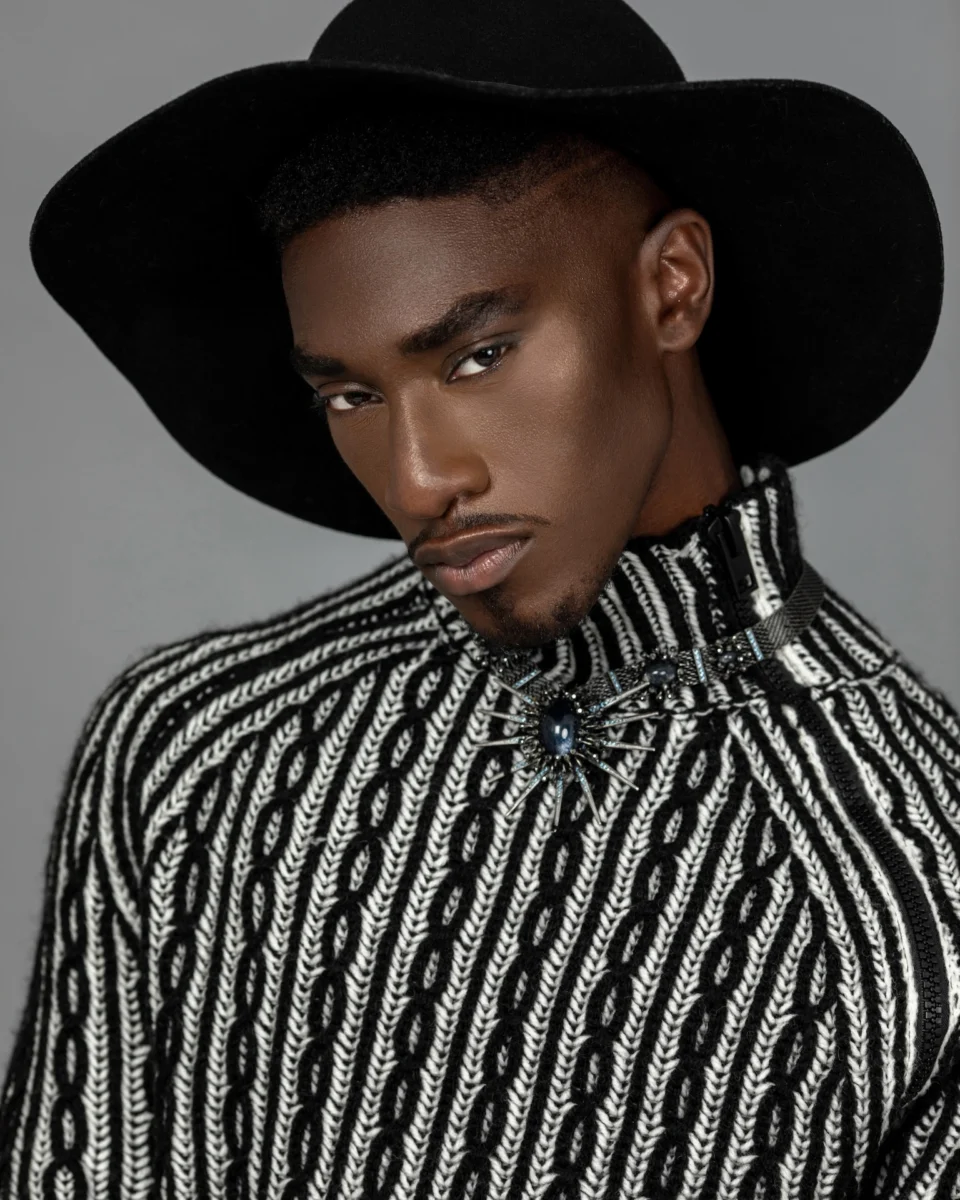
This is where inclusive fashion visual storytelling moves beyond a casting checklist. It asks which emotions, gestures and aesthetics have historically been restricted—and then creates space for them without treating the subject as an explanation or symbol.
How composition creates editorial continuity
A coherent editorial can contain different garments, models and moods when a few visual decisions remain consistent. Before a shoot, the creative team should define the elements that will hold the sequence together.
- One emotional premise: Decide what the viewer should feel before choosing poses or props.
- A controlled colour relationship: Repeat or deliberately contrast key tones across the series.
- Purposeful variation: Alternate close portraits, three-quarter frames and full-length images rather than repeating the same composition.
- Consistent light: Let lighting establish the world, then vary intensity only when the narrative calls for it.
- A defined closing image: End on the frame that resolves the story, not simply the last photograph made.
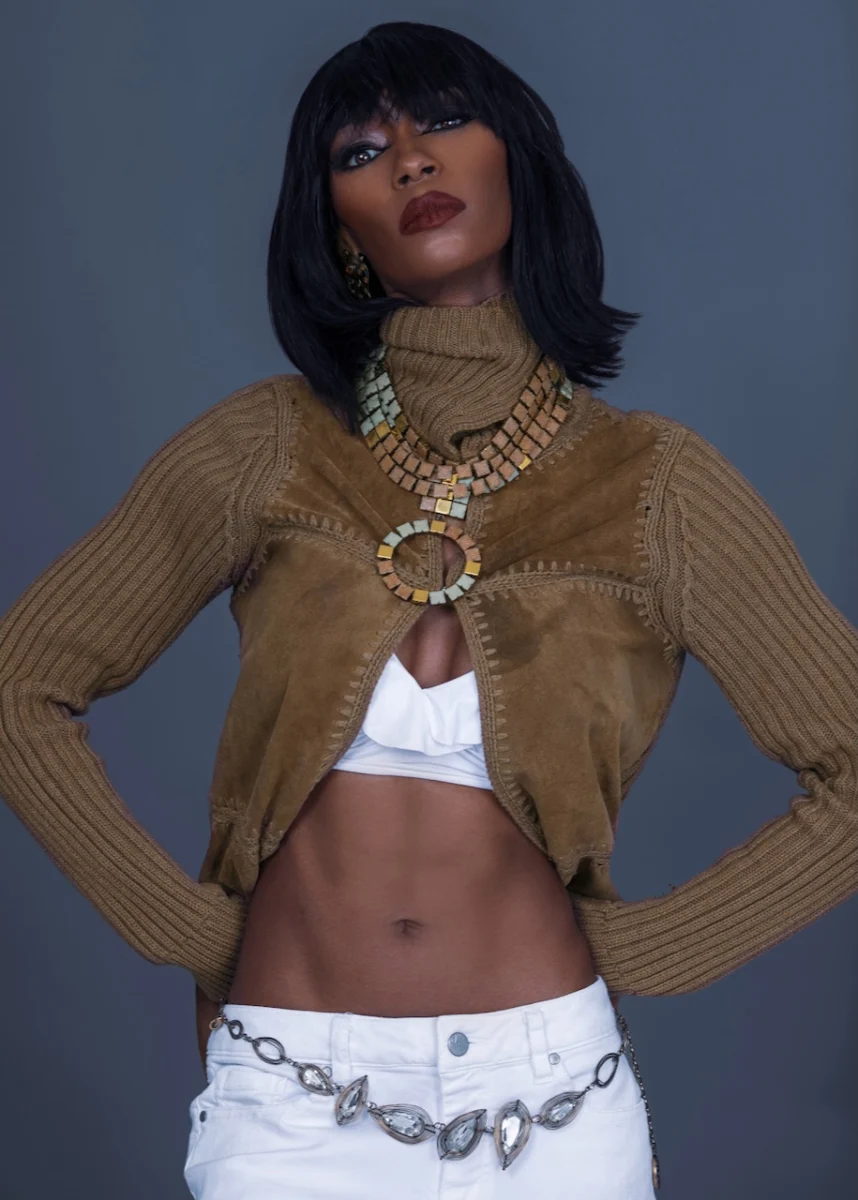
The same principles apply across beauty imagery. Inclusive Beauty Editorial Photography: 16 Looks shows how changes in hair, makeup and expression can create variety while lighting and portrait treatment maintain cohesion.
The lasting value of a visual narrative
Trend reports have a short shelf life. A well-made editorial can remain relevant because its value is not limited to a season. The clothes locate the story in a particular moment, but the deeper themes—identity, confidence, intimacy and transformation—continue to resonate.

That is the promise of inclusive fashion visual storytelling: not a single approved image of beauty, but a richer field of possibilities. When concept and craft work together, the editorial does more than present clothes. It gives the people wearing them room to define the frame.
Continue exploring visual stories
See how current collections are balancing contrast, softness and self-expression in the Spring 2026 Fashion Trend Report.