The Exhibitionist is a Tanya Marie fashion editorial built around visibility, contrast and personal style. Photographed in a Miami studio, the story brings together ten looks worn by Lola Chel and Jovona Logan, moving from quiet white silhouettes and relaxed denim to graphic monochrome and a mustard suit with oversized pink eyewear.
The neutral grey background keeps attention on silhouette, styling and expression. Instead of relying on an elaborate set, the creative team uses changes in pose, texture, color and scale to give each look a distinct visual identity.
Designer: Tanya Marie | Models: Lola Chel and Jovona Logan | Location: Miami, Florida
The idea behind The Exhibitionist
The title treats fashion as an act of presentation: clothing is not simply worn, but deliberately shown. Across the series, the models shift between direct eye contact, restrained gestures and more assertive poses. Those choices create a progression from composure to confrontation without requiring a change of location.
The result sits within a broader tradition of fashion editorial storytelling, where a coherent visual idea matters more than documenting garments as a catalogue would. Here, the continuity comes from the studio light and grey backdrop; the variation comes from the clothes, hair, accessories and performance.
Ten looks shaped by contrast
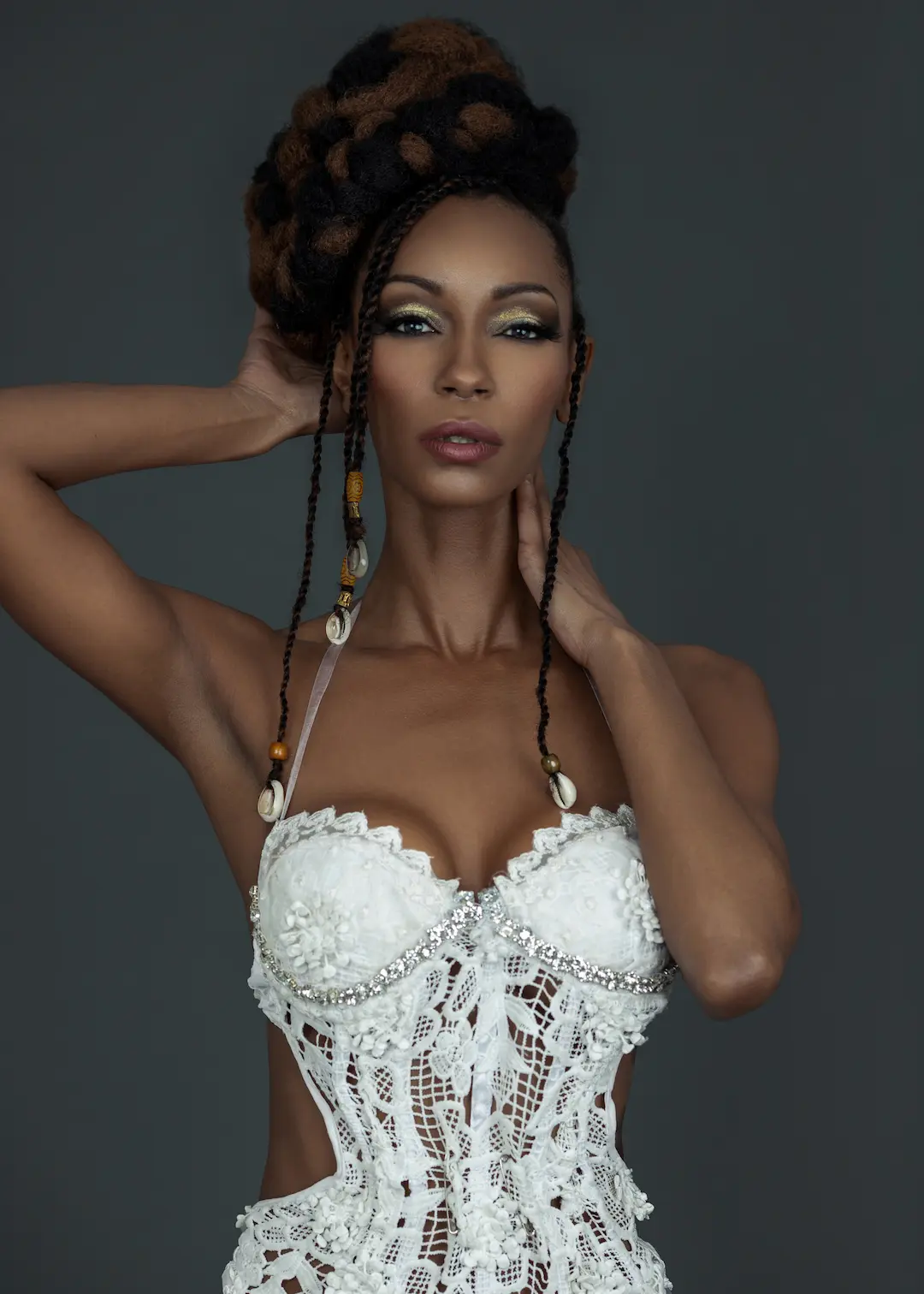
1. White dress and sculptural natural hair
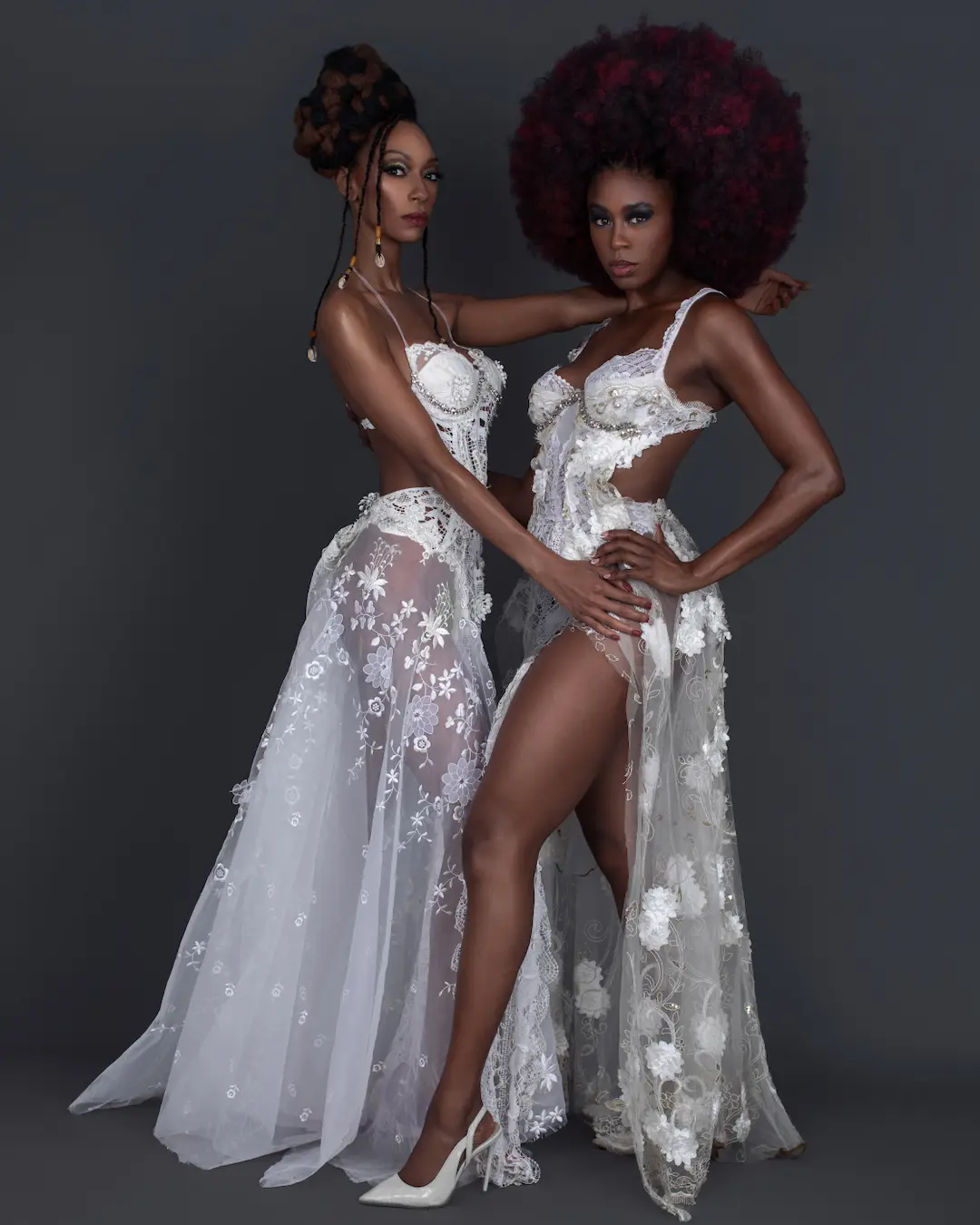
The opening white dress creates a restrained starting point. Its clean shape allows Lola’s natural hair, stance and white heels to define the frame. The near-monochrome styling makes posture the strongest design element.

2. Coordinated white silhouettes
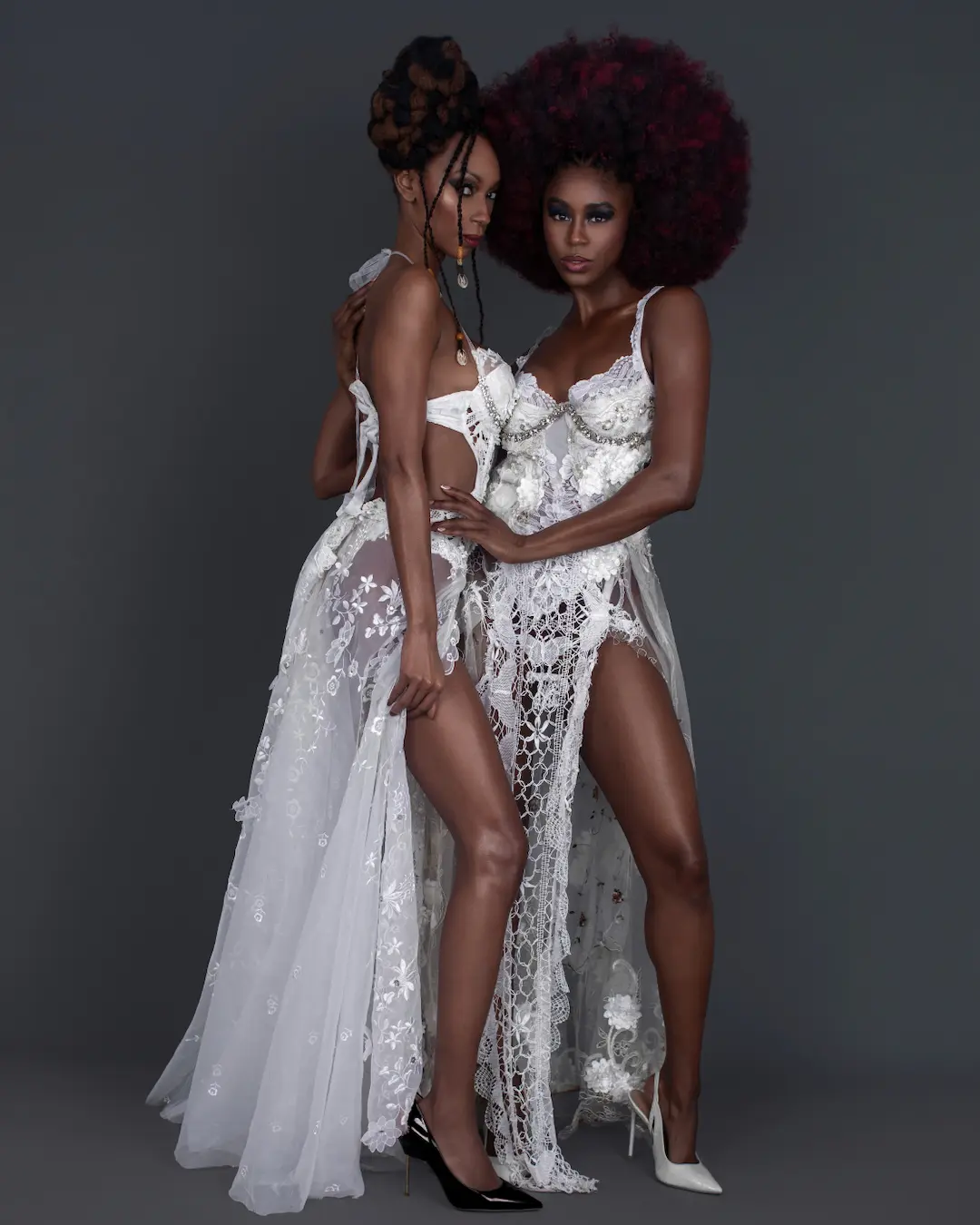
Bringing both models into the frame turns the white palette into a study of proportion and connection. Their different silhouettes remain individual while the shared color creates visual unity.
3. Graphic black and white
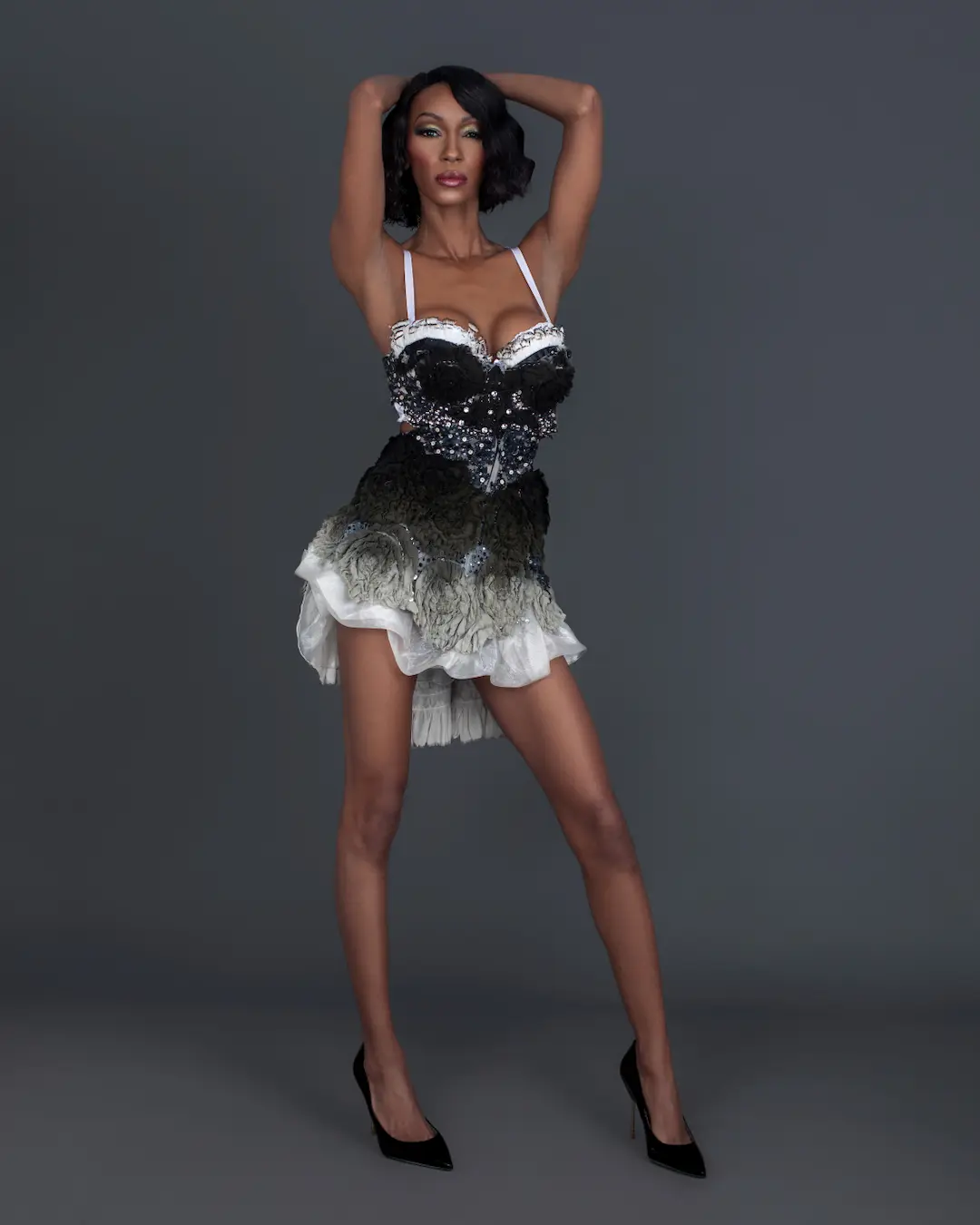
A short black-and-white dress introduces sharper rhythm. The graphic pattern, dark heels and active pose give the image more visual tension than the softer opening looks.
4. Relaxed denim and crisp white
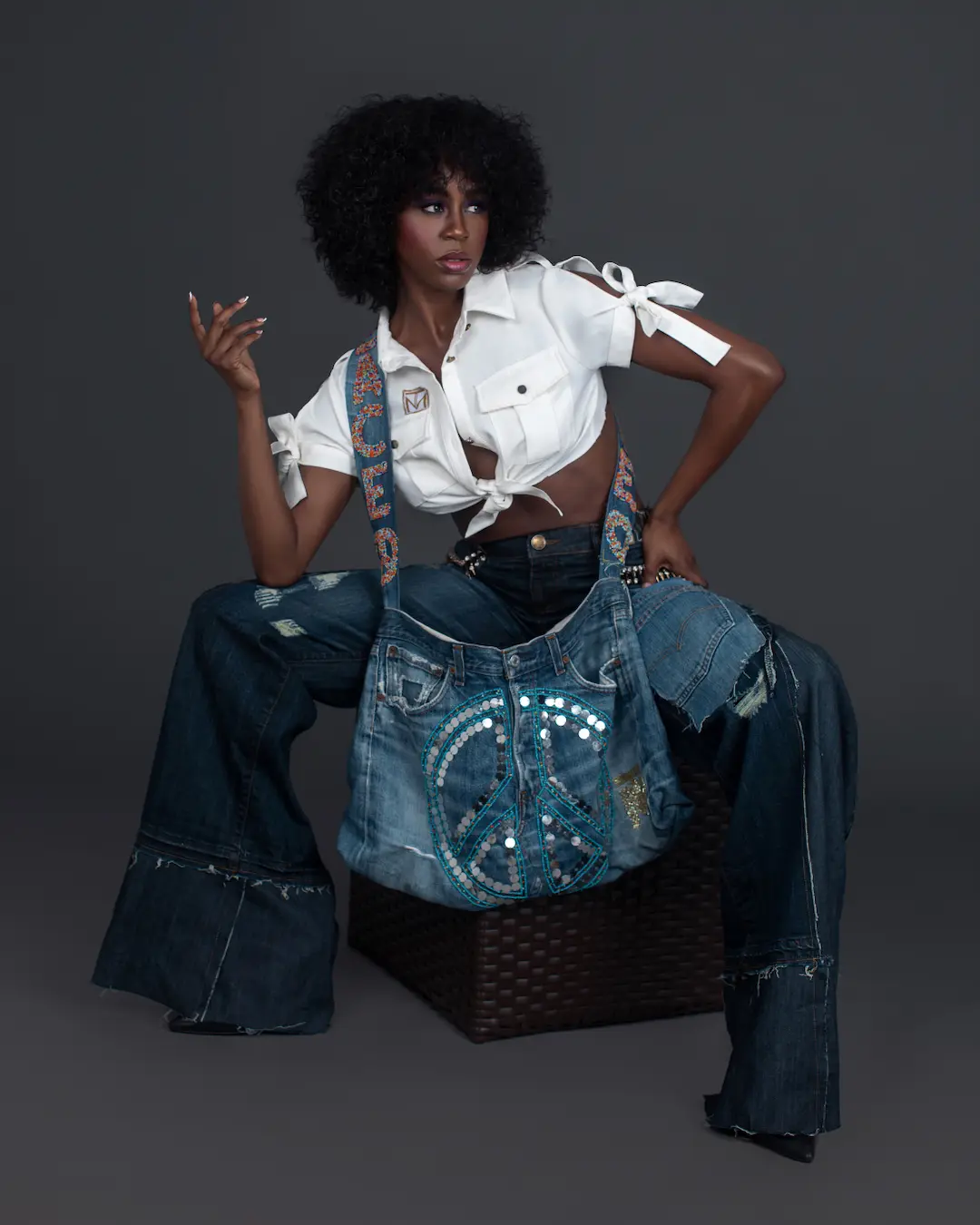
Denim, a white shirt and a structured bag bring the editorial closer to everyday dressing. The seated pose keeps the look polished while allowing the fabric and accessories to read clearly.
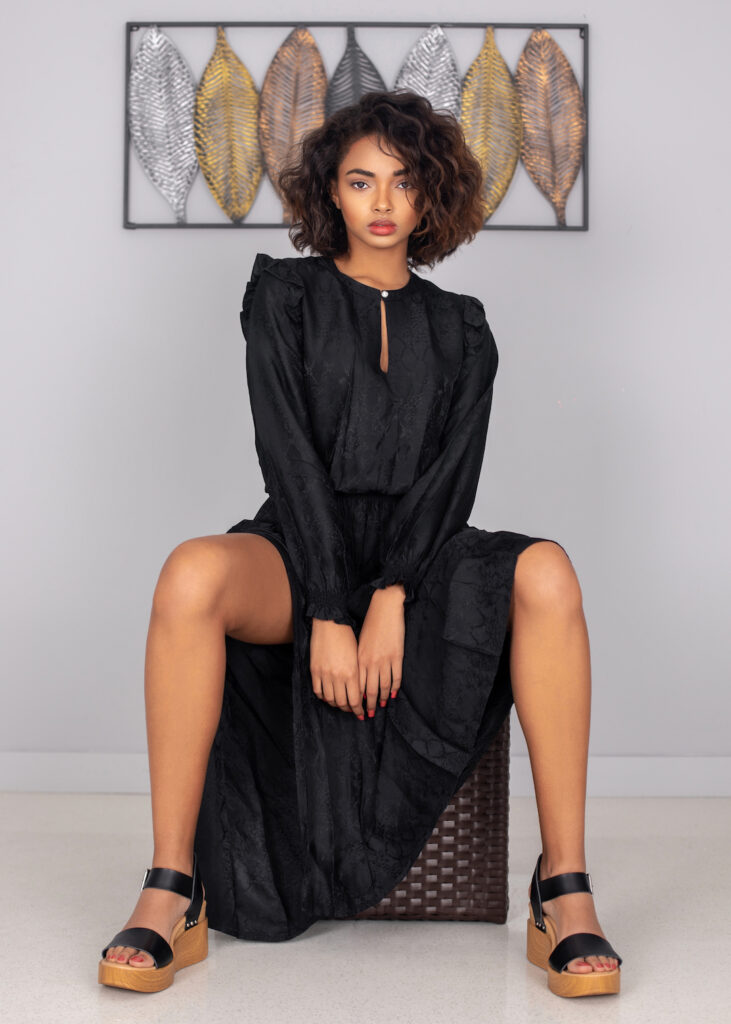
5. The black dress
The black dress removes the earlier graphic contrast and replaces it with tonal restraint. Seated against grey, the model’s expression and the garment’s line carry the image.
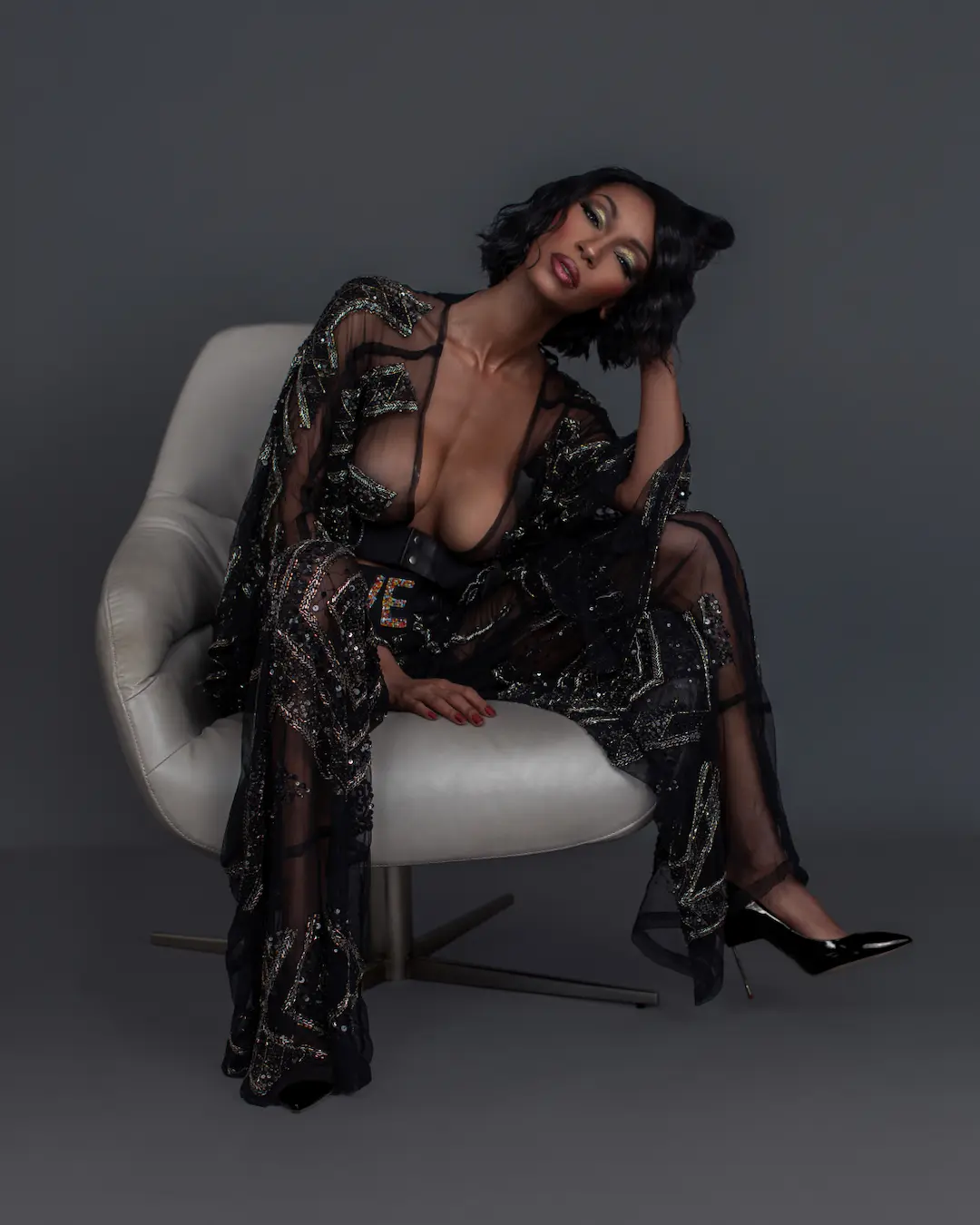
6. Orange and denim
Orange introduces the editorial’s strongest warm color. Paired with denim and black heels, it creates an energetic look that feels connected to Miami without using a literal tropical setting.
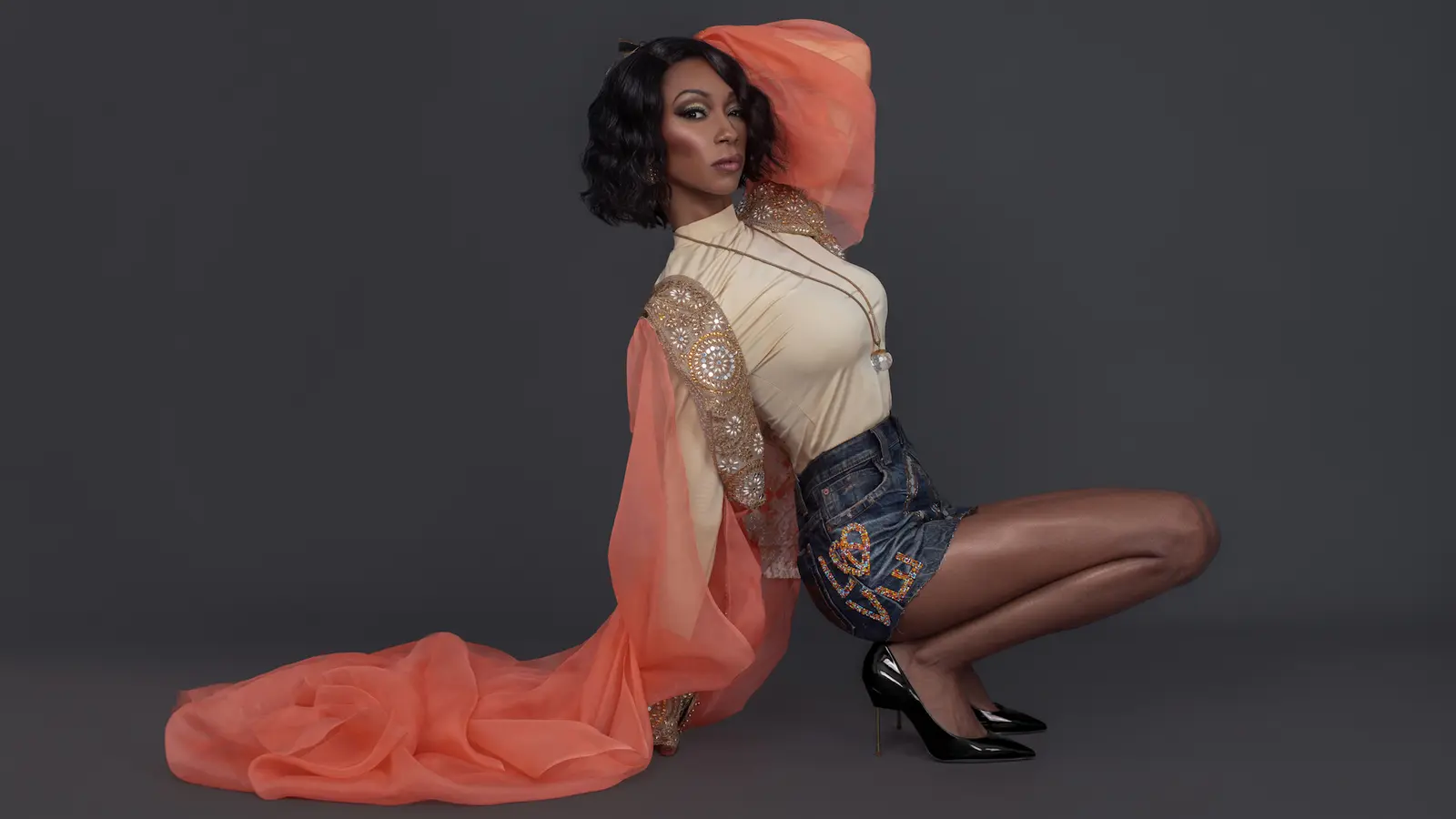
7. White tailoring with a brown top
A white jacket layered over a brown top balances structure and exposure. Jewelry and the sculptural updo keep the close portrait visually detailed without competing with the tailoring.
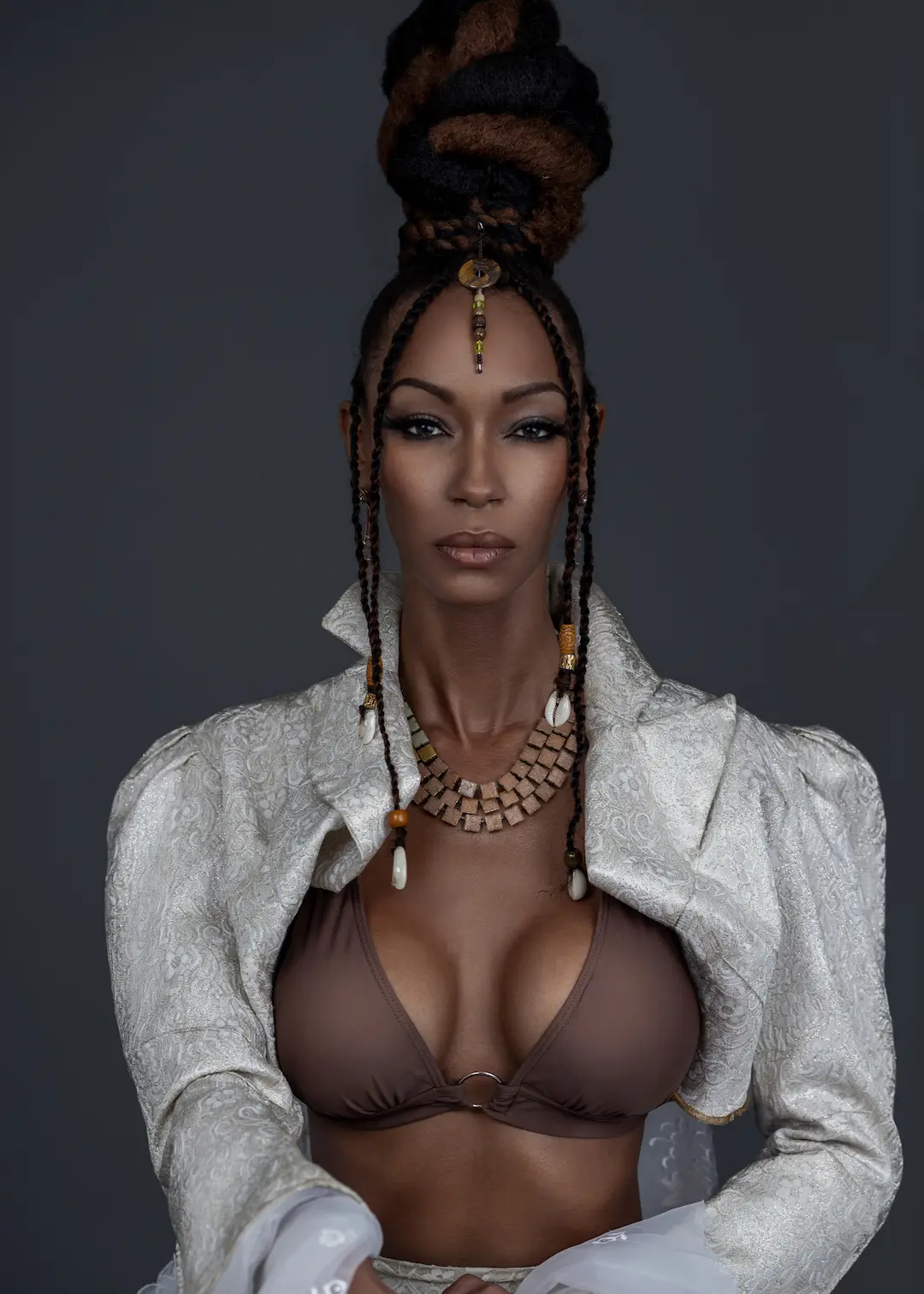
8. A closer study in white
The tighter crop concentrates on face, hair and jewelry. It is a useful pause in the sequence and shows how the same wardrobe family can support both full-length fashion images and beauty-led portraits.
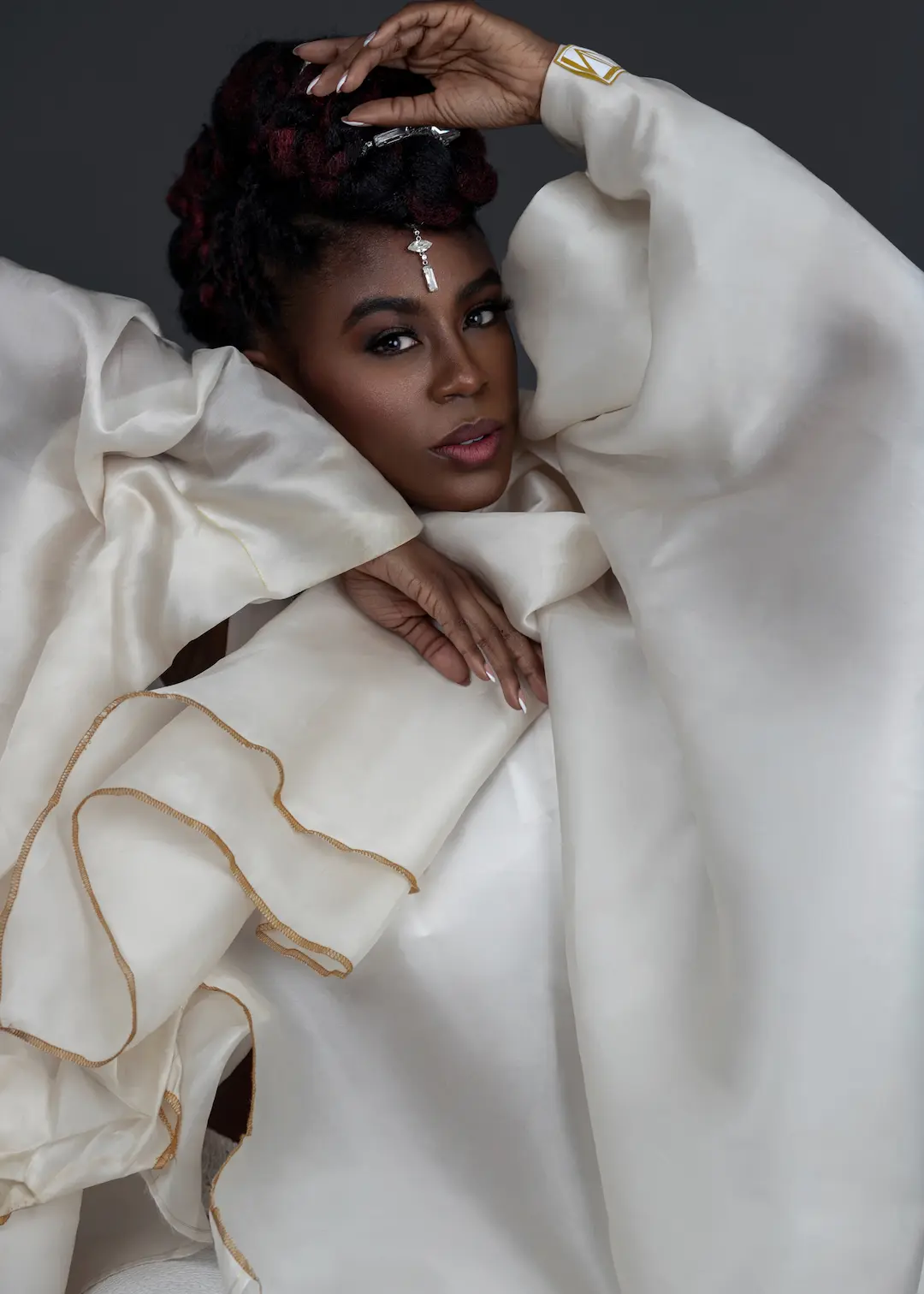
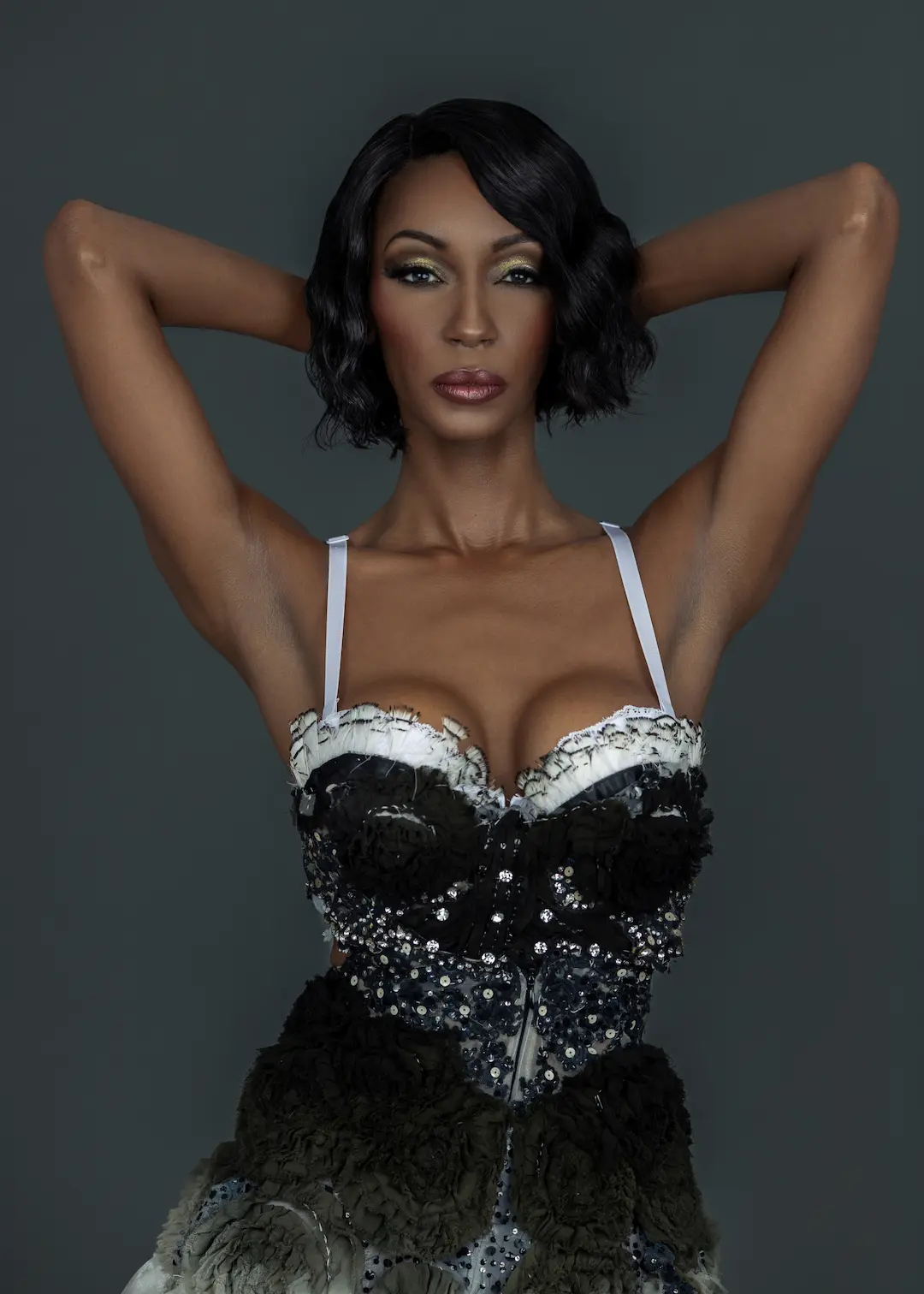
9. White dress, new silhouette
Returning to white later in the story creates continuity without repeating the opening image. A different hairstyle, crop and garment shape change the mood from full-length poise to direct portraiture.
10. Mustard tailoring and pink eyewear
The final look delivers the strongest color combination in the series. Mustard tailoring, a dark base and oversized pink glasses create a decisive ending—bold enough to stand apart, but still connected to the editorial’s controlled studio language.

How the studio treatment holds the story together
A long editorial with ten looks can easily feel fragmented. This one avoids that problem through repetition: the same neutral environment, a consistent lighting approach and a limited set of compositional choices. Within that framework, the changing wardrobe remains easy to compare.
The approach also demonstrates why a fashion story does not need an elaborate location to feel complete. Controlled light and a clear sequence can create cohesion while giving the team room to emphasize fabric, body language and styling. For another example of studio-led visual structure, see Avant-Garde Fashion Editorial: 12 Bold Looks.
Representation without reducing the models to a message
Lola and Jovona are central to the story because of what they contribute as performers: distinctive posture, expression and presence. The images also expand the range of Black beauty and hair represented in fashion publishing, without treating identity as a substitute for creative direction.
Readers interested in that intersection of styling, hair and identity can continue with Locks of Beauty or explore the broader visual range in Inclusive Beauty Editorial Photography.
The creative team
- Photography: Phil Halfmann
- Creative direction and wardrobe styling: Sophia Lenore
- Designer: Tanya Marie
- Models: Jovona Logan and Lola Chel
- Hair: Simone Hylton
- Makeup: Aida Greenidge-Gopie
- Jewelry: KONPLOTT
The Exhibitionist succeeds because it uses a simple production framework to make room for variety. Across ten looks, the Tanya Marie fashion editorial moves from minimal white styling to saturated tailoring while keeping the models—not the set—at the center of the story.
See how this editorial became a repeatable content framework in Phil Halfmann’s Tanya Marie content-infrastructure case study.
Planning your own editorial? Read the Fashion Editorial Submission Guide for practical guidance on sequencing, credits, file preparation and pitching.