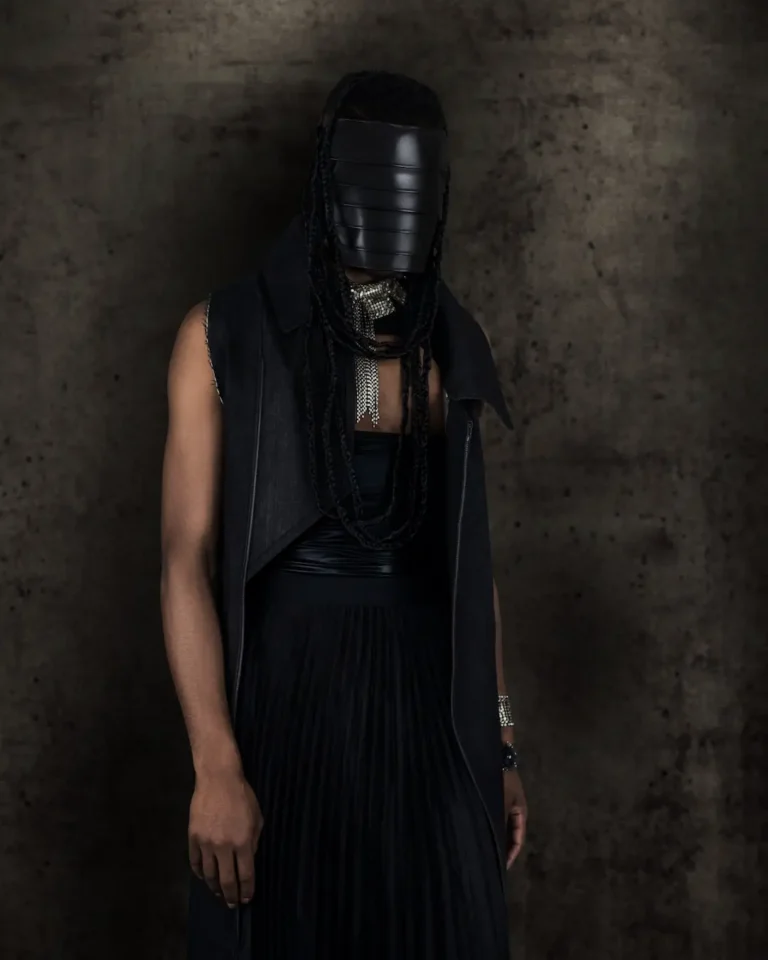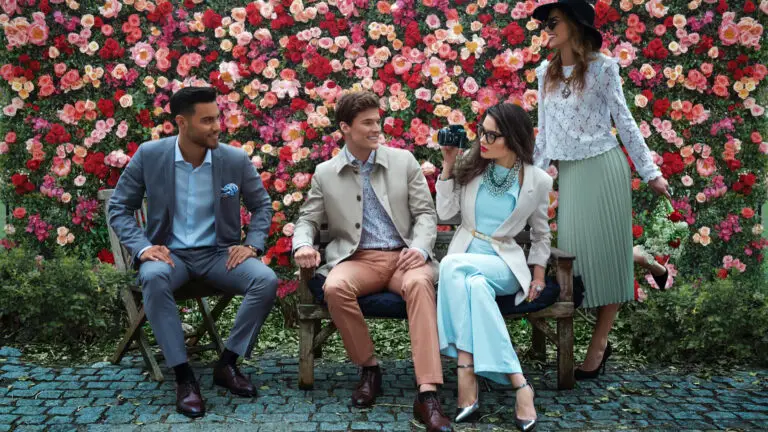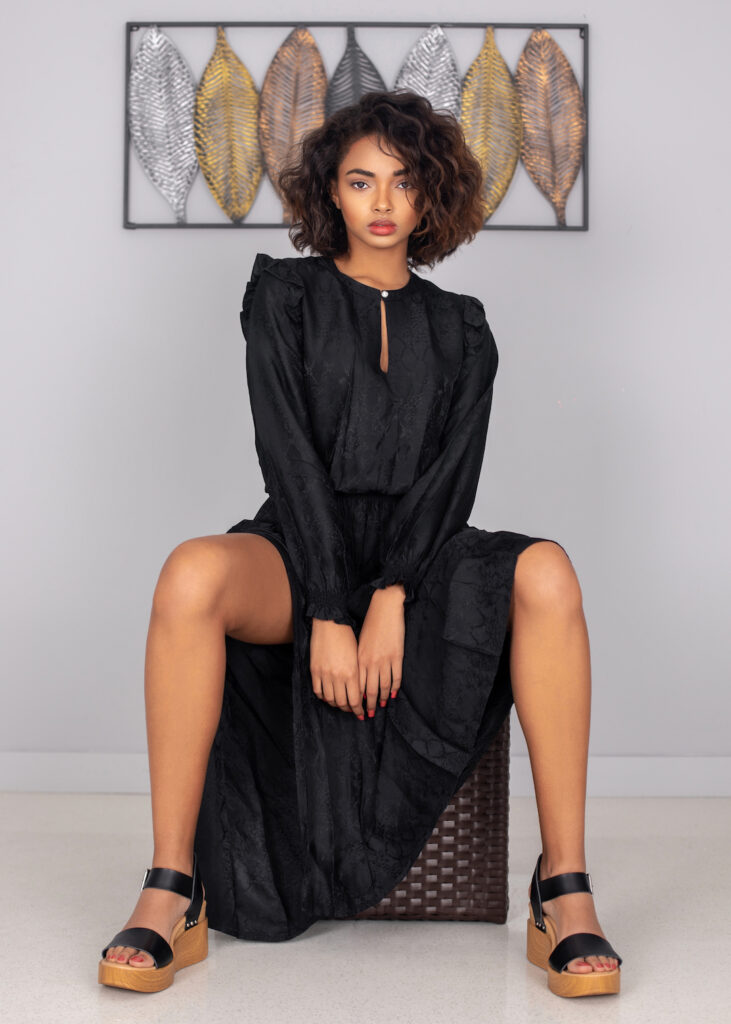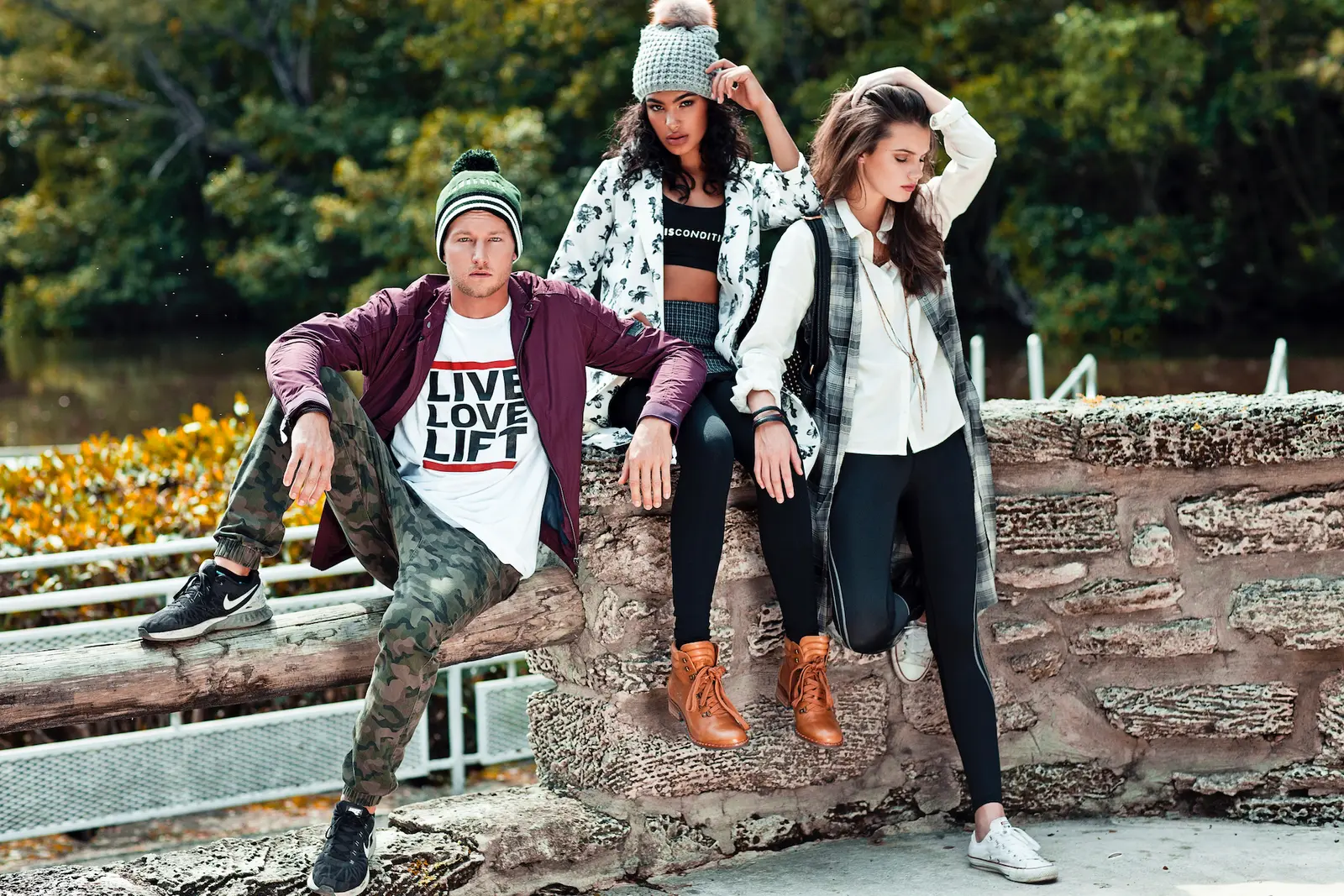
A Miami outdoor fashion editorial shaped by streetwear, sport and open-air movement—photographed across lakeside paths, wooden bridges and courts with an ensemble cast at the center.
The strongest location editorials do more than place clothes against attractive scenery. They create a visual system in which the setting, styling and cast reinforce the same idea. This story uses Miami’s outdoor spaces to connect relaxed streetwear with athletic references, natural light and group dynamics. The result feels urban without depending on concrete walls or a downtown skyline.
Miami Streetwear Beyond the City Grid
Urban fashion is often reduced to predictable backdrops: parking garages, graffiti walls and hard architecture. Here, the visual tension comes from a different contrast. Layered streetwear, sneakers and track-inspired pieces meet water, trees and weathered wood. That change gives the clothes room to breathe while keeping the attitude direct.
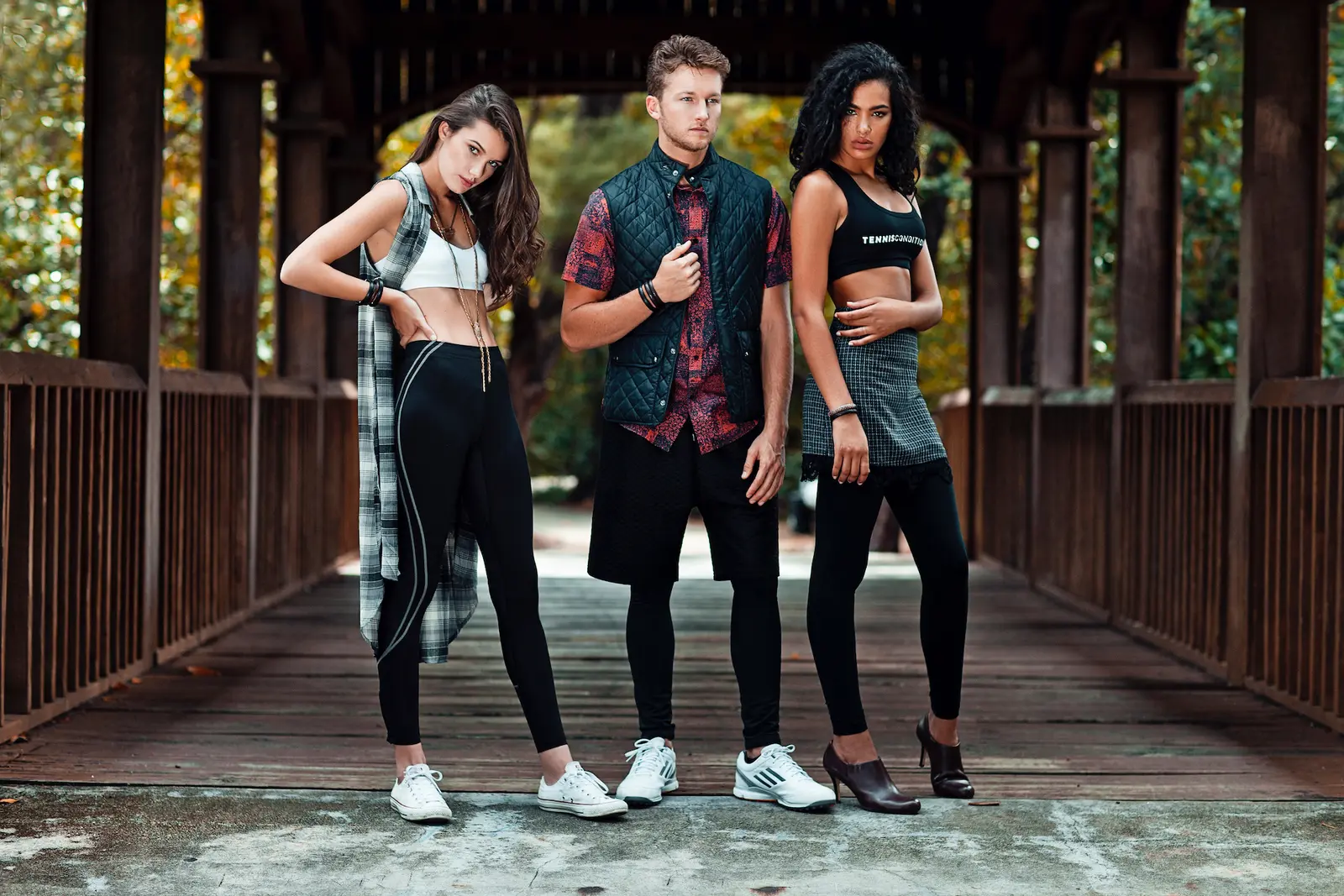
The bridge sequence is especially effective because its strong leading lines organize three distinct looks into one frame. Black, white and muted green repeat across the styling without turning the cast into a uniform group. Each model retains a separate silhouette, yet the wardrobe still reads as one editorial story.
For a more architecture-led interpretation of Miami street style, compare this story with our Miami graffiti fashion editorial. The two series share an urban vocabulary, but the location changes the emotional register completely.
Five Visual Chapters, One Cohesive Editorial
Rather than treating every outfit as an isolated look, the shoot moves through five connected visual chapters. That structure gives the series pace and makes the transitions between lifestyle, streetwear and sport feel intentional.
1. Lakeside Ease
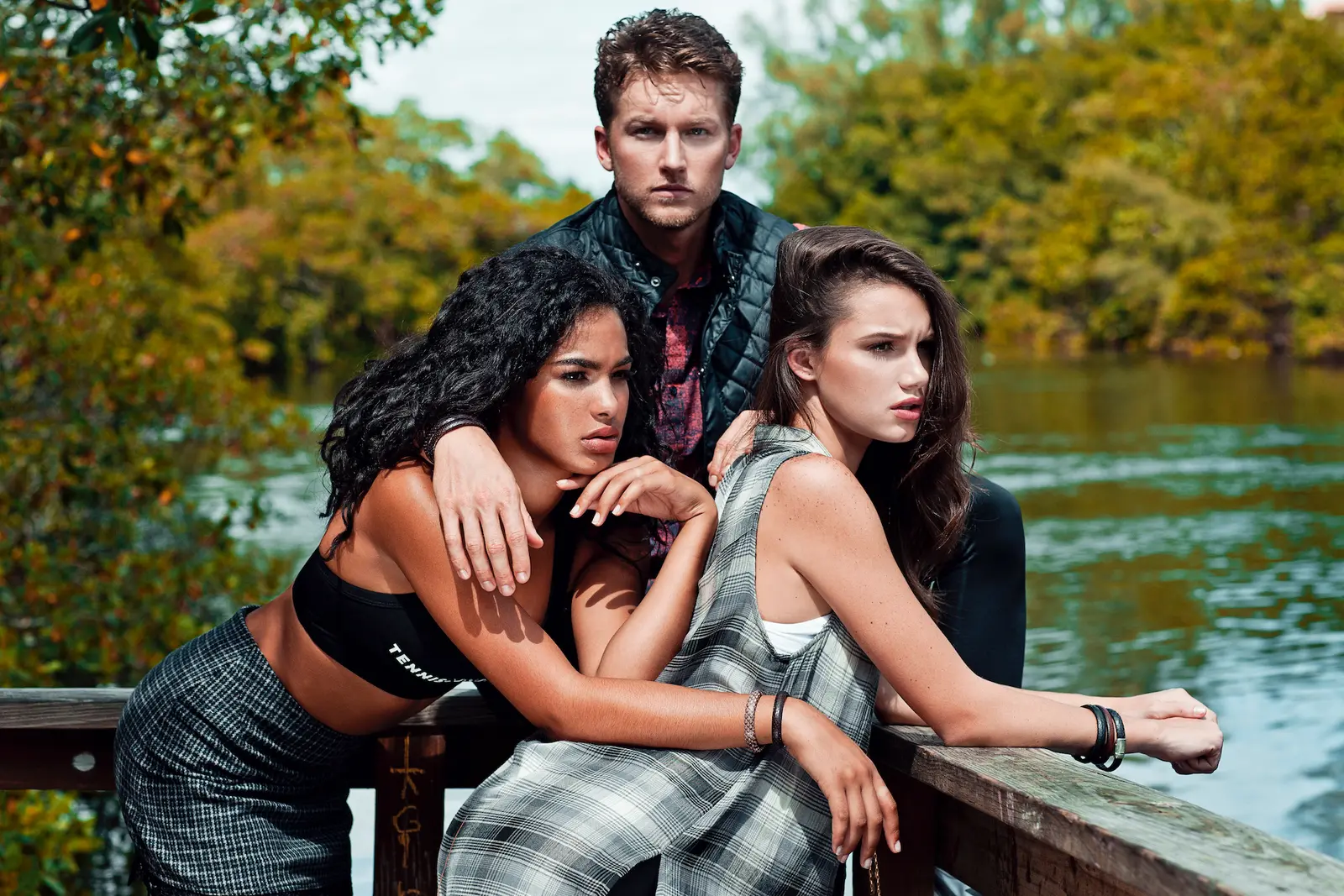
The lakeside portraits introduce the cast through proximity and calm body language. Denim, layered tops and casual footwear feel believable in the setting. More importantly, the image establishes relationships between the models before the story becomes more performance-driven.
2. The Bridge as a Runway
A wooden bridge creates a natural runway without forcing a literal catwalk pose. Its symmetry guides the eye, while the surrounding foliage softens the graphic lines of the clothing. This balance between structure and ease is what keeps the images editorial rather than purely documentary.
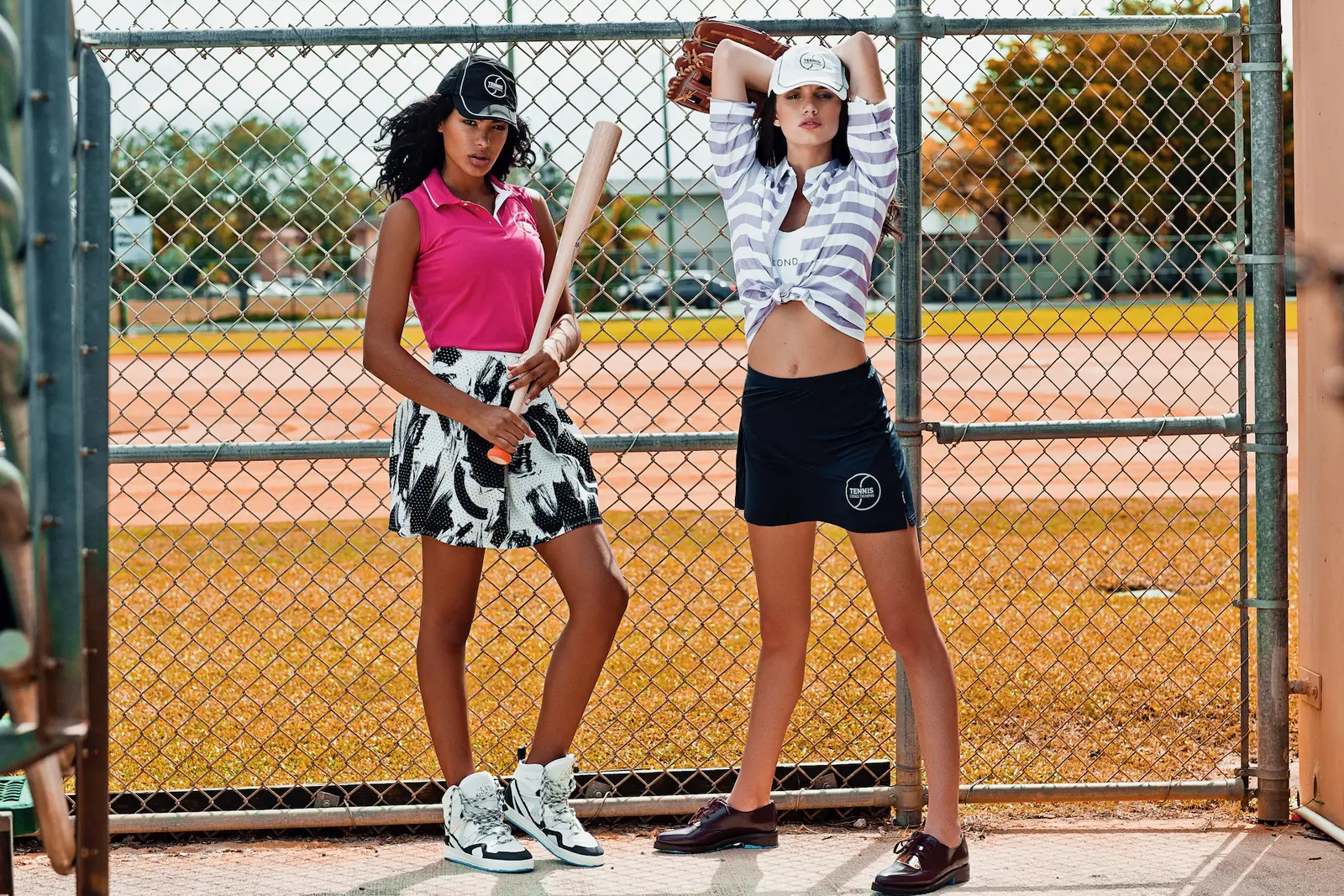
3. Athleisure with Attitude
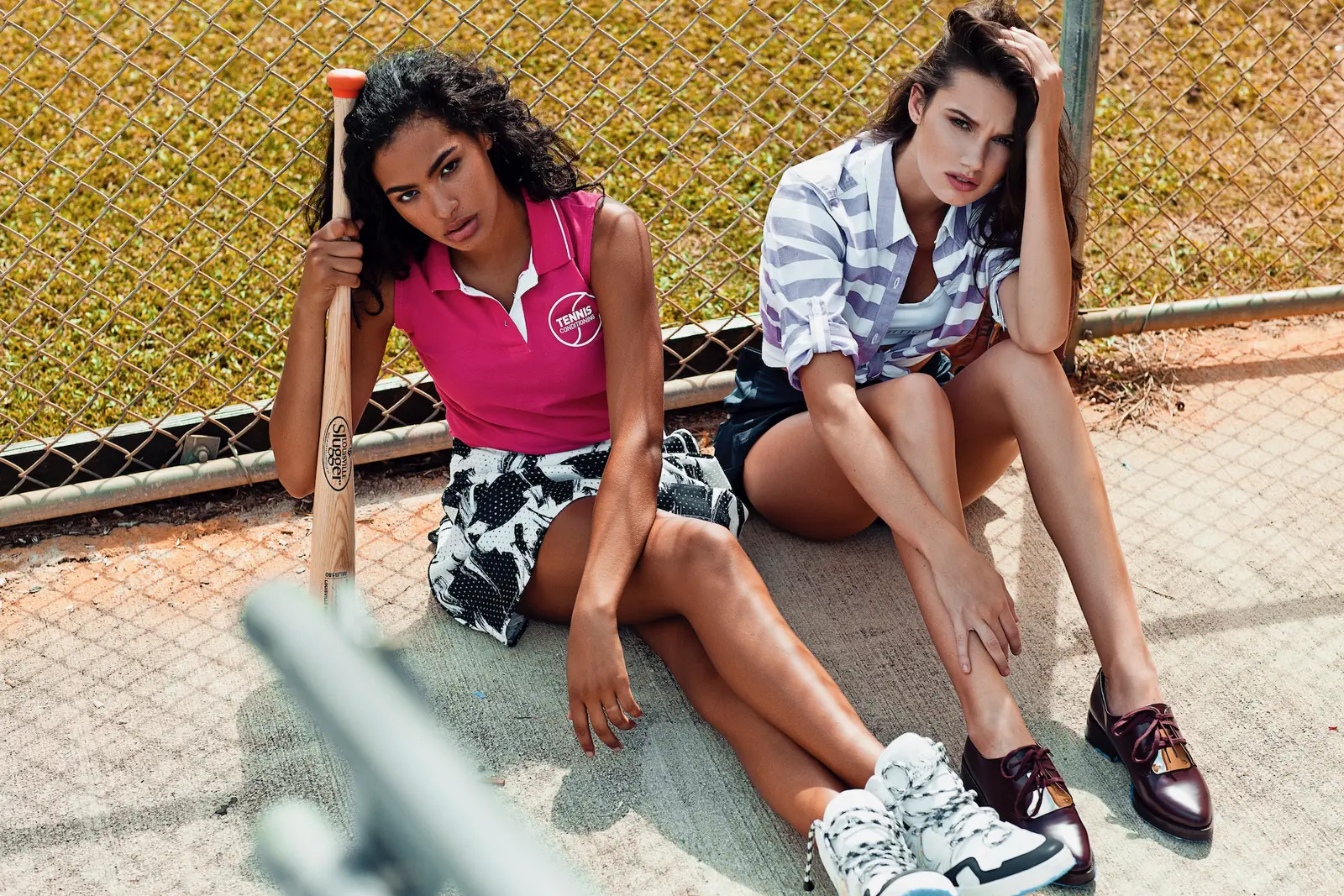
On the court, saturated color and graphic sports references shift the energy. The chain-link fence, painted surface and low camera position make the styling feel sharper. Sport is present as a visual language, but the images are about character rather than competition.
4. A Quiet Basketball Portrait
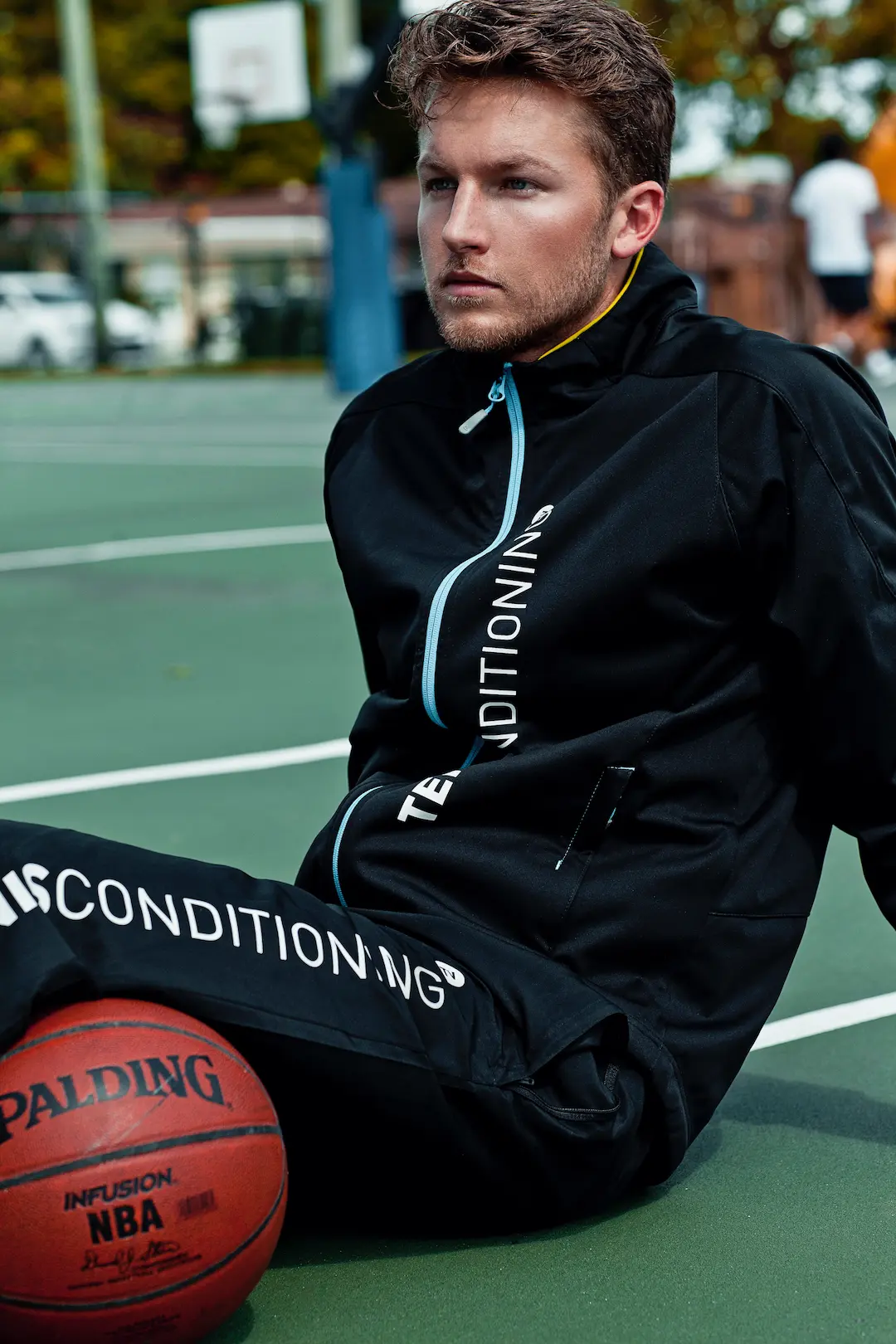
The single portrait creates a necessary pause in a story built largely around group interaction. A dark tracksuit and restrained pose bring the focus back to line, expression and silhouette. That quieter frame prevents the sequence from relying on constant movement for impact.
5. Tennis-Inspired Precision
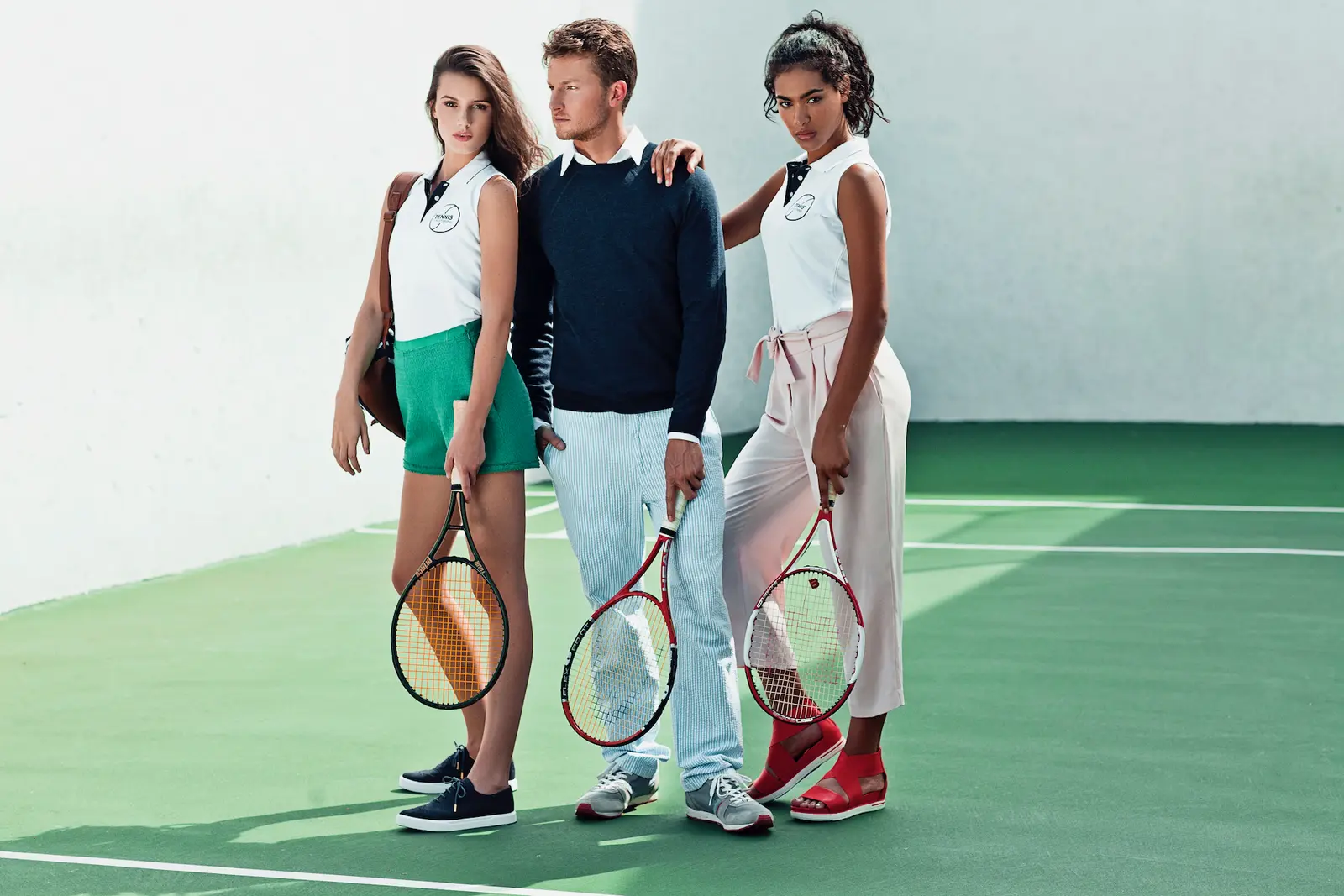
The tennis chapter is the cleanest and most controlled part of the editorial. White, navy and green create a crisp palette, while the rackets give the models a shared prop and a reason for their gestures. Because the styling references tennis without copying a traditional uniform, the scene remains fashion-led.
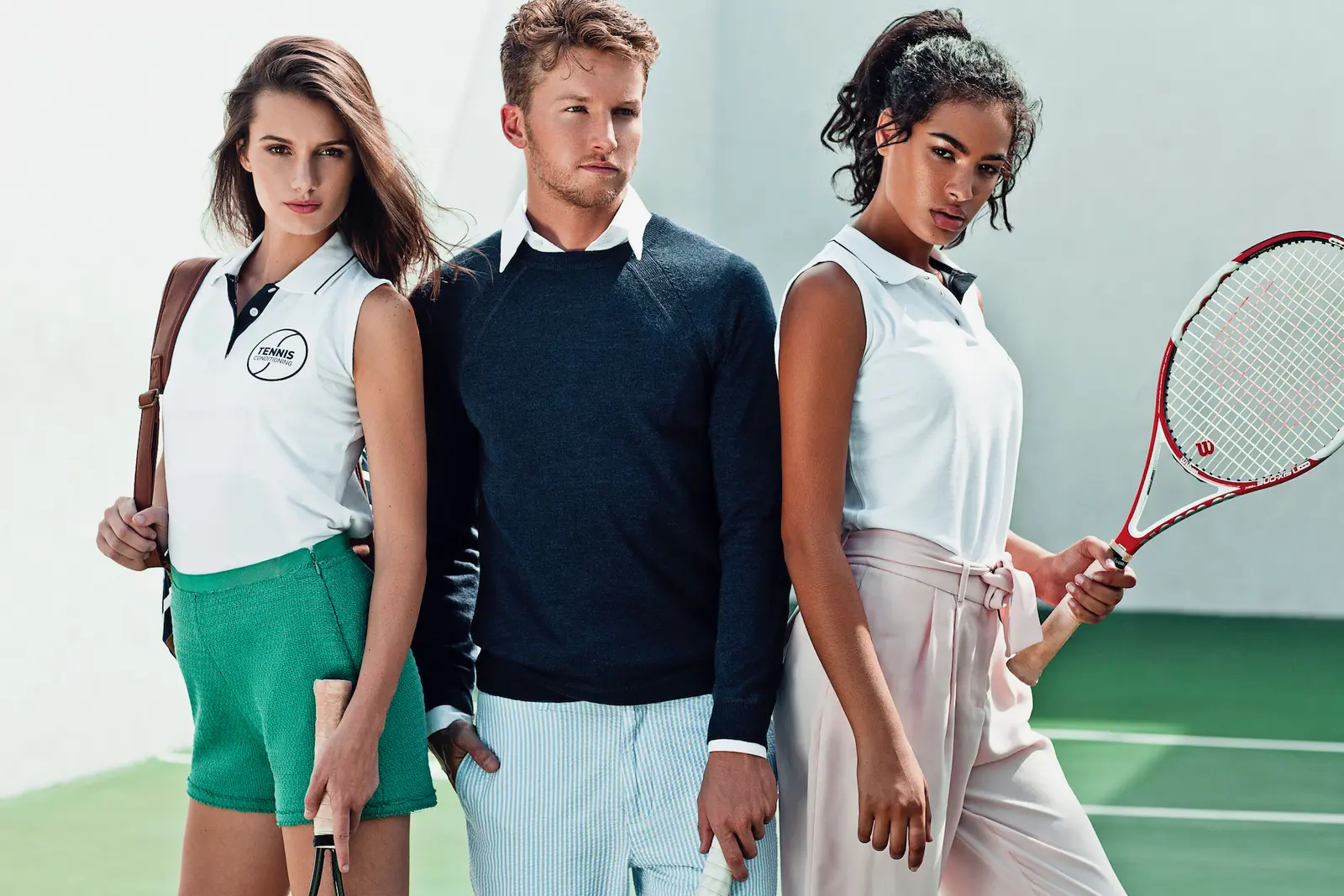
Inclusive Casting Works Best When Everyone Has a Role
Diversity becomes visually meaningful when each person is treated as a character, not as evidence for a claim. This editorial gives the models different silhouettes, gestures and levels of intensity. Their individuality is visible, while repeated colors and shared locations keep the series cohesive.
That distinction matters. Inclusive fashion imagery can become superficial when the cast is diverse but the creative direction makes everyone interchangeable. Here, the strongest frames allow contrast: softness beside confidence, stillness beside movement and tailored sports references beside relaxed layers.
Our inclusive beach fashion editorial in Miami explores the same principle through a softer palette and a more minimal environment.
Why the Styling Holds Together
The wardrobe moves between denim, knit layers, cropped tops, track pieces and tennis-inspired separates. On paper, that range could fragment the story. Three choices keep it coherent:
- Repeated neutrals: black, white, navy and muted green recur across different looks.
- Consistent footwear: sneakers connect the lifestyle and sport chapters.
- Controlled contrast: brighter pinks and court whites appear as accents rather than competing palettes.
The styling also respects movement. Clothes can be sat in, leaned against, walked in and posed with. That practical quality supports the editorial’s underlying idea: comfort does not have to dilute visual impact.
Directing a Group Without Losing Individuality
Group fashion photographs often fail in one of two ways: everyone performs the same pose, or the frame becomes visually chaotic. The strongest images in this story use a hierarchy. One model may face the camera while another turns away; one figure anchors the composition while the others create diagonals. The result feels connected without becoming symmetrical or static.
For emerging models, this kind of range is also valuable portfolio evidence. It shows the ability to work alone, interact with others and adapt expression to different visual environments. Our guide to building an agency-ready modeling portfolio explains how to turn that range into a focused book.
Watch the Miami Outdoor Fashion Editorial
The accompanying video brings the locations, styling and ensemble energy together in motion.
Editorial Credits
- Photography: Diana Santisteban
- Creative Direction: Phil Halfmann
- Lead Wardrobe Stylist: Sophia Lenore
- Lead Hair & Makeup Artist: Sophia Lenore
- Models: Dave Hayes, Hailey Outland and Marissa Hopkins
Continue Exploring Fashion Editorials
See how a harder architectural setting changes the same genre in Miami Graffiti Fashion Editorial: Four Looks Built on Contrast. If you are developing a story for publication, use our Fashion Editorial Submission Guide to refine the concept, credits and final delivery before you approach magazines.