
An agency-ready modeling portfolio is not a folder of your most glamorous photographs. It is a concise, current sales tool that helps an agent or client understand your look, proportions, movement, expression and bookable range quickly.
That distinction matters. New models are often told to buy a large portfolio before contacting an agency, yet many reputable agencies initially ask for simple, unretouched digitals instead. A polished book becomes valuable when it is built for a defined market and adds evidence that your digitals cannot show: how you perform on set, interpret direction and carry different kinds of work.
This guide explains how to build a modeling portfolio strategically, from choosing a market and creating digitals to planning test shoots, selecting final images and presenting your book online or in print.
First, Know the Difference: Digitals, Portfolio and Comp Card
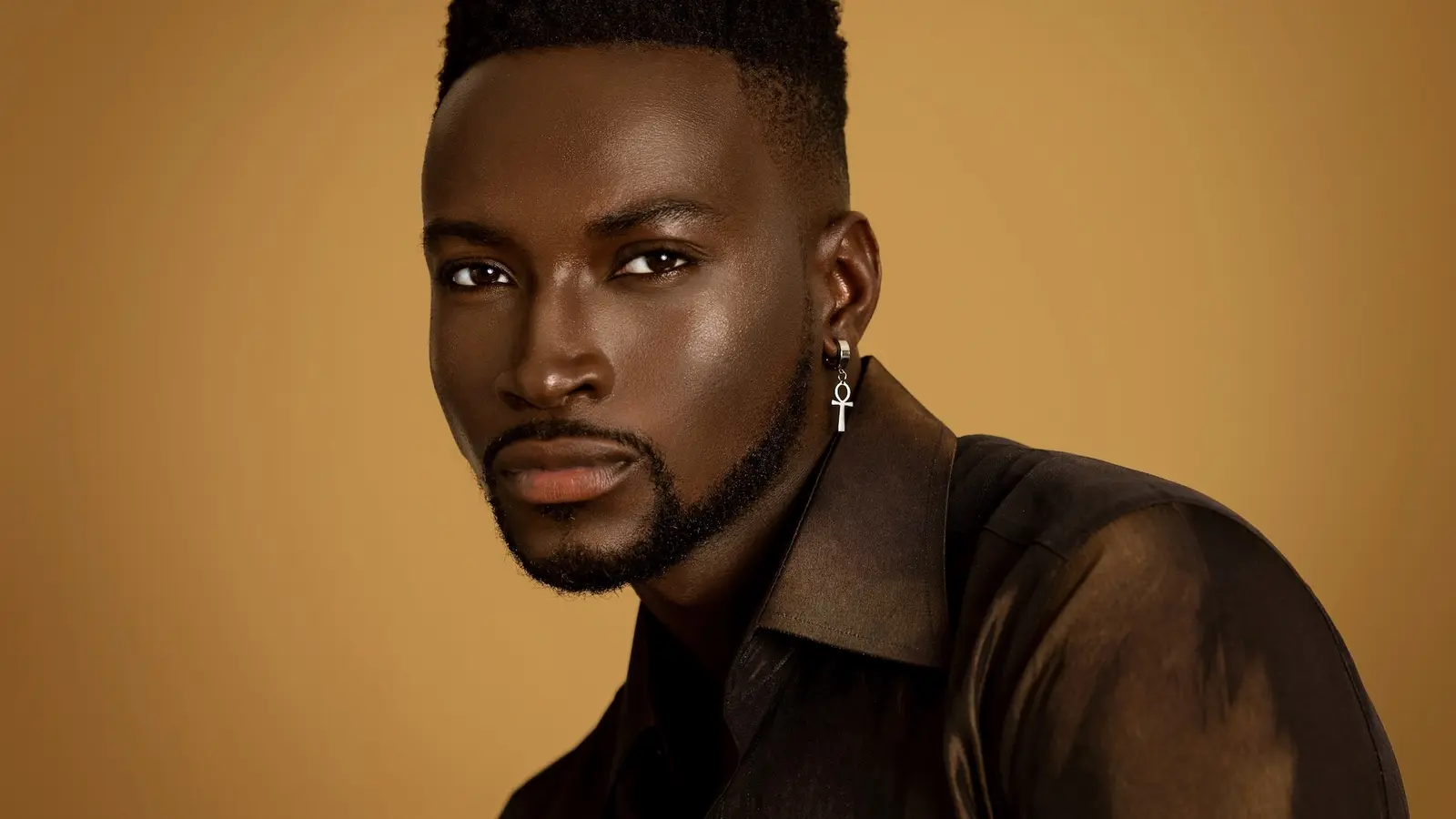
These three tools serve different purposes:
- Digitals or polaroids are straightforward, lightly styled photographs that show what you currently look like. Agencies may request a close-up, profile, three-quarter and full-length view, along with accurate measurements.
- A modeling portfolio, often called a book, is a selective sequence of professional images that demonstrates performance, versatility and relevance to a target market.
- A comp card is a compact promotional card with a hero image, several supporting photographs, measurements and contact or agency information.
Do not substitute heavily retouched editorial images for digitals. Equally, do not expect plain digitals to demonstrate the creative range of a developed portfolio. Check every agency’s current submission page before applying because requested images, file sizes and measurements vary.
Step 1: Define the Work You Want to Book
A generic portfolio usually becomes a collection of disconnected good photographs. An agency-ready modeling portfolio is built backward from a commercial goal. Decide which market is most realistic for your look, skills, location and experience.
- Editorial and fashion: strong silhouette, movement, character and the ability to interpret a creative concept.
- Commercial and lifestyle: warmth, natural interaction, believable expressions and relatable situations.
- Beauty: close-up control, clean skin detail, facial symmetry and subtle expression changes.
- Fitness: athletic movement, form, physique and credibility within the activity shown.
- E-commerce: consistent posing, garment awareness and the ability to repeat movements efficiently.
Runway ability is important, but it is not a separate photo-portfolio category. Agencies usually assess it through your walk, posture, proportions, experience and, increasingly, short video. If runway is your goal, practice your walk and prepare the requested video rather than filling your book with images that merely imitate a runway.
Step 2: Research Agencies Before Paying for a Shoot
Build a shortlist of legitimate agencies in markets you can realistically work in. Study their current model boards, the brands their talent books and their official submission requirements. Then look for gaps your portfolio should address.
A legitimate application should lead through the agency’s official website or a verified open call. Be cautious when someone guarantees representation, pressures you to pay immediately or insists that one specific paid service is the only route to consideration. Representation and portfolio development are related, but they are not the same purchase.
For a clearer view of contracts, castings and professional expectations, read Modeling: Understanding the Business Aspect.
Step 3: Create Accurate, Current Digitals
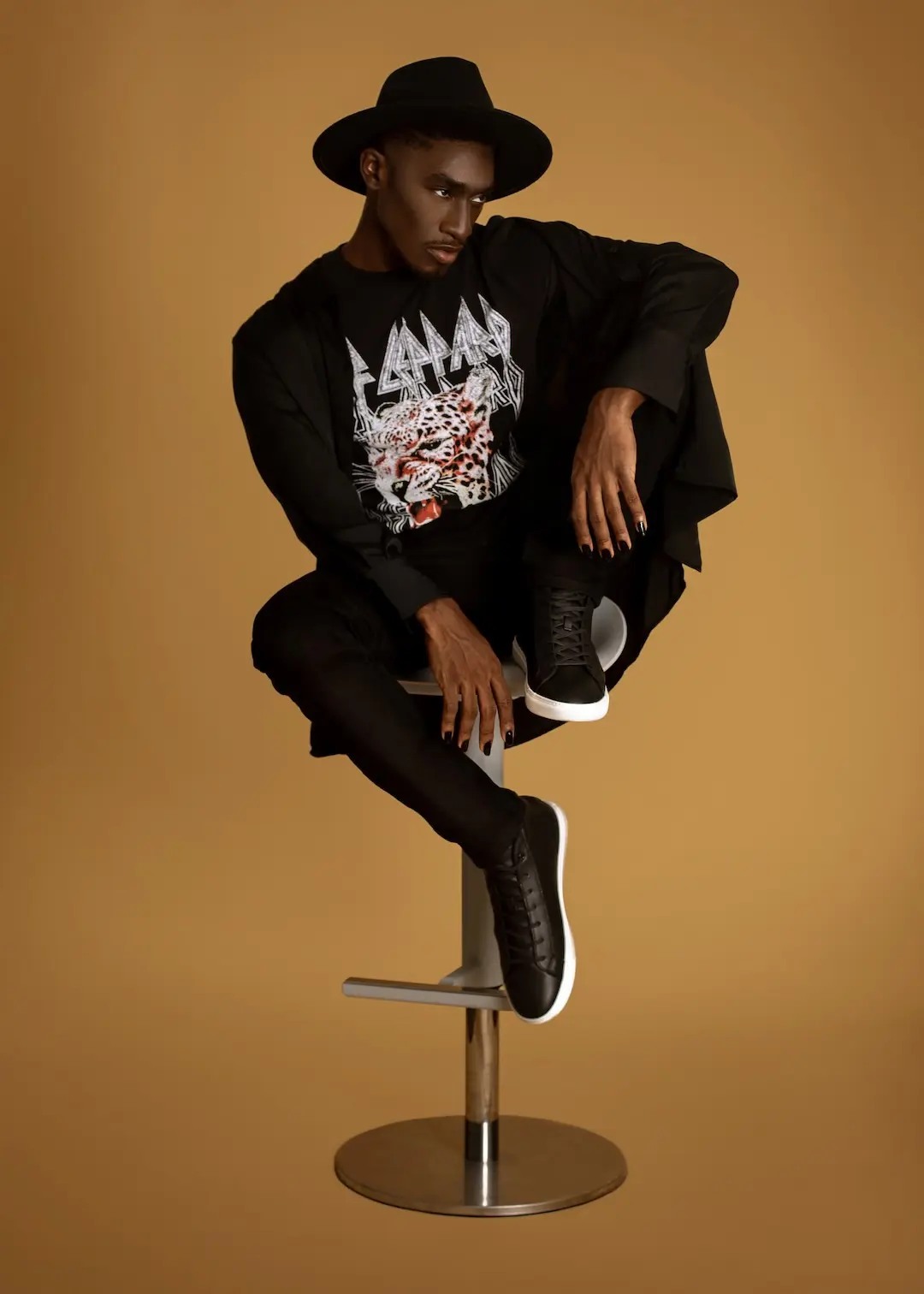
Before commissioning an elaborate shoot, produce a clean set of digitals. Use even daylight or soft studio light, a plain background, fitted clothing and minimal styling. Keep retouching to basic exposure and color correction; do not reshape features, alter skin texture or change body proportions.
Record your measurements on the same day. Depending on the agency and market, this may include height, chest or bust, waist, hips, inseam, shoe size, hair color and eye color. Accuracy is more professional than presenting idealized numbers that will not match you at a casting.
Step 4: Choose the Right Portfolio Photographer
The right photographer is not simply the person with the most dramatic Instagram feed. Look for work that matches your intended market, consistent results across different faces and skin tones, controlled retouching and clear evidence that the photographer can direct models.
Before booking, confirm the creative scope, number of looks, team, deliverables, turnaround time, retouching approach and usage rights in writing. Ask who selects the final images and whether additional retouched files can be purchased. The cheapest session can become expensive when the work does not fill a genuine gap in your book.
Use our detailed guide to choosing the right model portfolio photographer, then review how a professional photoshoot works before production day.
Step 5: Plan a Test Shoot With a Job for Every Look
Every look should solve a portfolio problem. One might provide a clean beauty close-up; another might show full-body fashion movement; a third might demonstrate approachable commercial energy. If two looks communicate the same styling, crop and emotion, one is probably redundant.
Create a simple shot list that includes:
- A clean headshot with direct eye contact.
- A three-quarter portrait with natural expression.
- A full-length image that shows posture and proportions.
- A movement frame that proves body awareness.
- A commercial or lifestyle image, if relevant to your market.
- A beauty close-up or editorial image only when it supports your target work.
A test shoot can be paid or collaborative. TFP is not automatically free labor or automatically low quality; it is a negotiated exchange in which everyone should understand the concept, credits, image selection, delivery and permitted usage. Read our TFP photoshoot guide before agreeing to a collaboration.
Step 6: Keep Wardrobe, Grooming and Styling Strategic
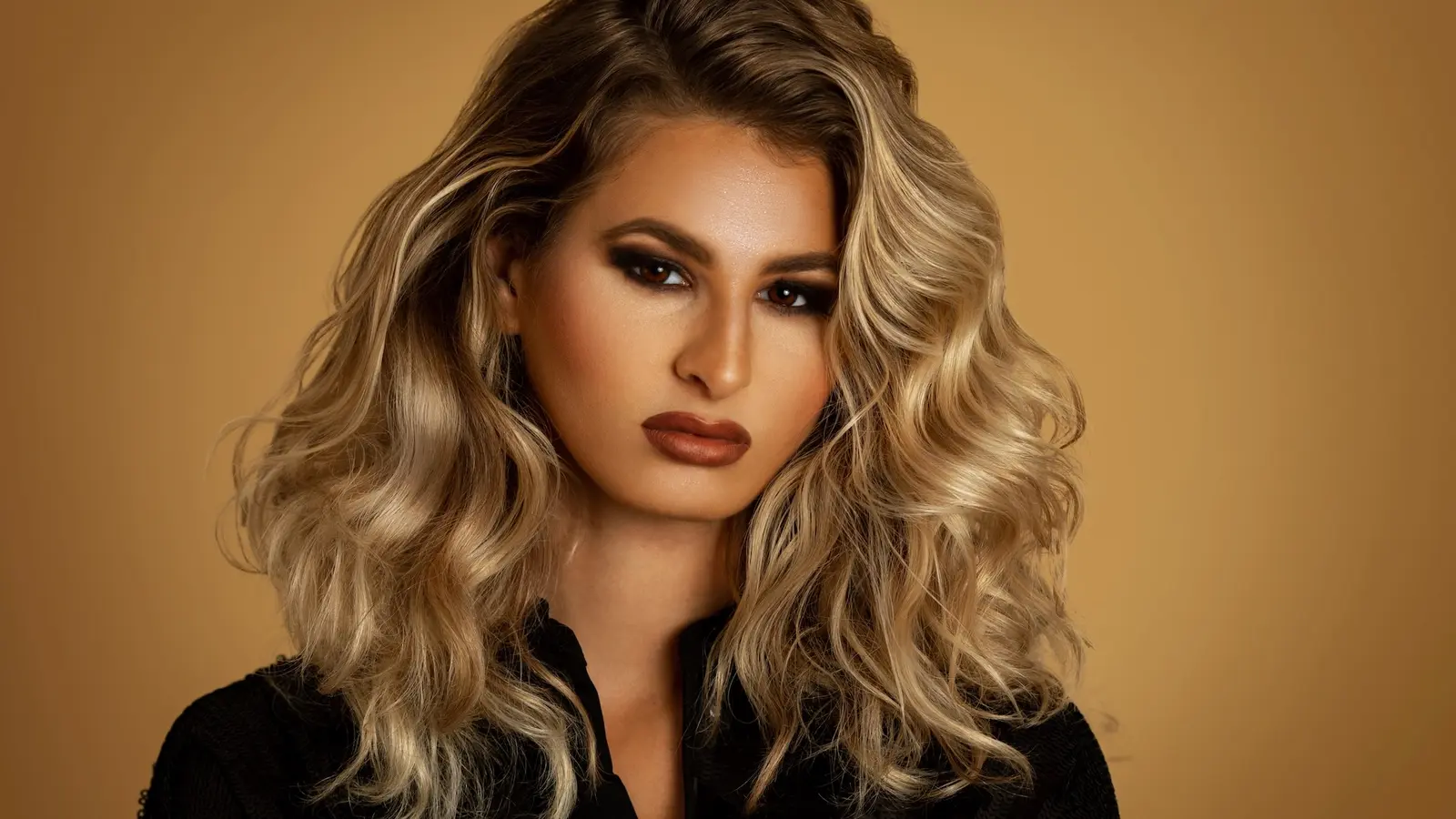
Wardrobe should clarify your casting potential rather than compete with you. Bring clean, well-fitting basics, suitable shoes and market-specific options agreed in advance. Avoid visible logos unless the concept calls for them. Grooming should be precise, while hair and makeup should still allow an agent or client to recognize you.
Editorial styling can add value once the essentials are covered. It should show that you can inhabit a creative world without losing your own presence. Our studio fashion editorial case study shows how distinct visual chapters can still form one coherent story.
Step 7: Perform for Variety, Not Randomness
Range does not mean changing outfits repeatedly. It means changing what you communicate. Practice shifts in posture, eye line, hand position, facial tension, pace and energy. Listen to direction, then make small controlled adjustments so the photographer can build a useful sequence.
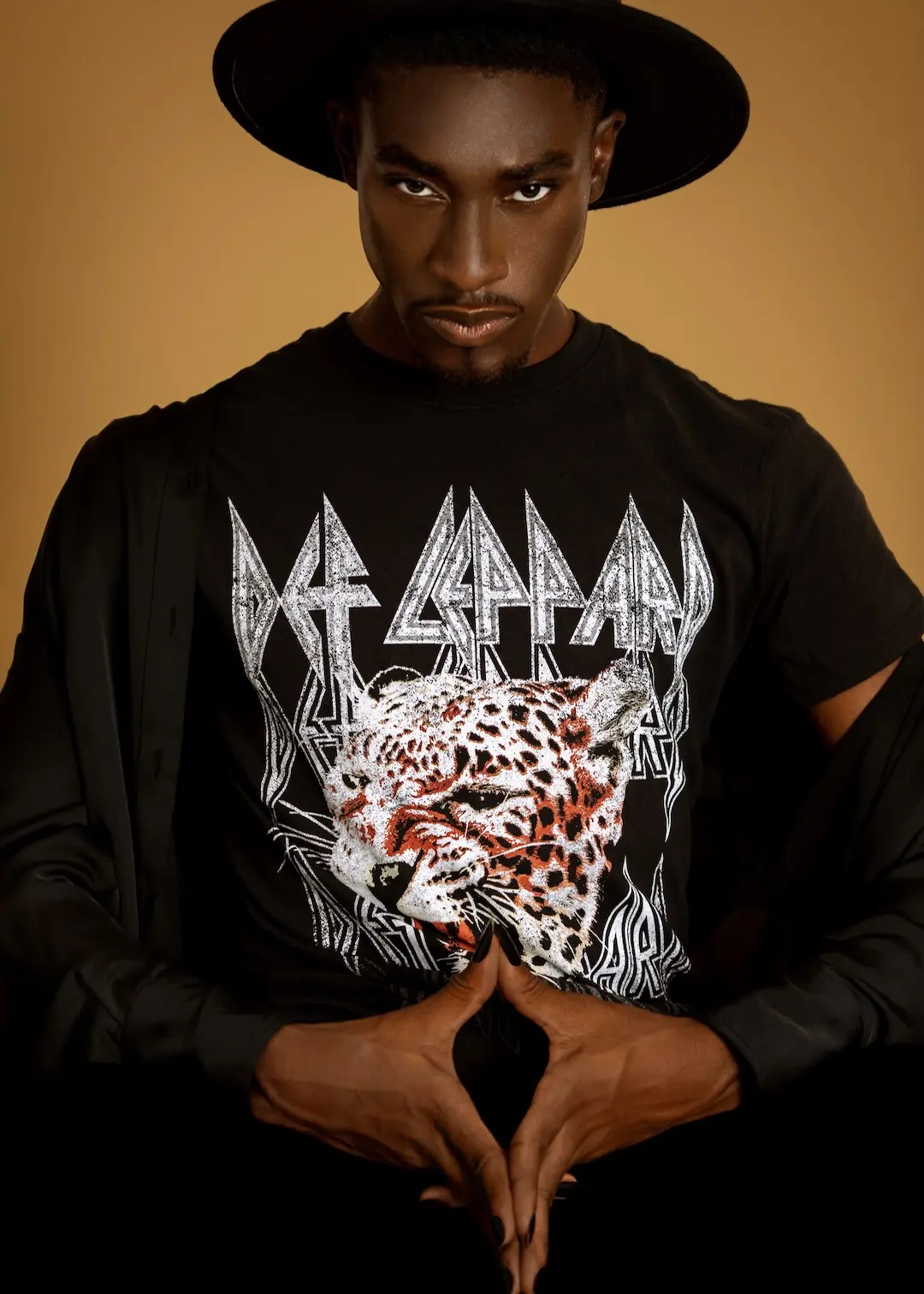
On set, ask what each frame is meant to prove. A strong photographer or creative director should be able to answer. This keeps the session focused and makes final selection much easier.
Step 8: Edit Ruthlessly
A concise portfolio is stronger than a long one with repeated poses or uneven quality. There is no universal image count: a developing model may need only a small edit, while an established model’s book may be adapted for different clients and markets.
When selecting, prioritize:
- A powerful opening image that reads immediately.
- Clear variation in crop, styling, expression and energy.
- Consistent professional quality across the entire sequence.
- Recent images that still represent your appearance.
- A final image that leaves a distinct impression.
Remove weaker work even if the shoot was expensive or personally meaningful. Sunk cost is not a reason to keep an image that lowers the standard of the book.
Step 9: Build Digital, Print and Video Versions
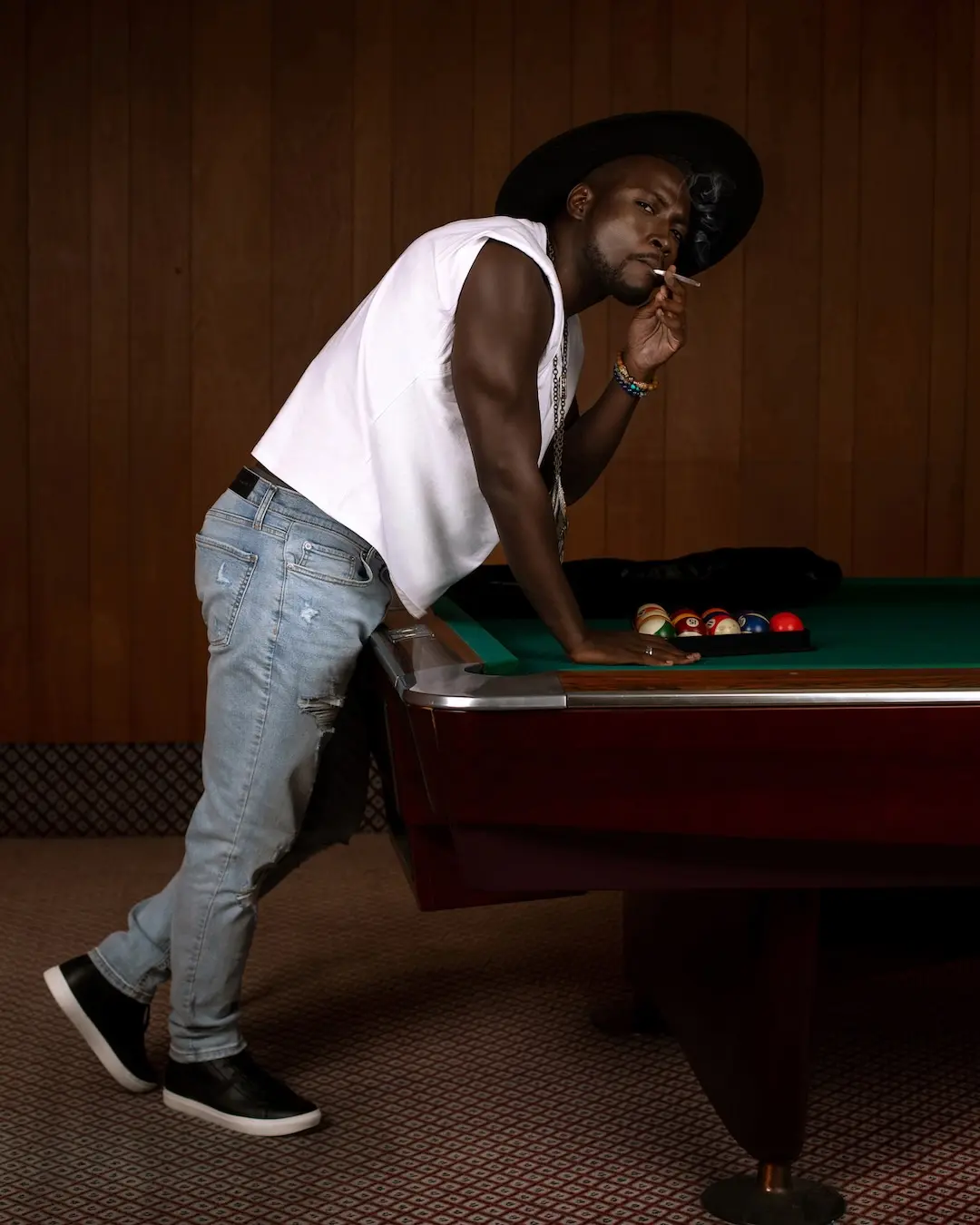
Your digital portfolio should load quickly on mobile, use large clean images and make your name, measurements, location, representation and contact route easy to find. Do not upload enormous files that slow the experience or use galleries that crop faces unpredictably.
A printed book remains useful when an agency or casting specifically requests one. Keep it easy to update rather than permanently binding images that will soon become dated. A short movement or walk video can complement the still portfolio, but it should not be buried inside an autoplay-heavy page.
If publication is part of your development plan, keep your model book separate from the files, credits and permissions a magazine needs. Use our fashion editorial submission guide to prepare that material without turning your portfolio into a submission archive.
Step 10: Update the Portfolio as Your Market Changes
Review your book whenever your appearance changes materially, you enter a new market or stronger published work becomes available. Update digitals more frequently than elaborate portfolio images because they are meant to represent your current appearance.
Ask your agent which gaps matter before arranging another shoot. More content is not automatically more useful. The goal is a clearer argument for why you should be booked.
Agency-Ready Modeling Portfolio Checklist
- Target market and location are defined.
- Agency submission requirements have been checked directly.
- Digitals and measurements are accurate and current.
- Every planned look fills a specific portfolio gap.
- Photographer, team, deliverables and usage terms are confirmed in writing.
- The final edit avoids duplicate poses, crops and expressions.
- Retouching preserves recognizable skin, features and proportions.
- Digital portfolio is fast, mobile-friendly and easy to contact from.
- Print book and walk video are prepared only when relevant.
- Portfolio is reviewed regularly with an agent or trusted industry professional.
Frequently Asked Questions
Do I need professional photos before applying to a modeling agency?
Not always. Many agencies initially request simple digitals and measurements. Follow the instructions on each agency’s official submission page before paying for portfolio production.
How many photos should a modeling portfolio contain?
There is no universal number. Use the smallest set that demonstrates your current look, strongest work and relevant range without repetition. Quality and market relevance matter more than volume.
Should modeling portfolio photos be retouched?
Professional color and skin finishing can be appropriate, but the model must remain recognizable. Avoid reshaping the face or body and removing all natural skin texture.
Can I build a modeling portfolio with TFP shoots?
Yes, when the creative team, concept and expected quality align with your needs. Agree on image selection, delivery, credits and usage in writing before the shoot.
How often should I update my modeling portfolio?
Update it when your appearance changes, your target market shifts or stronger work replaces weaker images. Digitals should always reflect how you look now.
Final Takeaway
An agency-ready modeling portfolio is evidence, not decoration. Start with truthful digitals, define the work you want, plan each test with a purpose and edit harder than feels comfortable. The result should let an agent or client understand your potential in seconds—and give them a reason to keep looking.
Credits
Photographer: Phil Halfmann
Creative Director, Wardrobe Stylist and Hair Stylist: Sophia Lenore
Makeup Artist: Aida
Models: Troy, Sophia and Stevenson