The business side of modeling is what turns a promising look into a sustainable career. Learn what clients, agencies and creative teams expect—from preparation and contracts to on-set performance and rebooking.
Modeling is creative work, but it is also a service business. A strong model does more than look convincing in a single frame: they arrive prepared, interpret direction, create useful variations and help the production finish on time. Those habits make a model easier to book—and easier to rebook.
This guide explains the business side of modeling from a photographer’s perspective. It is not a promise of bookings or income. Markets, agencies and contracts differ, so models should obtain independent professional advice before signing an agreement they do not understand.
Why Modeling Is A Service Business
The end client is usually paying to communicate something: how a garment moves, how a beauty product feels, who a brand is for or why a campaign deserves attention. The model’s job is to translate that brief into believable images or motion—not to dominate the concept.
That does not mean sales can be attributed to one model or one photograph. Campaign results also depend on the product, offer, media placement, audience, distribution and timing. The useful standard is simpler: did the model help the team create on-brief assets efficiently, safely and consistently?
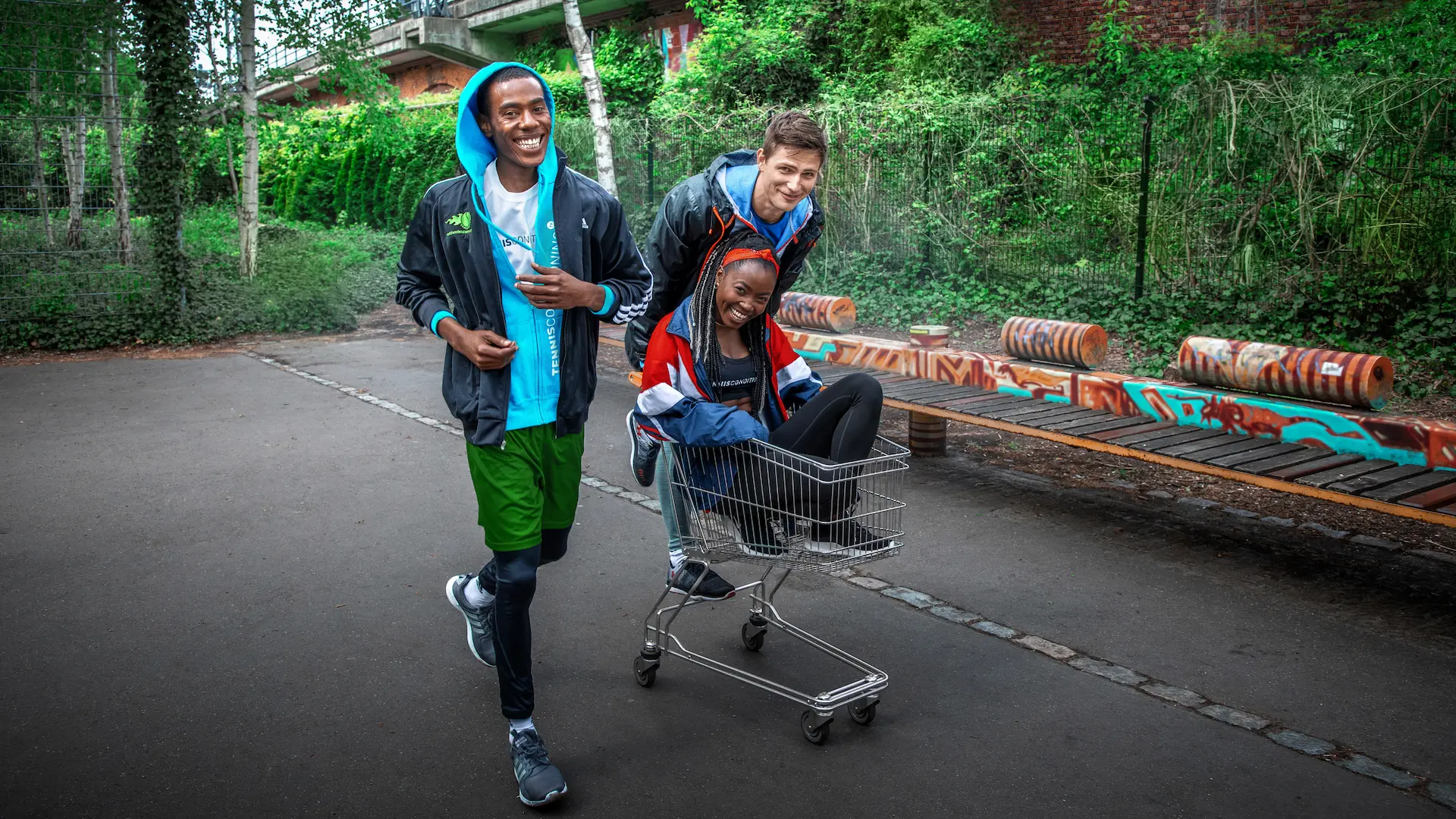
New Face Vs. Professional Model: The Practical Difference
A new face is a developing model, often at the beginning of agency representation or portfolio building. “New” does not mean unprofessional. It means the model is still building camera awareness, movement vocabulary and an understanding of production.
An experienced professional tends to deliver more repeatable results with less direction. They can hold continuity across frames, adjust movement by small degrees, remember garment details and change expression without losing the lighting or composition.
| Skill | Developing Model | Experienced Professional |
|---|---|---|
| Direction | Needs clear demonstrations and feedback | Translates short notes into precise changes |
| Movement | Builds a reliable pose vocabulary | Creates controlled variations while maintaining continuity |
| Pacing | May need more time to settle into a look | Understands when the team has the shot and can move on |
| Set awareness | Learns marks, light, garment care and workflow | Tracks those details without losing performance |
| Business habits | Develops communication and record-keeping systems | Confirms terms, call times and deliverables consistently |
What Clients Actually Pay For
Clients are not only paying for time in front of a camera. They are paying for dependable execution within a larger production. A commercially valuable model helps deliver:
- Brief accuracy: the agreed mood, audience and product remain visible in the performance.
- Usable variation: the team receives enough expressions, movements and crops for the intended channels.
- Continuity: posing, wardrobe and product handling remain consistent when a sequence requires it.
- Efficiency: the model is prepared, punctual and responsive, reducing avoidable overtime.
- Professional collaboration: the model communicates respectfully with photography, styling, beauty, production and other talent.
Rebooking usually comes from the whole experience—not one dramatic frame. The final images must work, but so must communication before the shoot, conduct on set and follow-through afterward.
Contracts, Rates And Image Usage
Before accepting a job, a model or their representative should understand the scope in writing. Important questions include:
- Who is the client, agency and production company?
- What are the shoot date, location, hours and expected call time?
- What is the fee, when is payment due and how is overtime handled?
- Where will the images or video appear—organic social, paid advertising, e-commerce, print, outdoor or broadcast?
- How long and in which territories may the client use the work?
- Is there category exclusivity that could restrict other jobs?
- Are travel, fittings, cancellations or weather holds covered?
Usage can materially affect the value of a booking. A one-day editorial and a global advertising campaign are not equivalent simply because both require one shoot day. Keep copies of releases, vouchers, emails and payment records. If language is unclear, ask the agency or a qualified adviser before agreeing.
Professional Conduct On Set

Good set etiquette protects both the work and the people making it. Confirm the call sheet, arrive ready, disclose relevant limitations before the shoot and speak up when something differs from the agreed scope. Models should be able to ask who is present, how changing areas are handled and whether a closed set is available when appropriate.
Photographers and clients also carry responsibility. Direction should be specific and respectful; touching should never replace verbal direction without consent; and changes involving wardrobe, nudity, intimacy or risk require explicit agreement. Professionalism is reciprocal.
Before The Shoot
- Confirm the brief, mood board, wardrobe expectations, location and transport.
- Ask what to bring and whether skin, hair or nail preparation is required.
- Provide accurate measurements and current digitals.
- Save the production contact and arrive with enough time to check in.
During The Shoot
- Listen through the complete direction before changing the pose.
- Make small, controlled variations so the editor has meaningful choices.
- Protect garments and products; ask before eating, drinking or sitting in wardrobe.
- Keep a constructive tone, even when the day is demanding.
After The Shoot
- Return wardrobe or products exactly as instructed.
- Submit vouchers, invoices or tax paperwork promptly.
- Do not post behind-the-scenes material before the client permits it.
- Track payment dates and usage you can observe without assuming unlicensed use.
Portfolio And Agency Readiness
A portfolio should prove range without becoming a scrapbook. Start with clean digitals, a strong headshot, a full-length image and a concise selection showing different expressions, styling levels and types of work. Ten relevant images can communicate more than thirty repetitive ones.
For a detailed structure, read our agency-ready modeling portfolio guide. Before commissioning new work, compare photographers by consistency, safety, relevance and communication—not follower count alone. Our guide to choosing a model portfolio photographer explains what to review.
Testing can be useful when everyone receives genuine portfolio value and the agreement is clear. Learn how responsibilities, usage and expectations differ in a TFP photoshoot.

A Modeling Business Checklist
- Define your market. Fashion, commercial, beauty, fitness, parts and e-commerce work ask for different strengths.
- Maintain current materials. Keep measurements, digitals, portfolio, comp card and contact information accurate.
- Verify the opportunity. Confirm the client, representatives, location, terms and people involved.
- Understand the agreement. Review fees, expenses, usage, exclusivity, cancellation and payment timing.
- Prepare for the brief. Research the brand, practice relevant movement and arrive with requested items.
- Deliver professionally. Be punctual, directable, respectful and aware of continuity.
- Keep records. Save signed documents, invoices, correspondence and payment details.
- Review each job. Identify what created value, what slowed production and what to improve before the next booking.
Frequently Asked Questions
Do Models Need An Agency To Work Professionally?
No, but a reputable agency can provide access to clients, negotiate terms, manage bookings and help develop a model for the right market. Independent models must handle those business functions themselves and verify clients carefully.
What Makes A Model Rebookable?
Reliable communication, punctuality, relevant performance, consistency, respect for the team and the ability to deliver the brief efficiently all matter. Appearance may earn initial interest; dependable execution builds repeat work.
Should A New Model Pay For A Portfolio?
Sometimes, but not automatically. First identify what images are missing and whether the photographer’s work fits the intended market. A paid test should have transparent pricing, deliverables and usage terms. Avoid anyone guaranteeing representation or bookings.
Can A Model Post Shoot Images Immediately?
Not unless the agreement or client permits it. Campaigns and editorials may have embargo dates. Ask before posting finished images or behind-the-scenes content.

Build Work That Shows What You Can Deliver
If you are developing an editorial concept with a complete creative team, review our fashion editorial submission guide before sending your story. It explains the image, credit, cohesion and rights information editors need.
Professional models should also understand how commissioned images may be used. Phil Halfmann’s photography licensing guide explains the commercial side from the client and production perspective.