A successful fashion magazine submission is not simply a folder of strong photographs. It is a complete editorial package: a relevant story, a deliberate sequence, accurate credits, technically correct files and terms the full creative team understands.
This fashion editorial submission guide explains how photographers, models, stylists, designers and creative teams can prepare work for independent magazines, digital publications and curated platforms in 2026. It also addresses the part that many guides avoid: a publication credit can be useful, but it does not automatically create credibility, clients or career momentum.
The real objective is to place the right story with the right publication under terms that support the work and the people who made it.
What fashion magazine editors actually look for
Editors do not review photographs in a vacuum. They consider whether a story fits the publication, its audience, the current issue and the available space. Technical polish matters, but relevance and editorial clarity often decide whether polished work is usable.
A strong submission usually demonstrates five things quickly:
- Publication fit: The concept belongs in this magazine rather than being sent indiscriminately to dozens of titles.
- A coherent point of view: Styling, casting, location, light, color and retouching support one recognizable idea.
- Editorial range: The sequence includes establishing frames, full looks, medium portraits, details and visual transitions without becoming repetitive.
- Professional completion: Credits, releases, wardrobe details and filenames are accurate before the editor has to ask.
- Usable rights: The submitting person has permission to offer the work and understands any exclusivity or embargo.
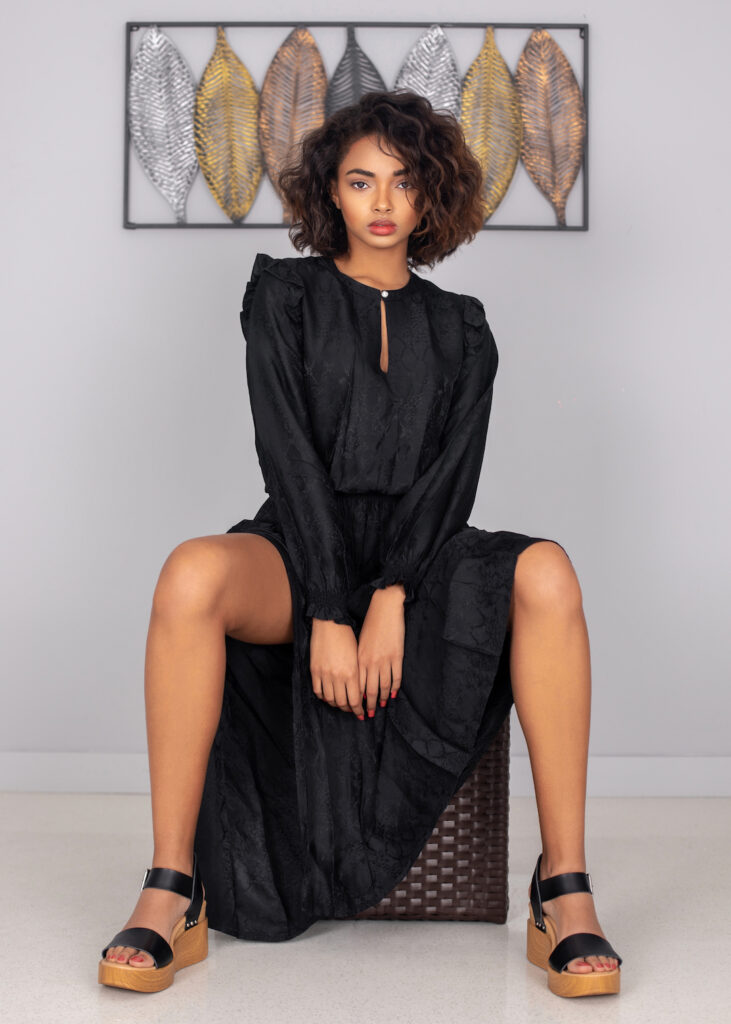
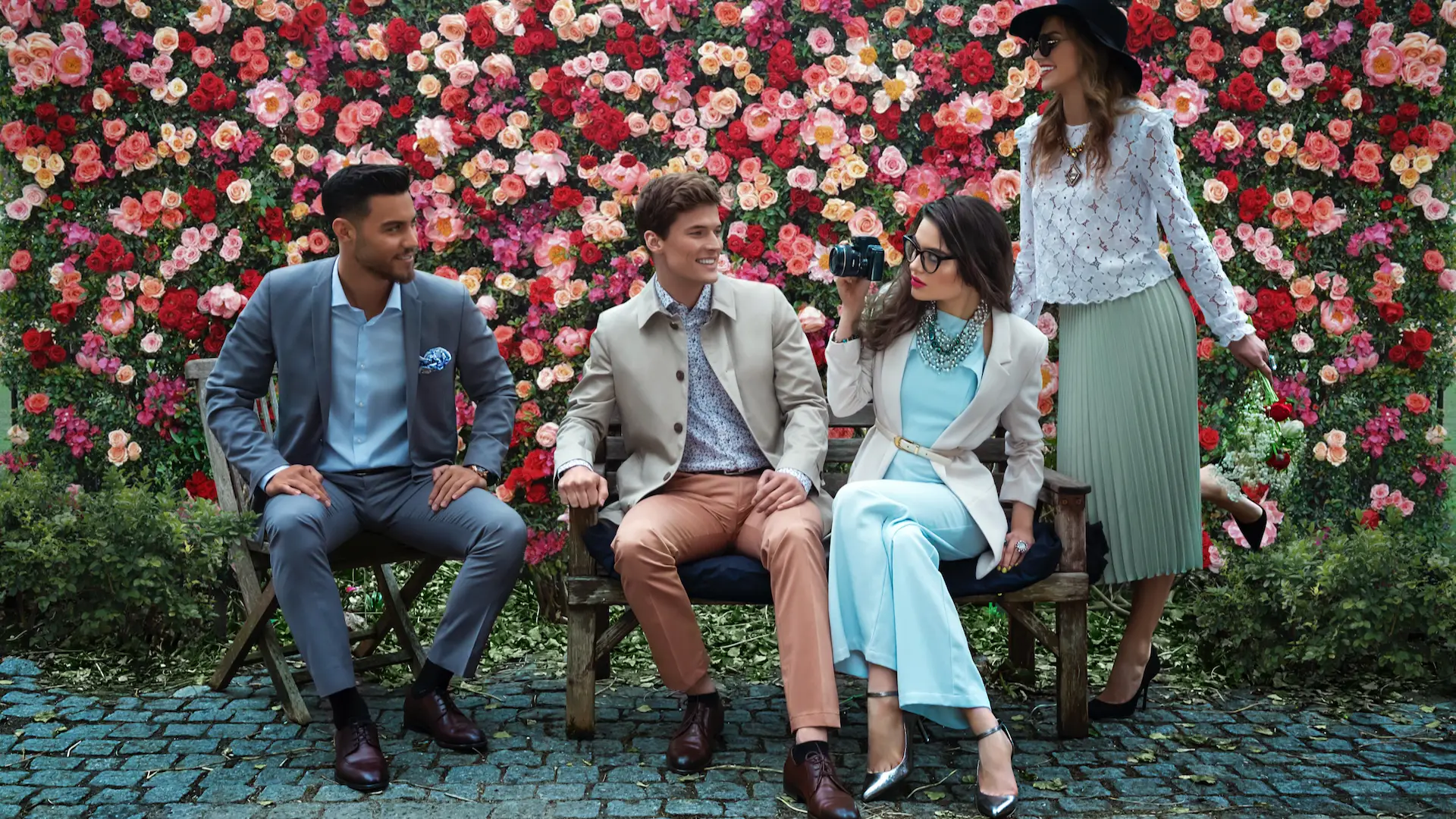
Production value alone cannot rescue a weak fit. Conversely, a relevant and distinctive story can be more attractive than a technically elaborate shoot that feels interchangeable. If you want to see how separate looks can become one coherent narrative, study this breakdown of a studio fashion editorial photoshoot.
Behind the scenes: editorial results depend on coordination across concept, styling, talent, beauty and photography—not only the final shutter click.
How to choose the right publication
Start with editorial compatibility, not name recognition. Review at least several recent stories from the publication and compare their casting, styling, visual density, retouching, themes and article formats with your work. One attractive cover is not enough evidence of a consistent editorial direction.
Evaluate the opportunity before you submit
- Is the publication active, with recent issues and a functioning website?
- Does it credit full teams clearly and consistently?
- Are published editorials presented at a quality you would be comfortable sharing?
- Does the submission brief state image count, format, deadline, exclusivity and expected response time?
- Can you identify the publisher, editor or business behind the title?
- Are fees and deliverables explained before payment?
- Do the terms clarify copyright, licensing, archive use and removal requests?
Submission platforms such as Kavyar can make open calls easier to discover, while curated communities such as PhotoVogue offer a different model for visibility and editorial selection. Neither replaces research. Always read the live brief and the current terms on the destination itself.
Reality check: “Published” describes an outcome, not the value of the outcome. A searchable feature with careful design, accurate credits and a relevant audience may be useful. A low-quality placement that sells contributors copies, provides no meaningful distribution and takes broad rights may not be.
Build a magazine-ready editorial story
An editorial is not a portfolio sampler. Avoid combining unrelated lighting setups, concepts or wardrobe stories merely to show range. The editor needs to understand the idea and imagine how the series will read across pages or on screen.
Write the concept before selecting the photographs
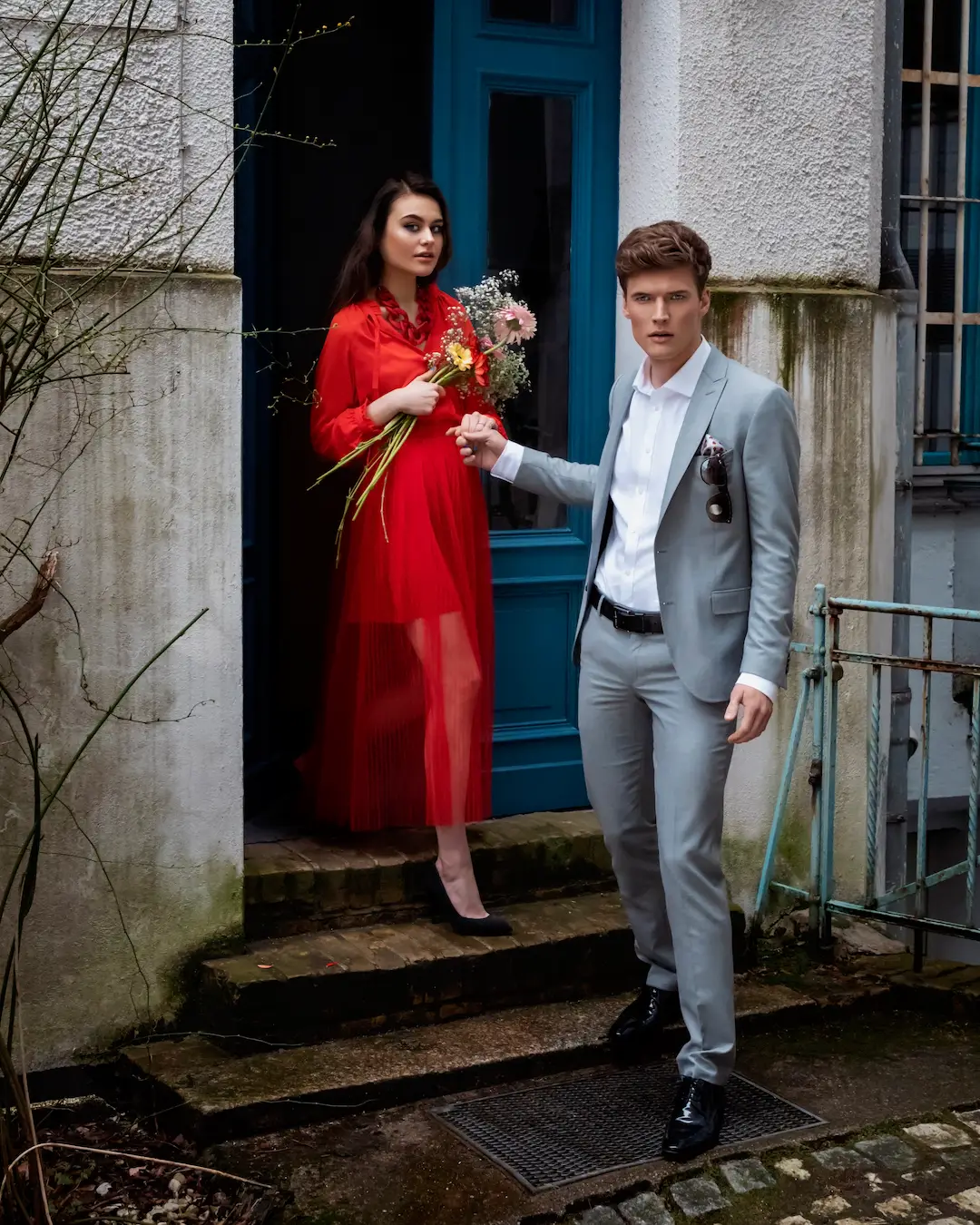
Describe the story in one or two sentences. State what the viewer should feel or notice, then use that statement as an editing test. If an image is beautiful but does not support the concept, leave it out.
Sequence for pace, not chronology
Begin with a frame that establishes the world. Then vary distance, gesture, direction and visual weight. Place similar images apart unless repetition is intentional. Finish with an image that resolves or complicates the opening rather than simply using the last photograph captured on set.
For most open calls, a concise edit is stronger than an inflated one. However, there is no universal “correct” number of images. Submit the count the publication requests. When the brief gives a range, select only the frames needed to make the story complete.
Match the portfolio to your role
A photographer should show control of story, light and consistency. A stylist should make wardrobe progression and credits easy to understand. A model should demonstrate expression and movement without losing the editorial concept. A designer should show the collection clearly while preserving narrative impact. Models preparing their materials can also use this agency-ready modeling portfolio guide.
What belongs in a fashion magazine submission package
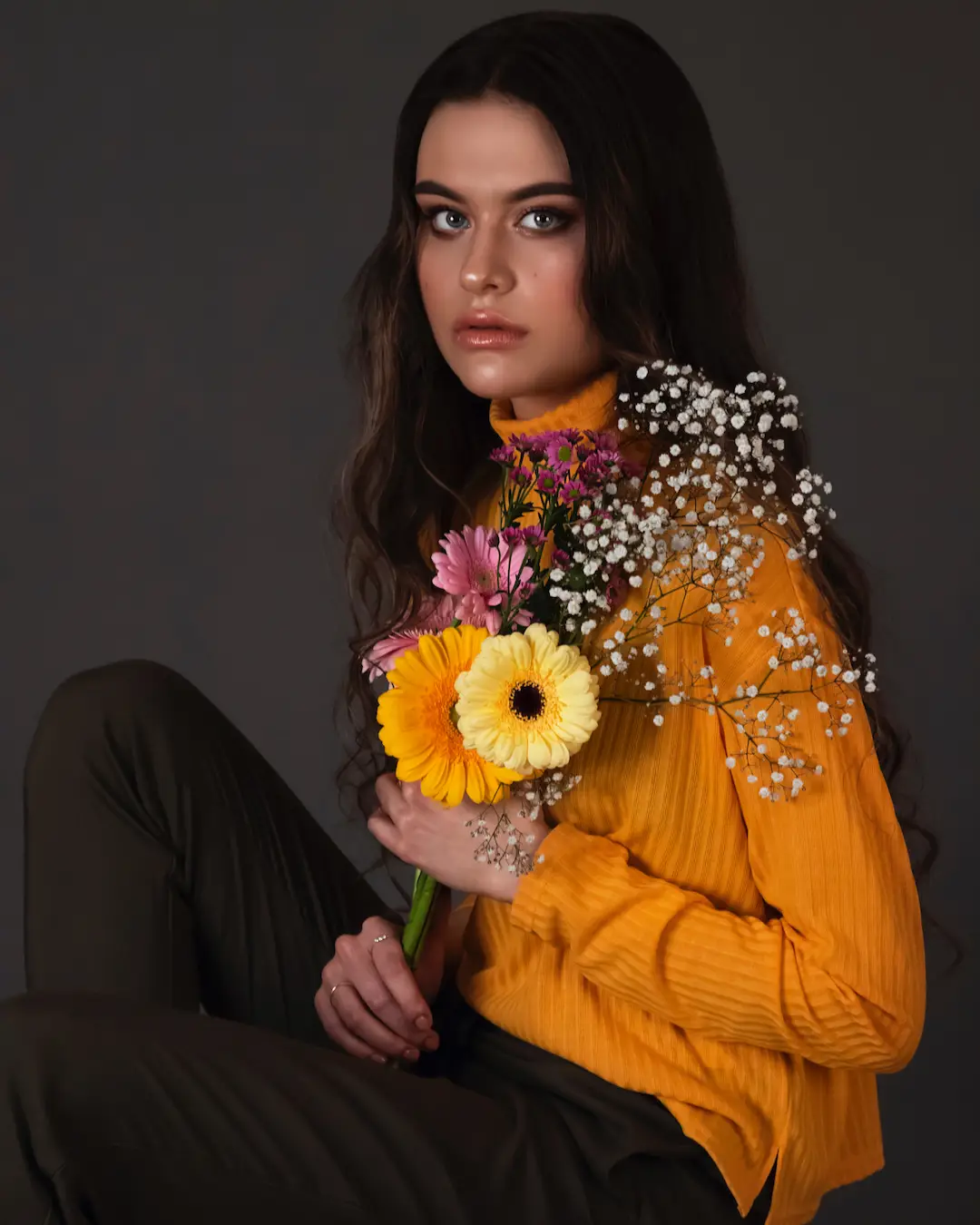
Follow the destination’s instructions exactly. Unless the live guidelines say otherwise, prepare the following materials before opening the submission form:
- Story title: Short, specific and consistent across the form, filenames and concept note.
- Concept note: Usually one concise paragraph explaining the idea, visual approach and relevance. Avoid vague claims about empowerment, beauty or timelessness unless the photographs make the meaning specific.
- Final image sequence: Correct image count, pixel dimensions, file type, color profile and maximum file size.
- Complete credits: Photographer, creative director, stylist, hair, makeup, model, agency, designer, wardrobe and any other requested roles.
- Wardrobe credits: Record each look during production. Reconstructing product names after the shoot creates errors and delays.
- Releases and permissions: Keep model releases and relevant location, property or guardian consent available even when they are not uploaded with the first submission.
- Reliable contact details: Designate one person to communicate with the editor and confirm changes with the team.
Technical preparation
“300 DPI” is not a complete delivery specification. Pixel dimensions determine whether a file contains enough image data for a requested reproduction size; the publication should specify the dimensions, file type and color requirements it needs. Do not upscale small files merely to change the DPI field.
Remove watermarks unless the editor asks for them. Use clear ordered filenames such as StoryTitle_01_Photographer.jpg. Open every gallery link in a private browser window before submitting so you know it works without a login or access request.
Rights, exclusivity, embargoes and fees
This is the section most creative teams rush—and the one with the longest consequences. Before accepting a placement, identify what the publication may do with the work, for how long, in which media and whether it can transfer those rights to anyone else.
- Copyright: Publishing a story should not automatically mean transferring ownership. Confirm who owns each photograph and other protected material.
- License: Look for the permitted media, territory, duration and purposes. Pay particular attention to advertising, resale, syndication, merchandise, training data and sublicensing language.
- Exclusivity: Define what must remain unpublished, where, and for how long. Social previews can break an exclusivity condition.
- Embargo: Record the earliest date and time the team may post. Share it with every contributor and brand involved.
- Edits: Understand whether the magazine may crop, retouch, add text or change the sequence.
Submission fees vary, so a universal price range is misleading. A fee may pay for platform processing, expedited review, layout services, a print copy or a particular placement—but it does not prove editorial quality. Separate these questions:
- What exactly am I paying for?
- Is acceptance guaranteed, or only review?
- Is the fee refundable?
- What rights do I grant?
- What distribution or audience can the publication actually demonstrate?
Walk away when terms are hidden until after payment, the publication pressures contributors to buy copies, metrics cannot be verified, credits are routinely missing, or rights are disproportionately broad. The cost of a poor placement is not only the fee; it can include lost exclusivity and a weaker portfolio signal.
How to submit and follow up professionally
A useful submission message is short. Identify the story, the format, the team and why it fits this publication. Then provide the materials in the format requested. Do not attach enormous files when the guidelines ask for a gallery link, and do not send a private link that requires the editor to request access.
Simple submission email structure
Subject: Editorial submission: [Story Title] — [Fashion/Beauty/Menswear]
Hello [Editor or Publication Team],
I am submitting “[Story Title],” a [one-sentence description]. The story aligns with [specific section, theme or visual reason].
Review gallery: [link]
Complete credits and requested technical details: [included below / attached as requested]Thank you for considering the work,
[Name and role]
Follow up only when the publication permits it. If no response window is stated, one polite message after a reasonable interval is enough. Repeated messages do not improve the fit of the story. If the work is declined, review whether the problem was quality, relevance, timing or packaging before resubmitting elsewhere.
After acceptance: protect the feature’s value
Confirm the publication date, issue, URL, credits, embargo and any requested promotional tags. Save the acceptance message and terms. When the story goes live, check the page before sending traffic to it: verify image order, names, links and spelling.
Then build a coordinated release rather than posting every frame at once. The feature can support contributor posts, portfolio updates, press outreach and longer-term discovery. This fashion editorial promotion strategy explains how to extend the story without exhausting it on launch day.
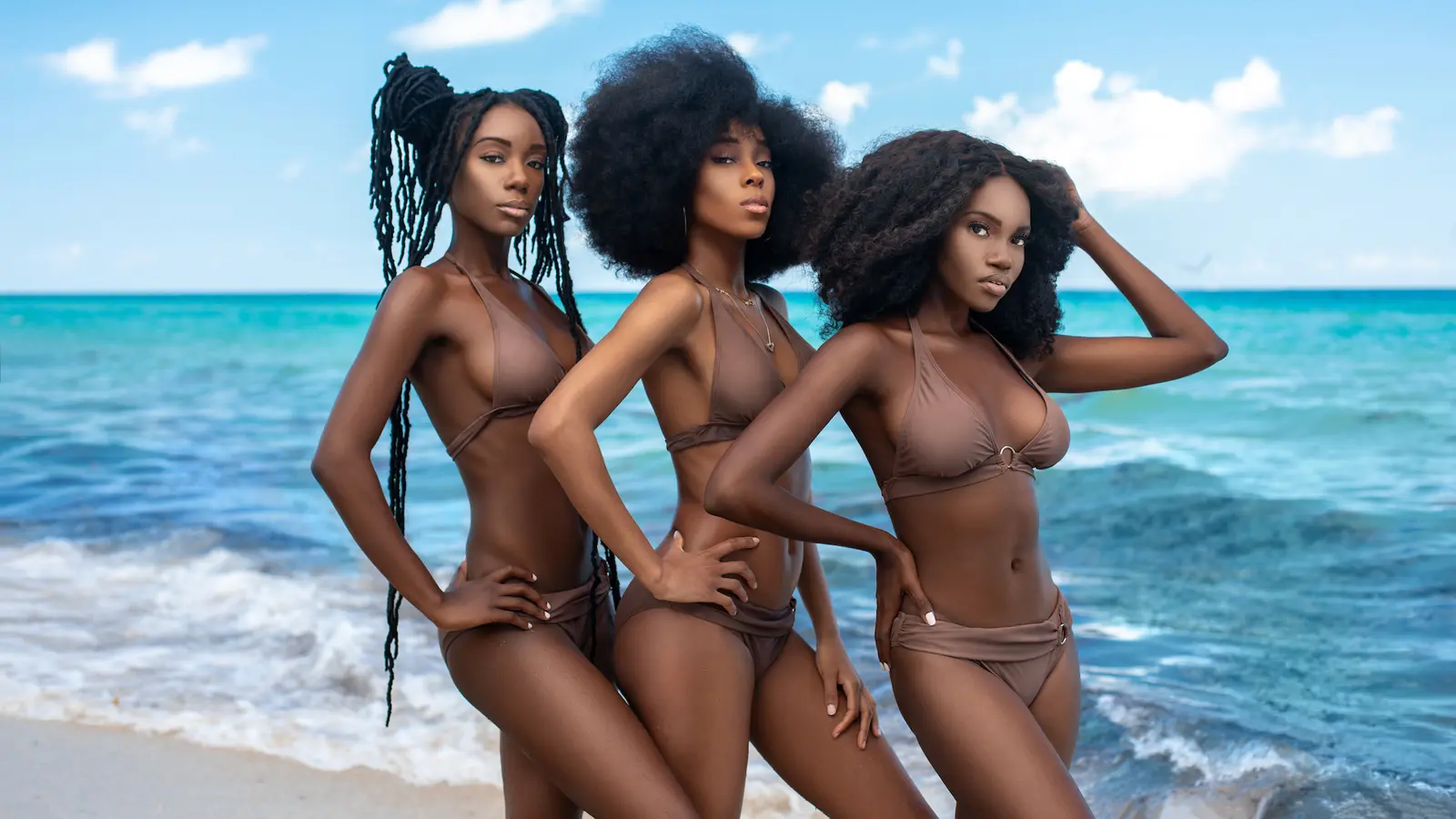
Frequently asked questions
Can a beginner get featured in a fashion magazine?
Yes. Many independent publications consider emerging contributors. However, “beginner-friendly” does not mean unfinished. The concept, image quality, credits, permissions and delivery still need to be professional.
Should I submit the same editorial to several magazines?
Only if every destination allows simultaneous submissions. Many publications require unpublished or exclusive work. Read each brief first, record where the story was sent and withdraw it promptly if another acceptance creates a conflict.
Do fashion magazines pay contributors?
Sometimes, but many independent editorial submissions are unpaid and some involve fees. Clarify payment, expenses, rights and deliverables before production or acceptance. Do not assume exposure has a fixed commercial value.
Do I need a full creative team?
Not for every story. What matters is whether the concept is executed convincingly and every role is credited accurately. A smaller team can produce strong work, but one person covering several roles should not obscure who was responsible for what.
What should I do if the magazine changes the crop or sequence?
Check the agreed terms first. Editors usually need layout flexibility, but material changes that misrepresent the work or remove required credits should be raised calmly and specifically before publication when possible.
Final submission test
Before you press send, ask one question: can an editor understand the concept, verify the team, open the files and identify the requested rights in under two minutes? If not, the package is not ready.
The strongest fashion magazine submissions respect both sides of the editorial relationship. They make the editor’s review easier while protecting the creative team’s authorship, credits and future use of the work.
Related reading
- How a Studio Fashion Editorial Becomes One Story
- How to Build an Agency-Ready Modeling Portfolio
- Fashion Editorial Promotion Strategy for 2026
- The Blossoming — Comfort in Bloom
Credits
All photographs: Phil Halfmann. Full production credits appear in the original editorial features linked above.


Spring 2026 Fashion Trend Report: What Defined the Season
A critical Spring 2026 fashion trend report on fluid tailoring, sheer layers, color, practical accessories, and the runway’s inclusion gap.
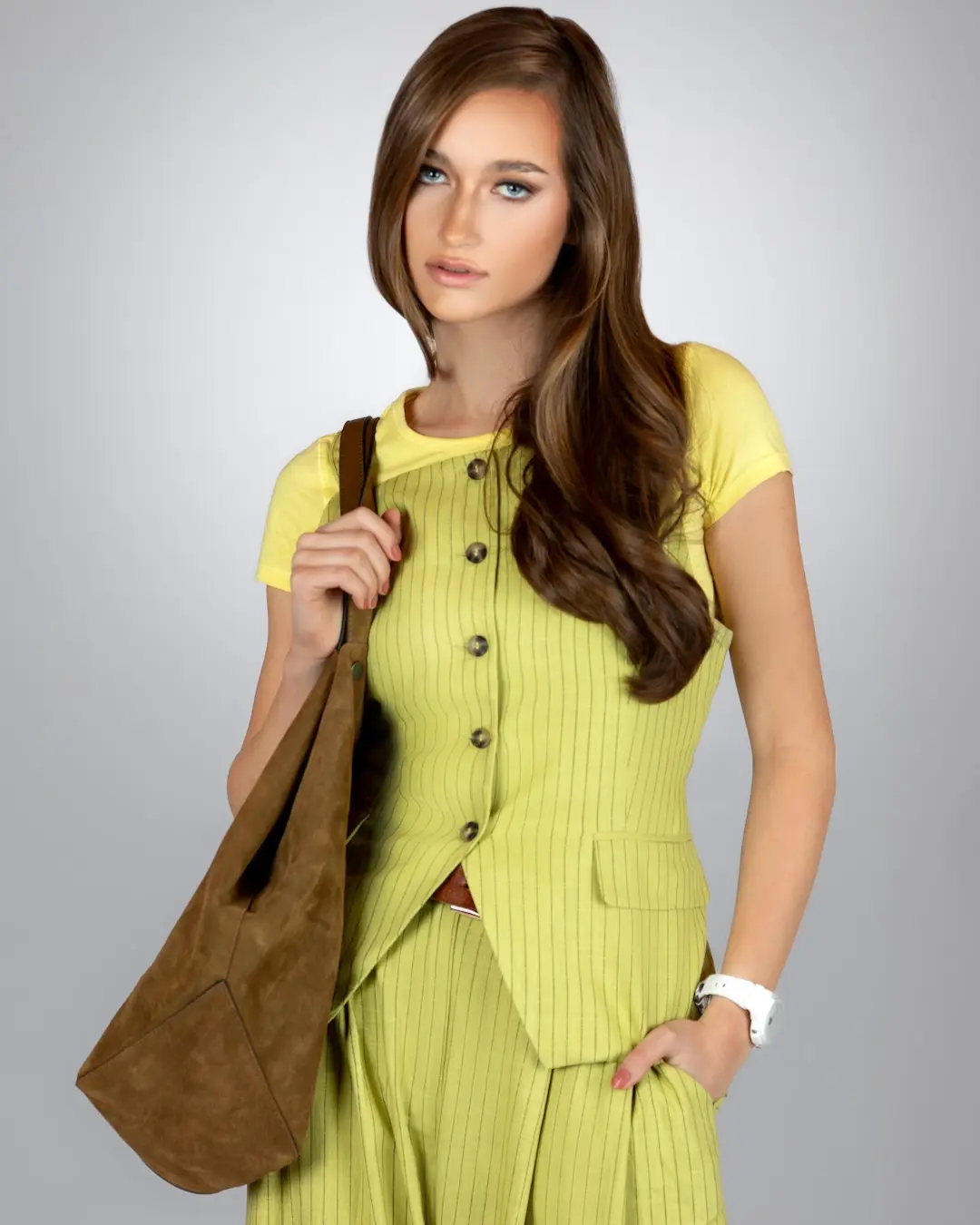
Mild Winter Style Guide for Germany: Light Layers, Strong Silhouettes
A practical mild winter style guide for Germany, featuring adaptable layers, modern tailoring and four original editorial looks photographed by Phil Halfmann.
Spring 2026 Fashion Trend Report: What Defined the Season
A critical Spring 2026 fashion trend report on fluid tailoring, sheer layers, color, practical accessories, and the runway’s inclusion gap.
Mild Winter Style Guide for Germany: Light Layers, Strong Silhouettes
A practical mild winter style guide for Germany, featuring adaptable layers, modern tailoring and four original editorial looks photographed by Phil Halfmann.