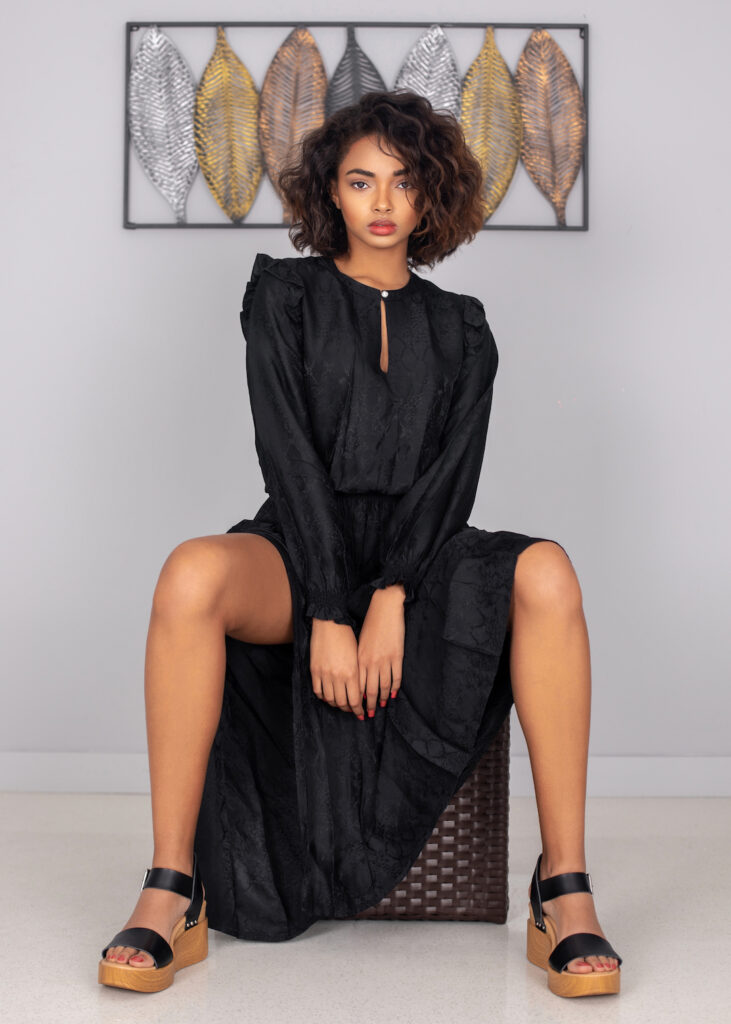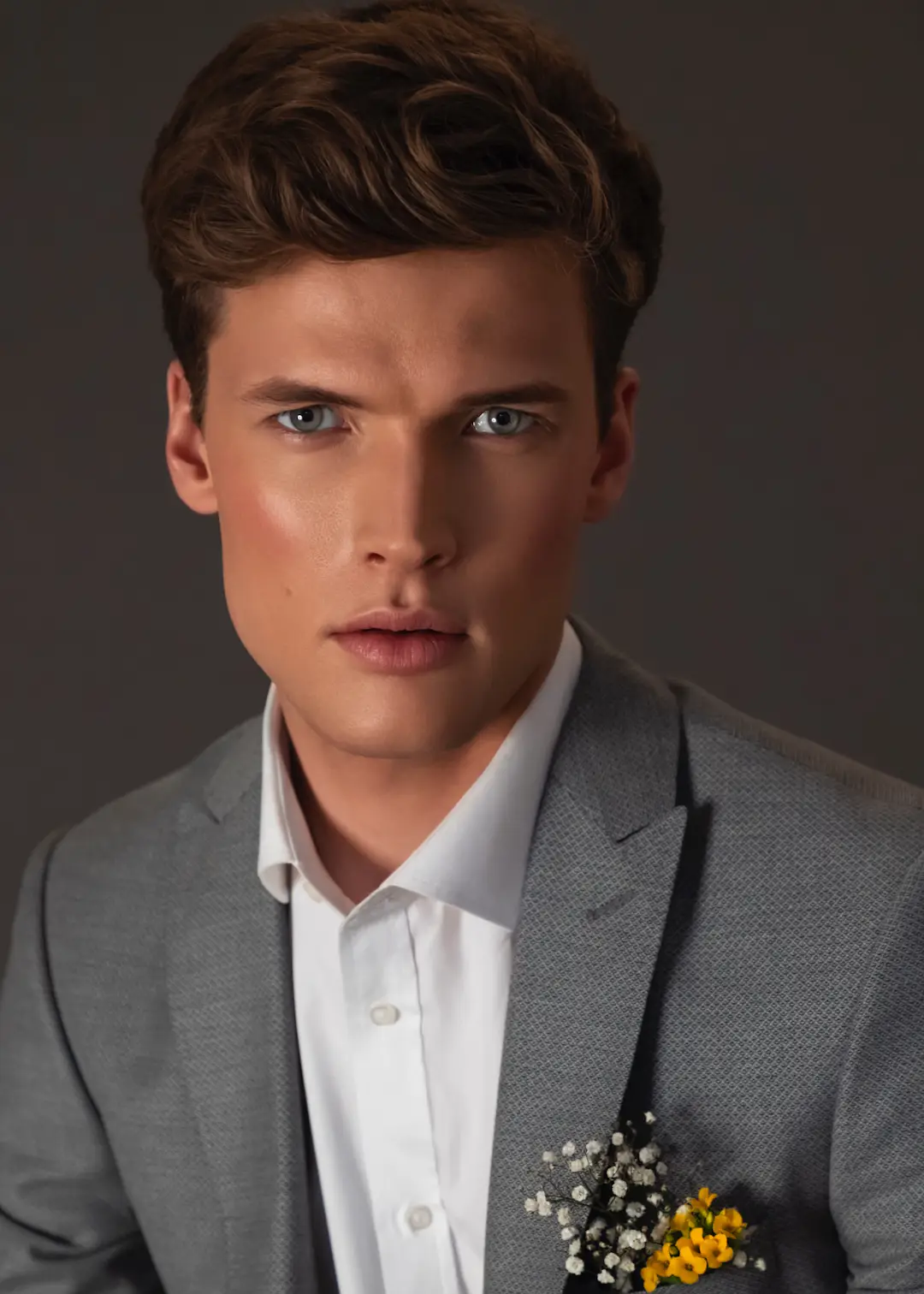
A strong fashion editorial promotion strategy does more than generate likes. It protects the work, reaches the right editors and collaborators, creates a permanent portfolio asset, and turns one editorial into a measured sequence of opportunities.
In 2026, publishing everywhere at once is not a strategy. The better approach is to decide what the editorial should achieve, respect any exclusivity agreement, build one authoritative destination for the story, and adapt the launch to each channel. This guide shows photographers, stylists, models, designers, creative directors and independent magazines how to promote fashion editorials online without weakening the concept or the rights attached to it.
1. Start Your Fashion Editorial Promotion Strategy With One Goal
Before choosing platforms, decide what success means. An editorial created to secure magazine publication needs a different path from one designed to attract commercial clients, build a model portfolio, introduce a designer, or demonstrate a creative team’s range.
Choose one primary outcome and up to two supporting outcomes. For example, the primary goal might be publication, while the supporting goals are portfolio visits and new agency relationships. This prevents a common mistake: optimizing for broad engagement while the people who could commission, publish or license the work never see it.
If publication is the priority, begin with our guide to getting featured in fashion magazines. Models can also use the agency-ready modeling portfolio guide to decide which images support representation rather than simply filling a feed.
2. Confirm Rights, Credits and the Publication Embargo
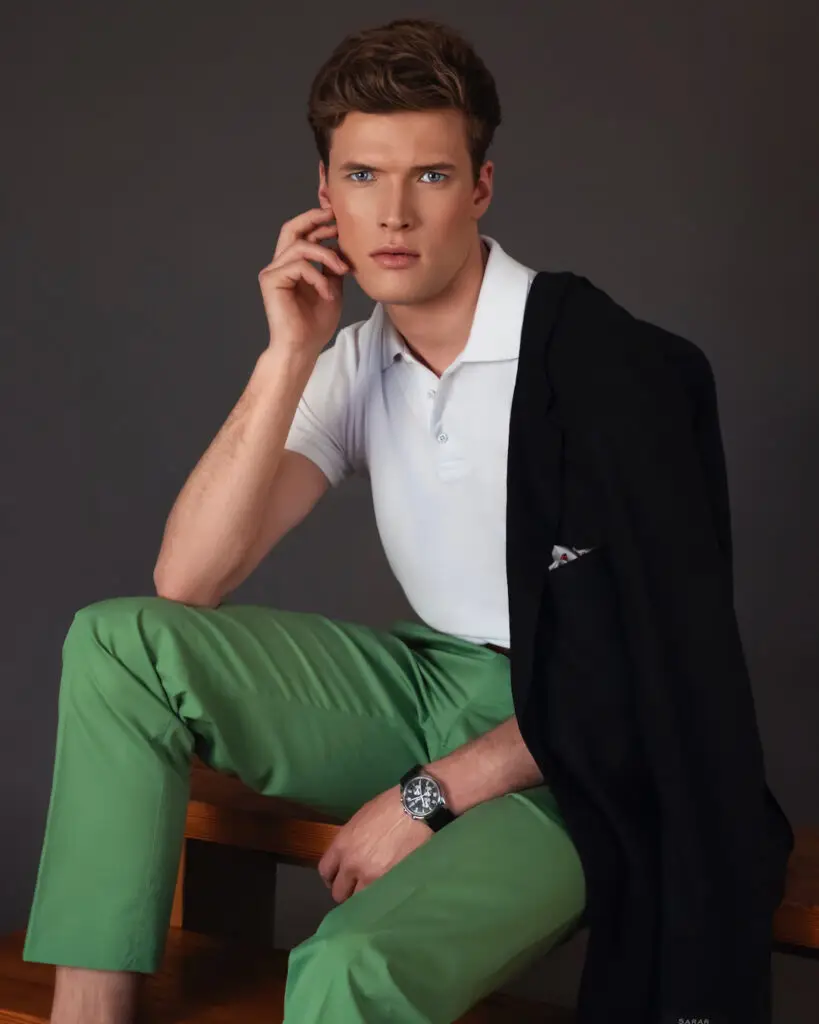
Promotion can create a rights problem when it starts too early. Before posting a teaser, confirm whether a magazine requires unpublished work, how long exclusivity lasts, and when contributors may share the final story. Also document model releases, photographer copyright, brand permissions, music licenses and any location restrictions.
A watermark is not a substitute for permission or documentation. In fact, many editors want clean files without visible branding. Keep high-resolution masters private, deliver only what the recipient requests, and use lower-resolution web derivatives for public channels. Most importantly, never rely on a universal export rule such as “300 DPI.” Pixel dimensions, file size, color space and format should follow the specific publication’s current instructions.
When the editorial is collaborative, agree in writing on the title, final credits, approved images, publication status, tag list and release time. That small step prevents misspelled credits, premature posts and conflicting captions.
3. Build a Complete Fashion Editorial Submission Package
A professional package helps an editor understand the story quickly. Prepare a curated sequence of approximately 6-12 images, a clear title, a concise concept statement, complete credits, contact information and any required wardrobe details. The image order should feel intentional: establish the world, develop the visual idea, vary rhythm and finish with a memorable closing frame.
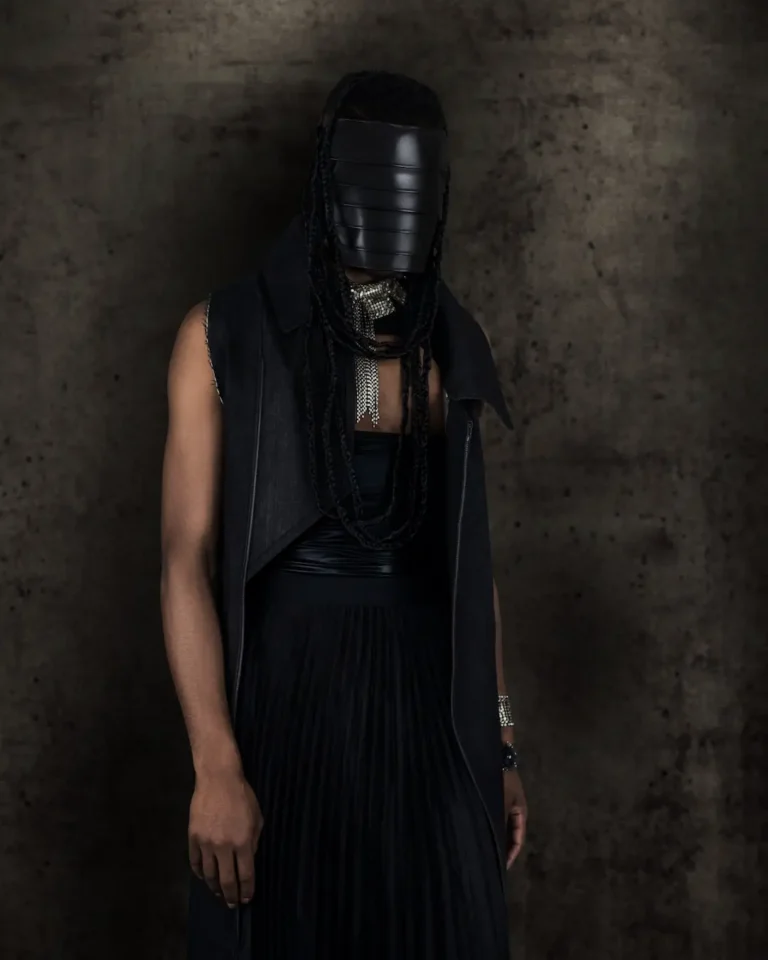
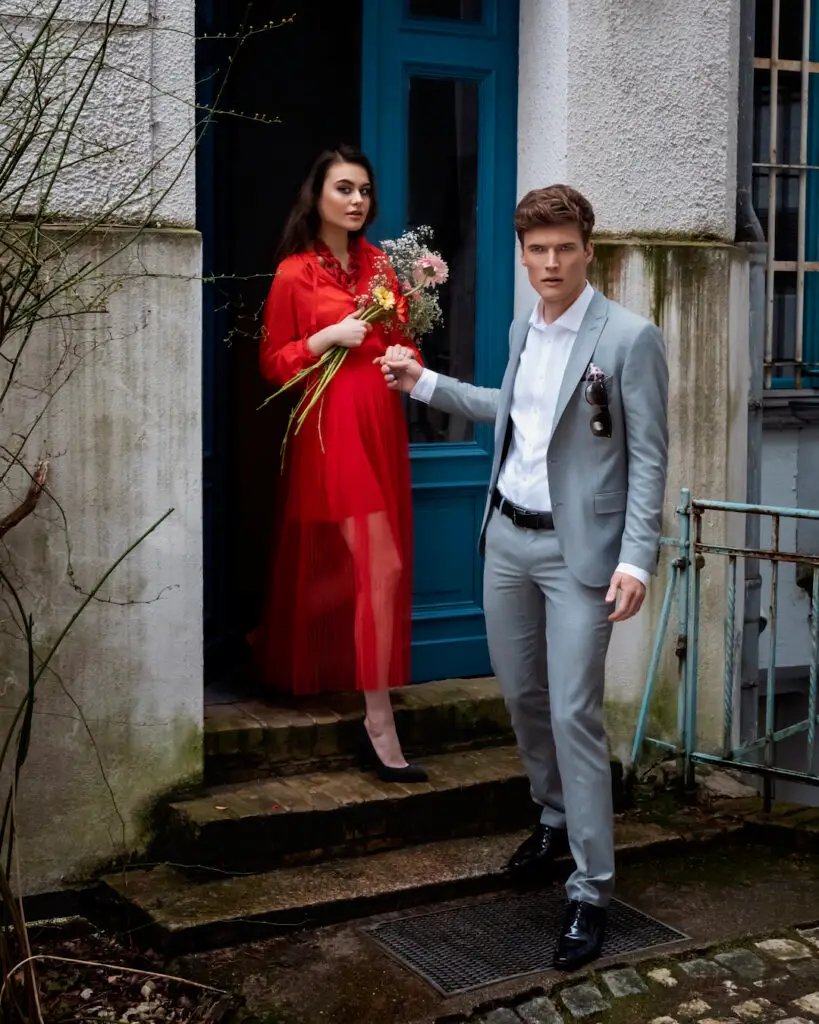
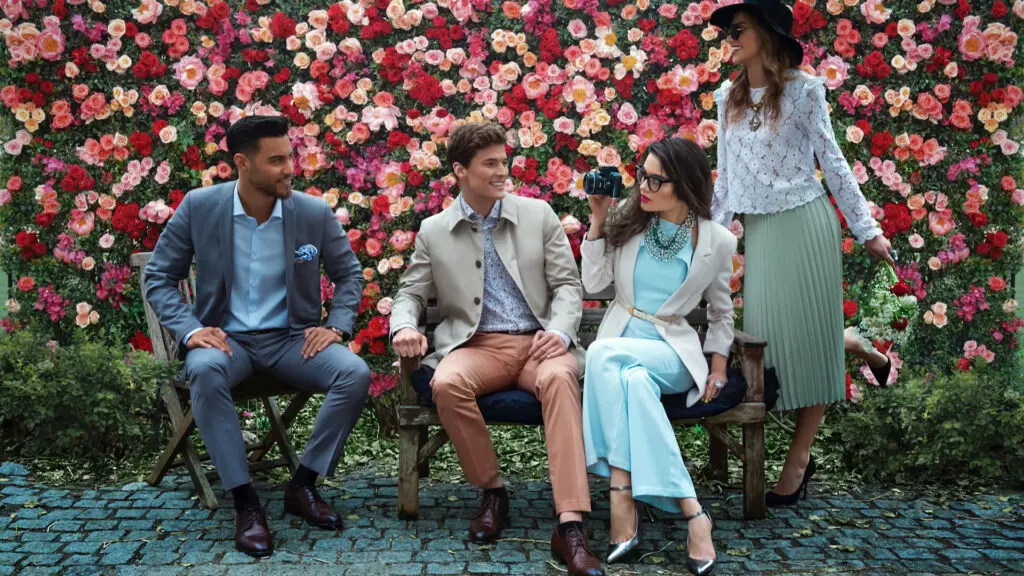
Use descriptive filenames such as story-title-photographer-01.webp for web assets, while following the publication’s requested naming system for submissions. Keep a private folder containing releases and masters, and a separate delivery folder containing only the approved files. For an example of how distinct looks can remain part of one coherent narrative, explore this studio fashion editorial case study.
4. Give the Editorial a Permanent Owned-Media Home
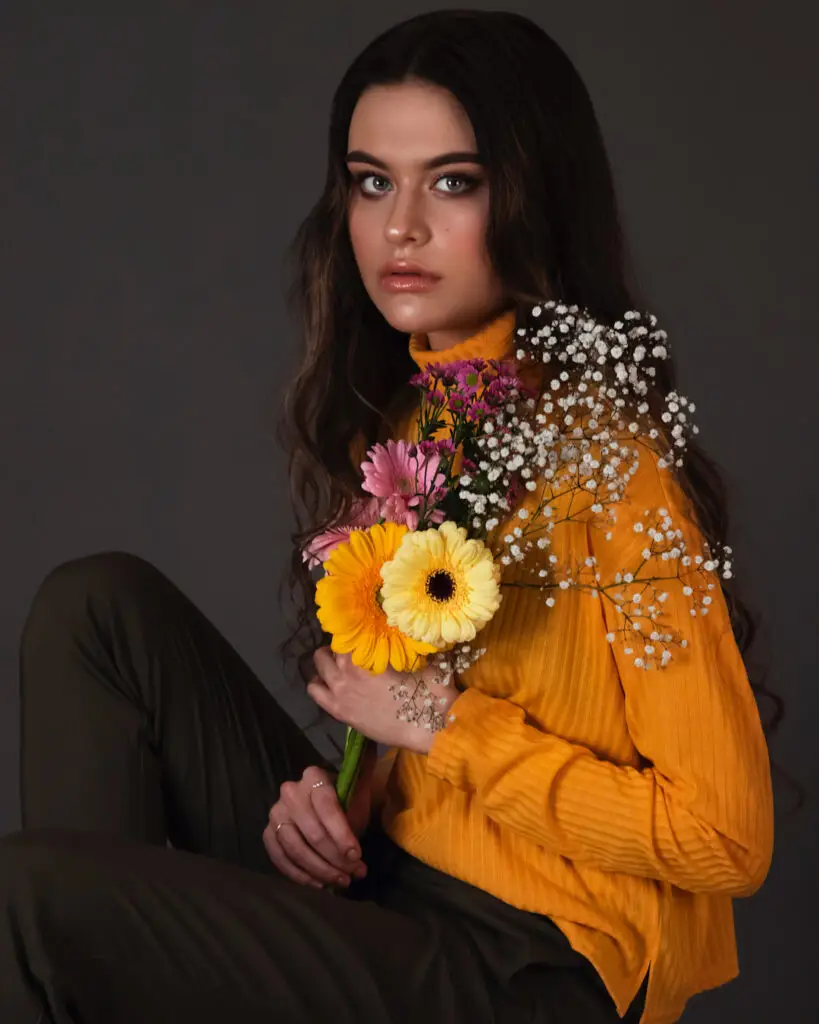
Social posts are temporary discovery points. Your portfolio or publication page should be the lasting source of truth. Give the project one canonical URL with a useful introduction, the selected image sequence, complete credits, accessible alt text, publication information and a next action such as viewing more work, contacting the team or reading a related story.
This page should answer questions that a caption cannot: What was the concept? Who created it? Where was it published? What role did each contributor play? Which audience or opportunity is the work relevant to? A well-built project page also gives collaborators one accurate destination to share.
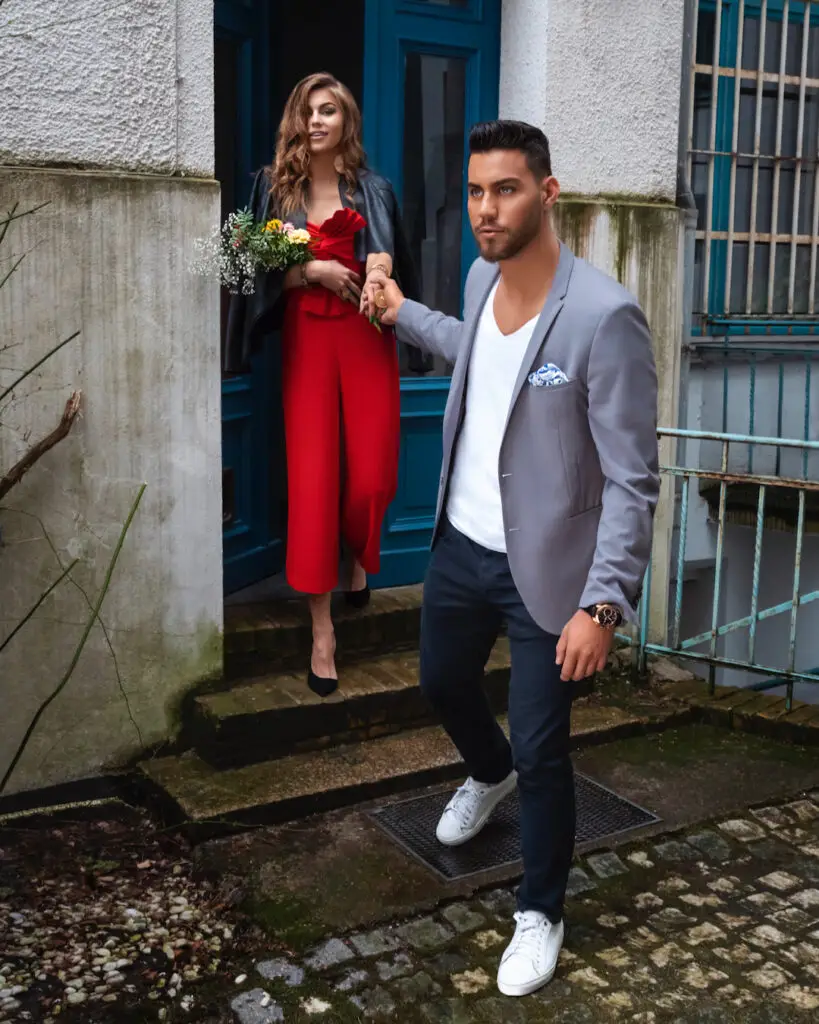
5. Choose Promotion Channels by Their Job
Each channel should perform a defined role in the fashion photography marketing plan. Do not copy the same caption and crop everywhere.
| Channel | Best role | Useful execution |
|---|---|---|
| Portfolio or magazine site | Authority and search visibility | Full story, credits, context and a clear next step |
| Visual discovery and contributor reach | Carousel, Reel or detail-led post with accurate tags | |
| Longer-tail visual discovery | Vertical assets linked to the canonical project page | |
| Professional context | Creative decision, production lesson or concise case study | |
| TikTok or short-form video | Process and personality | Behind-the-scenes sequence, lighting change or final reveal |
| Email and direct outreach | Targeted relationships | Personalized pitch to a relevant editor, agency or brand |
Submission platforms and open calls can support the plan, but they are not interchangeable. Check each opportunity’s eligibility, rights, deadline, fees and file specifications before submitting. For example, PhotoVogue presents its own current opportunities and editorial context; those details should be reviewed at the time of submission rather than copied from an older guide.
6. Use a Three-Phase Editorial Promotion Plan
Before release
Finalize permissions, create channel-specific crops, write contributor-approved credits, prepare tagged links and schedule the sequence. If an embargo exists, keep all public material private until the agreed time.
Release window
Lead with the publication or canonical project page. Coordinate the magazine, photographer, stylist, models, hair and makeup team, designers and agencies so the story receives concentrated attention without every account posting an identical message.
After release
Extend the story with details, alternate crops, creative decisions, behind-the-scenes material and contributor perspectives. A useful professional photoshoot overview can help newer collaborators understand why planning, responsibilities and final delivery matter.
7. Measure Outcomes, Not Vanity Metrics
Likes alone cannot tell you whether the fashion editorial promotion strategy worked. Track qualified portfolio visits, saves, shares, replies from relevant professionals, publication interest, agency conversations, brand inquiries and licensing opportunities. Use tagged links when possible so you can distinguish traffic from collaborators, newsletters and individual platforms.
Review the launch after seven days and again after 30 days. Note which image, headline, channel and contributor generated the strongest useful response. Then reuse the winning angle rather than reposting the entire campaign unchanged. The strategic truth is simple: a smaller number of visits from editors, agencies, designers or clients can be more valuable than broad engagement with no professional consequence.
Common Editorial Promotion Mistakes
- Posting before the publication embargo or exclusivity window ends.
- Sending the same generic pitch to unrelated magazines.
- Uploading every final image instead of presenting a disciplined edit.
- Using incomplete credits or tagging the wrong contributor accounts.
- Applying one export specification to every publication.
- Sending social traffic to a temporary post instead of a permanent project page.
- Measuring only impressions and likes rather than relevant responses.
Frequently Asked Questions
Should I post a fashion editorial before submitting it?
Usually not if the target publication requests unpublished or exclusive work. Read the current submission rules and confirm the embargo before sharing any final image or recognizable behind-the-scenes material.
How many images should an editorial submission include?
Follow the publication’s requirements. When no number is stated, a tight 6-12 image sequence is often more persuasive than a large, repetitive gallery because it demonstrates editing and narrative control.
Do fashion editorial images need to be 300 DPI?
Not automatically. DPI is mainly print metadata; editors may instead specify pixel dimensions, file size, format and color space. Always export to the recipient’s current requirements.
Should every contributor post the same content?
No. Keep the title, credits, link and release timing consistent, but let each contributor explain the work from their own role. That creates a richer campaign without fragmenting the facts.
What is the best platform for promoting a fashion editorial?
There is no universal best platform. The strongest system combines a permanent owned-media page, targeted editorial outreach and selected discovery channels that match the intended audience.
Credits
Photographer: Phil Halfmann
Creative Director: Sophia Lenore
Wardrobe Stylists: Yui Iida and Carmen Alonso
Hair & Makeup: Vasiliki Alex, Reem Jarhum and Andra Durnea
Models: Faze Models, M4 Models and Jay Jay Models