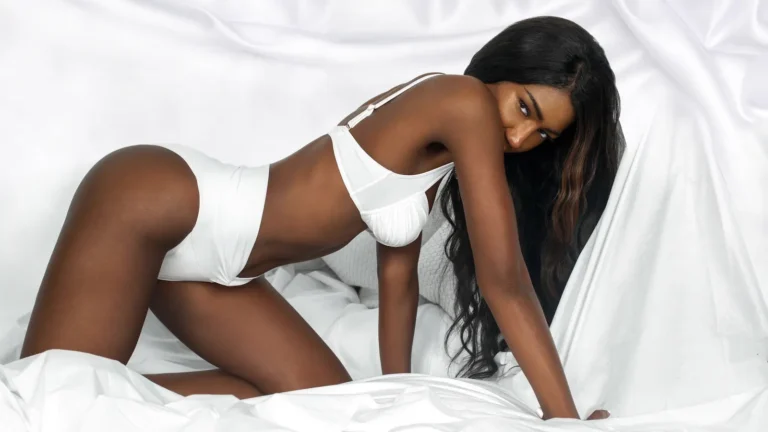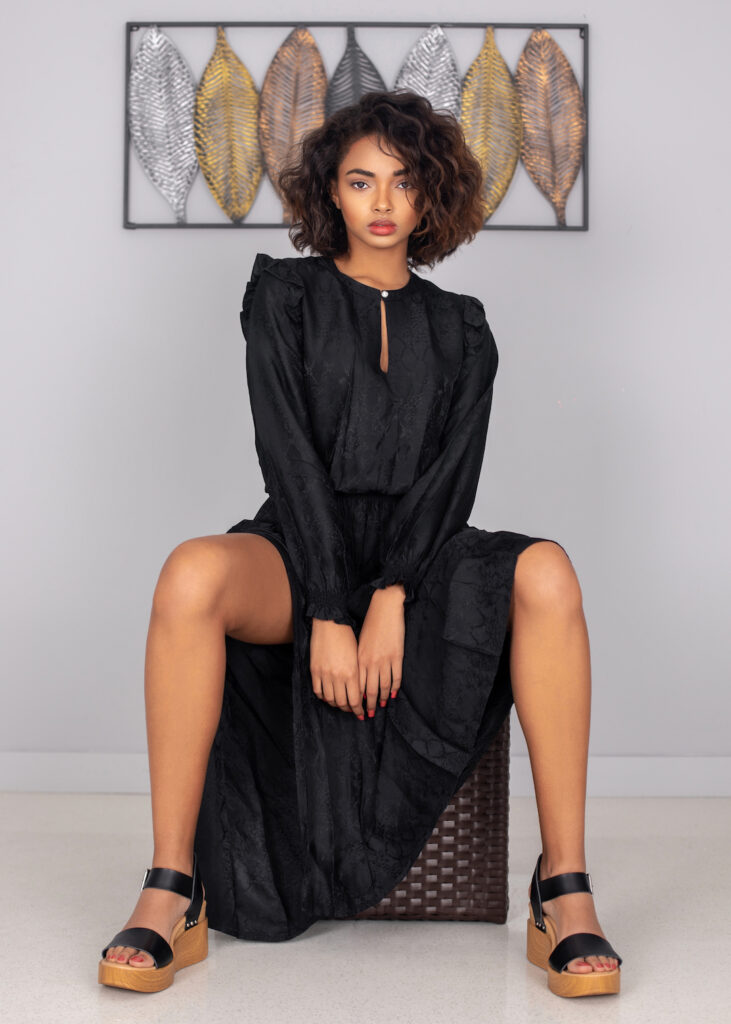
Light winter dressing works best when every layer has a purpose. This mild winter style guide for Germany translates four original studio looks into practical ideas for changeable city weather—without pretending that every winter day is snow-free or warm.
Winter dressing in Germany is rarely one fixed formula. A mild afternoon can still begin with frost, wind or rain, while heated trains, shops and cafés quickly make heavy layers uncomfortable. Therefore, the answer is not simply to wear less. It is to build an outfit that can adapt.
Our editorial, photographed by Phil Halfmann and creatively directed by Sophia Lenore, explores that balance through tailoring, knitwear, denim and expressive accessories. The result is a winter wardrobe that feels polished without becoming rigid.
What makes a mild winter outfit work?
A useful outfit starts with the conditions, not the calendar. Check the temperature, wind and chance of rain before choosing your outer layer. Then combine pieces that remain complete when one layer comes off.
- Choose a breathable base: Start with a fine knit, fitted top or shirt that remains comfortable indoors.
- Add adjustable warmth: Use a cardigan, light knit or thin insulating layer that can be removed easily.
- Create structure: A blazer, cropped jacket or overshirt can give the silhouette definition without excessive bulk.
- Protect against the weather: Wind-resistant outerwear, practical soles and a compact umbrella matter more than whether an outfit looks conventionally “wintery.”
This system also makes a smaller wardrobe more versatile. Instead of buying a separate look for every temperature, you can restyle a focused group of pieces. For another study in adaptable clothing and restrained styling, see our Anti Demeure minimalist fashion editorial.
A three-part approach to light winter layering
The strongest light-layered outfits usually combine three functions: comfort close to the body, shape through the middle, and weather protection on the outside. Not every day requires three visible garments, but thinking in these functions prevents style from replacing practicality.
1. The base layer: comfort indoors
A breathable long-sleeved top, fine knit or soft shirt should work on its own once the outer layers come off. Fit matters here. A base that follows the body can sit cleanly beneath tailoring, while a looser shirt can create movement under a cropped jacket.
2. The middle layer: warmth and silhouette
This is where styling becomes visible. A blazer introduces authority, a cardigan adds softness, and a textured jacket creates depth. Because German city life often moves between indoor and outdoor spaces, the middle layer should be easy to remove, carry and restyle.
3. The outer layer: protection when conditions change
A mild day can still be wet or windy. A coat or shell should respond to the actual forecast rather than an idealized version of winter. On dry days, a wool coat may be enough. In persistent rain or strong wind, a weather-resistant layer is the more intelligent choice—even when it is not the visual focus of the outfit.
Four light-layering ideas from the editorial
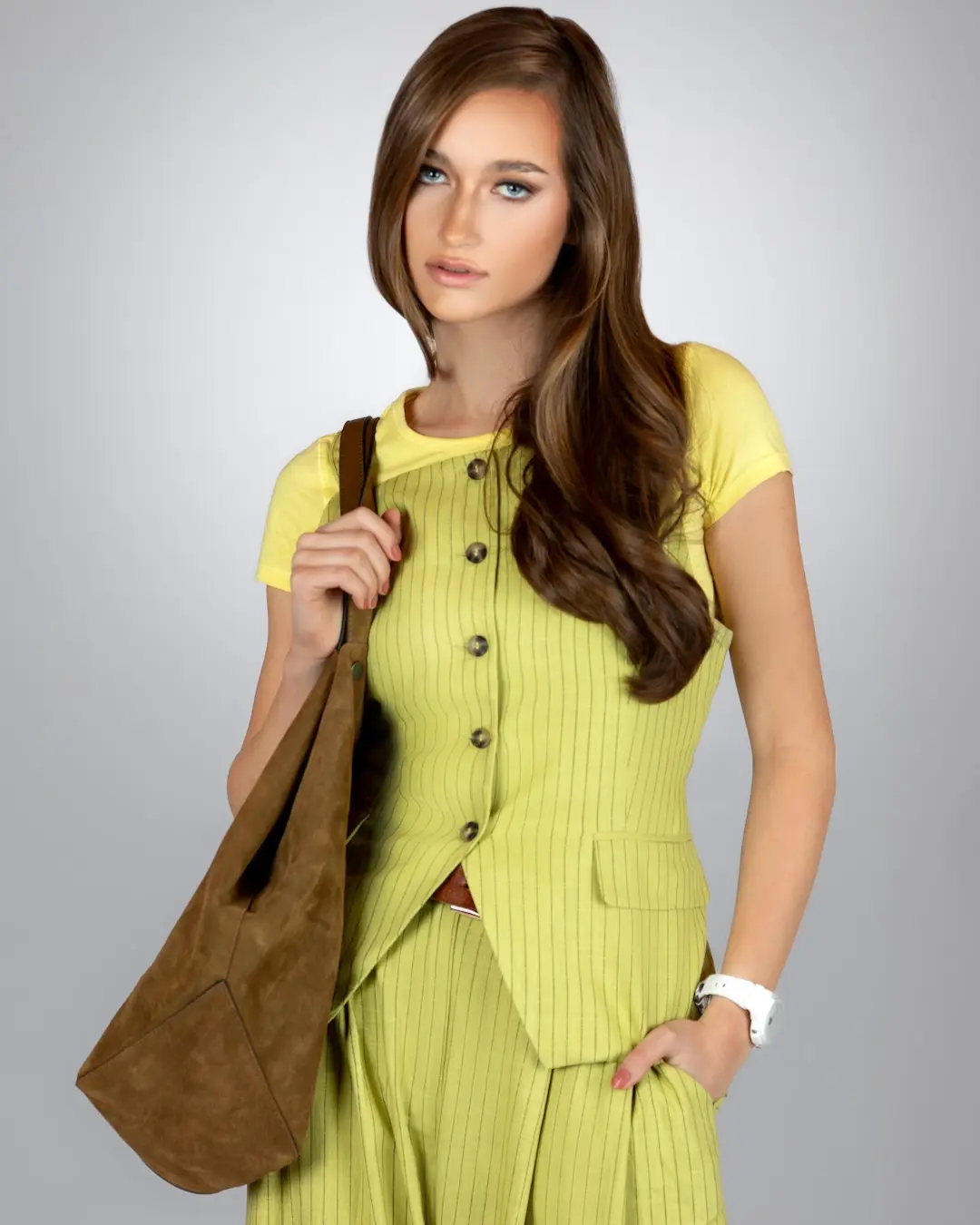
1. Bright tailoring with a soft base
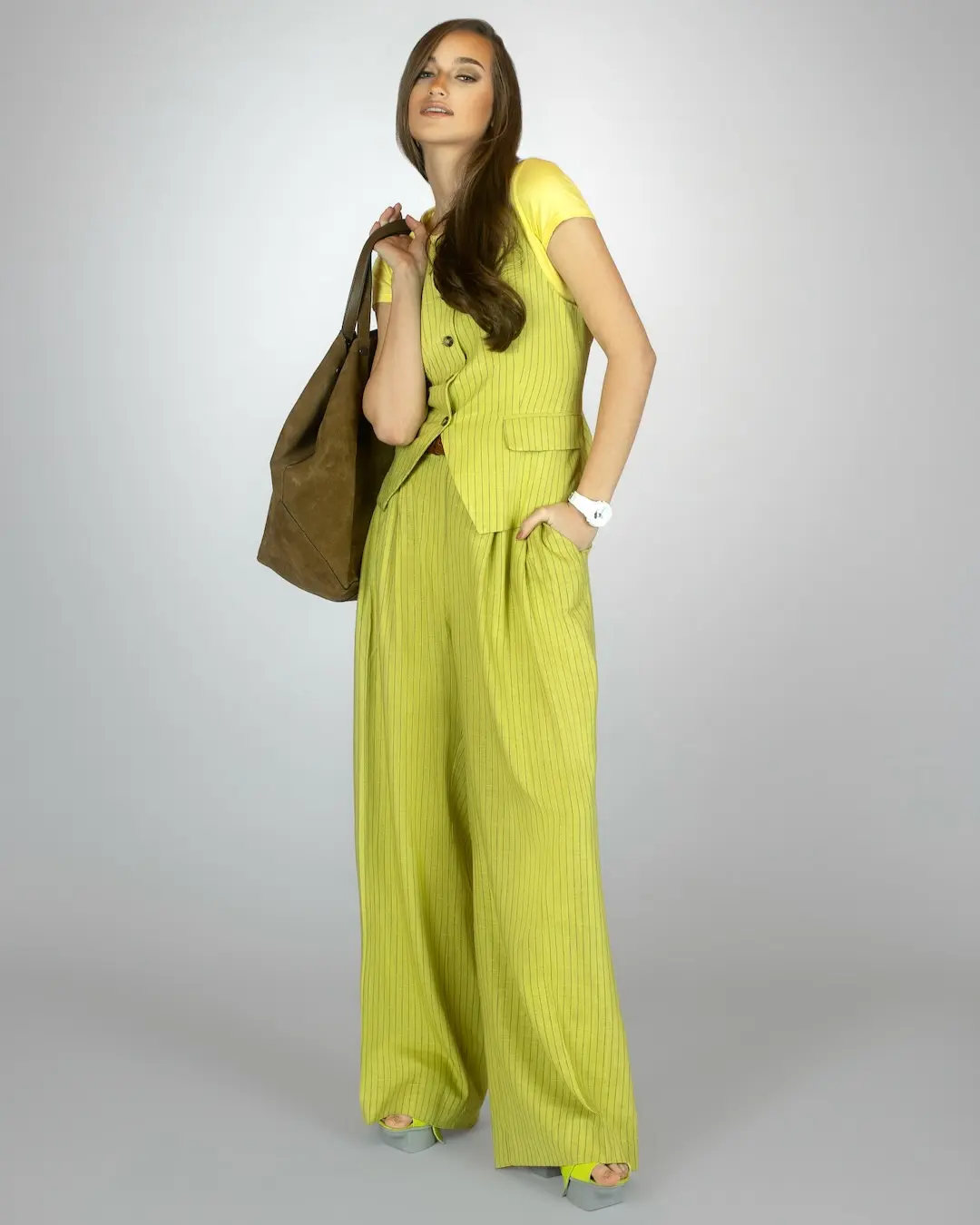
A striped yellow suit brings visual warmth to a neutral winter setting. Because the jacket and trousers already create a complete statement, the base layer can stay simple. The key is contrast: soft fabric or a close-fitting top underneath keeps the tailoring from feeling overly formal.
Color can carry an outfit even when the number of layers is limited. That same idea appears in our Spring 2026 fashion trend report, which examines how contrast and intentional styling shaped the season.
2. Denim, texture and grounded footwear

Denim gives a textured jacket an everyday foundation. The look feels relaxed, but the defined shoulders, bag and substantial boots prevent it from looking unfinished. This is a useful city formula because each piece works independently: remove the jacket indoors and the outfit still makes sense.
Movement should remain part of the decision. Our Strength in Motion editorial offers a related perspective on clothing that balances presentation with physical ease.
3. Tonal tailoring for quiet definition
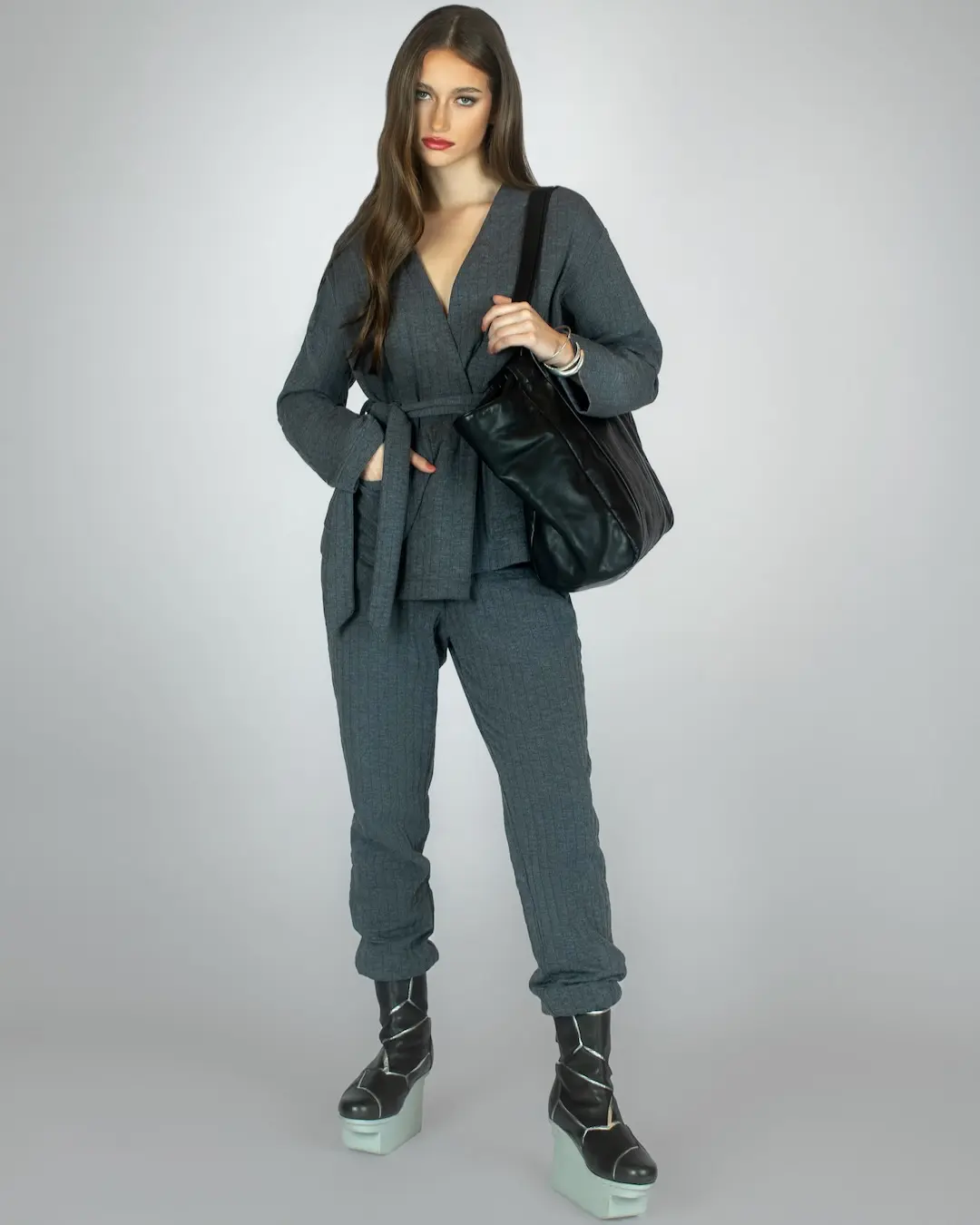
A tonal grey suit demonstrates how shape can replace visual bulk. Clean lines create presence, while a restrained palette makes the pieces easy to combine with a coat, scarf or fine knit. Black accessories anchor the lighter tailoring and allow the look to move between daytime appointments and evening plans.
4. Power dressing with fluid proportions

The final look combines a structured brown blazer with fluid black trousers. The contrast between a defined upper half and a softer lower line creates authority without stiffness. It is also easy to adapt: add a thin thermal top or long coat outdoors, then remove it without disrupting the proportions.
For more location-led styling, explore our Berlin fashion editorial, where individuality and the urban environment shape the visual story.
How to adjust the formula to the weather
“Mild winter” should never become a rule that ignores actual conditions. The same visual idea can be adapted without sacrificing its character.
- Dry and relatively mild: Use a breathable base, visible blazer or textured jacket, scarf and closed shoes.
- Cold morning, warmer afternoon: Add a fine thermal layer and carry an outer coat that can be removed later.
- Wind or persistent rain: Prioritize a protective outer shell, secure accessories and shoes with grip.
- Long periods outdoors: Choose an insulated coat, warm socks, gloves and lined footwear; the editorial silhouette can remain underneath.
The strongest styling choice is the one that responds to the day. Fashion should support movement and confidence—not require discomfort for the sake of an image.
A compact mild-winter wardrobe checklist
- One fine knit or breathable long-sleeved base
- One thin, removable warming layer
- One tailored blazer or textured jacket
- One weather-ready outer layer
- Relaxed trousers or dependable denim
- Boots or closed shoes with practical soles
- A scarf, compact umbrella and small bag for changing conditions
These pieces do not prescribe one aesthetic or body type. Instead, they create a flexible structure that can support color, minimalism, classic tailoring or more expressive styling. Adjust the fit, length and proportion until each layer allows comfortable movement and works with the pieces beneath it.
Light layers, considered choices
This mild winter style guide for Germany is ultimately about responsiveness. Bright tailoring, textured separates and fluid proportions can all work in winter when the outfit is built around real conditions. The beauty of light dressing is not wearing less at any cost; it is using fewer, better-considered layers to create more freedom.
Continue exploring: Browse more fashion editorials and style stories from The Prestige Magazine.
Credits
Written by Sophia Lenore
Photographer: Phil Halfmann
Creative Director, Hair, Makeup and Wardrobe Styling: Sophia Lenore
Models: Liza & Rosalie