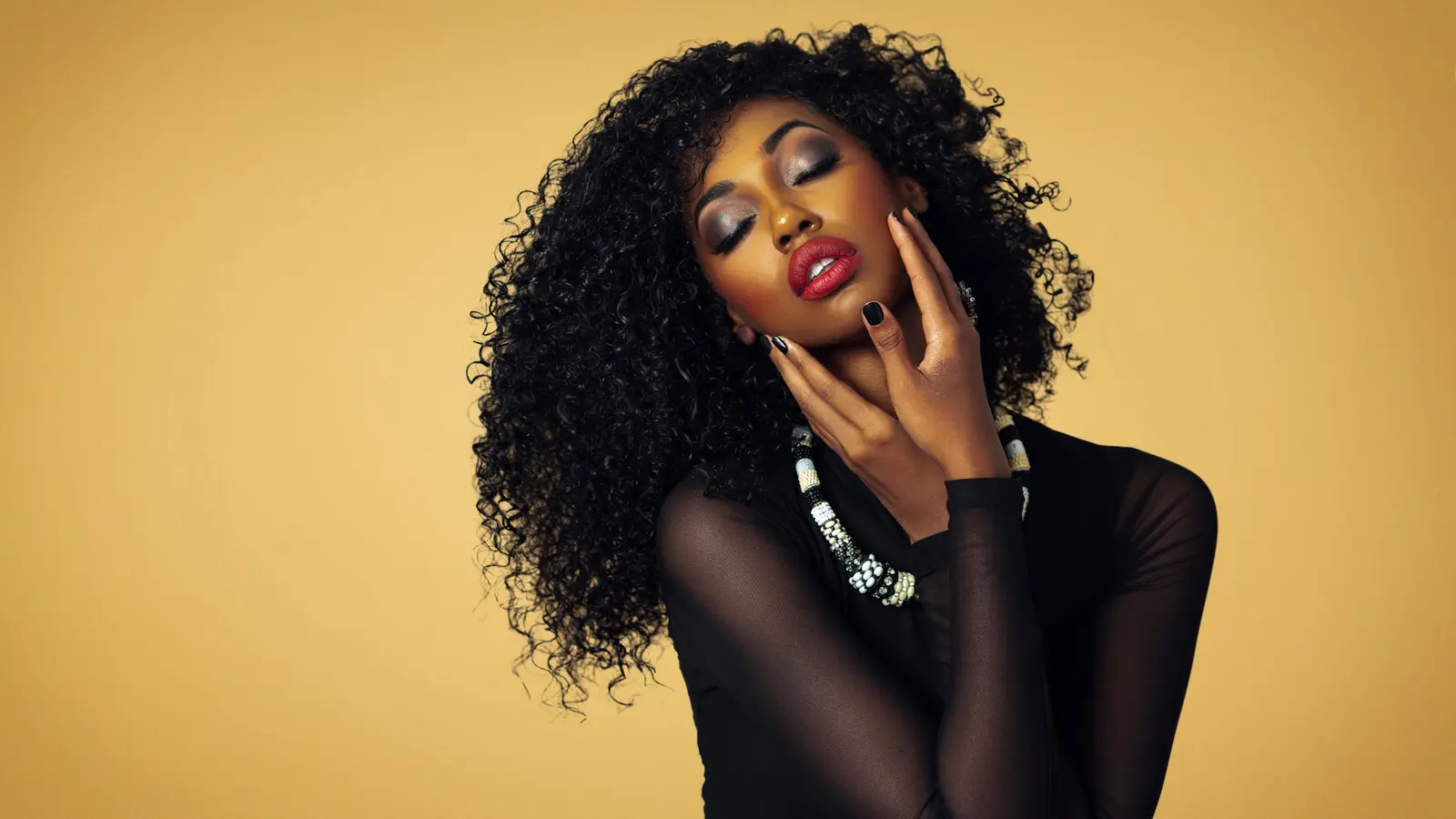
This melanated identity fashion editorial explores how portraiture, styling and self-chosen language can affirm Black beauty without reducing a diverse community to one label. Photographed by Phil Halfmann and written by Sophia Lenore, the series pairs poised studio portraits with a personal reflection on identity, history and pride.
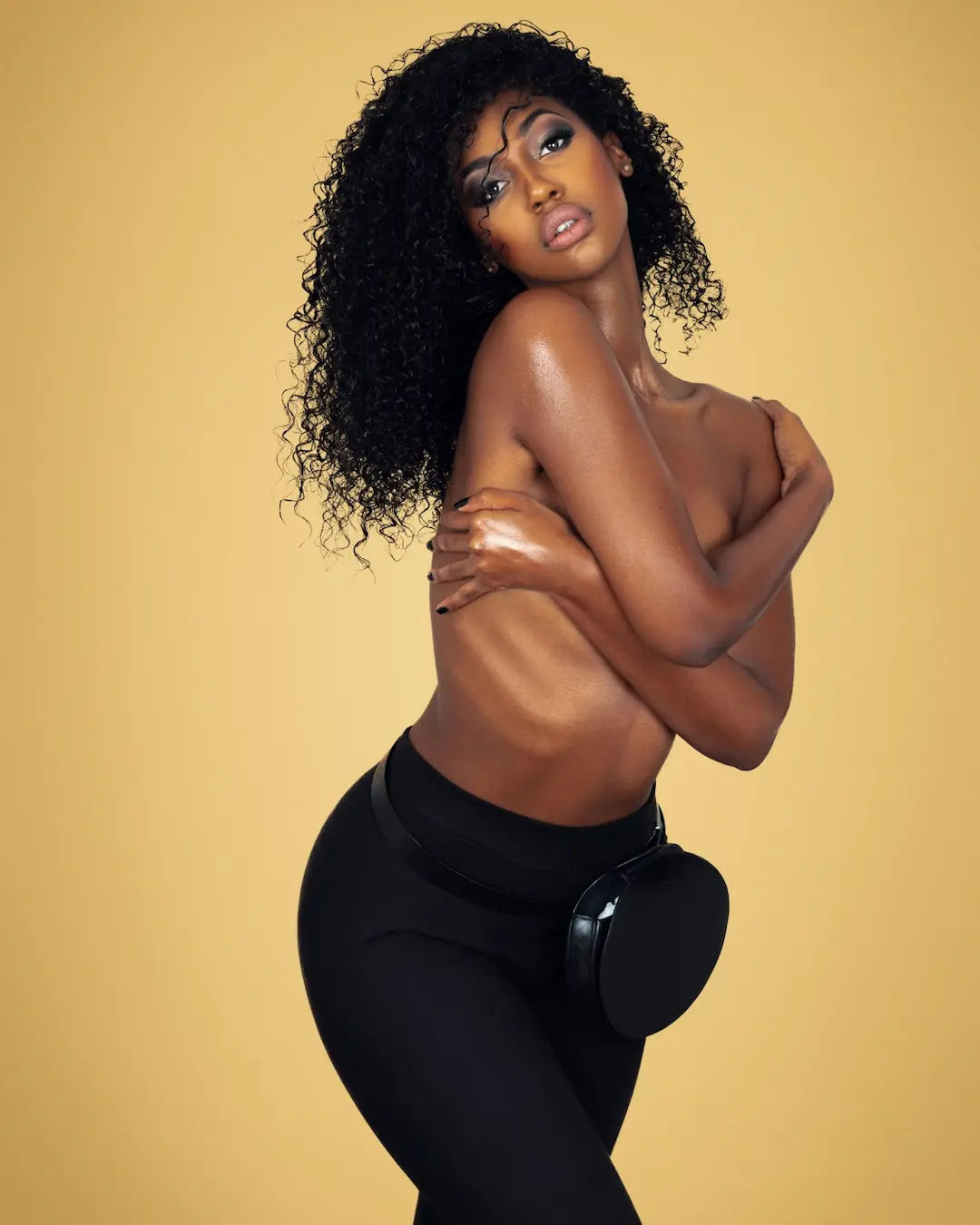
Names matter because they shape how people understand themselves and how institutions describe them. Yet no single term can contain every ancestry, nationality or lived experience. Some people identify as Black, African American, Afro-Caribbean, African, mixed-race, melanated or by a more specific cultural identity. The point of self-definition is not to prescribe one correct label. It is to protect the right to choose.
That distinction strengthens the original idea behind The Melanated Nation. “Melanated” can be an affirming word for people who embrace it, but it should sit beside—not erase—the identities individuals already claim. The portraits in this story therefore work less as a declaration for everyone and more as an invitation to consider how language, image-making and style can support dignity.
Melanated Identity Through Fashion Editorial Photography
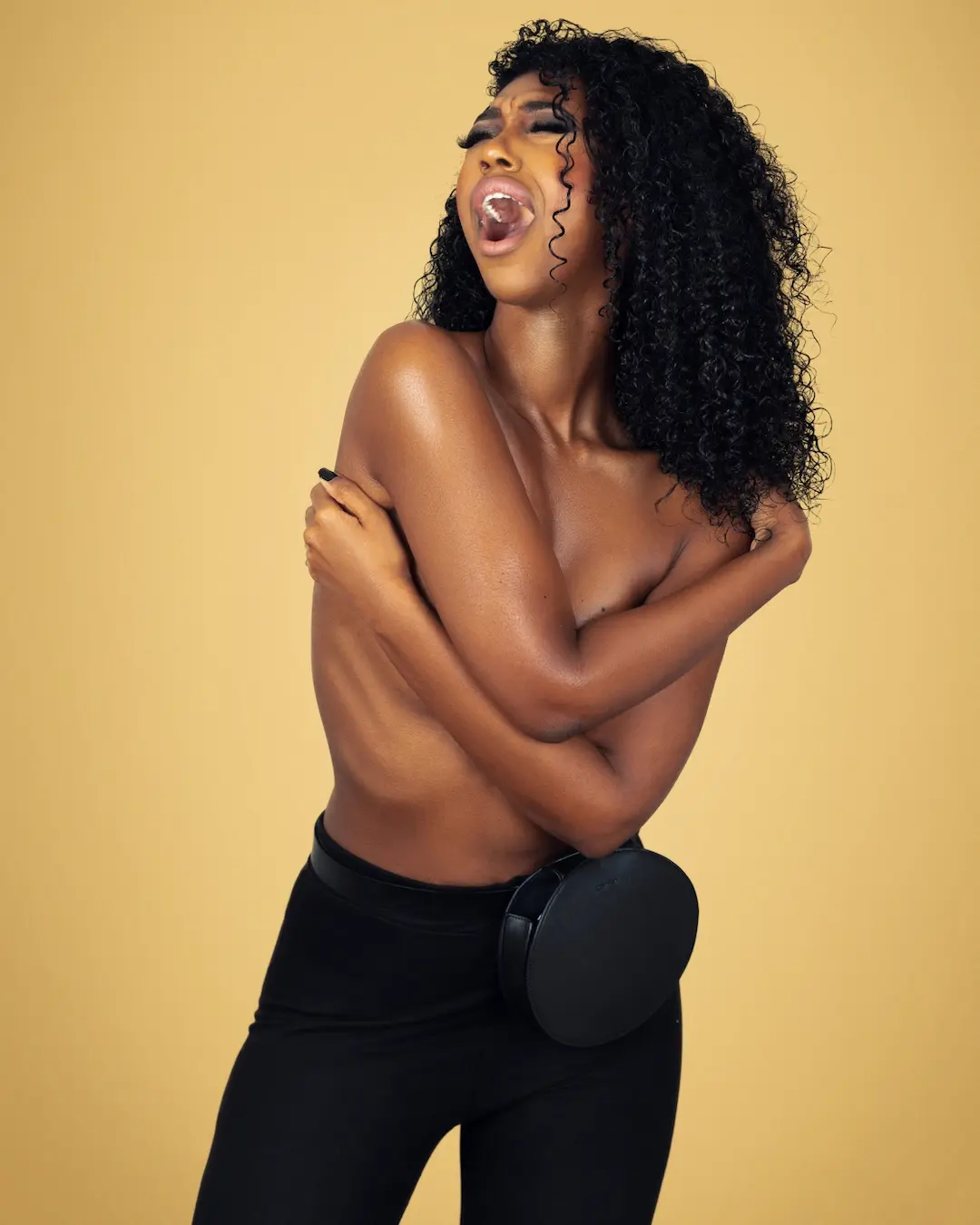
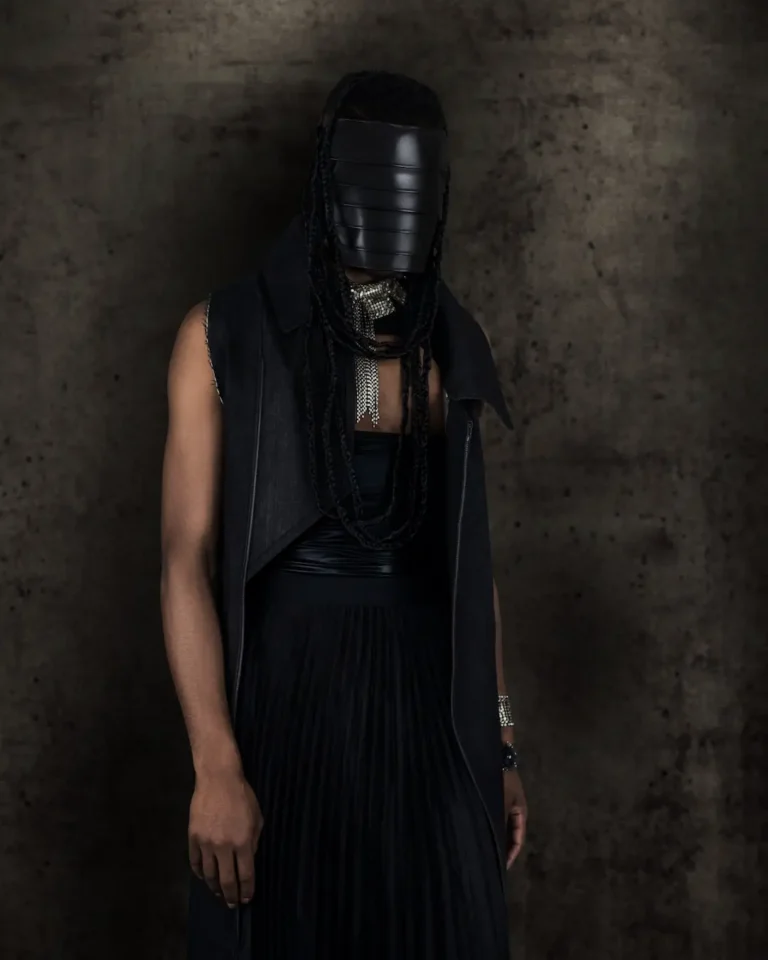
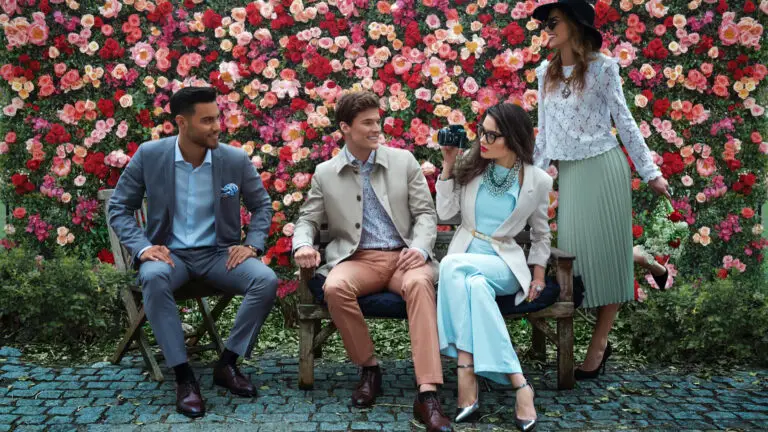
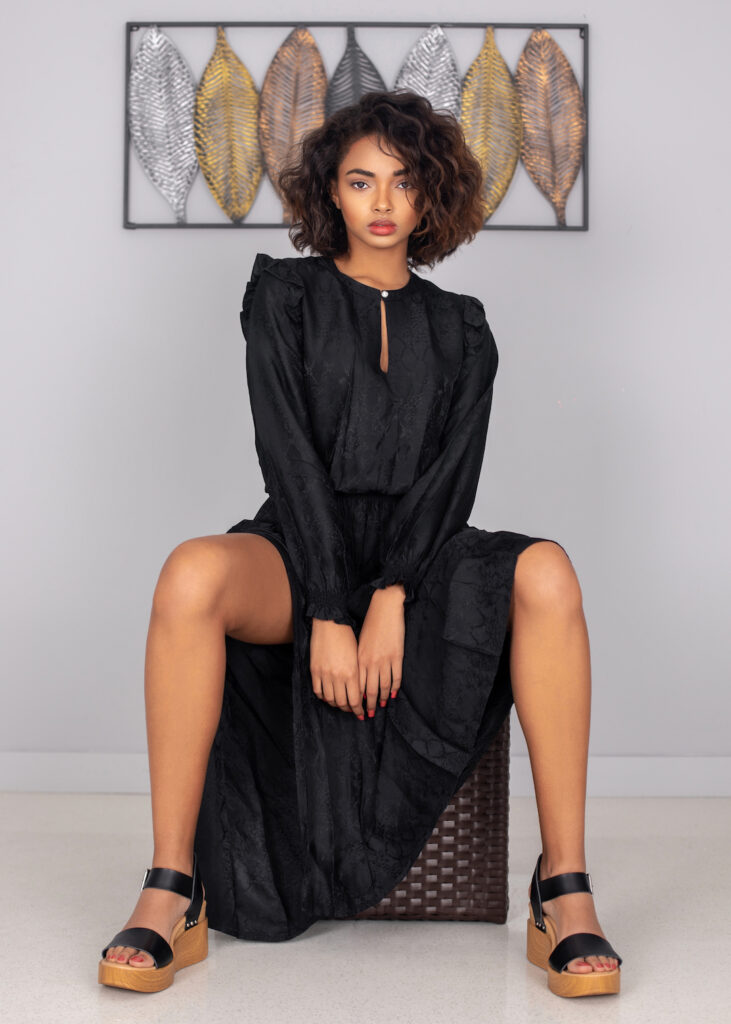
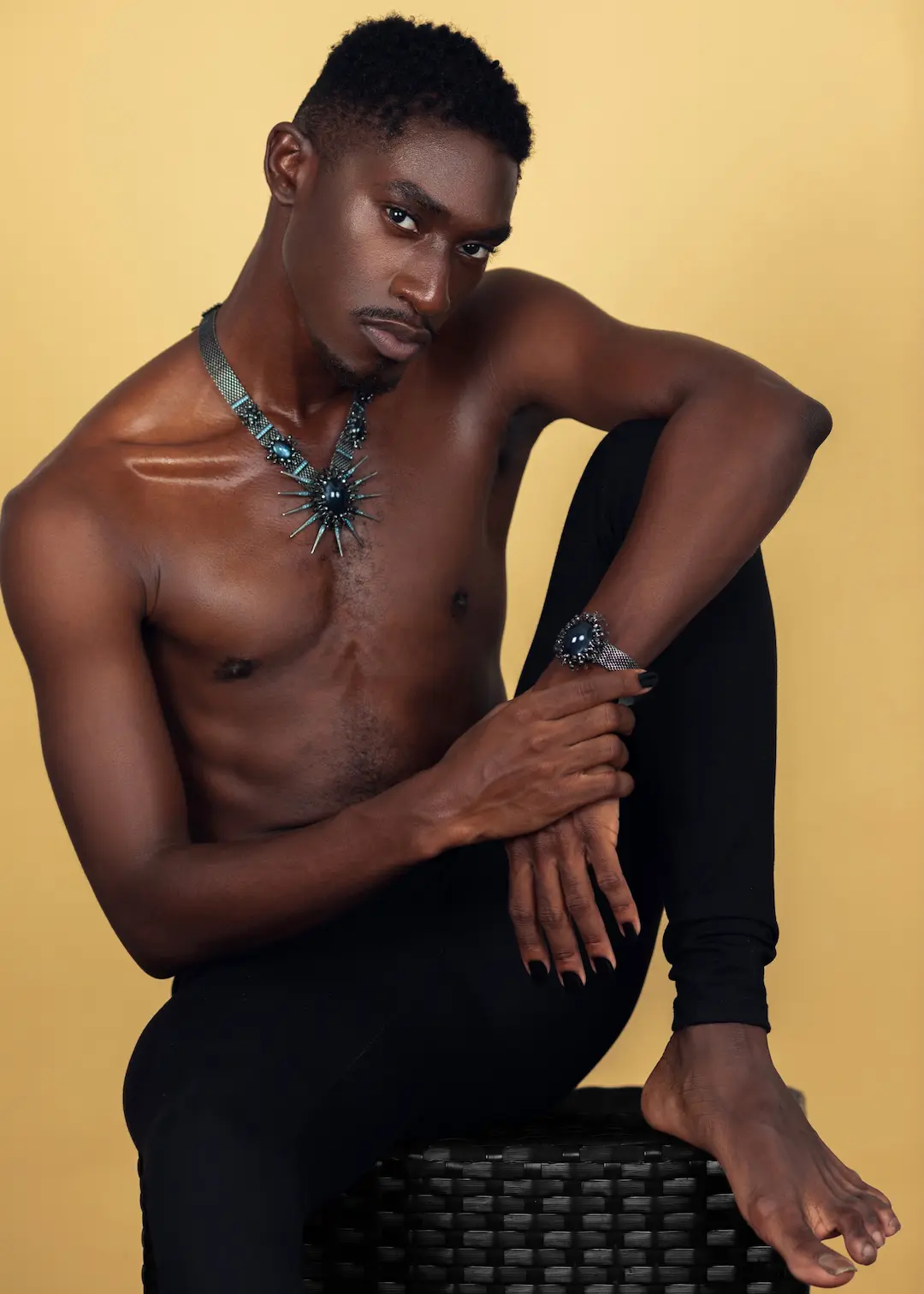
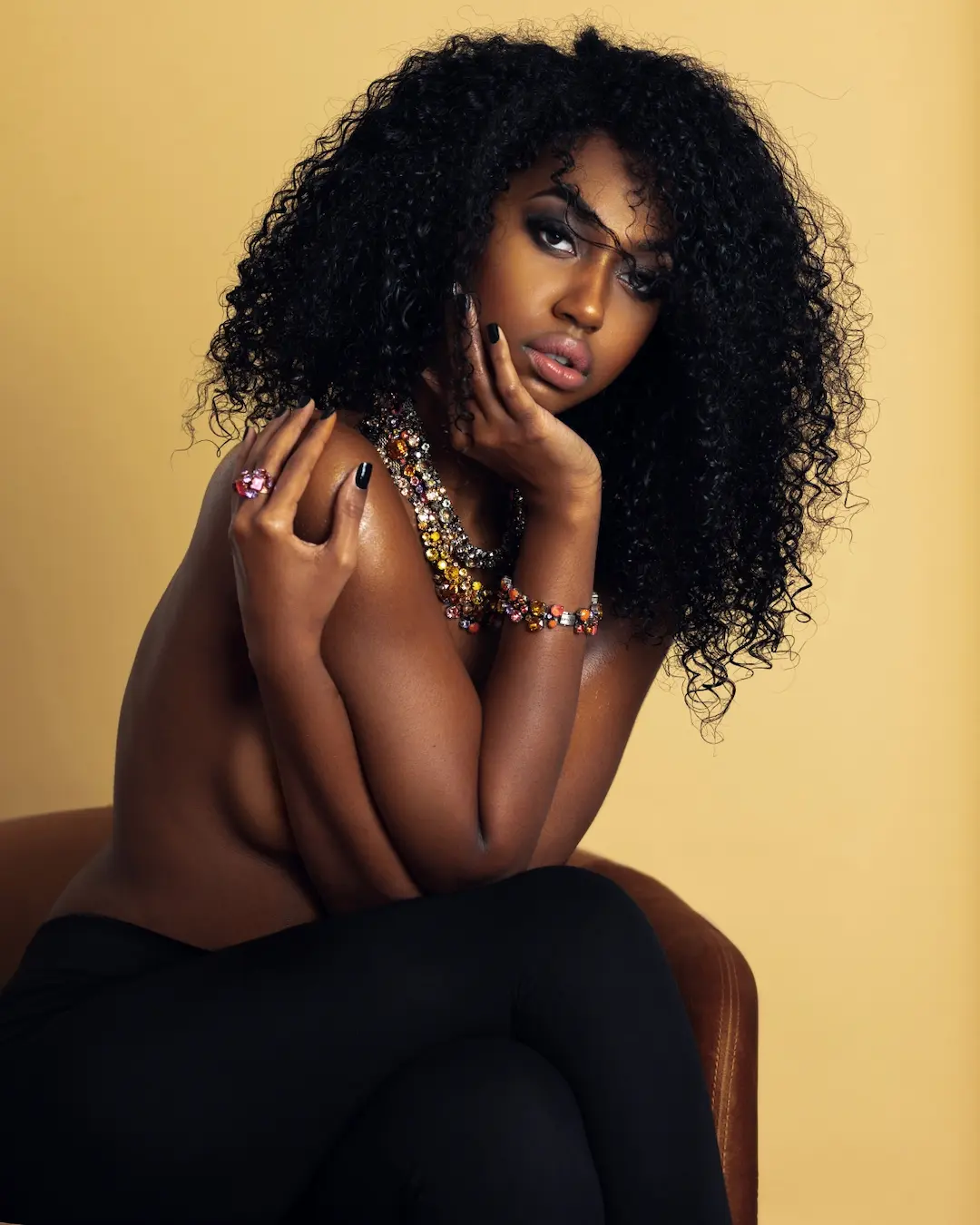
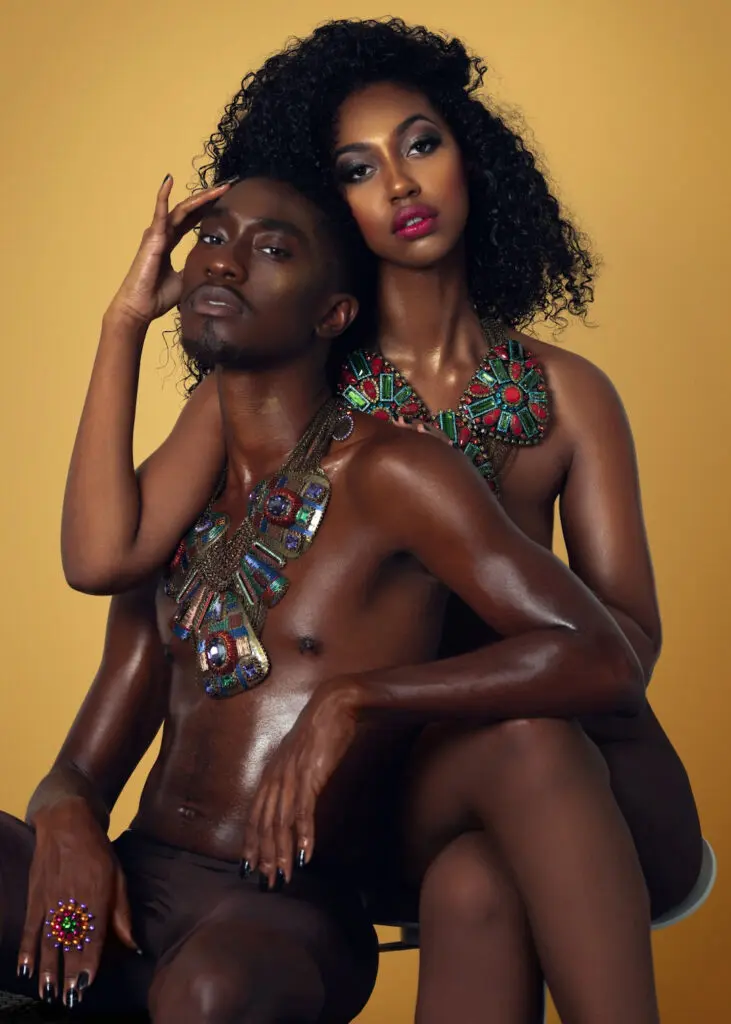
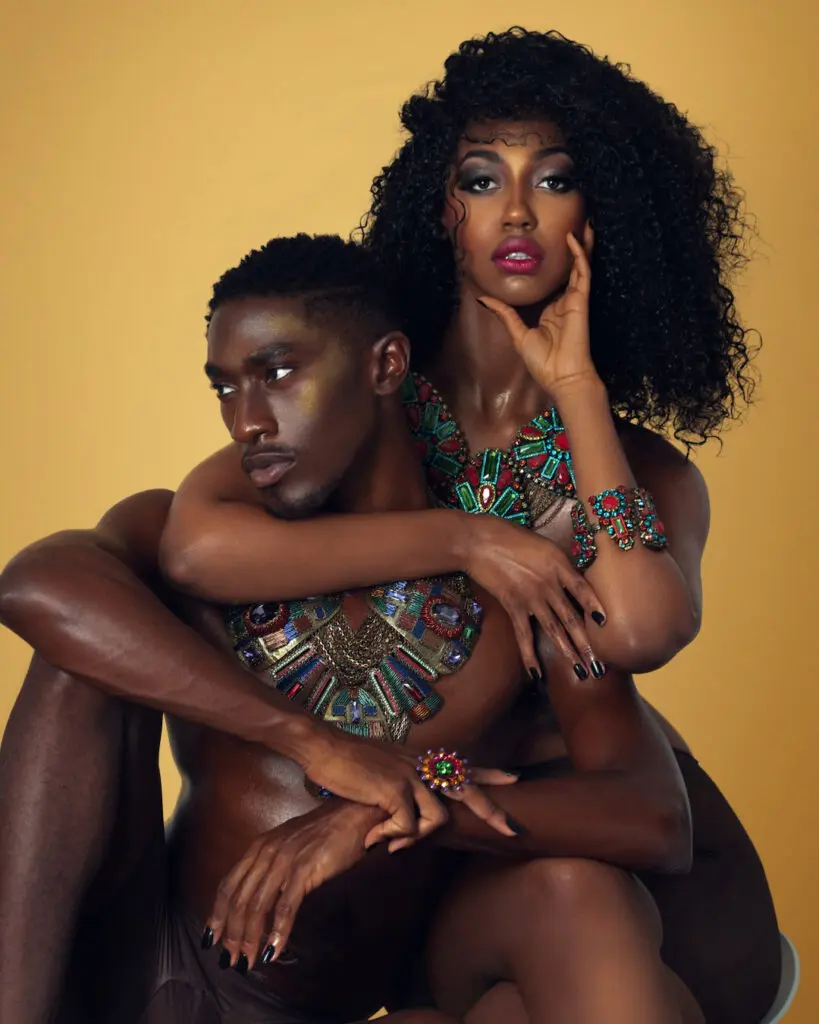
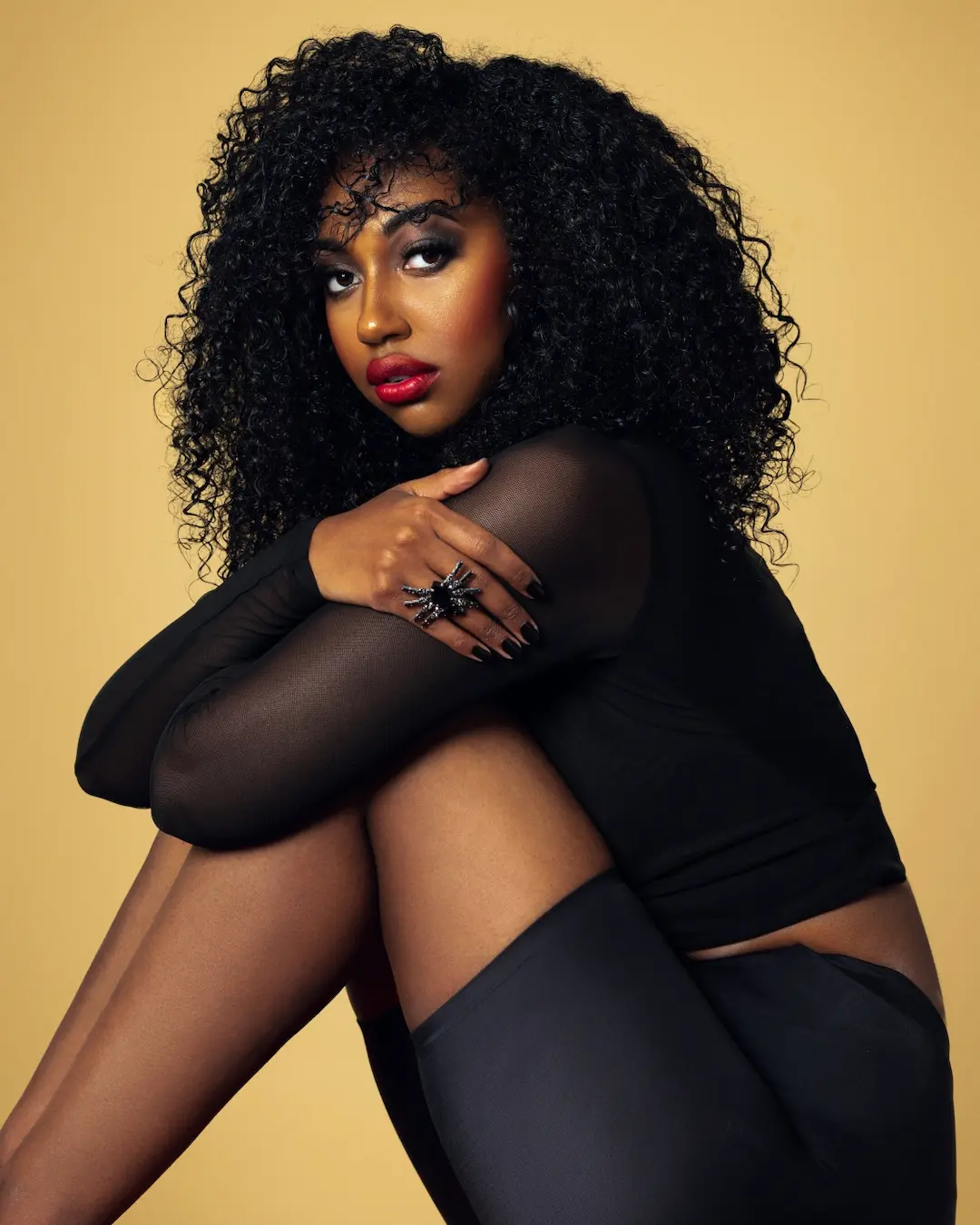
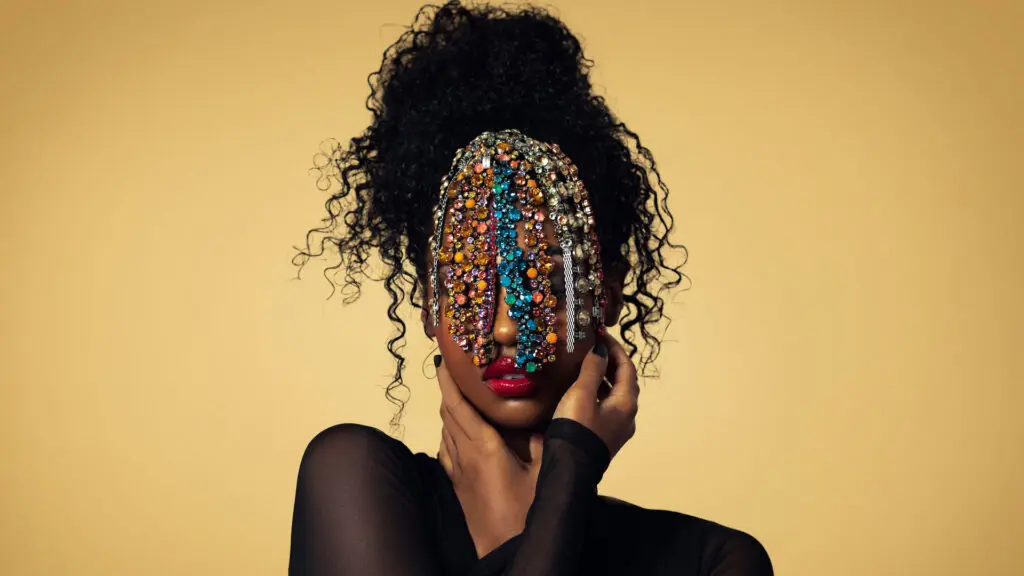
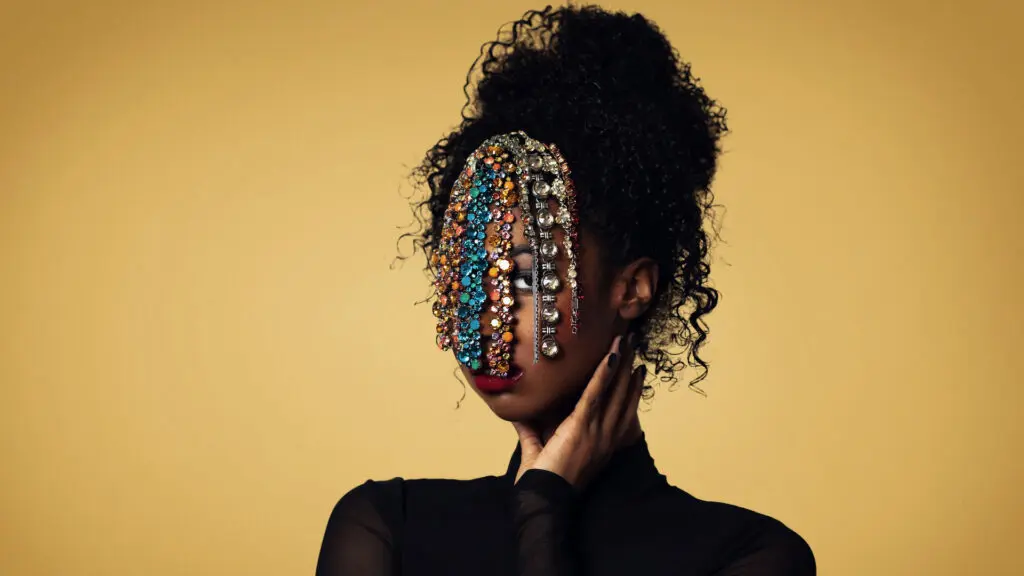
Editorial photography does more than document clothes. Pose, expression, jewelry, texture and color all communicate who is allowed to appear powerful, tender, elegant or unconventional. In this series, the restrained beige set gives the subjects visual space. Dark clothing anchors the frame, while sculptural accessories and expressive gestures make personality the focal point.
The images resist a single emotional register. Confidence appears beside softness; stillness sits beside defiance. That range matters. Representation becomes more meaningful when Black subjects are allowed to be complex rather than carrying the burden of symbolizing an entire community.
Identity is strongest when it is chosen, lived and expressed—not assigned from the outside.
Why Self-Chosen Language Matters
Language changes across generations and places. “Black” can be a shared political and cultural identity, while “melanated” can emphasize a positive relationship with skin tone and community. Neither term describes everyone in exactly the same way. Respect begins by listening to how people name themselves and by avoiding assumptions based on appearance.
This nuance also makes the story more historically responsible. The word “Moor,” for example, has been used broadly and inconsistently across different periods for Muslim populations connected to North Africa and Iberia. It should not be treated as a precise synonym for all Black or melanated people. The richer story is that African, Arab, Amazigh and European histories intersected in medieval Iberia, influencing art, architecture, scholarship and trade.
Fashion can make those layered histories visible through references, but context matters. Designers, stylists and editors should identify specific sources whenever possible rather than blending many cultures into one aesthetic category. For more cultural context, explore our feature on Black fashion designers and their influence.
Black Beauty Without A Single Standard
Melanin is the pigment that contributes to the color of skin, hair and eyes. Greater amounts of epidermal melanin can provide more natural protection from ultraviolet radiation, but darker skin can still develop sun damage and skin cancer. Pride and protection belong together; our practical guide to sunscreen for melanated skin explains why daily broad-spectrum protection still matters.
Visually, this editorial celebrates a spectrum rather than a hierarchy. Warm skin tones, natural hair, luminous makeup and vivid jewelry are photographed as central elements of the composition. The creative aim is not to prove that one kind of beauty deserves acceptance. It is to show that beauty was already present, varied and worthy of attention.
How Styling Builds The Story
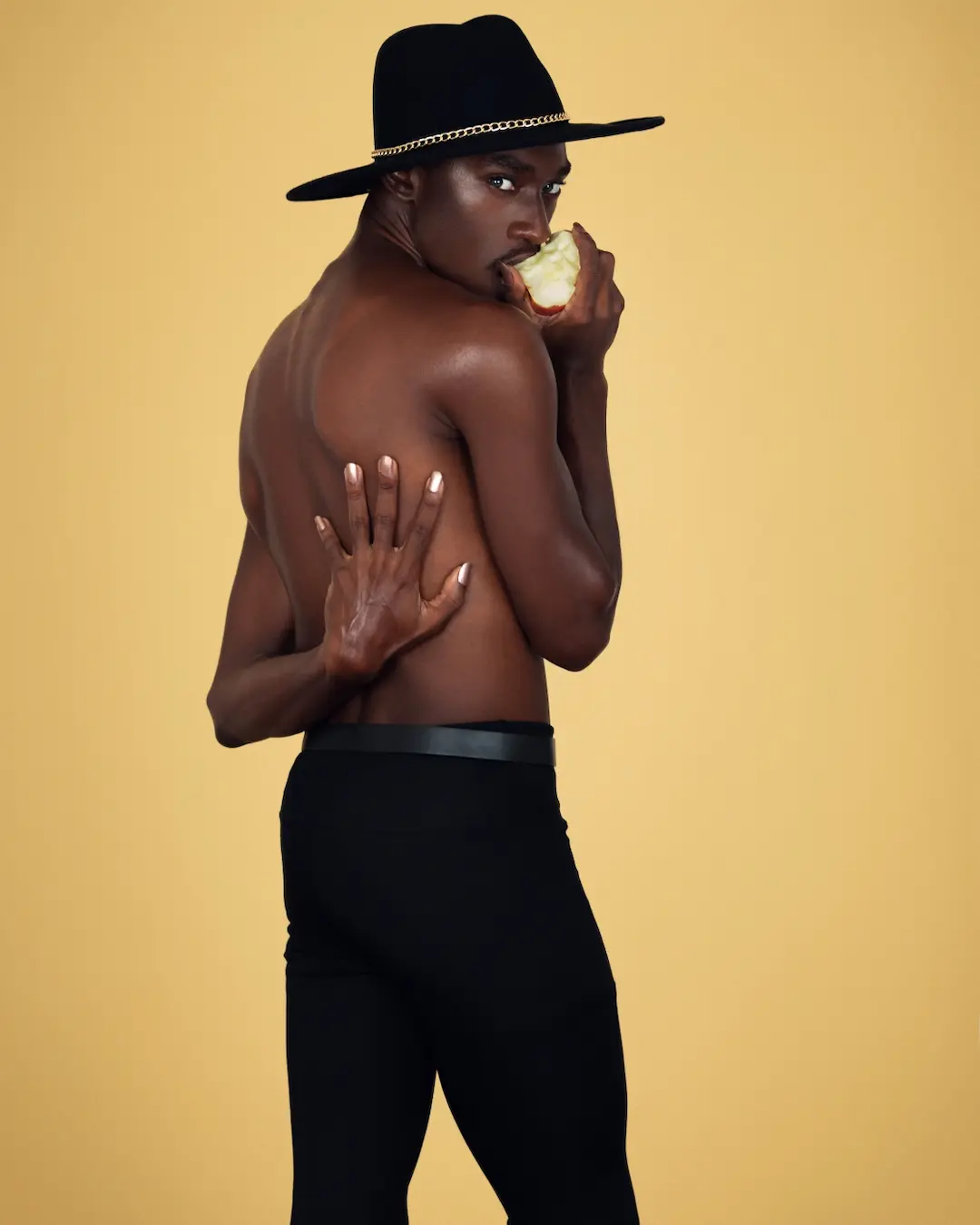
The wardrobe is deliberately minimal. Black separates create a consistent visual language across the cast, while belts, hats, metallic details and oversized jewelry distinguish each look. Because the palette is controlled, attention stays on faces, gestures and relationships between the models.
The apple introduces a familiar symbol without forcing a single interpretation. It can suggest knowledge, temptation, nourishment or self-possession. The strongest editorial images leave enough ambiguity for viewers to bring their own reading. See how a different visual concept uses color and lighting in our color gel fashion editorial.
Identity, Pride And The Right To Define Yourself
Pride does not require everyone to use identical language. It requires space for people to describe themselves without being corrected, stereotyped or flattened into a trend. If “melanated” resonates with you, use it with intention. If Black, African American, Afro-European, Caribbean, African or a national or ethnic identity feels more accurate, that choice deserves the same respect.
That is the enduring message of this editorial: identity can be collective without becoming uniform. Fashion photography is most powerful when it shows people as participants in their own representation rather than objects being interpreted by someone else.
Explore More Inclusive Fashion Stories
- Black Fashion Designers: History, Influence And Style
- Color Gel Fashion Editorial: Color Me Beautiful
- Sunscreen For Melanated Skin
- How To Get Featured In Fashion Magazines
Share Your Fashion Editorial
Have a visually coherent story with complete credits and confirmed publication rights? Review our contributor requirements before sending your work.
Book And Editorial Credits
Written by: Sophia Lenore
Photographer: Phil Halfmann
Creative Director, Wardrobe And Hair: Sophia Lenore
Makeup Artist: Aida
Models: Troy and Hope
Jewelry: Konplott
Book: Fortitudinous Women: Photography From The Melanated Nation.