Natural light can give fashion portraits shape, texture, and a sense of place. This guide shows how to plan an editorial portrait session outdoors, choose useful light, direct the subject, and keep a series visually coherent.
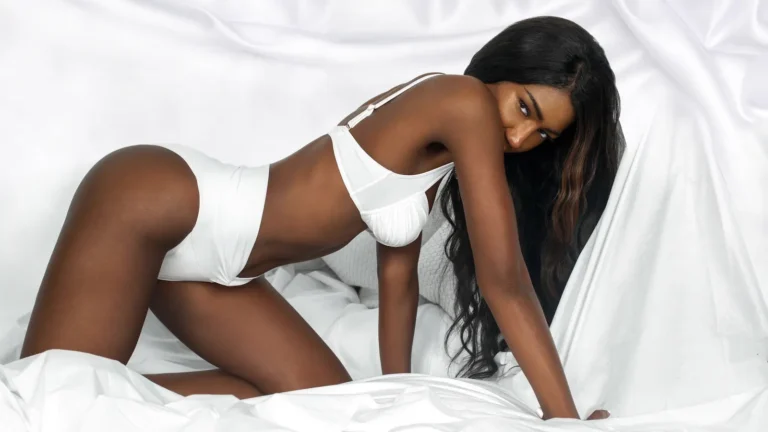
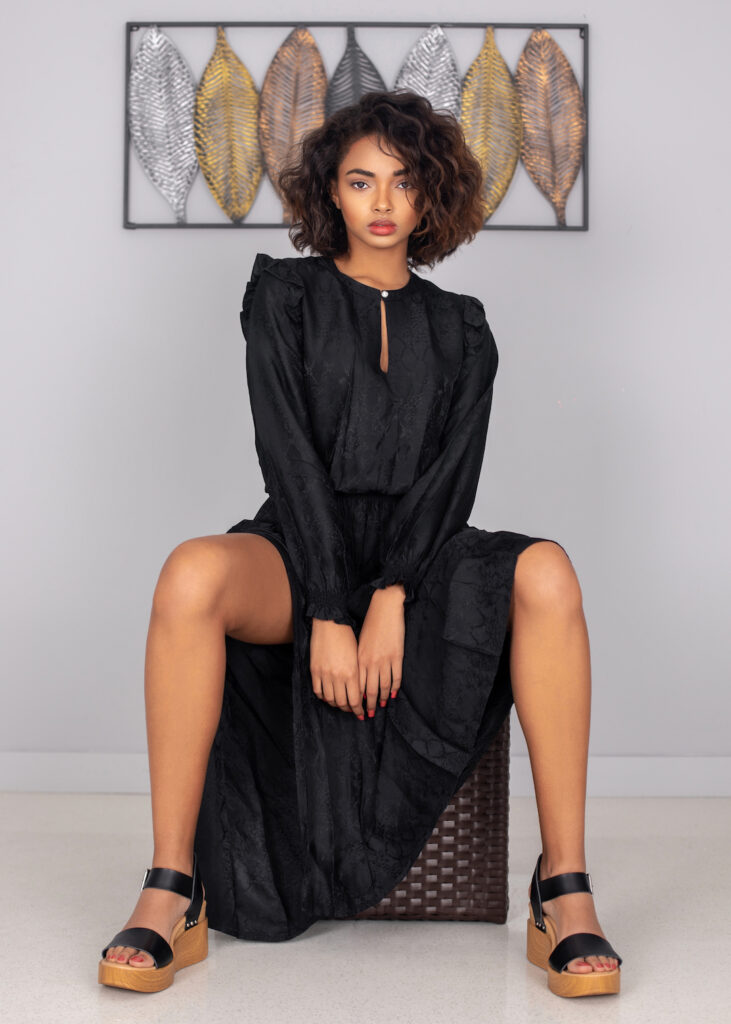
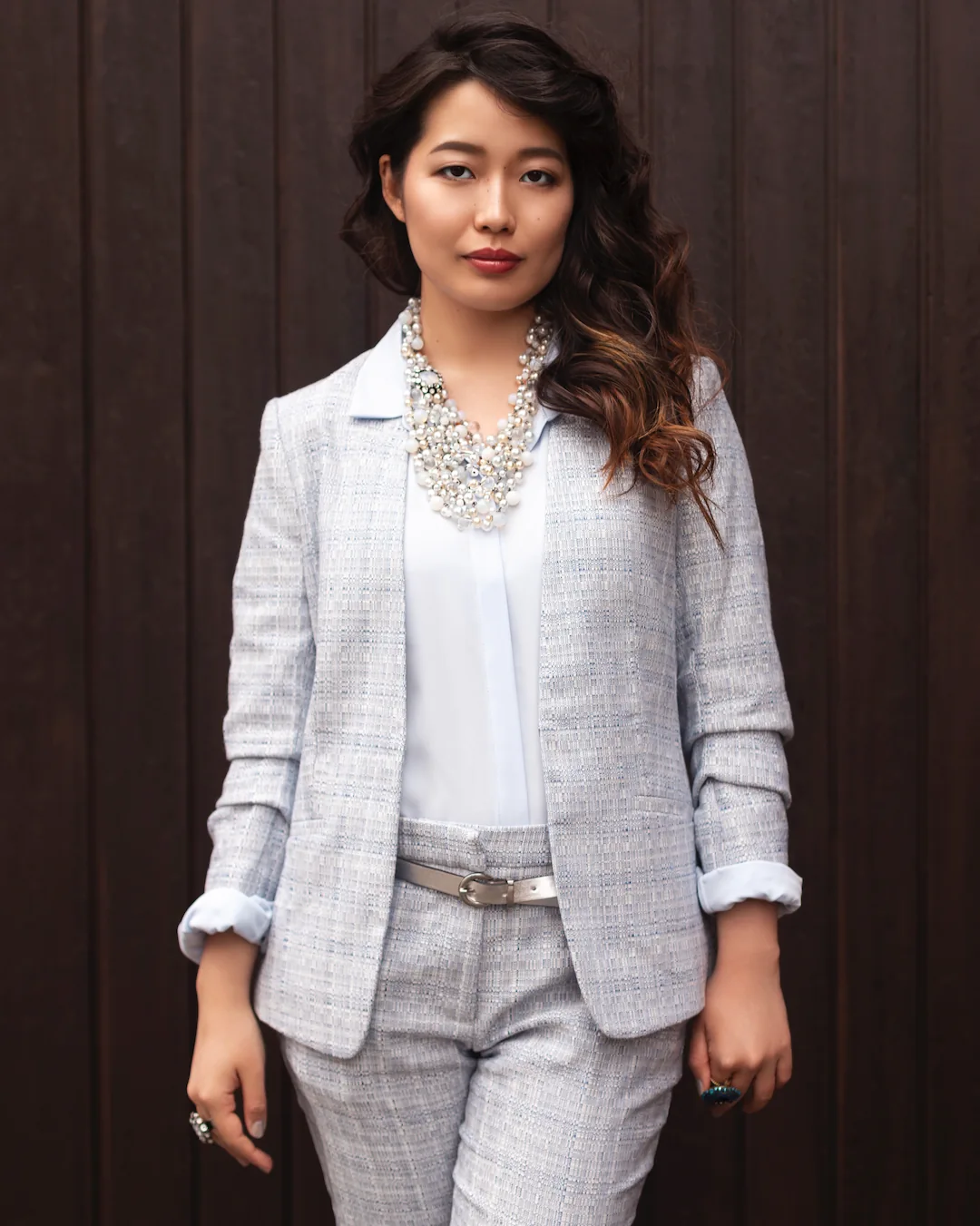
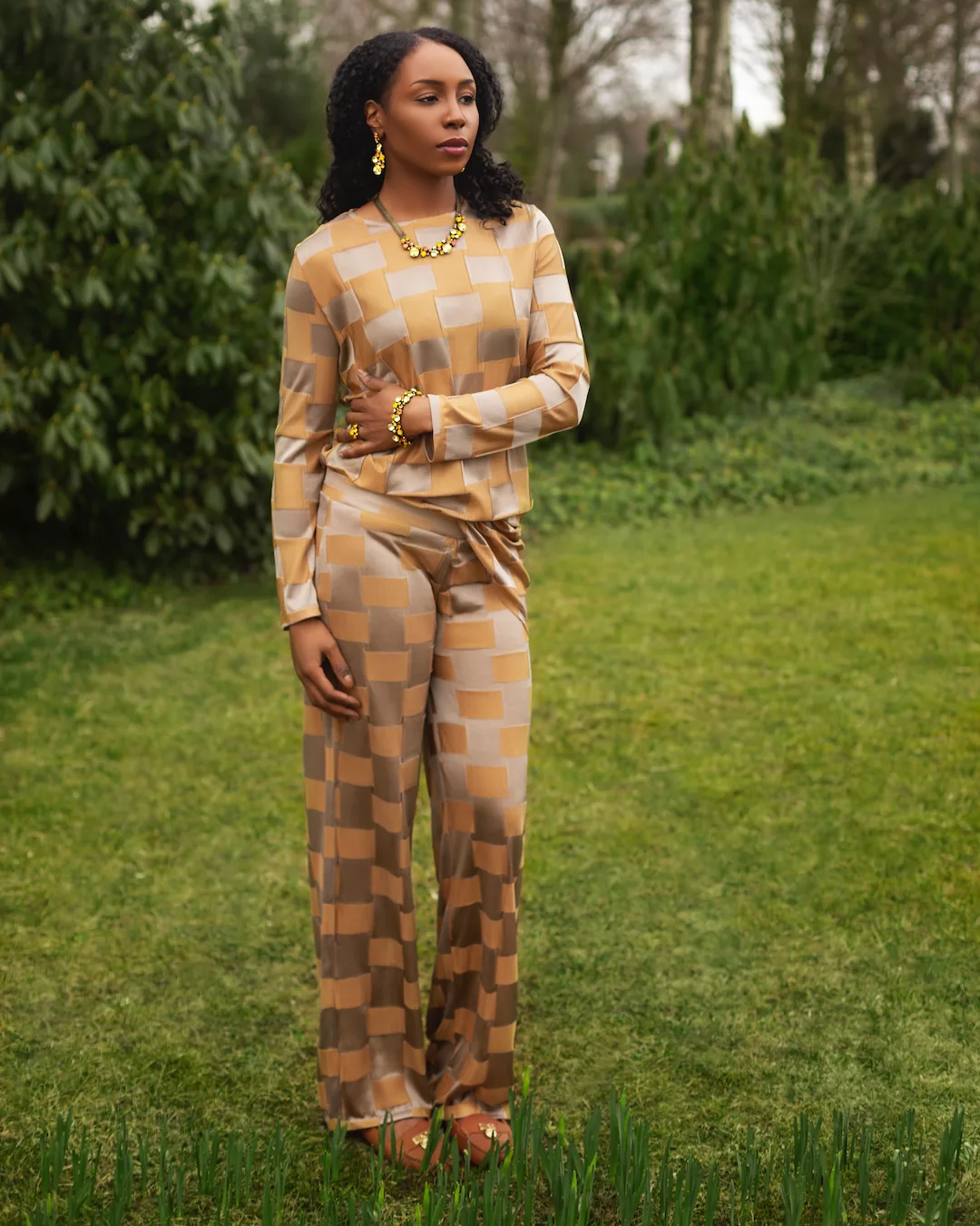
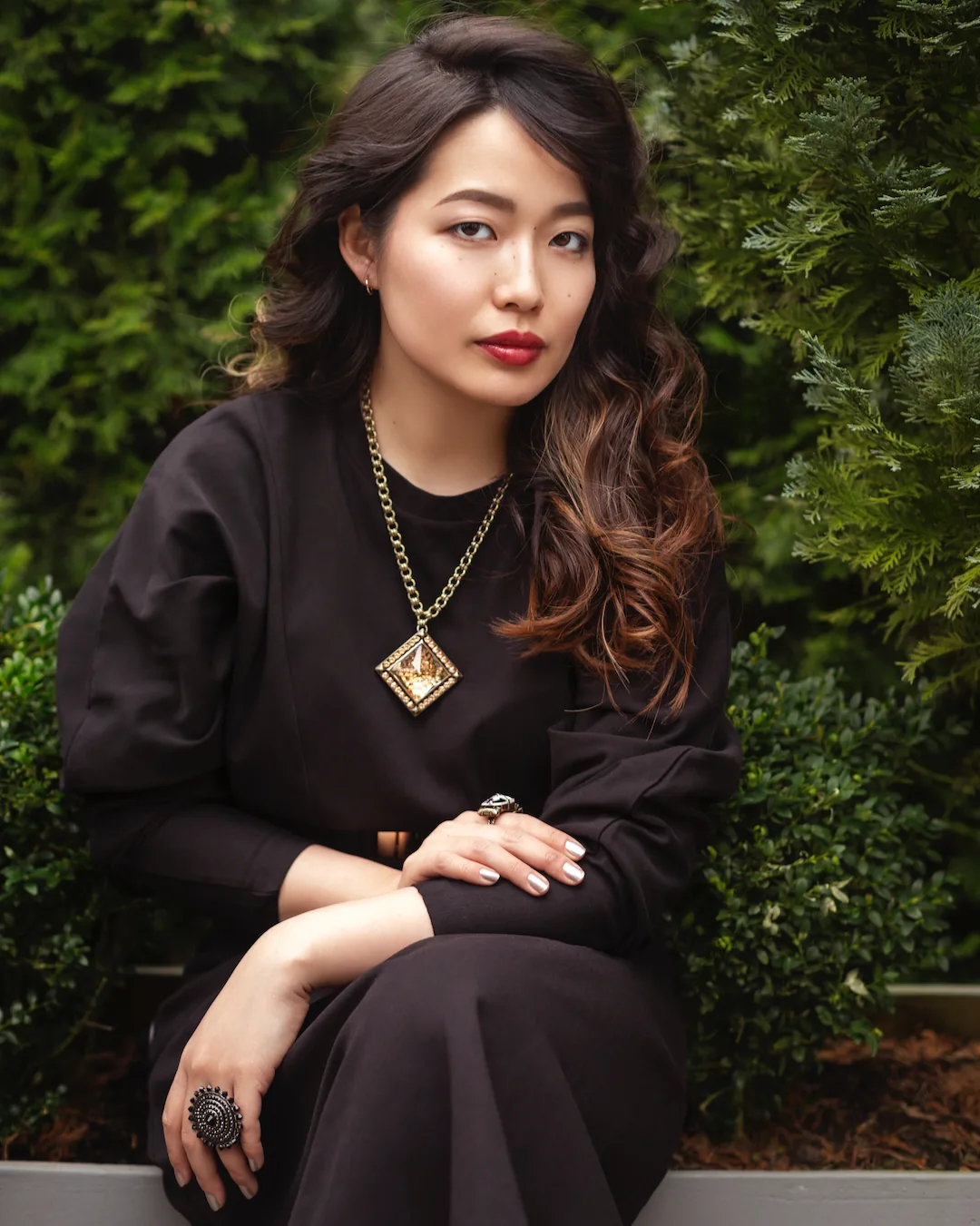
Our fashion portrait series brought together nine looks, several subjects, and a mix of simple architectural and green backgrounds. The photographs below illustrate different ways that wardrobe, setting, and available light work together. They are examples from the shoot, rather than a claim that one lighting setup works for every face or location.
Plan the Story Before Choosing the Light
Start with a short brief: who is the subject, what should the clothes communicate, and where will the images appear? Collect references for the mood, framing, palette, and poses. A sequence of close portraits, three-quarter frames, and full looks gives an editorial more range than repeated headshots.
Make a compact shot list for each outfit, then leave room for unplanned expressions. If you are building images for a model, see our model portfolio guide for a different goal: showing range clearly to agencies and clients.
Find Soft Light and Watch Its Direction
Open shade near a building or tree can reduce harsh contrast. An overcast sky creates a large, soft source; direct sun gives stronger shadows and requires more deliberate positioning. Photograph a test frame and check the face, clothing texture, and background together. Move the subject a step or turn them slightly before changing camera settings.
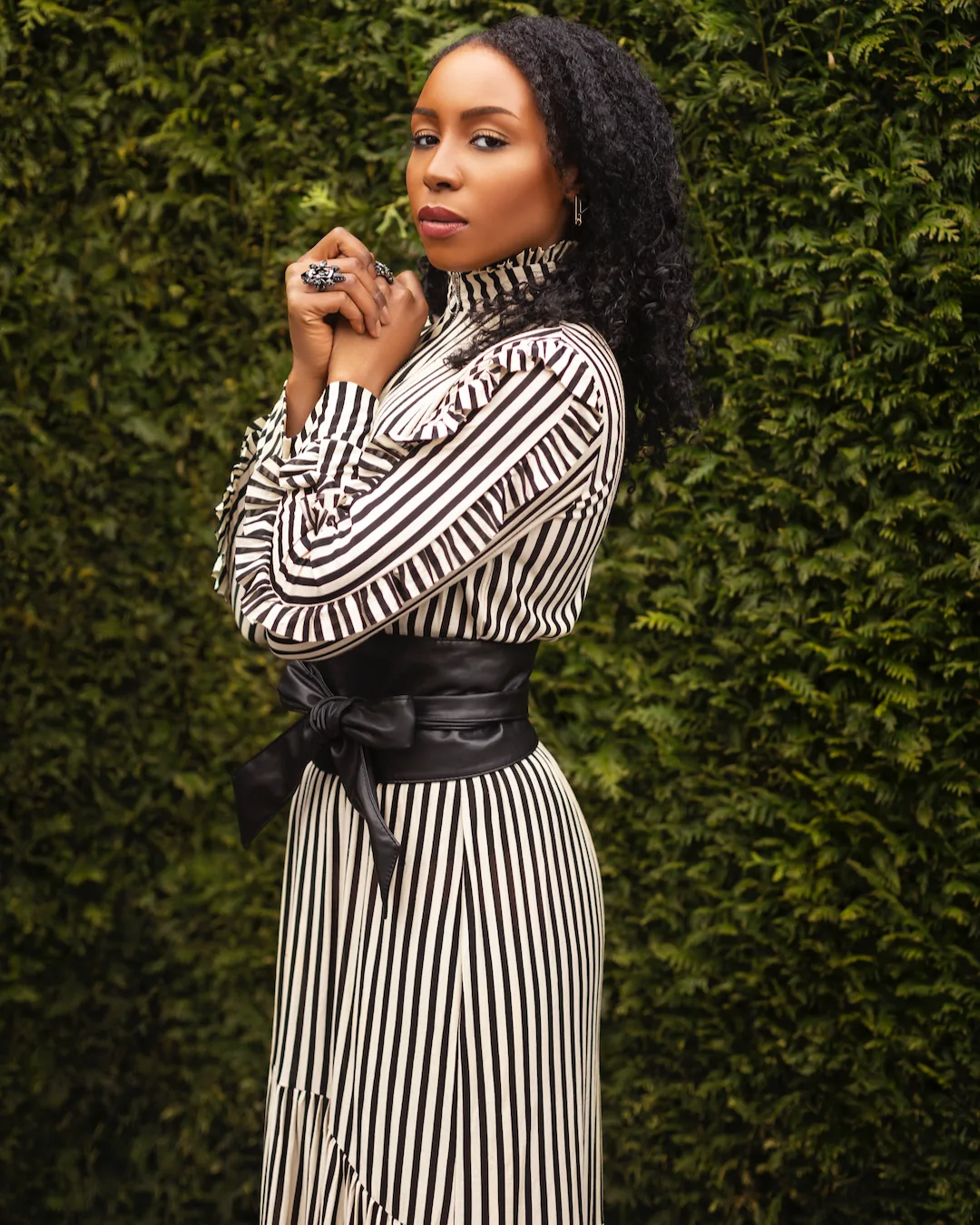
At midday, seek the shaded side of a building or use a nearby wall as a source of reflected light. Late-day sun can add warmth, but its changing position means the team should work efficiently. There is no universal “best hour”: the useful light is the one that serves the clothes, face, and intended mood.
Expose for the Face and Preserve the Clothes
Check the brightest parts of the face and any white garments before settling on exposure. Deeply shaded backgrounds may be allowed to fall darker when that supports the image. If bright fabric loses detail, adjust position or exposure and review another frame. A simple reflector or pale wall can lift shadows, while a dark surface can add shape.

For a group with different skin tones, test each person in the actual light and review the files together. Natural light does not automatically render every complexion equally well; placement, background contrast, exposure, and careful color work matter.

Use the Setting to Support Each Look
Look for lines, color, and separation from the background. A wooden surface can complement a tailored look, while foliage can soften a more graphic garment. Avoid poles, bright patches, and busy edges behind the subject. Take a wider establishing frame as well as tighter portraits so the series has pacing.
Direct Expression and Movement
Give the subject one clear action at a time: turn toward the light, take a step, adjust a sleeve, or hold a gaze just beyond the camera. Review the clothing after each change so the garment remains legible. Vary the framing and posture while keeping the overall story consistent.

The final edit should connect the looks through color, contrast, and sequence while respecting each person’s skin tone and the character of the clothing. Compare a few frames side by side before applying the same grade to an entire set.
What to Prepare for an Outdoor Portrait Shoot
- A one-page creative brief and a shot list for each look.
- A location plan with a shade option and a weather backup.
- A schedule that includes wardrobe, hair, makeup, and travel time.
- Permission for locations and clear agreements on image use where relevant.
- A way to review exposure and clothing details during the shoot.
For related approaches, explore our spring fashion editorial and Gentle Spirit wardrobe story. To plan a commissioned shoot, read what a photographer’s day rate covers. Production, crew, deliverables, and licensing determine the actual quote; natural light alone does not establish a reliable price.

Planning a fashion portrait campaign? Discuss the brief with Phil Halfmann.
Credits
Photography: Phil Halfmann
Creative direction: Sophia Lenore
Wardrobe styling: Yui Iida
Hair and makeup: Sophia Lenore
Jewelry and accessories: KONPLOTT