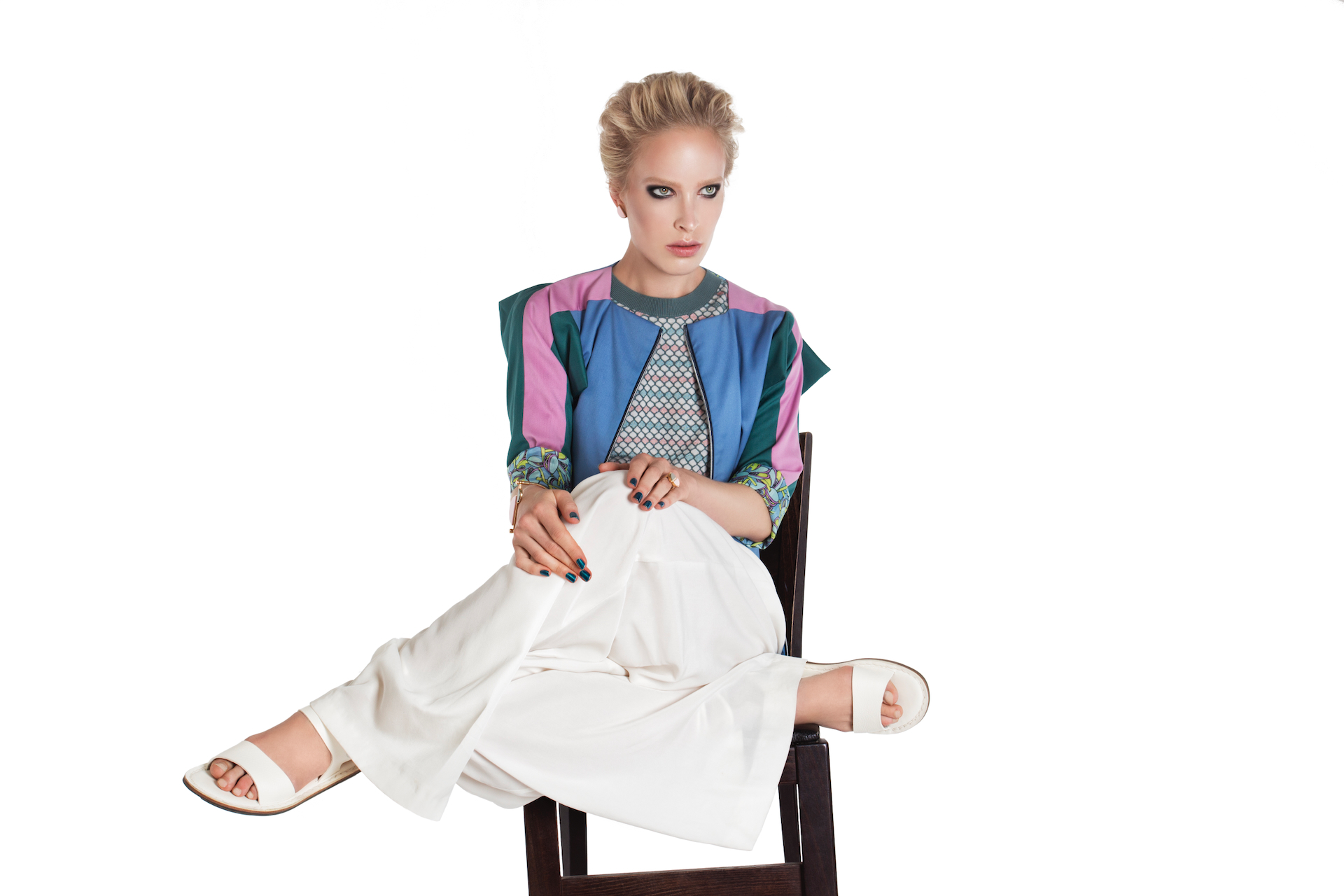
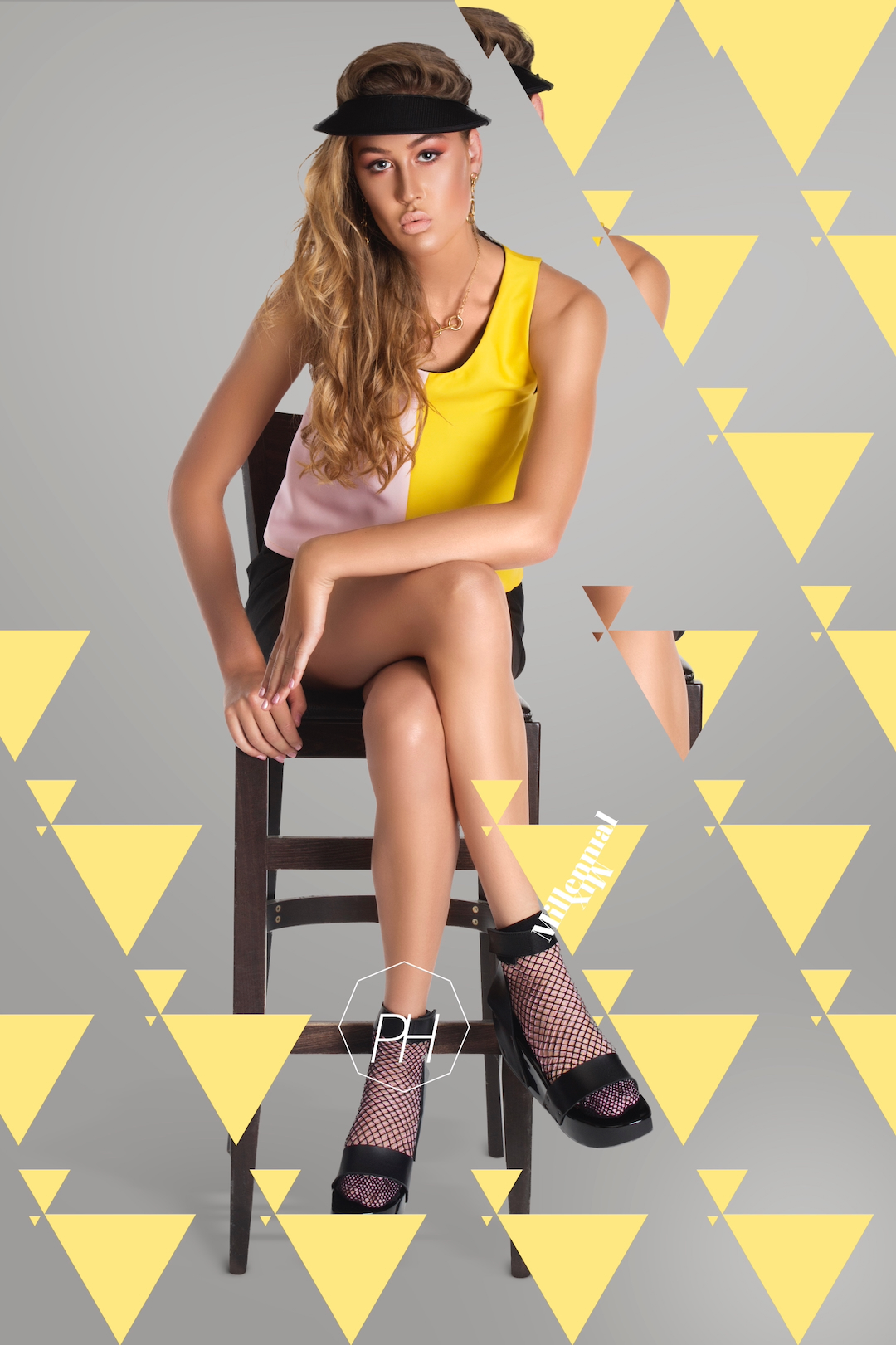
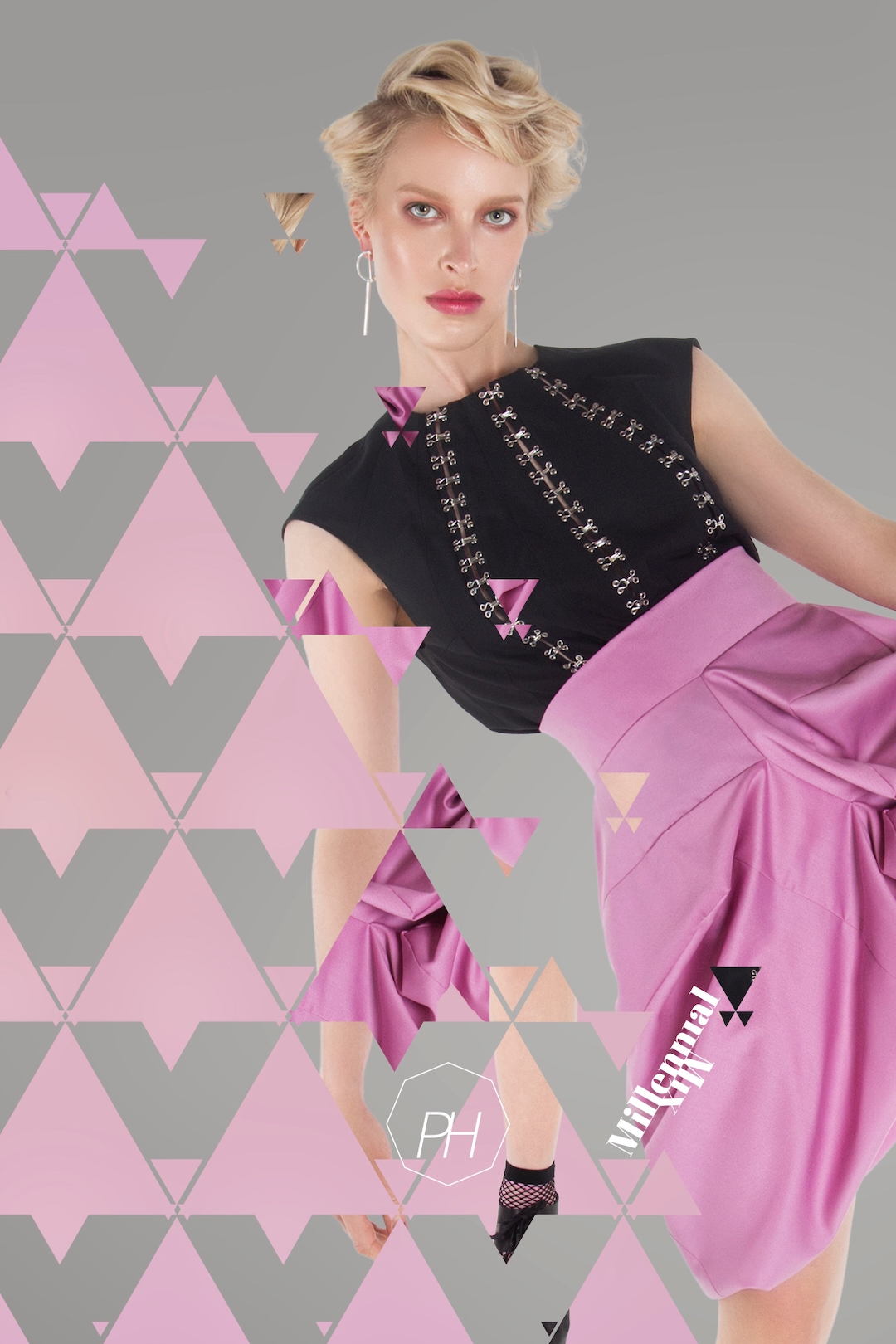
This colorful fashion editorial uses saturated color, graphic prints and confident layering to show how bold styling can remain cohesive. “Millennial Mix” is an image-led study in contrast, photographed by Phil Halfmann with model Suse Eder.
Color can lift an outfit, but an effective editorial needs more than a collection of bright garments. The palette, silhouettes, accessories and location must work as one visual system. In this story, vivid reds, blues, yellows and pinks move against a restrained urban setting, allowing each look to feel energetic without becoming chaotic.


Why The Colorful Fashion Editorial Still Feels Current
The photographs were created before maximal color returned to the center of many fashion conversations, yet the styling has lasted because it relies on clear principles rather than one short-lived trend. Each look uses one dominant visual idea—an assertive hue, a strong print or an exaggerated proportion—then supports it with quieter elements.
That balance matters. When every garment competes equally, the viewer has nowhere to look. Here, the face remains the anchor while color creates movement through the frame. The approach connects naturally with our avant-garde fashion editorial, where contrast also shapes the story, but “Millennial Mix” is brighter, more playful and easier to translate into everyday wardrobes.

Five Styling Ideas To Take From The Story
1. Choose One Color To Lead
A multi-color outfit feels intentional when one hue carries most of the visual weight. Repeat that color in a smaller detail—an accessory, print or beauty accent—to connect the look without making it overly coordinated.
2. Mix Prints Through Scale
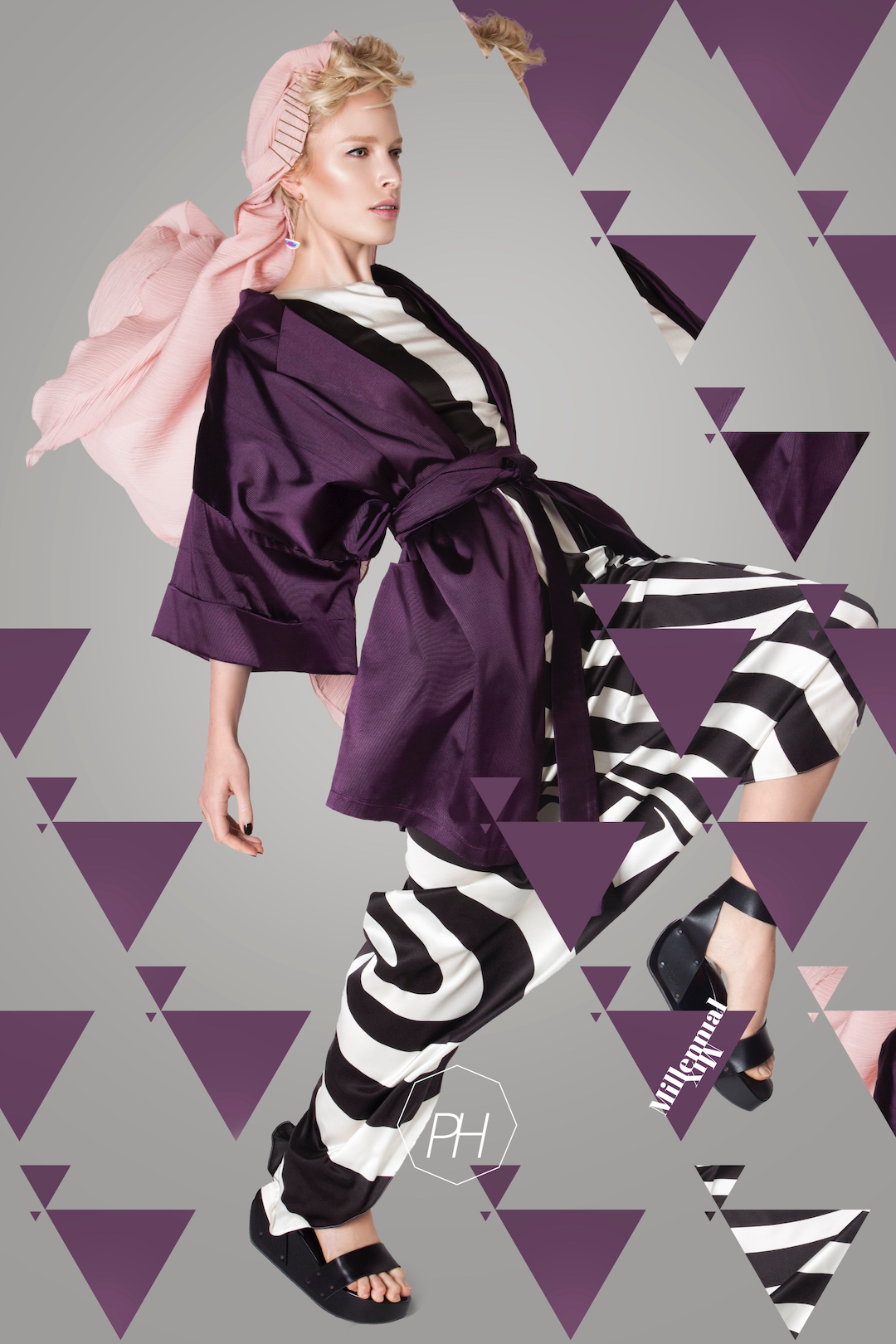
Print mixing is easier when the patterns do different jobs. Pair a large graphic motif with a smaller repeat, or let one pattern dominate while the other appears only as an accent. This creates hierarchy instead of noise.


3. Use Neutrals As Visual Space
Neutral shoes, a simple base layer or an uncluttered background can give saturated pieces room to breathe. This is the opposite of removing personality: the quieter elements make the expressive choices easier to see. For a more restrained version of the principle, explore our casual simplicity fashion editorial.
4. Let Silhouette Control The Energy
Color attracts attention first, but silhouette determines how the eye moves. A defined waist, an elongated jacket or a deliberate volume keeps a vivid outfit readable from a distance and in tighter portraits.
5. Treat The Pose As Part Of The Styling
Editorial fashion is not only about clothing. The model’s posture can repeat a garment’s geometry or counterbalance its volume. Strong posing turns color into attitude and helps every frame communicate a distinct mood.

How To Wear Bold Color Beyond The Editorial
The easiest entry point is a single statement piece: a vivid coat, printed trouser or saturated knit paired with familiar wardrobe staples. From there, add one related accent rather than introducing several unrelated colors at once. Tonal dressing is another useful route—combine lighter and darker versions of one hue, then add texture for depth.
If you prefer stronger contrast, use complementary colors in unequal proportions. One should lead and the other should punctuate. The same principle appears in our Miami graffiti fashion editorial, where clothing and environment deliberately push against each other.


Creating A Cohesive Fashion Story
For photographers, stylists and models, the practical lesson is consistency. Decide what the story is about before selecting every look. Repeat a limited set of visual cues across wardrobe, beauty and posing, then create variation through framing and movement. A coherent series is more memorable—and more useful for publication—than a group of individually strong images that do not belong together.
Developing your own editorial? Read our fashion magazine submission guide for advice on sequencing, credits, file preparation and pitching. You can also see how inclusive casting and styling shape a broader visual narrative in The Reemerging.
Explore The Photography Book
Fortitudinous Women presents portrait and fashion photography centered on strength, presence and self-definition.
Millennial Mix Credits
Written by: Sophia Lenore
Photographer: Phil Halfmann
Creative Director: Sophia Lenore
Lead Hair & Makeup Artist: Sophia Lenore
Wardrobe Stylist: Laura Eissfeld
Model: Suse Eder