Studio fashion editorial storytelling works when every creative decision supports one visual narrative—not when a team simply produces the largest possible number of looks. This behind-the-scenes guide follows our in-studio editorial with model Willina and explains how lighting, styling, model direction and set design created six distinct chapters without losing cohesion.
The final series moves from sculptural black swimwear to soft cream, vivid red, fuchsia and neon yellow. Color creates progression, but it is not the only connecting device. A graphic black-and-white set, controlled studio light, repeated curves and deliberate changes in Willina’s posture, expression and energy hold the story together.
What makes studio fashion editorial storytelling different?
An editorial is built around a point of view. A portfolio session must primarily demonstrate a model’s range. A commercial shoot must clearly serve a product, audience and usage plan. A fashion editorial can support both goals, but its first responsibility is to make a coherent visual statement.
That distinction should be agreed before production. If your immediate goal is agency submissions, begin with our guide to building an agency-ready modeling portfolio. If you are assembling a creative team, review how a professional photoshoot moves through pre-production, production and post-production.
- Concept: What should the complete series make the viewer feel? A clear answer prevents unrelated looks from becoming a random gallery.
- Wardrobe: How does each look advance the visual rhythm? The sequence should create contrast while preserving a recognizable point of view.
- Lighting: What remains consistent as the styling changes? A stable lighting language gives the final edit continuity.
- Model direction: What changes in line, gesture, gaze and expression? Direction should build range without relying on costume changes alone.
- Usage: Where may the images appear, and for how long? The answer clarifies releases, credits, licensing and deliverables before the shoot.
Studio fashion editorial storytelling across six visual chapters
1. Begin with a graphic silhouette
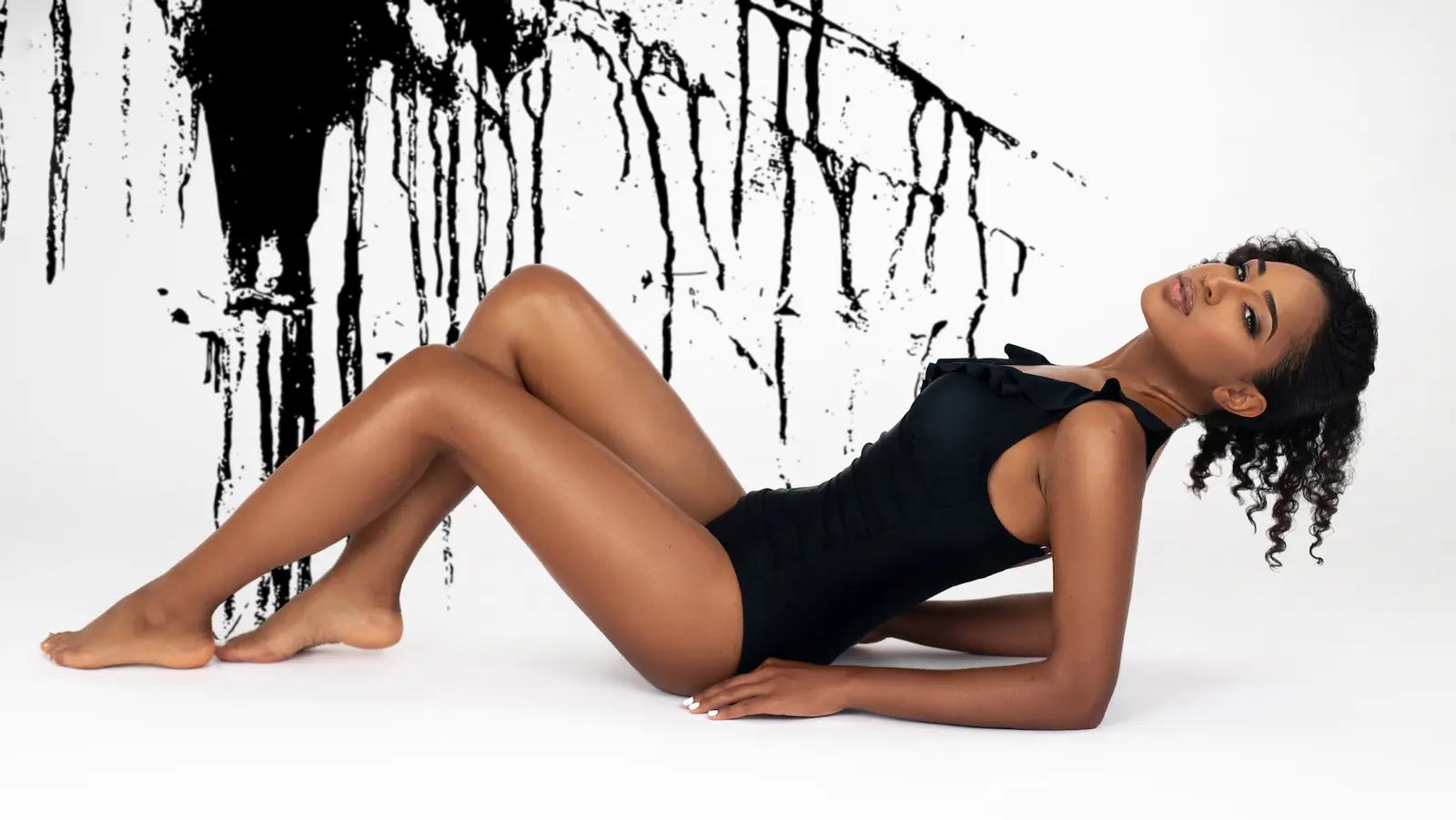
The first black look introduces the set’s strongest elements: clean white space, irregular black paint marks and an uninterrupted silhouette. Starting on the floor made the body line part of the composition instead of treating the backdrop as decoration.
Model direction here was specific without becoming rigid. The objective was an elongated line with enough tension to feel intentional. Small adjustments to the shoulders, hands, chin and feet mattered more than collecting dozens of unrelated poses.
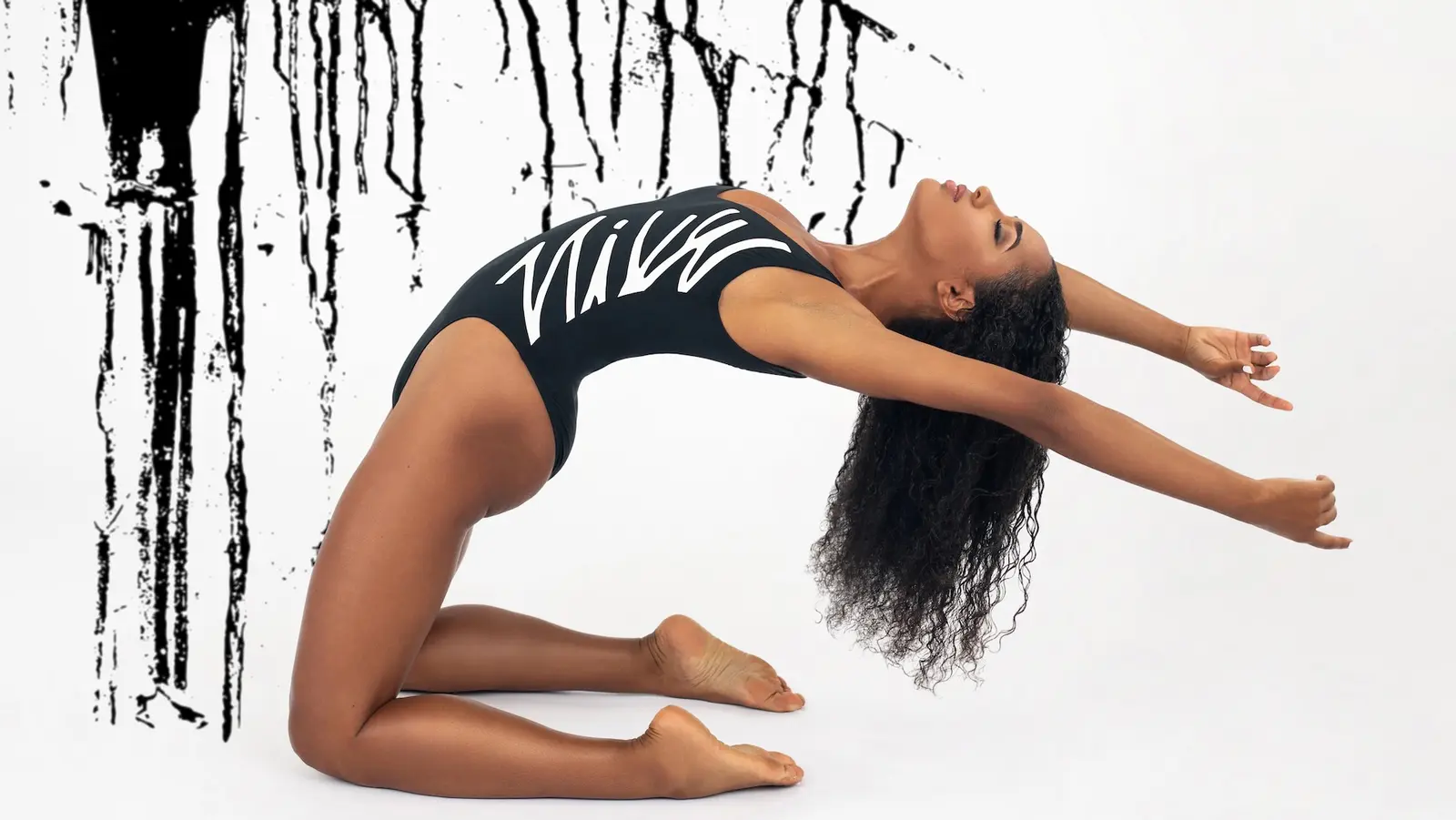
2. Move closer to reveal expression
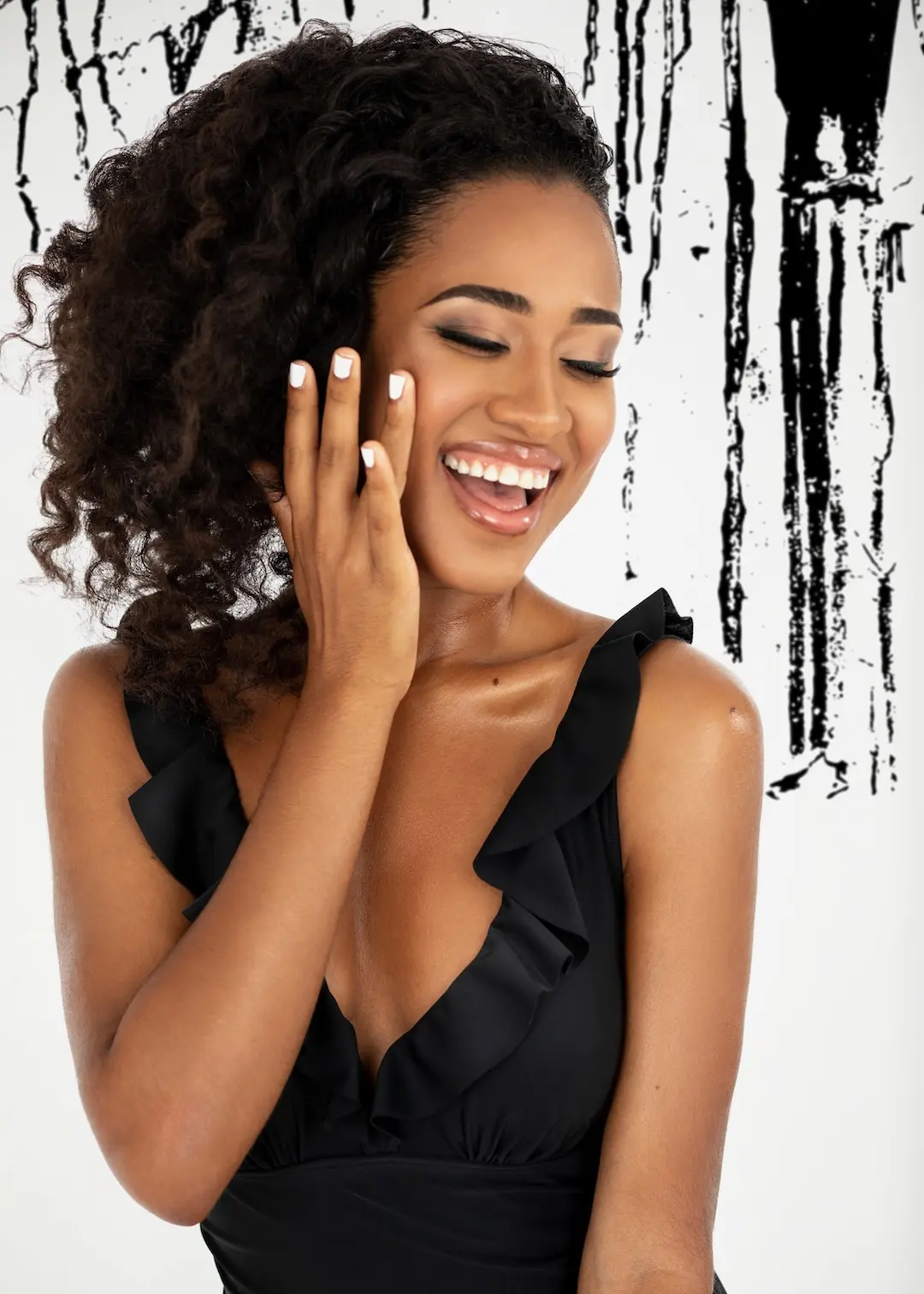
A fashion story needs pacing. Moving from full-body frames to a close beauty portrait gives the viewer a pause and shows another dimension of the model’s performance. It also makes the final edit more useful across a magazine layout, social crops and portfolio sequencing.
3. Use tonal contrast, not a completely new visual language
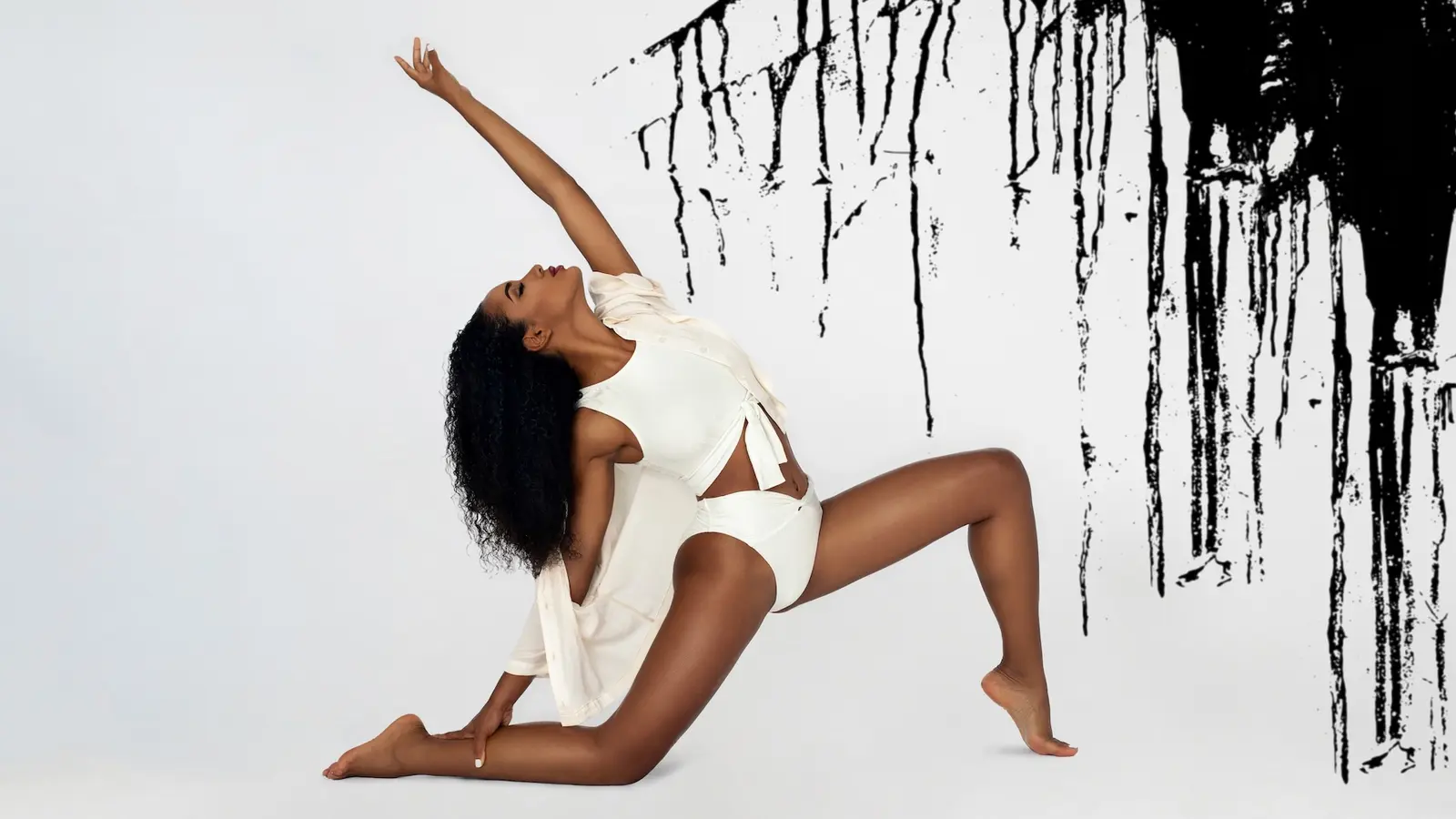
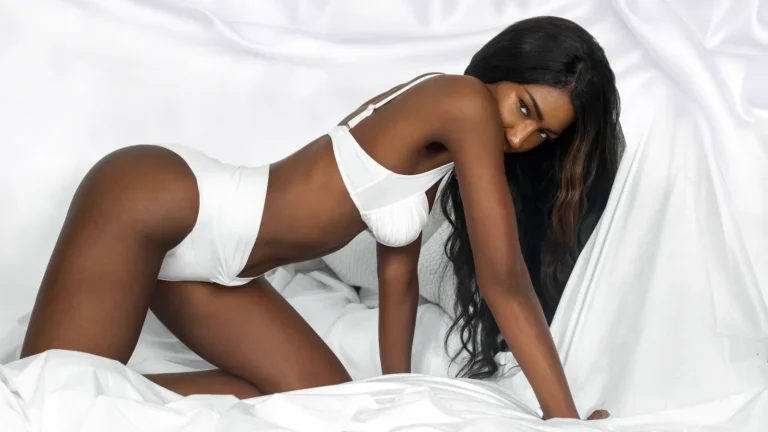
The cream look changes the tonal relationship without abandoning the concept. Rather than introducing a new backdrop or complicated prop, the team used pose, wardrobe tone and placement within the existing set to create a distinct chapter.
4. Let fabric create movement
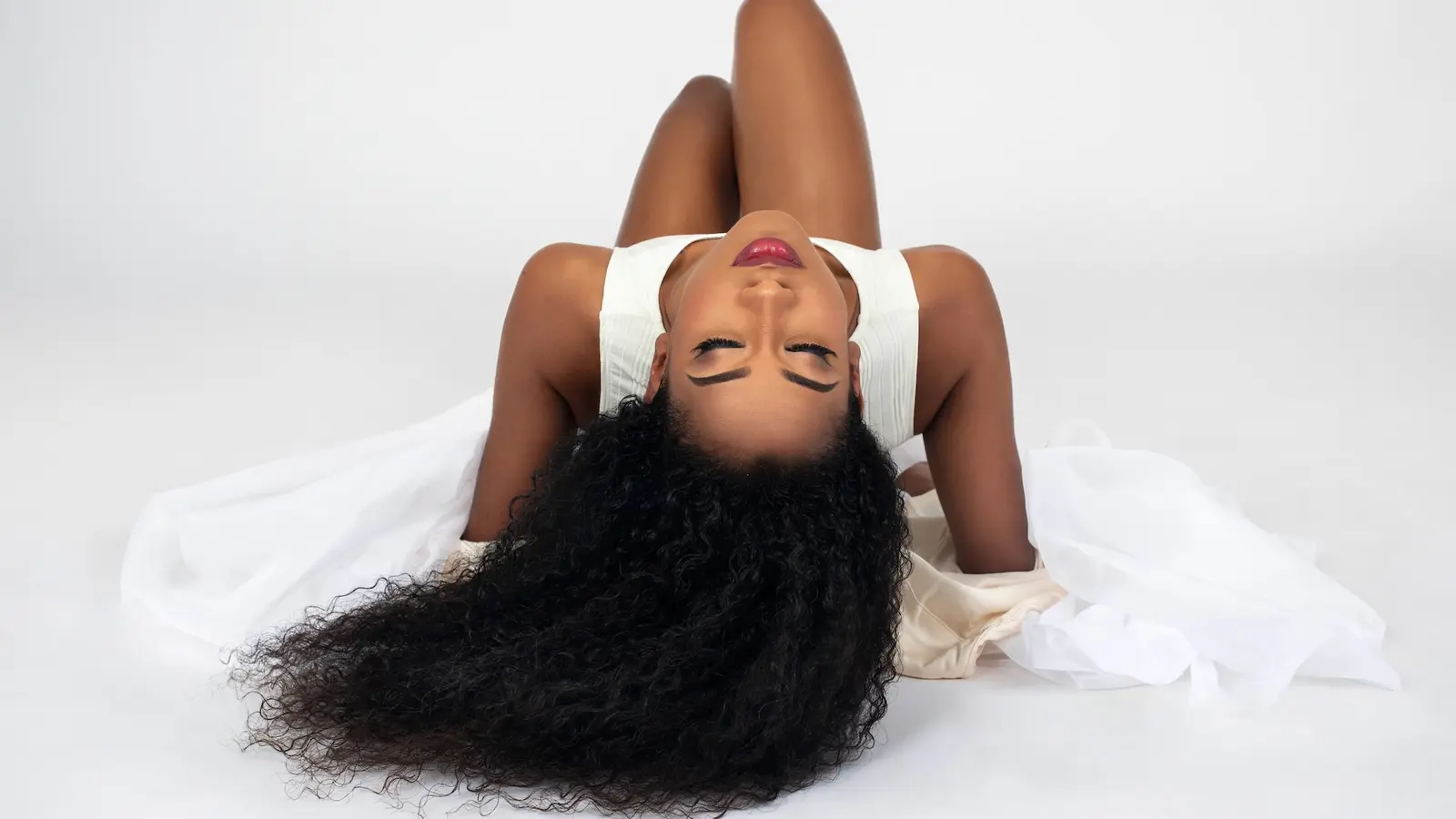
Fabric can add motion, but only when it supports the frame. Here, translucent white tulle extends the shape around the body and softens the transition between skin, wardrobe and background. The material remains a supporting element rather than becoming a distracting prop.
5. Increase color and visual tension
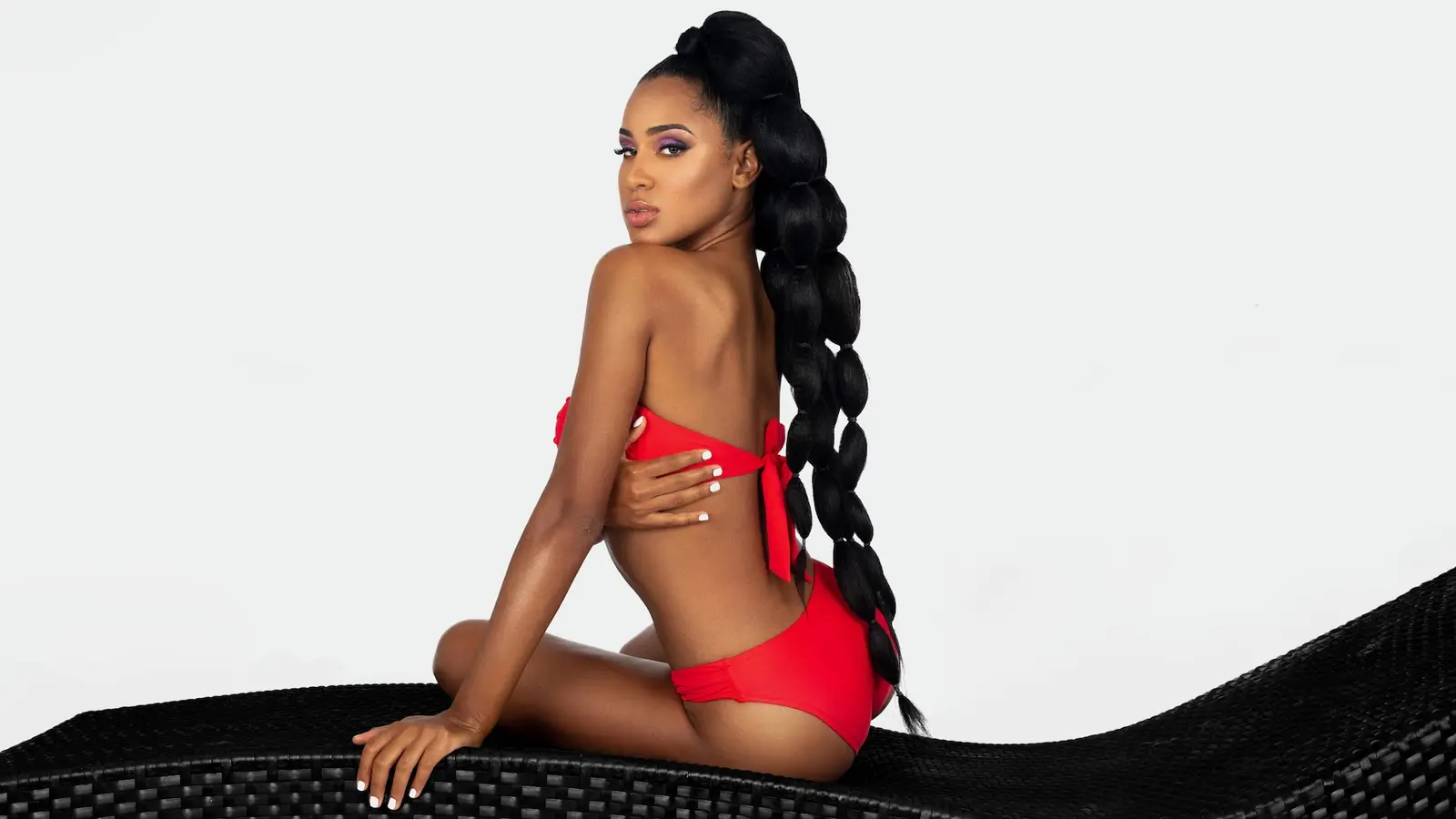
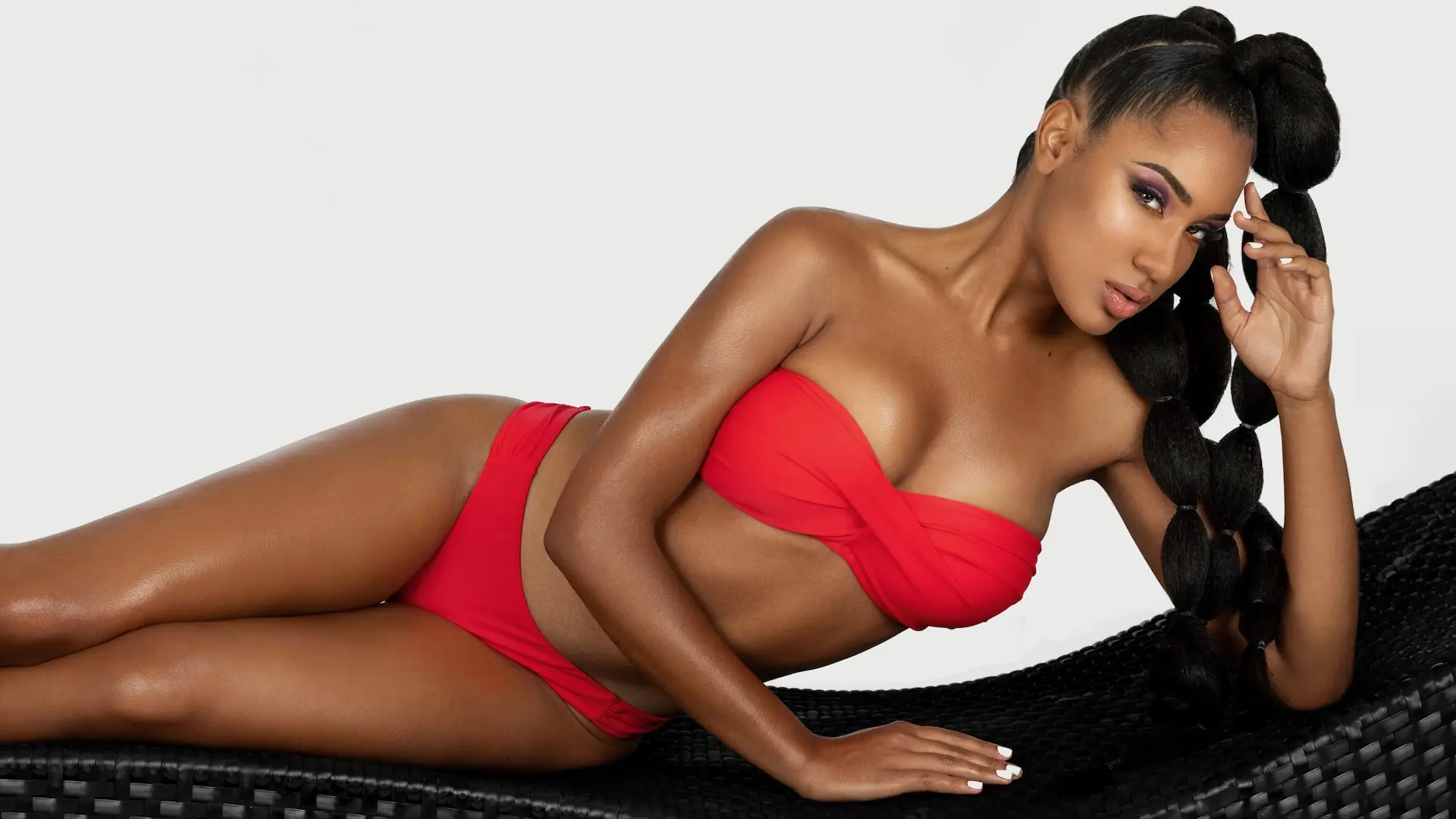
The red look marks the series’ strongest color shift. A dark woven bench adds texture and a horizontal anchor. The frame still belongs to the same story because the light, white floor and controlled composition remain familiar.
6. Finish with playful color
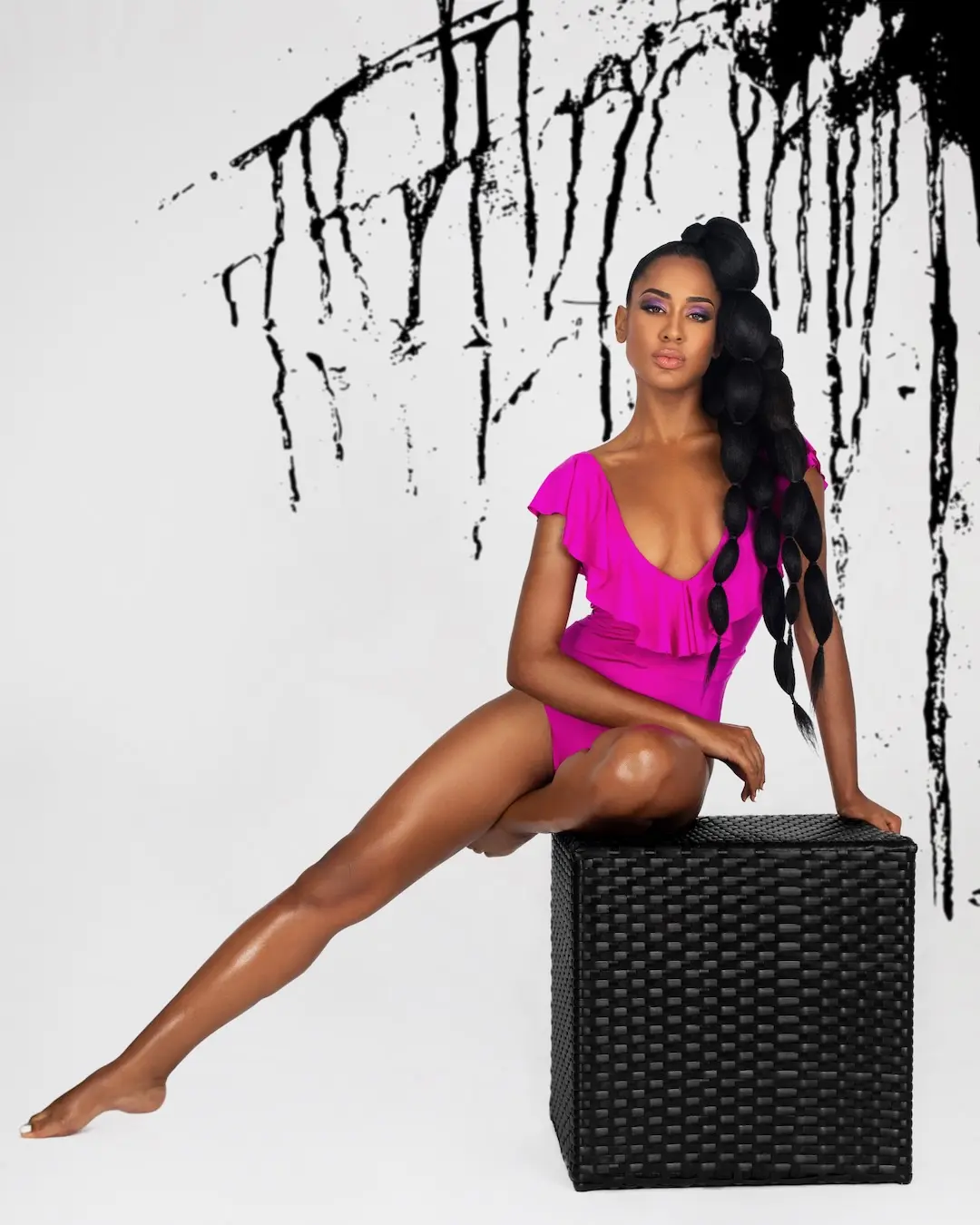
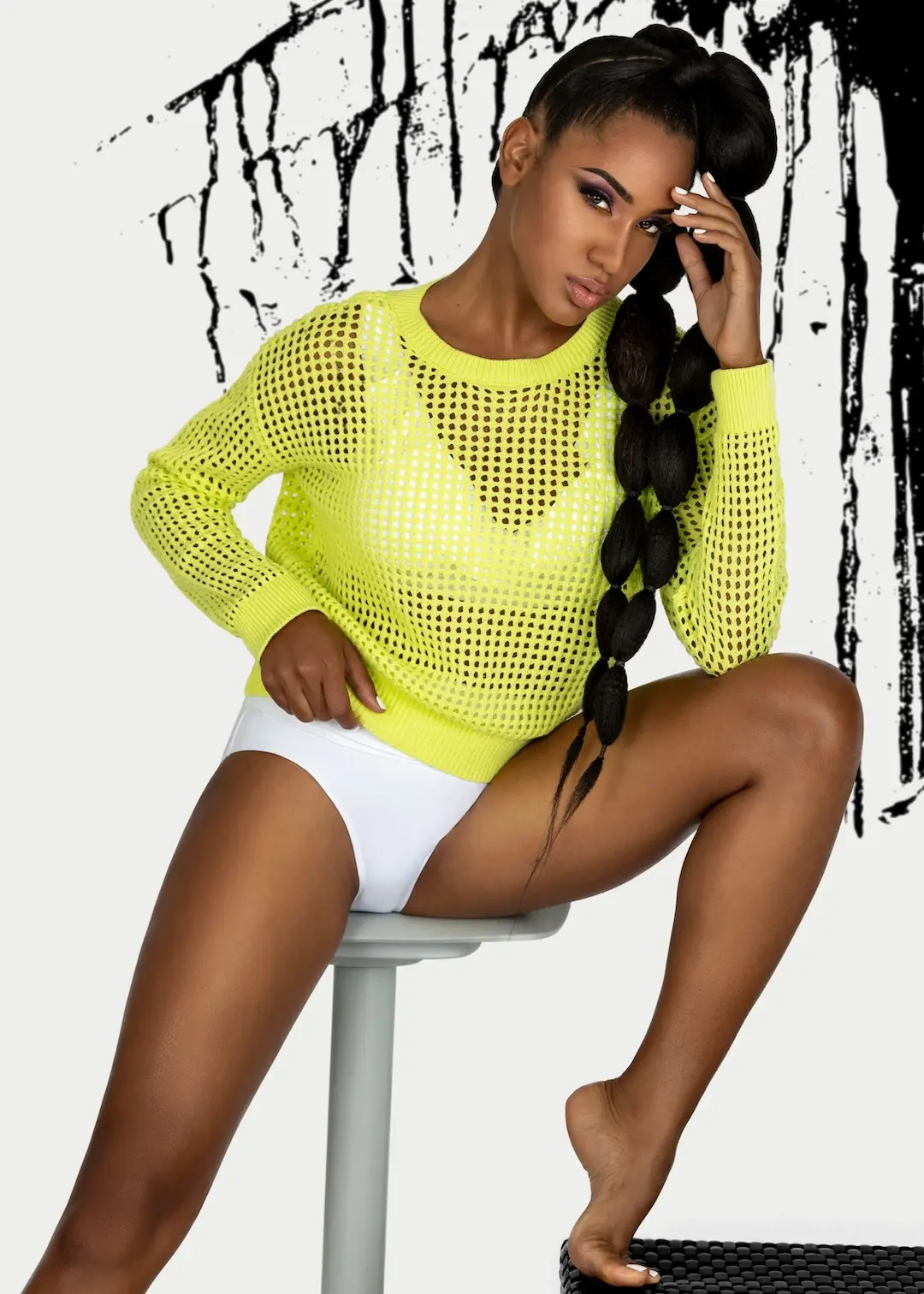
The final looks are more playful, yet they do not feel disconnected. Fuchsia and yellow introduce saturation in stages. Meanwhile, the recurring black set elements and the white base of the last outfit return visually to ideas established earlier.
How to direct a model without over-directing
Effective direction gives the model a clear objective rather than a catalogue of poses to copy. A photographer or creative director can describe the intended line, emotional temperature and relationship to the set, then allow the model to interpret those cues.
- Direct the purpose of the pose. Ask for length, compression, stillness, tension or release instead of naming a pose alone.
- Correct one variable at a time. Adjusting hands, chin, shoulders and legs simultaneously can make a performance self-conscious.
- Protect boundaries. Confirm wardrobe, movement, touch, implied nudity and acceptable image use before the camera is raised.
- Show useful references. A mood board should clarify line, light and mood—not demand that a model reproduce another person exactly.
- Build from stable to experimental. Secure the essential frames first, then explore more difficult shapes and expressions.
Models choosing collaborators should look beyond surface style. Our guide to choosing a model portfolio photographer explains how creative fit, communication and intended outcomes shape the decision.
What should be agreed before the shoot?
Inclusive production is not a visual claim; it is a working practice. The team should know the concept, wardrobe, schedule, changing arrangements, accessibility needs, boundaries and intended image use before shoot day. A model release or collaboration agreement should state what each participant receives and where the work may appear.
Compensation cannot be reduced to one universal rate. Editorial, portfolio collaboration and commercial advertising are different arrangements. The written agreement should specify fees or trade terms, expenses, image delivery, retouching, credits, usage rights, exclusivity and any approval process. For a broader industry perspective, read the business side of modeling. For unpaid creative collaborations, our TFP photoshoot guide explains expectations, boundaries and fair exchange.
Studio fashion editorial planning checklist
- Define the editorial idea in one sentence.
- Separate essential images from experimental frames.
- Sequence wardrobe by silhouette, tone, texture and energy.
- Choose one or two visual elements that remain consistent.
- Plan full-body, three-quarter, close portrait and layout-friendly negative-space frames.
- Confirm model boundaries, changing arrangements and accessibility needs.
- Put compensation, credits, delivery and image usage in writing.
- Review the final edit as a story, not as isolated favorites.
Frequently asked questions
How many looks should a studio fashion editorial include?
There is no universal number. Include only the looks the team can light, direct and photograph to a consistent standard within the available time. Four strong chapters usually tell a better story than eight rushed wardrobe changes.
What is the difference between an editorial and a modeling portfolio shoot?
An editorial prioritizes a cohesive creative point of view. A portfolio shoot prioritizes the model’s book and the range needed for specific agencies or clients. One production can support both purposes, but the intended outcome should be agreed before the shoot.
Does a studio fashion editorial require complicated lighting?
No. A repeatable lighting language is more important than a large setup. Controlled, consistent light allows wardrobe, pose, crop and expression to create progression without making the final series feel fragmented.
Where can photographers submit a completed fashion story?
Research each publication’s visual identity, submission rules, exclusivity terms and required credits before sending the work. Our fashion editorial submission guide explains how to prepare a coherent story for publication.
Final perspective
The strength of this studio fashion editorial is not the number of wardrobe changes. It is the controlled progression from graphic monochrome shapes to soft neutrals and saturated color. Each chapter gives Willina a different performance task while the lighting, set and visual rhythm keep the work connected.
That is the practical value of planning an editorial as a sequence: the final photographs can demonstrate range, carry a magazine story and remain recognizable as one body of work.
Preparing your own story for publication? Review our 2026 fashion editorial submission guide before selecting and sequencing the final images.
Credits
Photographer: Phil Halfmann
Creative Director: Sophia Lenore
Wardrobe Stylist: Sophia Lenore
Hair Stylist: Sophia Lenore
Makeup Artist: Joane
Model: Willina