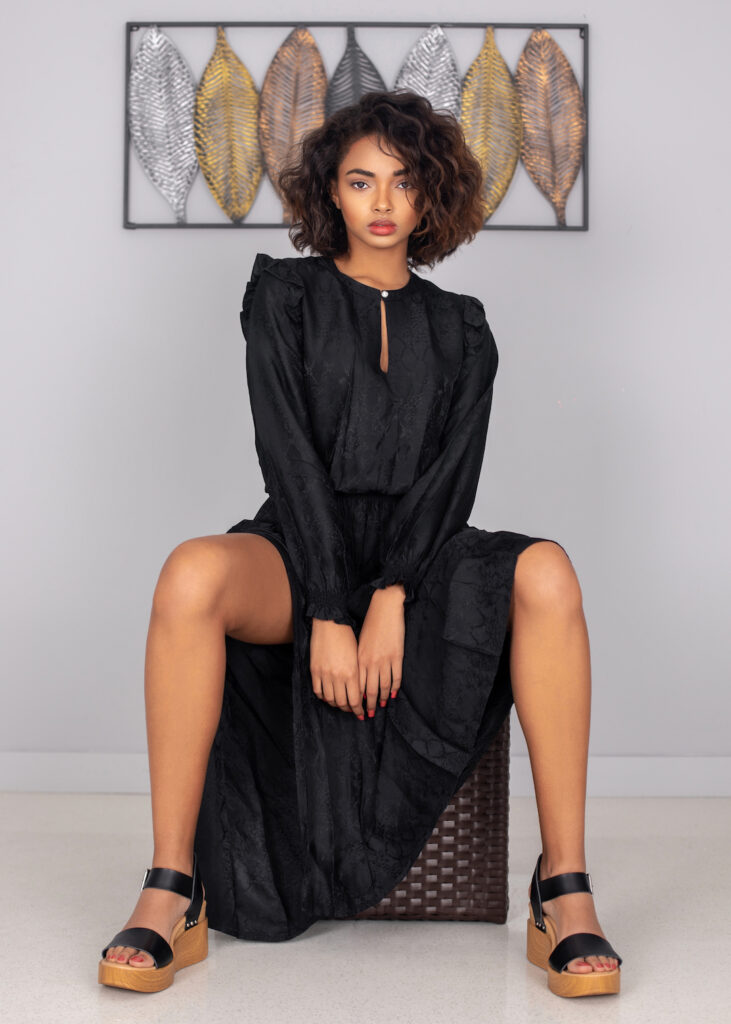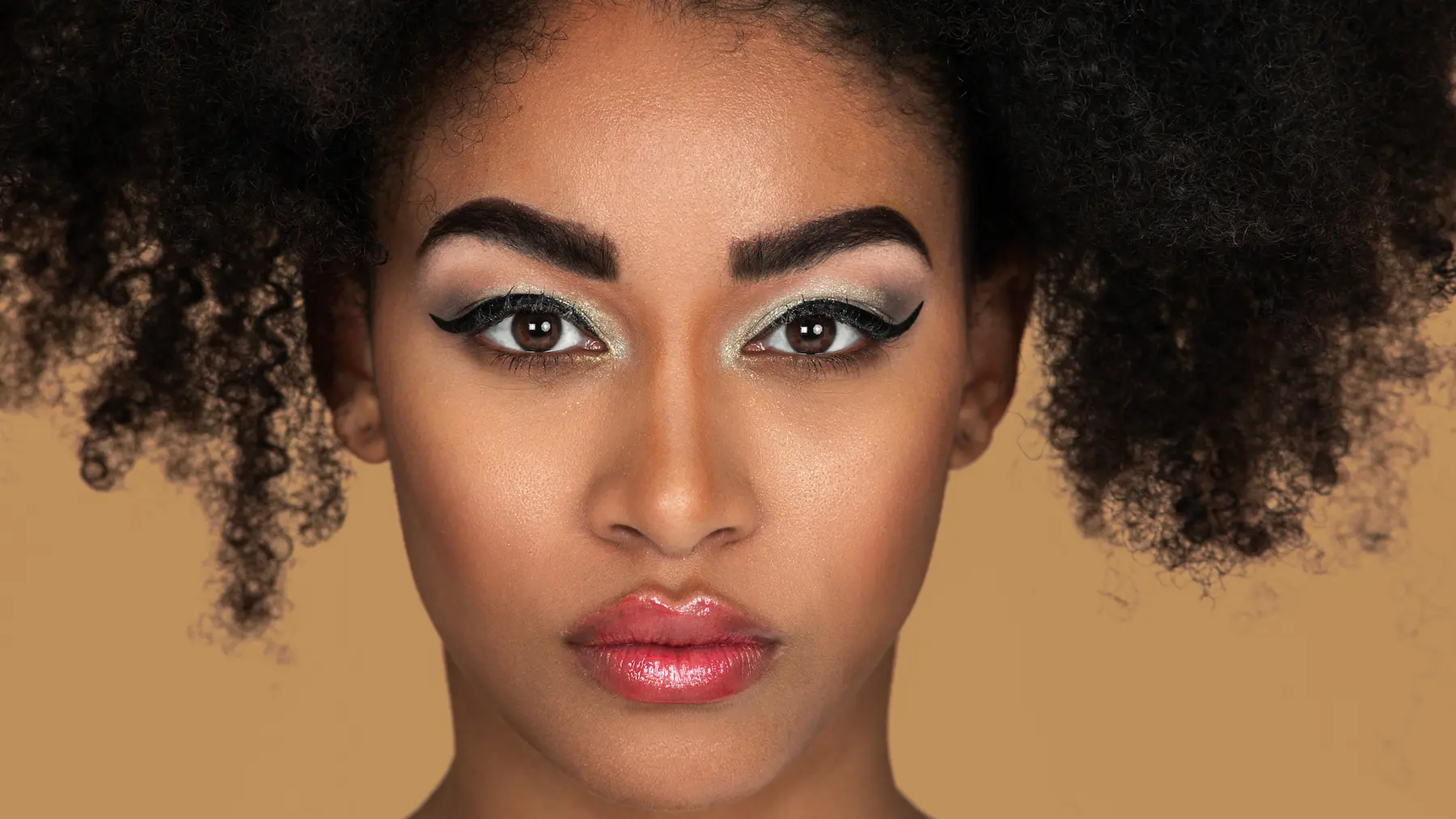
Gen Z beauty trends and self-expression are changing what “beautiful” looks like—not by replacing one ideal with another, but by making room for experimentation, individuality and choice.
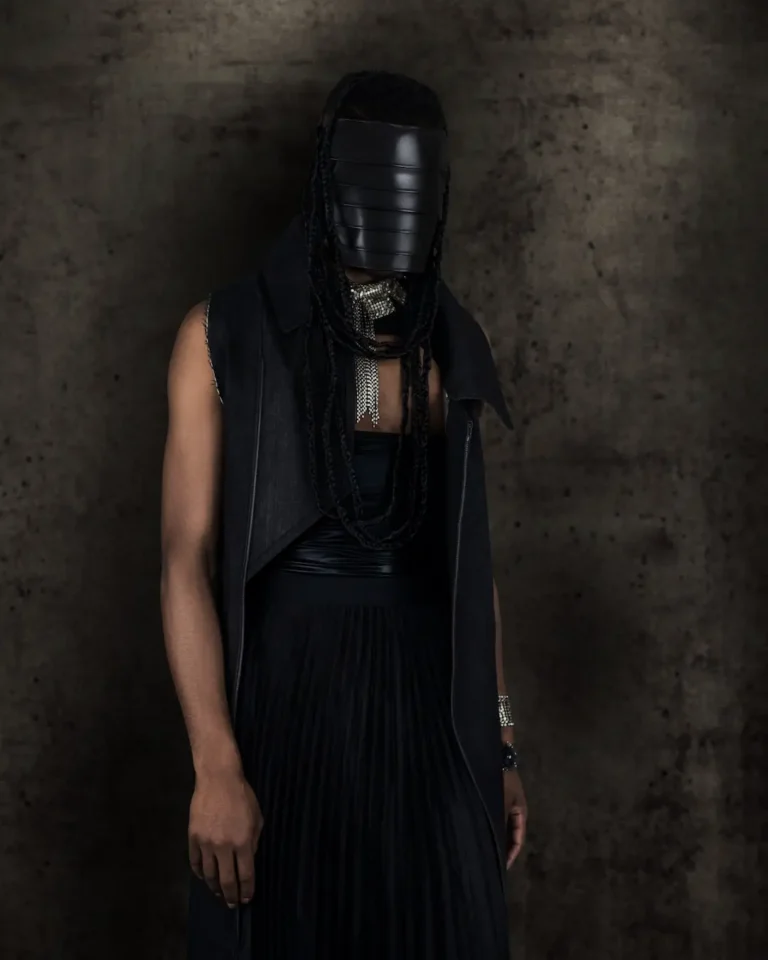
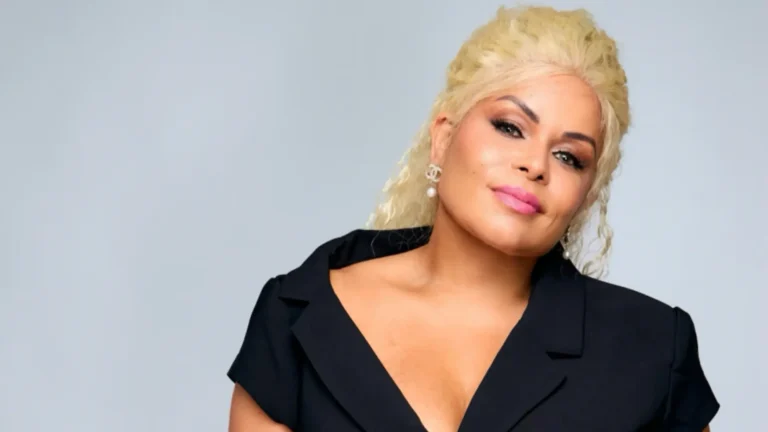
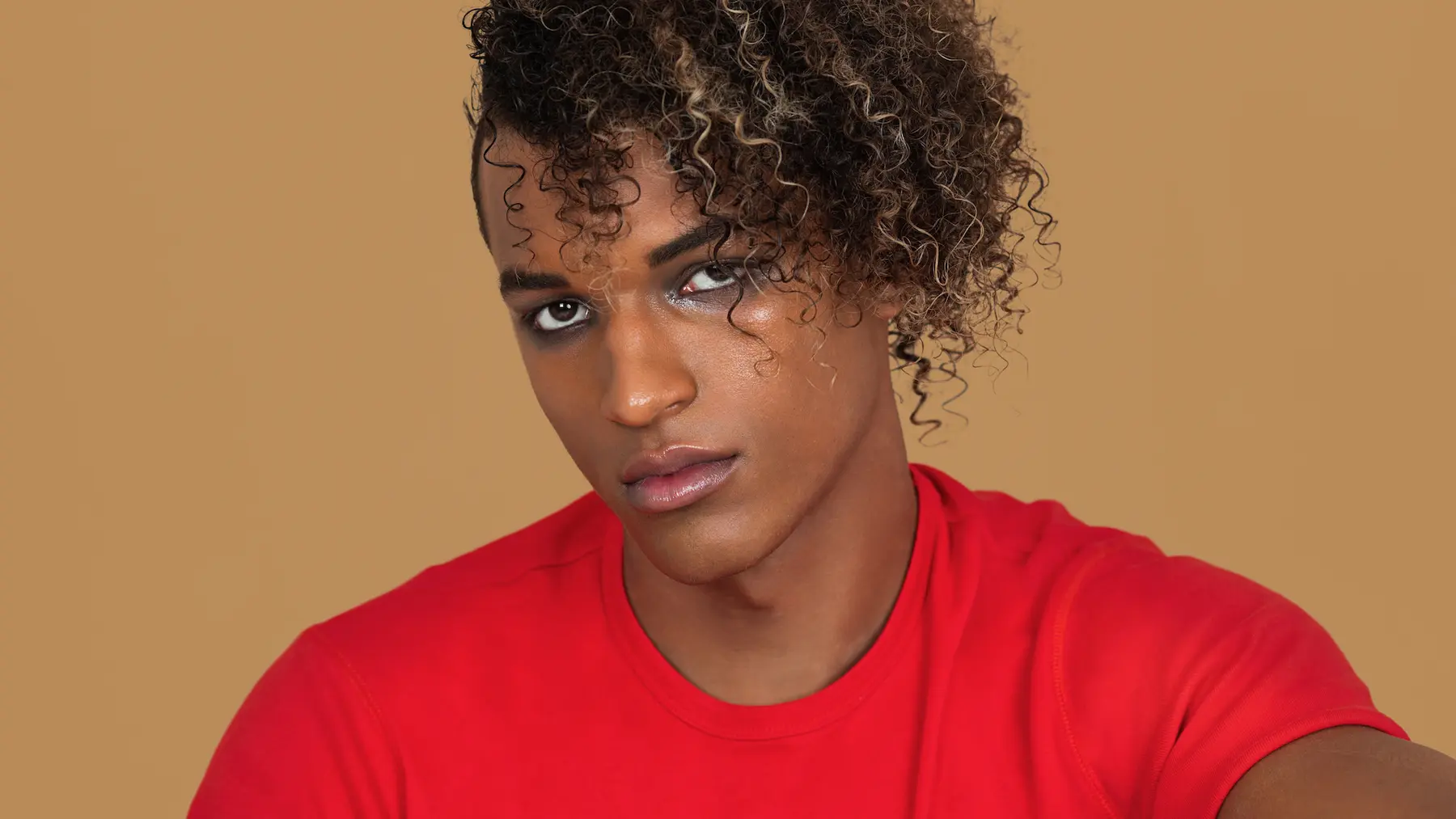
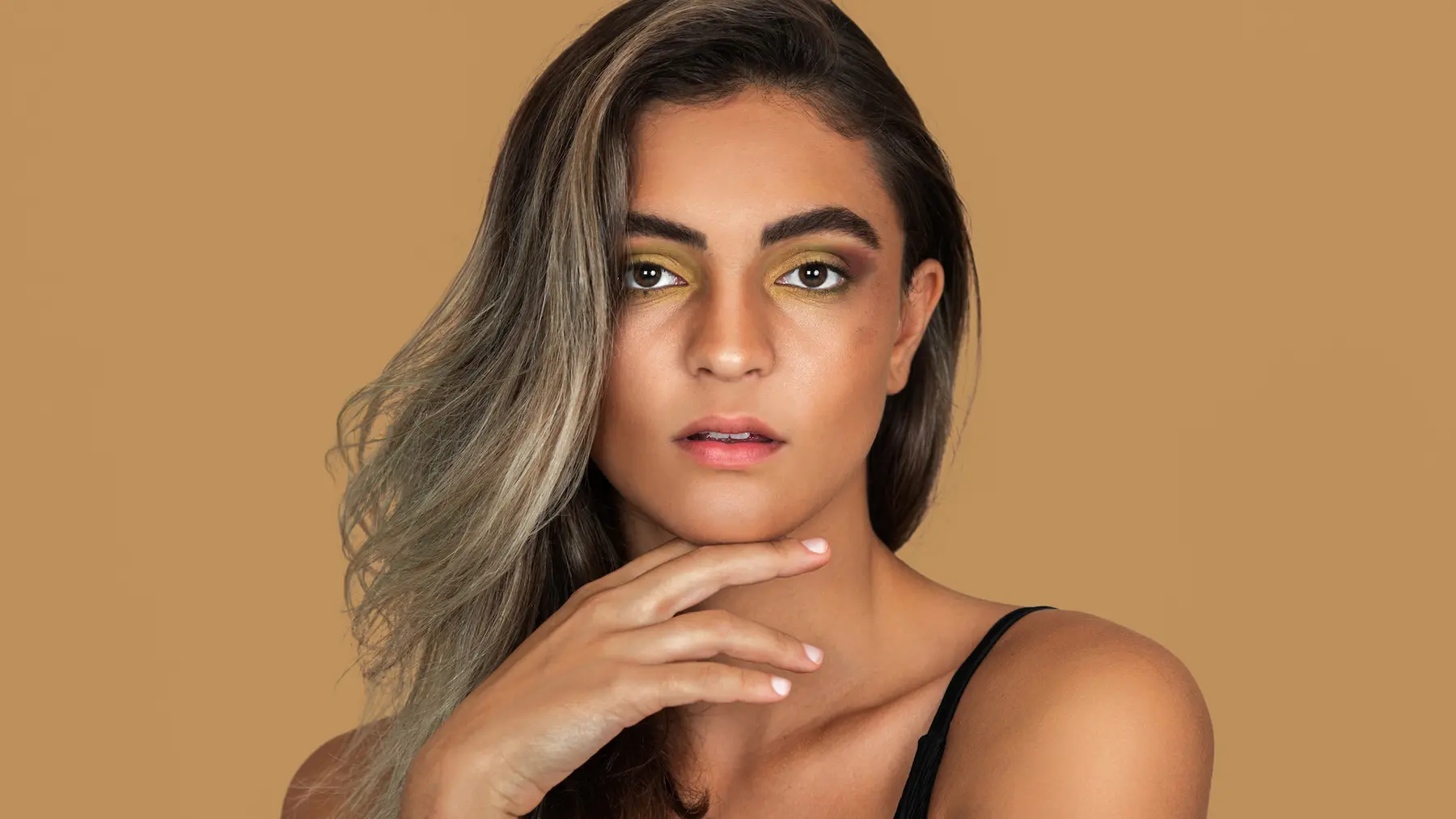
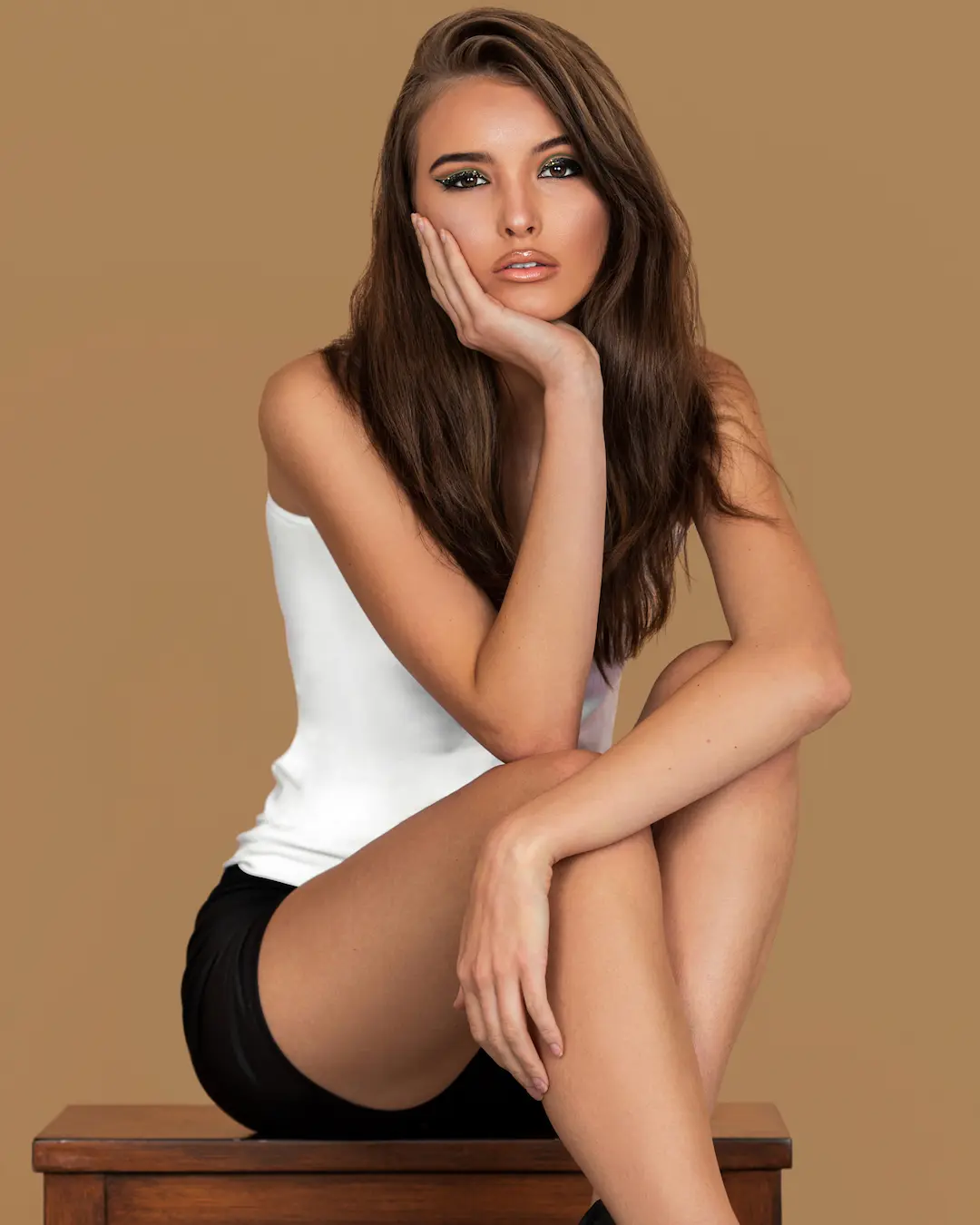
In this 12-model beauty editorial, makeup, styling and portraiture become tools for identity. Andrea, Genesis, Katherine, Lindesy, Lyla, Ryan, Manuella, Gabriela, Brisbane, Joshua, Leo and Tyrin move between bare skin, graphic eye color, shimmer, soft tailoring and more sculptural looks. The visual language changes from frame to frame, yet the intention remains consistent: the person comes before the trend.

What defines Gen Z beauty?
Gen Z beauty is less a single aesthetic than a way of using beauty. A glossy natural look can sit beside bleached brows, metallic shadow or deliberately imperfect texture. The point is not constant novelty. It is control over how—and whether—a person chooses to present themselves.
That distinction matters. Social platforms can make beauty feel fast, uniform and trend-led, but the most interesting images resist that pressure. They leave space for personality, mood and contradiction. As this editorial shows, the same person can move between softness and drama without either look becoming a more “authentic” version of them.

Five ideas shaping Gen Z beauty and self-expression
1. Makeup is a language, not a correction
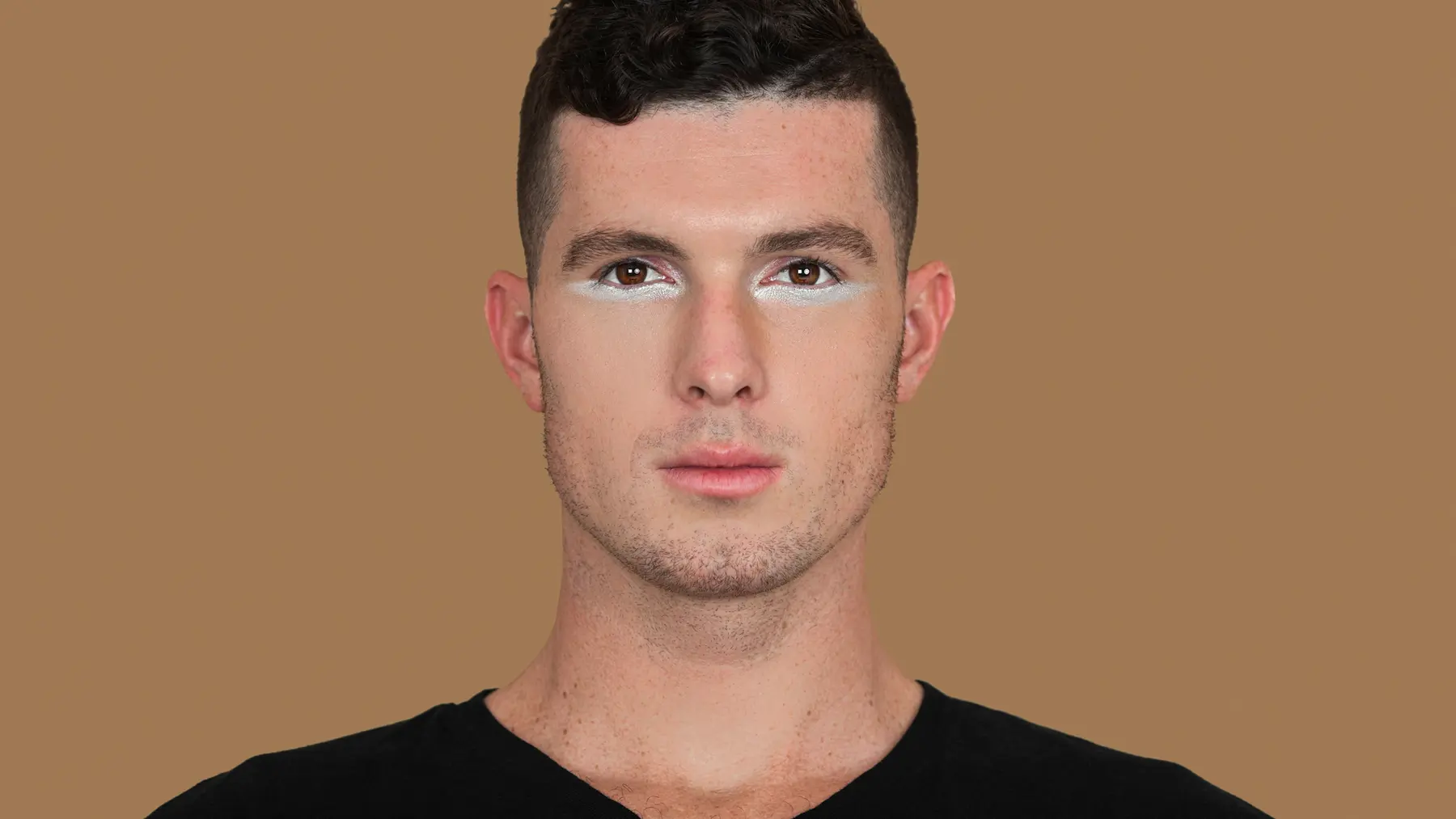
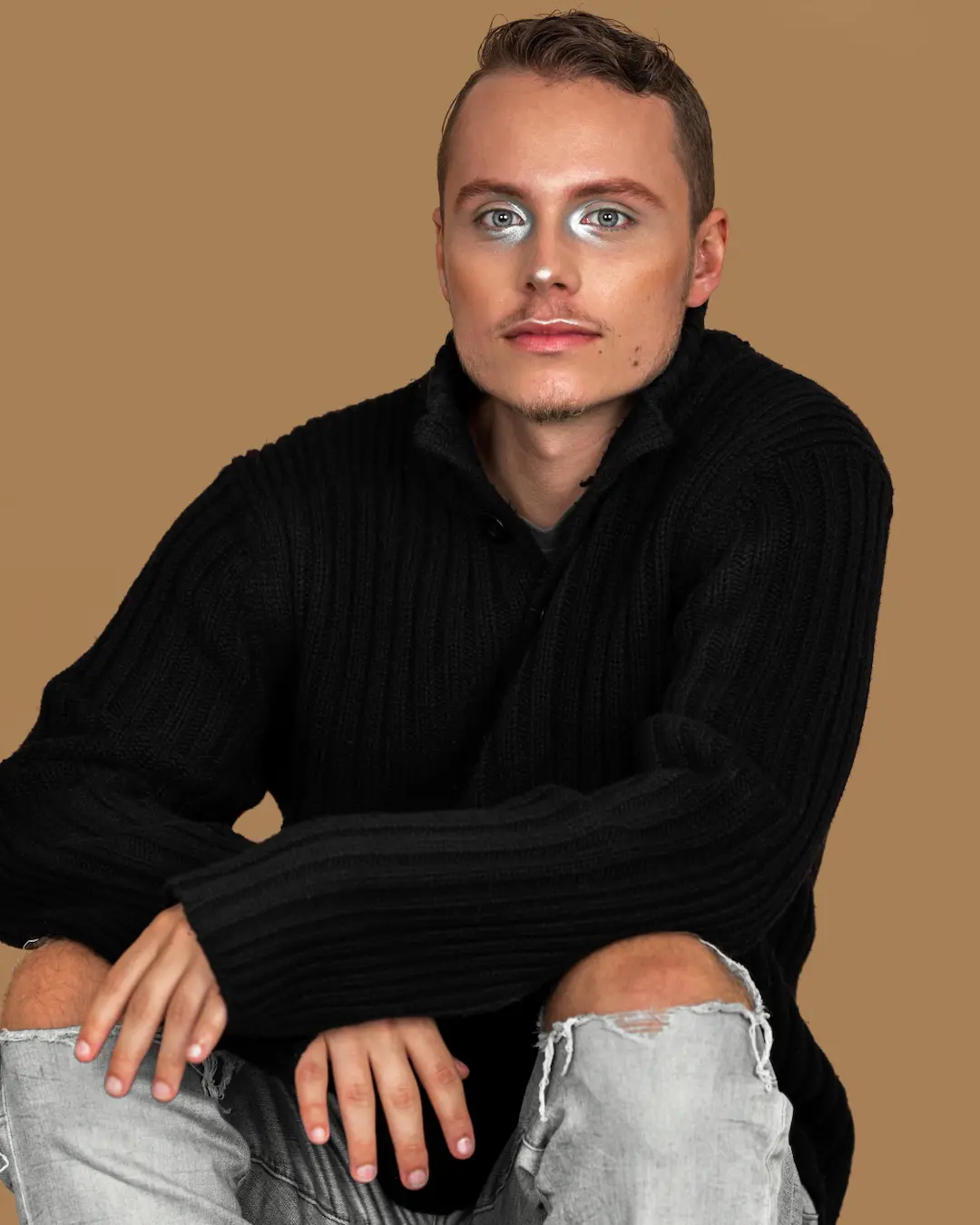
Traditional beauty messaging often framed makeup as a way to conceal, perfect or conform. In contemporary editorial beauty, makeup can work more like styling: it communicates a mood. White shadow, saturated color, gloss or a nearly bare face can all be deliberate choices rather than steps toward one approved finish.
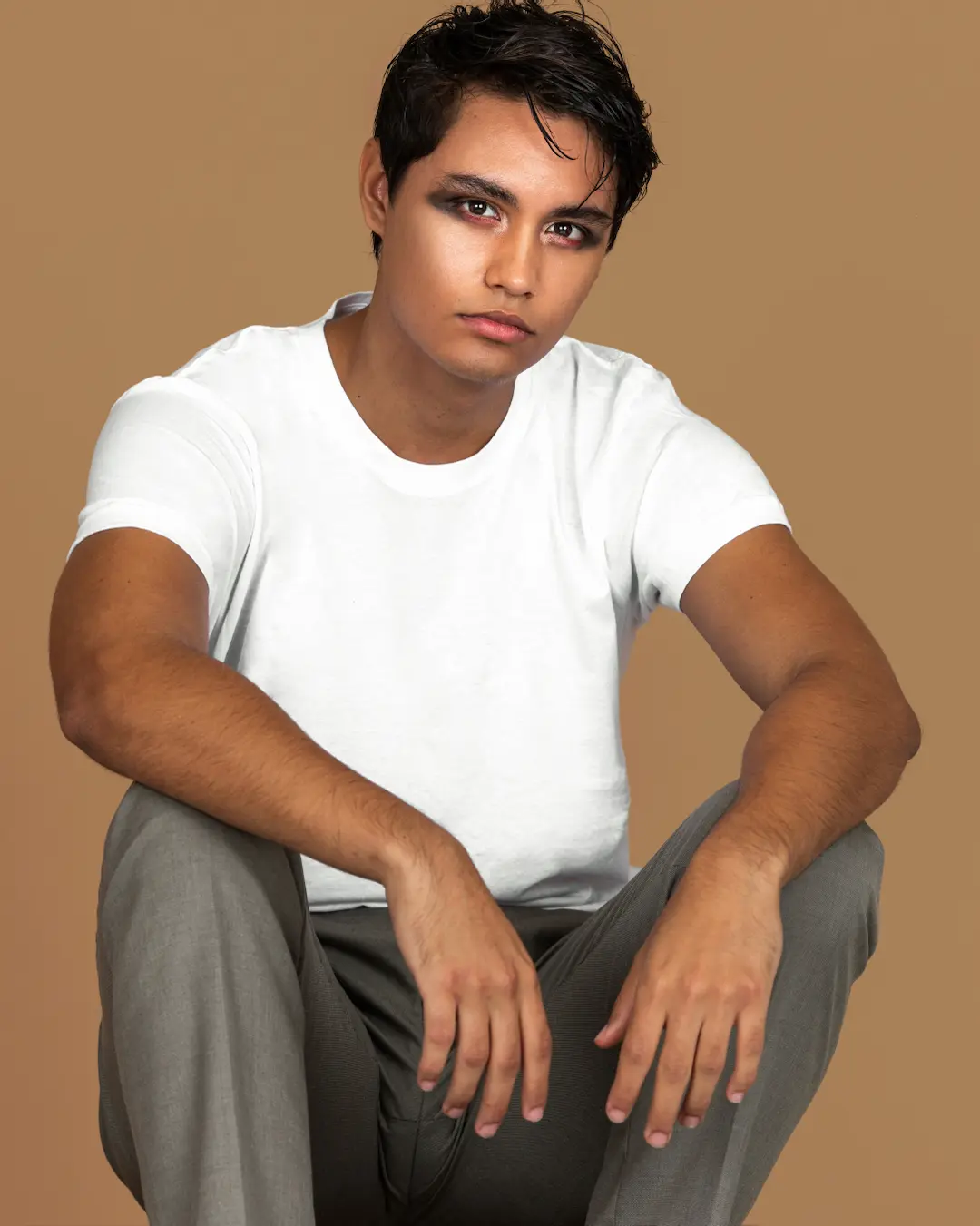
That freedom is especially visible in Ryan’s portraits. The makeup does not disguise masculinity; it expands the visual possibilities around it. This same principle also appears in Pretty Boy Joy, where gender-fluid styling is treated as expression rather than spectacle.

2. Identity can remain fluid
Beauty does not have to prove a fixed identity. It can respond to a day, a place or a feeling. That fluidity is one reason Gen Z beauty content often moves easily between natural skin, nostalgic references, high-impact color and intentionally minimal styling.
In a strong editorial, those changes are not random. Light, wardrobe, pose and color create continuity while each model retains an individual presence. The result feels connected without flattening everyone into the same look.

3. Inclusion is more than casting
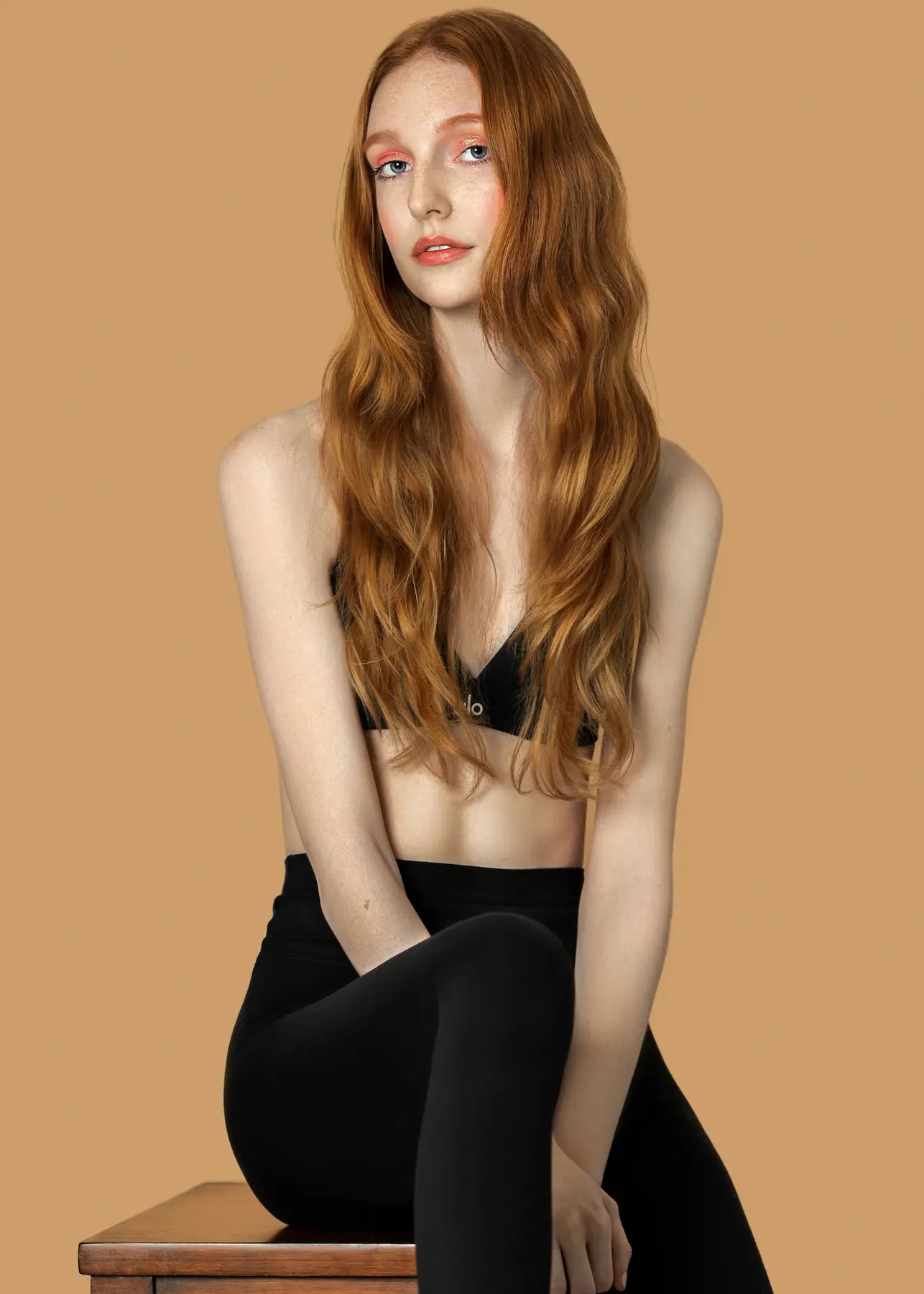
A diverse cast is important, but representation becomes meaningful only when every person receives visual specificity. Hair, skin tone, styling and expression should not be treated as interchangeable details. Each subject needs enough space to look like themselves rather than an example of a demographic.
That idea connects this story to our inclusive beauty editorial photography series, which uses changing color, light and location to preserve individuality across a cohesive body of work.

4. “Natural” beauty is still a creative decision
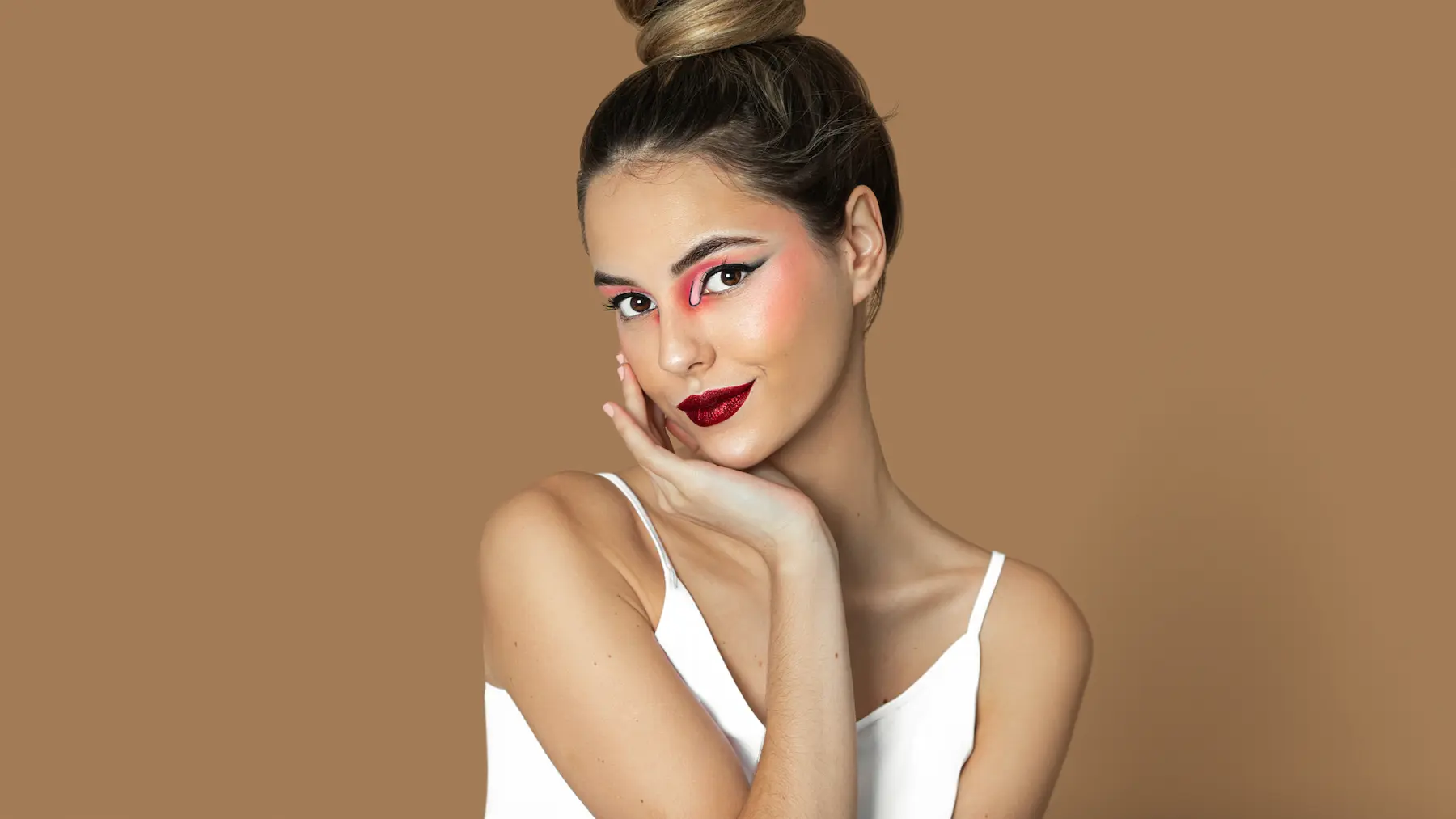
Natural-looking makeup is not neutral. It depends on lighting, skin preparation, color balance and retouching choices. The most convincing results retain texture and avoid turning a real face into a polished surface.
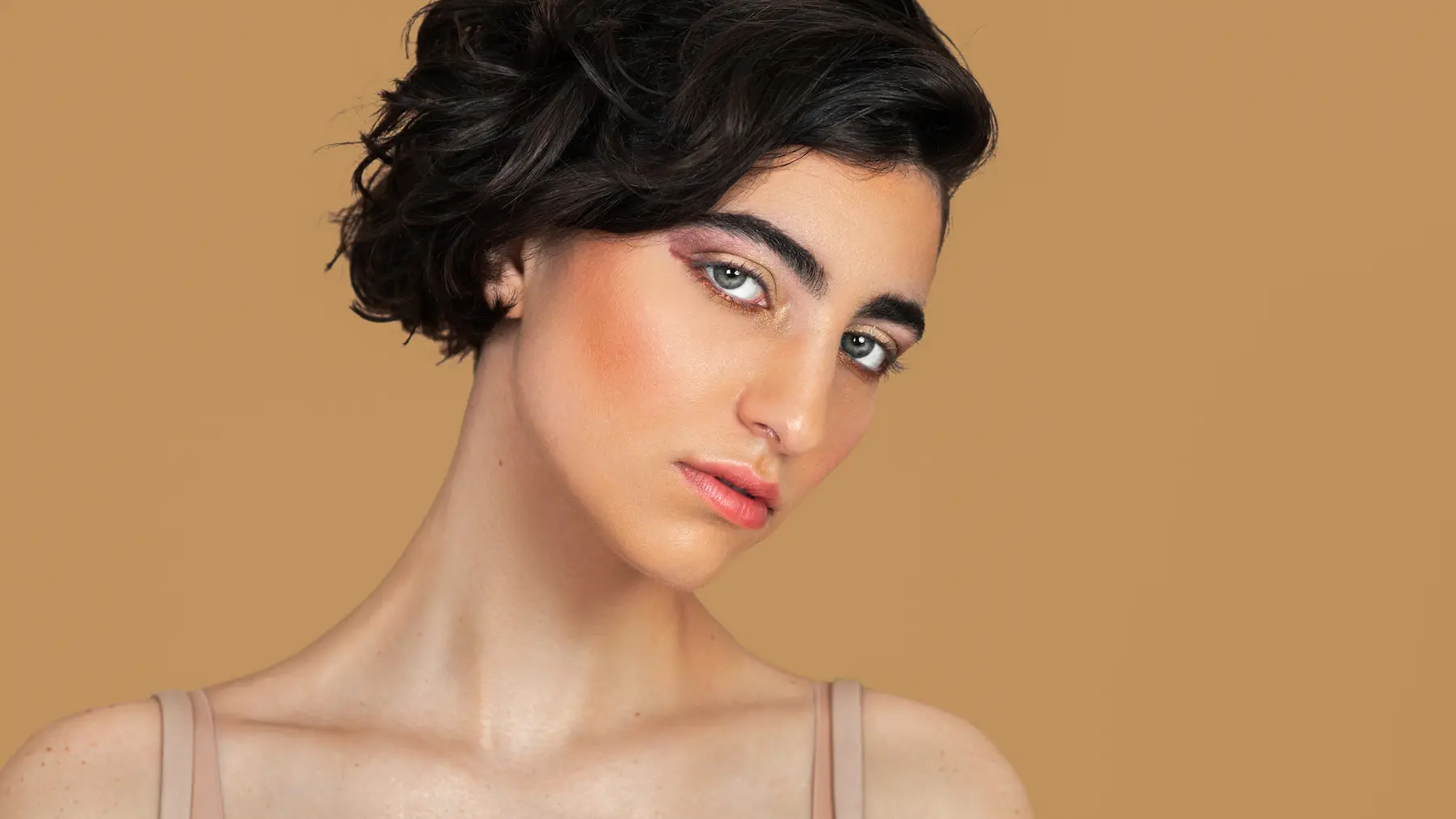
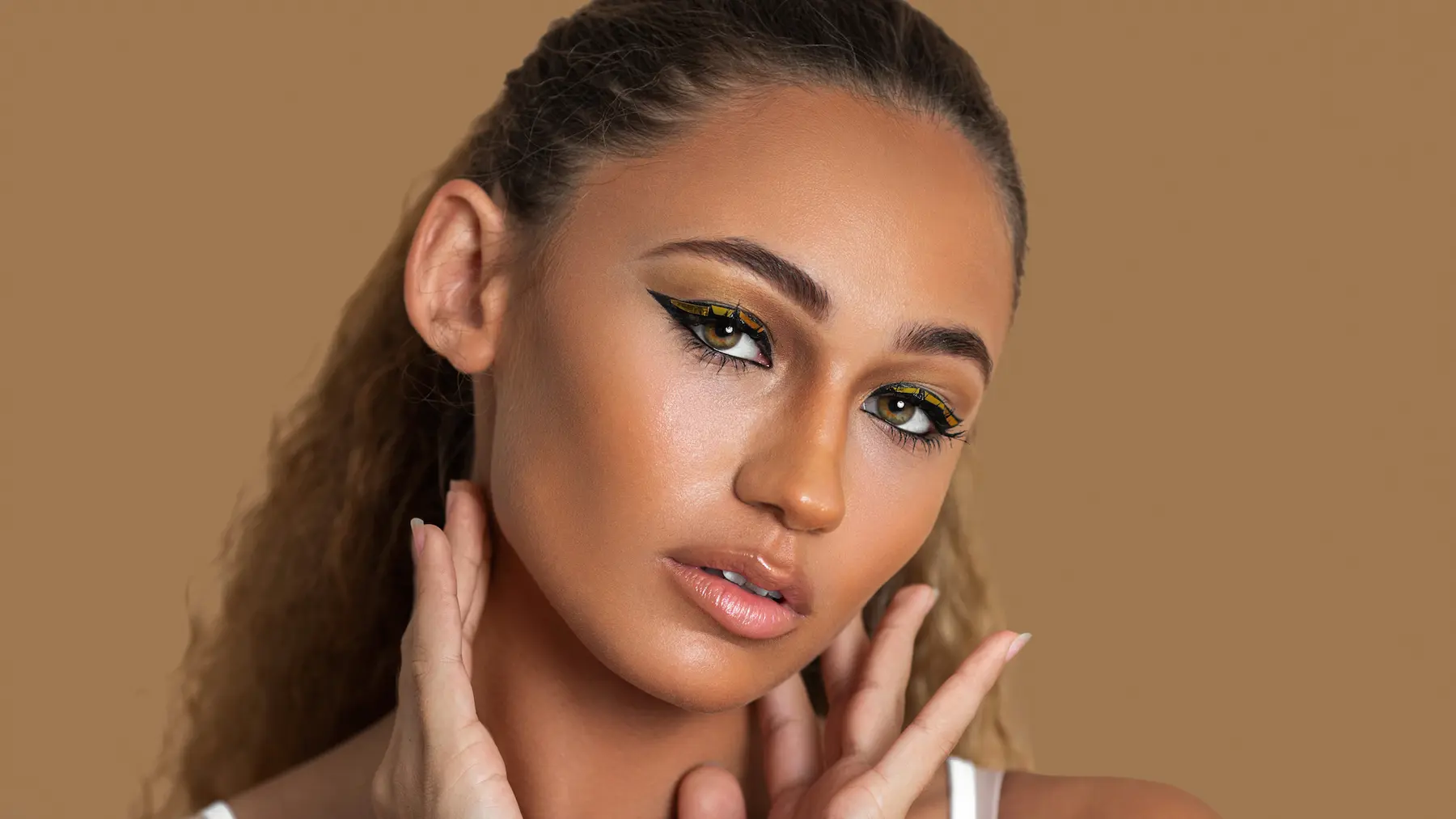
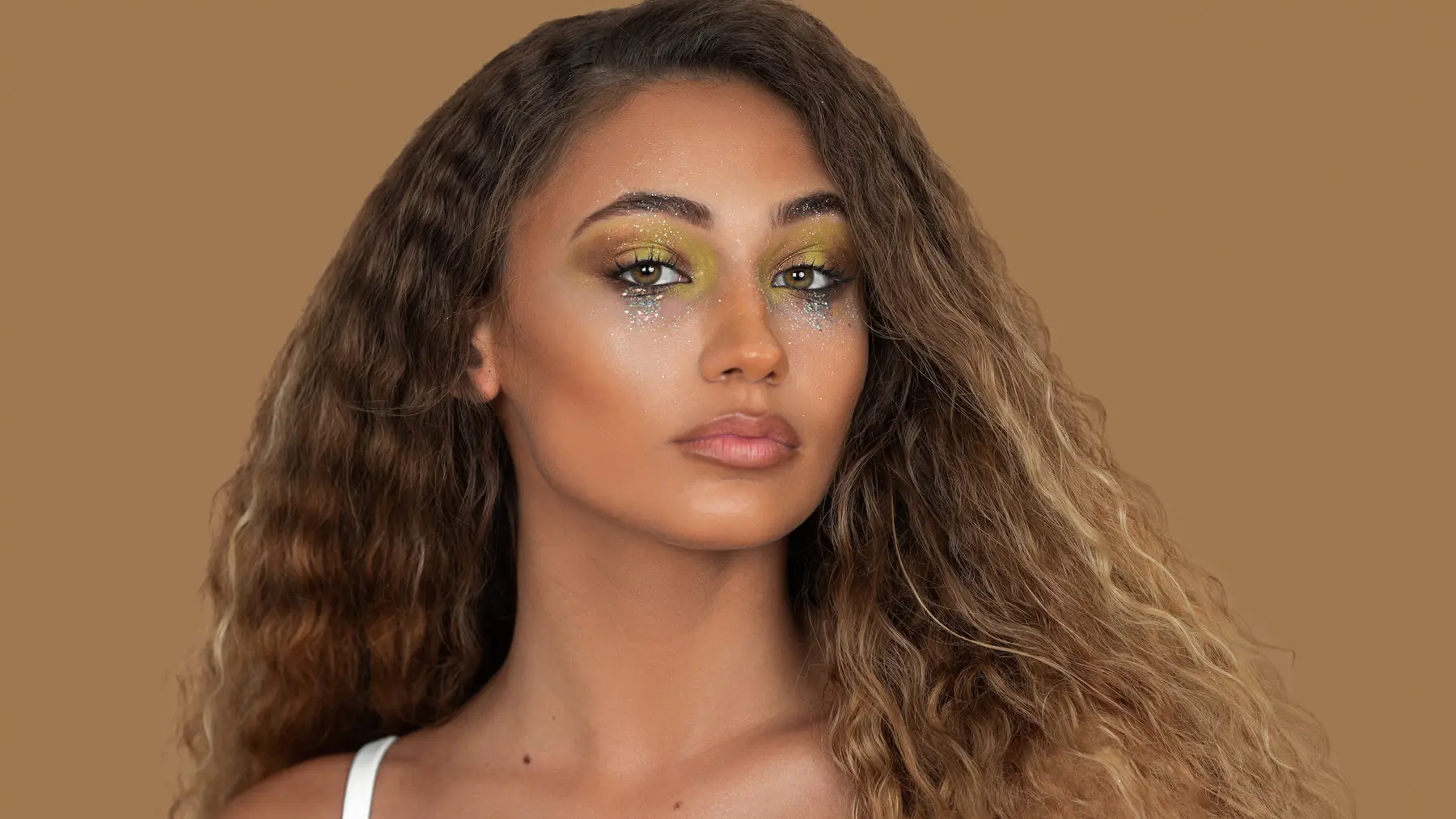
Lyla’s two looks demonstrate the range within that approach. Pastel shadow and sparkle add fantasy, but neither image loses the person beneath the makeup. For another story about beauty on individual terms, see Curls Poppin.
5. Values matter—but purchasing behavior is complicated
Gen Z is often described as uniformly sustainable and ethics-led. That is too simple. Values such as transparency, inclusion and responsible production can influence trust, but price, convenience, performance and social discovery still shape real buying decisions.
For beauty brands, the practical lesson is not to repeat vague sustainability language. Show evidence. Explain ingredients, sourcing, packaging and product performance clearly. In visual campaigns, use casting and creative direction that feel specific to the people represented rather than designed to satisfy a checklist.
Faces of modern beauty
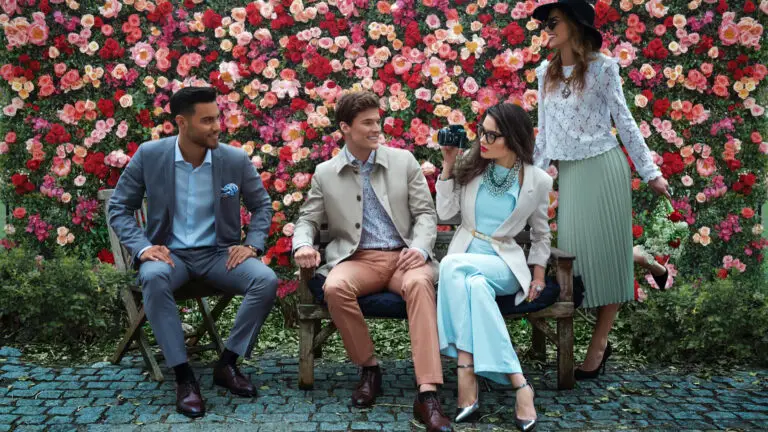
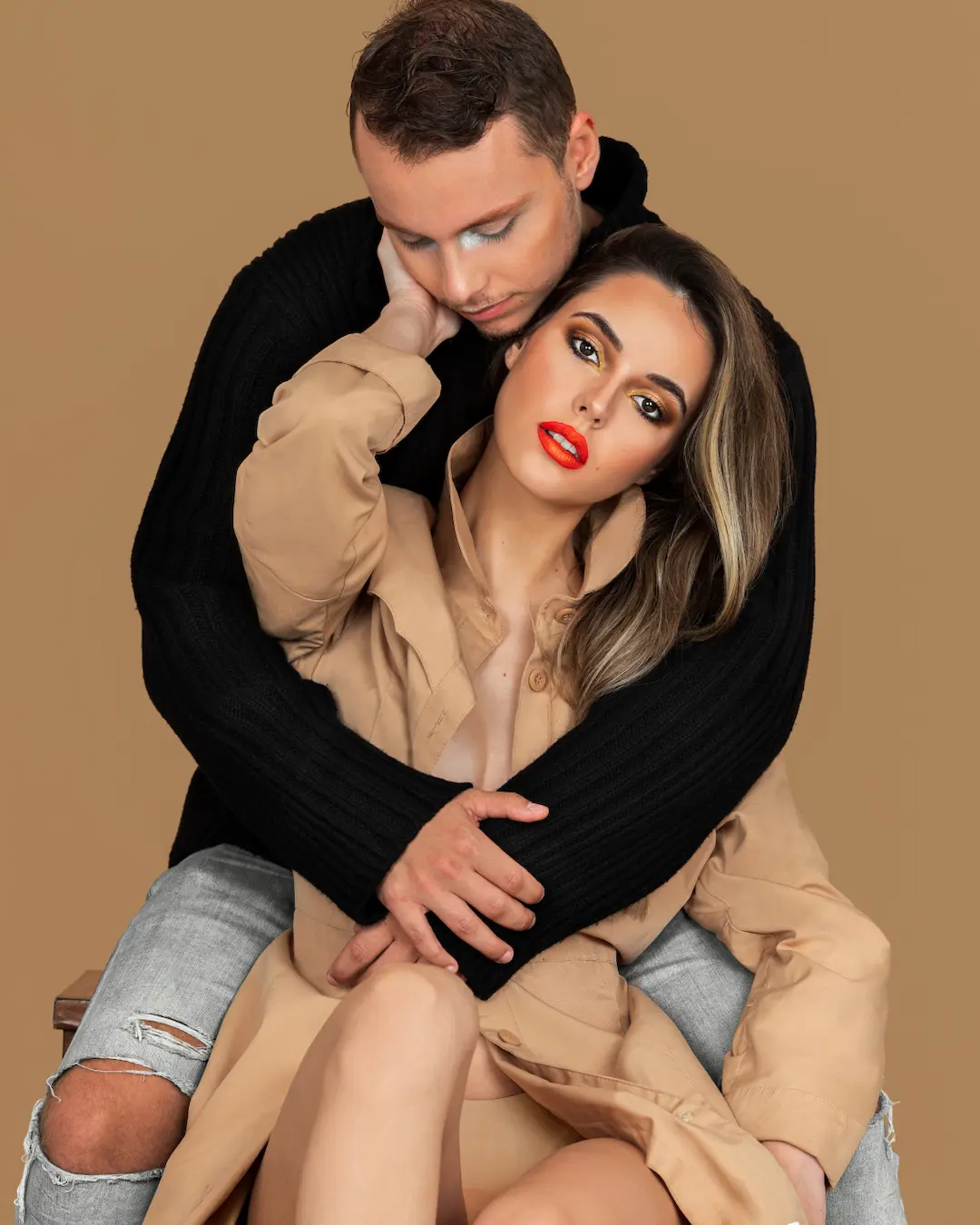
Across the series, the visual details change but three qualities remain: directness, emotional range and collaboration. Leo, Joshua and Tyrin show how beauty portraiture can make room for men without turning makeup into a novelty. Brisbane and Manuella move between styling extremes while remaining recognizably themselves. Group portraits make the broader point visible: individuality and belonging do not cancel each other out.
What beauty brands can learn from this editorial
- Build a point of view, not a trend collage. Choose a clear emotional idea and let color, makeup and casting support it.
- Show range without losing coherence. Consistent light, framing or color can connect very different looks.
- Treat representation as a creative responsibility. Give each subject a distinct role and enough visual space.
- Make claims concrete. If a campaign discusses sustainability or inclusivity, connect the language to verifiable decisions.
- Create for more than one channel. Plan hero images, portraits, details and group frames so the story can travel across editorial, social and campaign formats.
For more stories built around expressive color, portraiture and identity, explore The Prestige Magazine’s beauty editorials.
The future of beauty is plural
The strongest Gen Z beauty trends do not point toward one new standard. They point toward plurality: more ways to wear makeup, more room for gender expression, more visible skin texture and more freedom to move between identities and aesthetics.
That is the central idea of this editorial. Beauty becomes more compelling when it stops demanding sameness. The goal is not to look unlike everyone else at all costs. It is to have enough creative freedom to look like yourself—however that changes from one day to the next.
Want to share your own fashion or beauty story? Review The Prestige Magazine’s editorial submission guide before sending your work.
Modern Beauty Editorial Credits
Photographer: Phil Halfmann
Creative Director and Wardrobe Stylist: Sophia Lenore
Hair and Makeup: Joane, Athalyah and Filip
Models: Andrea, Genesis, Katherine, Lindesy, Lyla, Ryan, Manuella, Gabriela, Brisbane, Joshua, Leo and Tyrin
Makeup products featured include Charlotte Tilbury Makeup. Hair products include L’Oréal. Nail products include USLU Airlines.