Updated for 2026. The figures below are planning benchmarks—not fixed tariffs. A final estimate should reflect the creative scope, production complexity, deliverables, turnaround and usage rights of the specific assignment.
Beauty product photography cost can range from a repeatable catalog rate per image to a five-figure campaign budget involving talent, custom sets, multiple formats and paid-media licensing. The price only becomes meaningful when you know what the quote includes.
Quick answer: Shopify’s January 2026 guide places many professional product photographers at approximately $500–$3,000 per shoot day and $50–$350 per final image, before additional crew, equipment and licensing. High-volume white-background studios may advertise lower unit rates because their process is standardized. Compare like with like: image count, creative complexity, production, retouching, delivery formats and rights.
What beauty product photography cost actually includes
A professional estimate normally contains four cost layers. The photography or creative fee covers expertise and working time. Production covers the people, space and materials needed to make the images. Post-production turns selects into finished assets. Licensing defines where, how long and in which markets the photographs may be used.
A quote that combines everything into one line may look simple, but it is difficult to compare. Ask the photographer to define:
- the number of products, SKUs and shade variants;
- the number of final images and angles;
- whether the work is a packshot, styled still life, model-led beauty image or campaign;
- the included level of texture, skin, label and color retouching;
- the crops, file formats and channel variants;
- the licensed channels, territory and duration.
2026 beauty product photography price benchmarks
The following public rates illustrate different production models. They are useful planning references, but they should not be treated as universal price standards.
| Pricing context | Published benchmark | What it helps estimate |
|---|---|---|
| Professional shoot day | $500–$3,000 | A broad 2026 planning range from Shopify, before additional support staff and equipment. |
| Per final image | $50–$350 | Shopify’s broad range for professional product images; outliers exist on both sides. |
| Standardized catalog work | $25–$70 per image for 11–50 images | A 2025 benchmark published by Squareshot for repeatable product-photo workflows. |
A $30 production-line packshot and a $3,000 campaign day solve different problems. Normalize every estimate for product count, setup count, image count, preparation, retouching, production expenses, delivery formats and licensing before deciding which quote offers better value.
Why two product photography quotes can be far apart
Creative complexity
A centered product on seamless white can be repeated efficiently. Liquids, powders, transparent caps, reflective packaging and glossy labels require more lighting control and retouching. Styled beauty still lifes add art direction, surfaces, props and composition. Model-led campaigns add casting, grooming, wardrobe, location and performance.
Volume and repeatability
Unit prices usually fall when many products share the same lighting, angle, background and crop. They rise when each image requires a new concept or set. Provide a shot list grouped by setup—not only a total image count—so the estimate reflects the real workflow.
Production team and location
A producer, creative director, prop stylist, hand model, beauty model, hair and makeup artist, studio, permits, equipment rental, travel and catering may all be necessary. A lean e-commerce shoot and a launch campaign should therefore carry different budgets even if both deliver 20 finished files.
Model-led work also benefits from a clear visual narrative. This guide to studio fashion editorial storytelling shows how lighting, casting and sequencing change the production brief.
Post-production and deliverable versions
“Retouching included” is too vague. Confirm whether it covers dust and scratches, clipping paths, color matching, label reconstruction, compositing, liquid or texture work, skin retouching and revision rounds. Ask whether vertical, square and horizontal crops count as separate deliverables.
Usage rights
Photography is licensed for defined uses. A brand may need its images for organic social, e-commerce, global paid media, retail displays, packaging or all of the above. Wider territory, longer duration, exclusivity and paid-media use can increase the license. For a fuller explanation, read Licensing & Usage and Why Do I Need Usage Rights?
Four common pricing models
Per image
Per-image pricing is easiest to compare when the setup is consistent and the final image count is known. Confirm the minimum order, included angles, retouching level and whether alternate crops are billed separately.
Per product or SKU
This model suits catalogs in which every product receives the same views. Define how variations—such as 12 shades in identical packaging—will be counted. Shade variants can still require individual capture or precise color work.
Hourly or day rate
A time-based rate makes sense when a team is building several setups or when the precise number of finished images is difficult to predict. The day rate usually covers the photographer’s working time, not every production expense or usage right. Compare this with our guide to day rates for photographers and artists.
Project fee
A project fee bundles a defined creative scope and deliverable set. It is often the clearest model for campaigns, provided the estimate still states assumptions, exclusions, overtime, revisions and licensing.
The cost stack every quote should show
| Cost layer | Questions to ask |
|---|---|
| Creative and photography fee | Does it include pre-production, the shoot, equipment and creative direction? |
| Production expenses | Are studio, crew, talent, props, surfaces, travel and product handling itemized? |
| Post-production | How many finals, what retouching level and how many revision rounds? |
| Deliverables | Which dimensions, crops, file formats, color spaces and naming convention? |
| Licensing | Which channels, territory, duration, media spend and exclusivity? |
| Contingencies | What are the policies for overtime, rush delivery, cancellation and reshoots? |
A practical beauty product photography budget formula
Begin with a deliverables matrix rather than an arbitrary ceiling. List every product, required angle, setup and channel. Then calculate:
Creative and photography fee + production expenses + post-production + deliverable adaptations + licensing + contingency = estimated campaign budget
- Twenty simple packshots: multiply the agreed per-image rate by the number of final views, then add preparation, specialist retouching, clipping paths, shipping and any minimum-order fee.
- Eight styled e-commerce images: price shoot time plus art direction, props or surfaces, retouching and channel-specific crops.
- A beauty launch campaign: budget creative development, pre-production, crew, talent, studio or location, shoot days, post-production, deliverable variants and licensing.
Need help defining those inputs? Download the free Beauty Campaign Planning Guide before requesting estimates. It helps map products, textures, benefits, audiences and channel formats into a clearer production brief.
Does AI make product photography cheaper?
AI can reduce the cost of ideation, background variations and some adaptation work. It does not automatically solve product fidelity, readable labels, accurate shade representation, legal clearance or consistency across hands, packaging and reflections. For beauty brands, a controlled product capture remains the safest base when exact color and packaging matter.
Ask who owns the workflow, whether generated elements will be disclosed, how product accuracy will be approved and which files can be used in paid campaigns. A cheap render becomes expensive when it misrepresents the product or cannot be cleared for the intended use.
Beauty product photography quote checklist
Confirm these 12 items before selecting a photographer or studio:
- Number of products, SKUs and shade variants
- Final image count and angles per product
- Backgrounds, sets and creative concepts
- Models, hands, grooming, wardrobe and casting
- Studio, location, equipment and prop costs
- Product preparation, shipping and return logistics
- Retouching level and revision rounds
- Dimensions, crops, file formats and color profiles
- Delivery timeline, rush fees and overtime
- Usage channels, territory and duration
- Cancellation, reshoot and weather policies
- Payment schedule and applicable taxes
Red flags: vague promises of “fully edited images,” an unnecessary all-rights transfer, no revision limit, no product-accuracy approval and quotes that omit production assumptions.
Frequently asked questions
What is the typical beauty product photography cost?
A useful 2026 planning range is approximately $50–$350 per final image or $500–$3,000 for a professional shoot day, before additional crew, equipment and licensing. High-volume packshots may cost less per image; styled, model-led and widely licensed campaign work can cost considerably more.
Why do some photographers charge per image and others by the day?
Per-image pricing suits predictable, repeatable workflows. Day or project pricing fits productions involving several setups, a larger team or an uncertain final shot count. Neither model is inherently better; clarity of scope matters more.
Are usage rights included?
Sometimes, but never assume so. The estimate should define channels, territory, duration and exclusivity. Organic social, packaging and global paid media have different reach and commercial value.
How much does photography for 20 products cost?
First multiply the number of products by the required angles and final variants. Then add setup changes, preparation, retouching, delivery formats, production expenses and licensing. Twenty products with one standardized angle are a different assignment from 20 products with four styled views each.
Is retouching normally included?
Basic cleanup may be included. Advanced compositing, label reconstruction, liquid or texture work, skin retouching and extra revision rounds are often separate. Request a precise definition and a representative sample.
Should a brand choose the lowest quote?
Choose the estimate that matches the required outcome and makes its assumptions visible. Compare portfolio relevance, product accuracy, production capability, rights, deliverables, timing and total cost—not only the creative fee.
Make the quote serve the campaign
The best product photography price is not automatically the lowest number. It is the clearest investment in assets that can do the required job. Build the brief around products, deliverables and usage, request an itemized estimate and compare the complete scope.
Planning a beauty launch? Review the strategic foundation of beauty campaign photography, explore Phil Halfmann’s photography services, or use the free campaign-planning resources before committing your production budget.
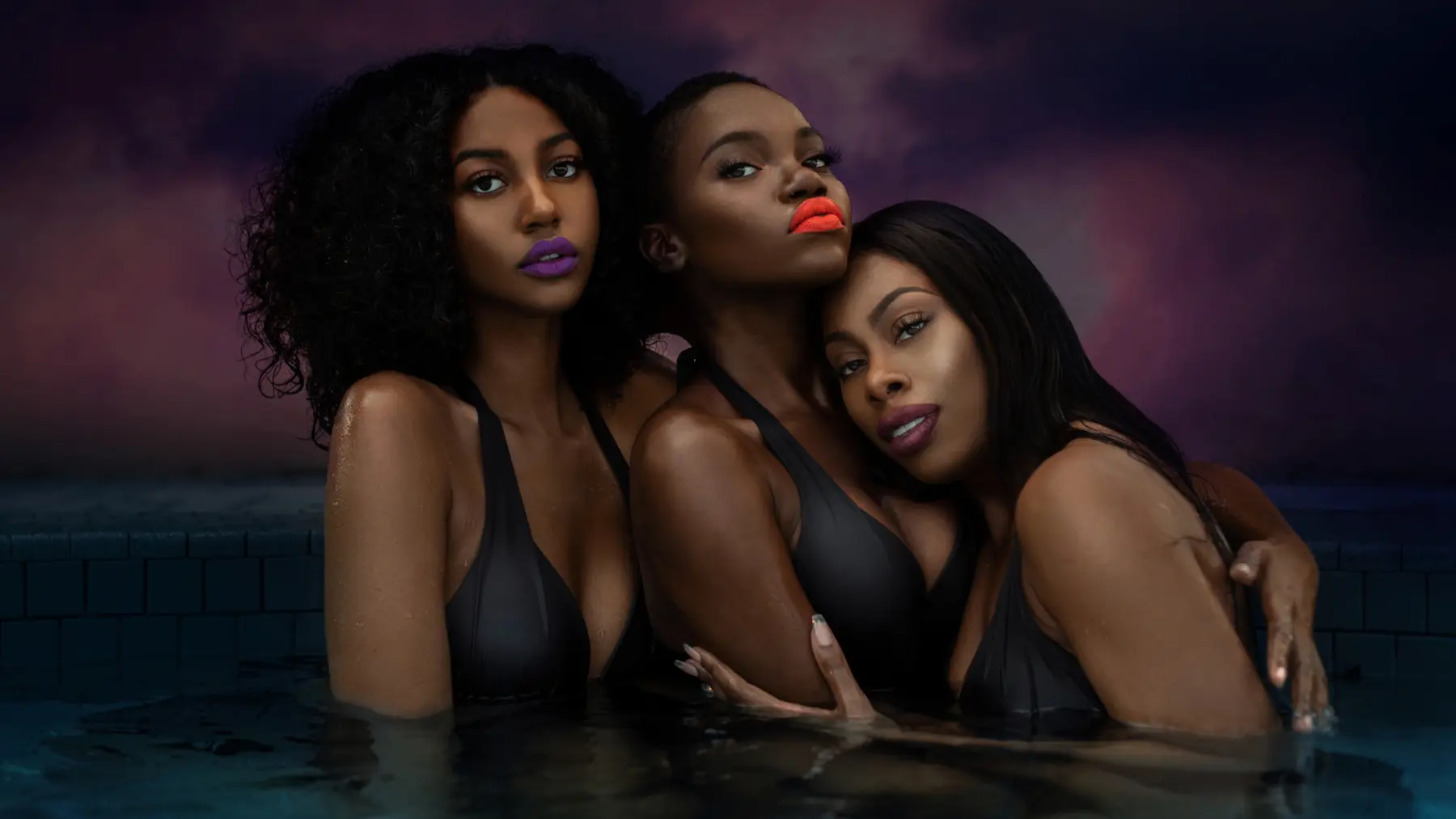
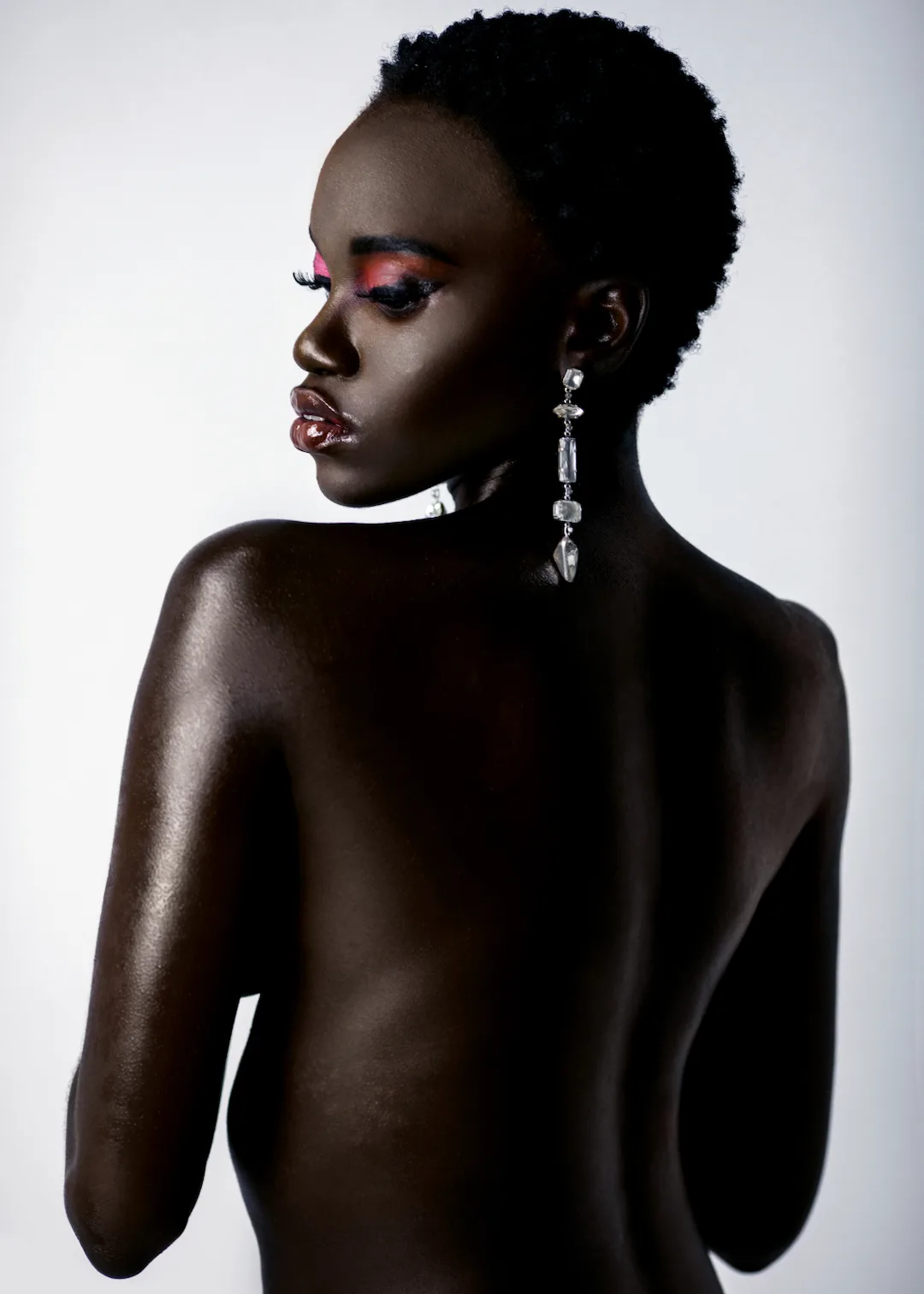
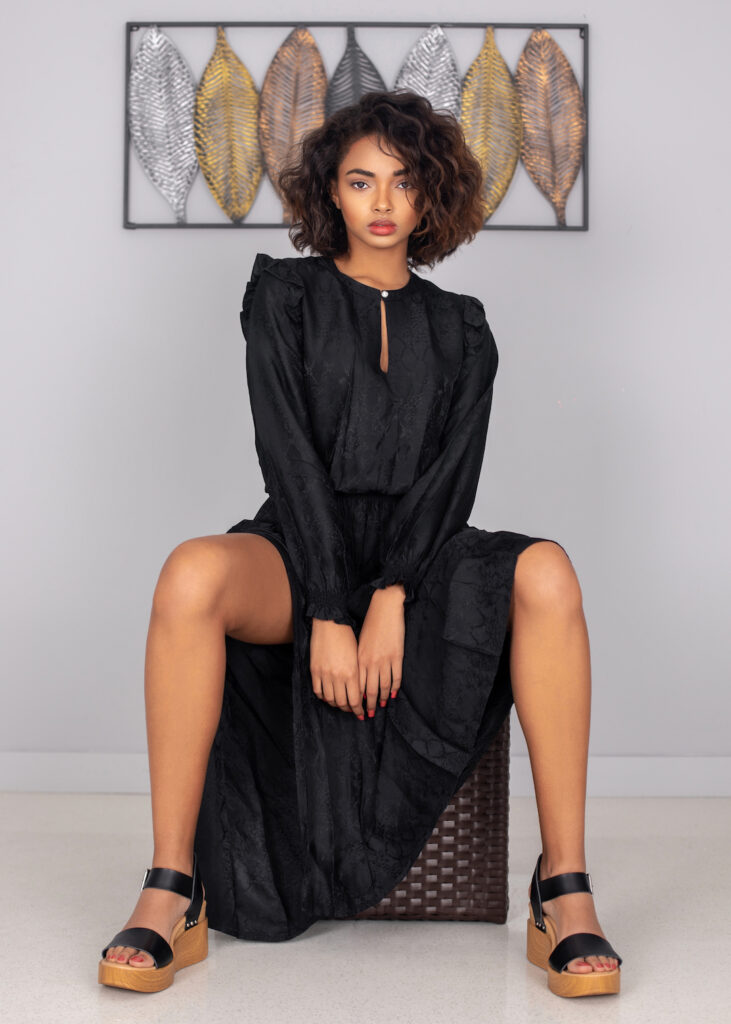
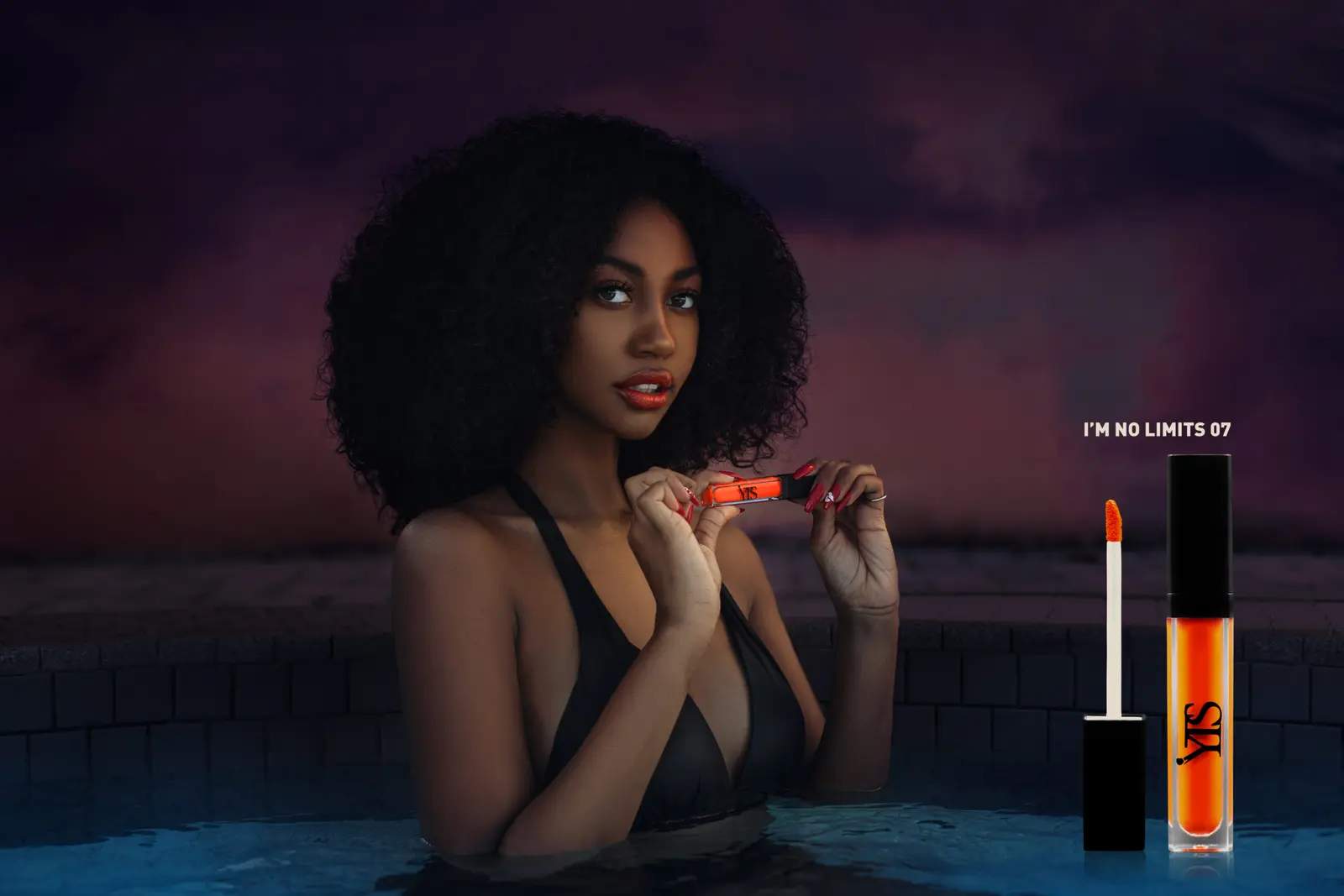
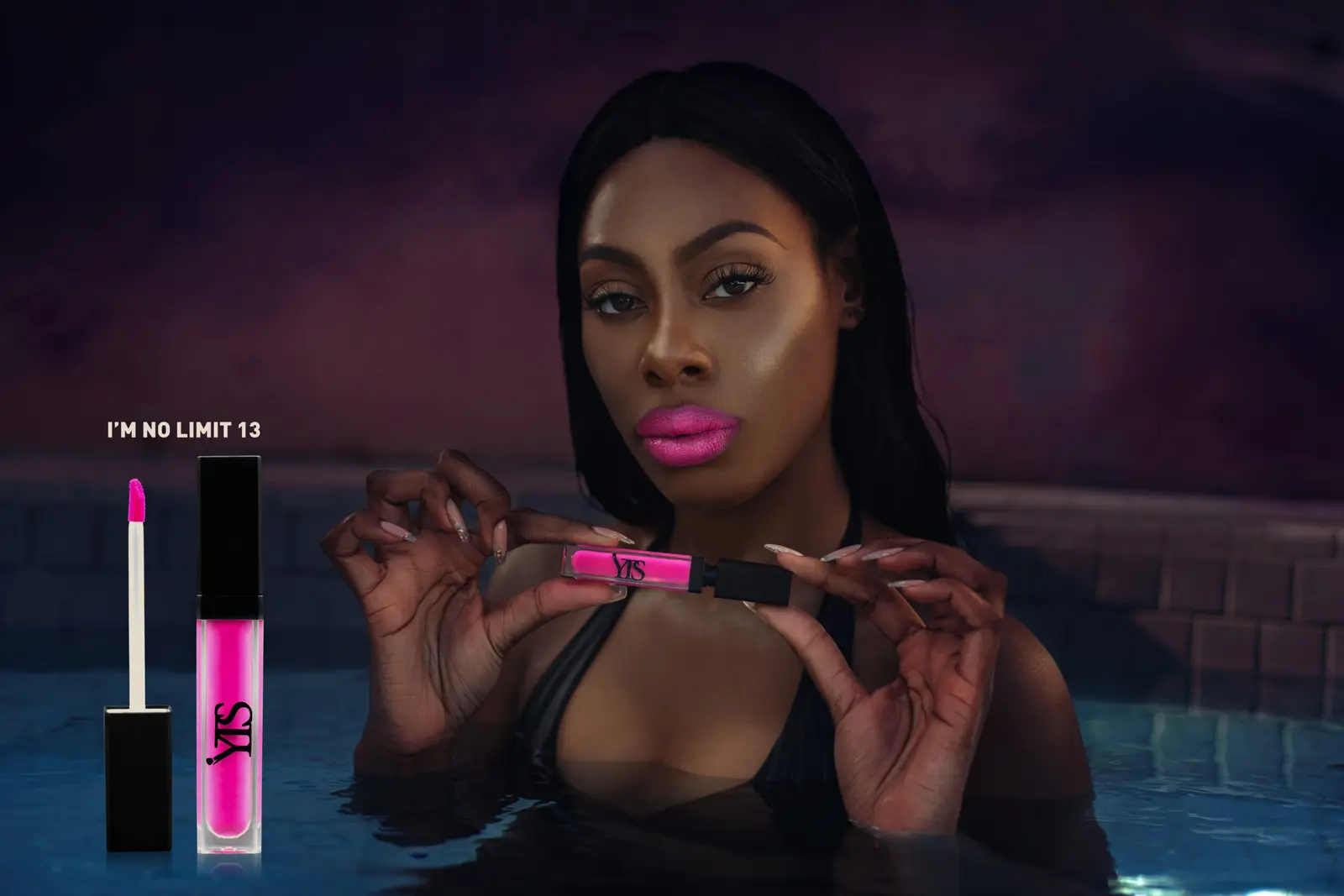
Image credits: Photography by Phil Halfmann. Creative direction by Sophia Lenore. Hair and makeup team: Sophia Lenore, Joanne Charles, Athaliyah Yisrael and Veronica Lopez. Models include Kimonie, Hope and Gaelle.