For a colored-light photoshoot, bring wardrobe chosen with the lighting plan in mind: one neutral option, one color that supports the concept, and a contrasting alternative if the session allows changes. Confirm the choices with the photographer before buying or borrowing anything.
Colored light can change how fabric appears in the photograph. A garment’s daylight color is only one part of the result; the light reaching it, the material and the exposure also matter. Test the actual outfit whenever possible.
Ask What The Colored Light Will Illuminate
Find out whether the color will fall on the model, the background, or both. A colored background with neutral light on the subject offers different wardrobe possibilities from a portrait in which the clothes and skin receive strongly colored light.
Ask for the intended palette and a few visual references. “Blue lighting” does not tell you whether the team wants a blue-on-blue image or a contrasting garment against blue surroundings.
Choose Between Harmony And Separation
A garment close to the lighting palette can help create a unified image. A contrasting piece can separate the body from the surroundings. Neither is universally better: it depends on whether the photograph should emphasize color, silhouette, material or the face.
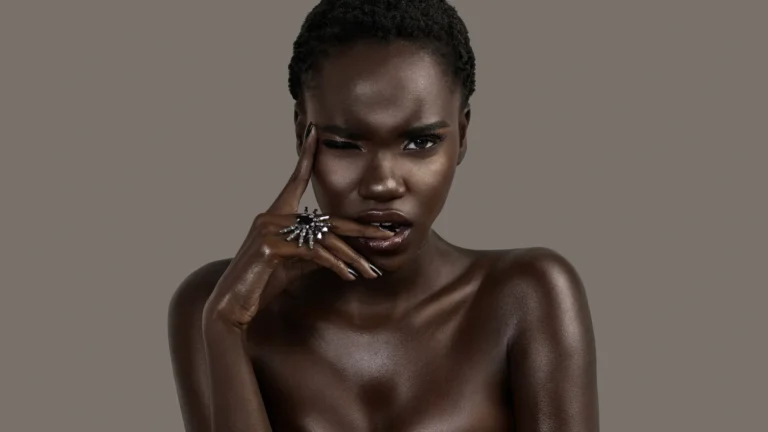
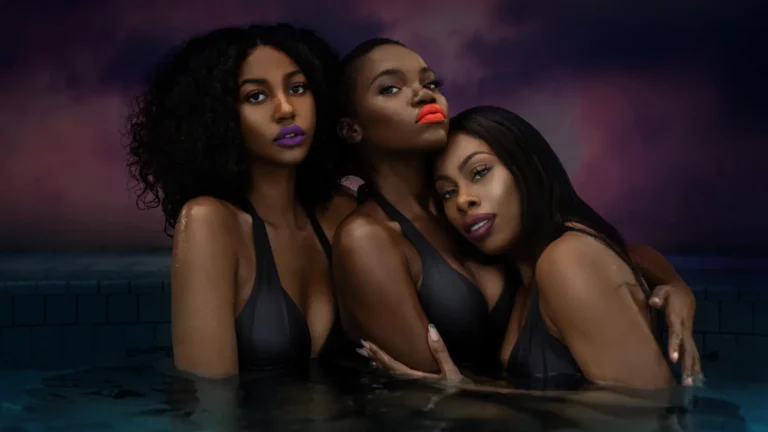
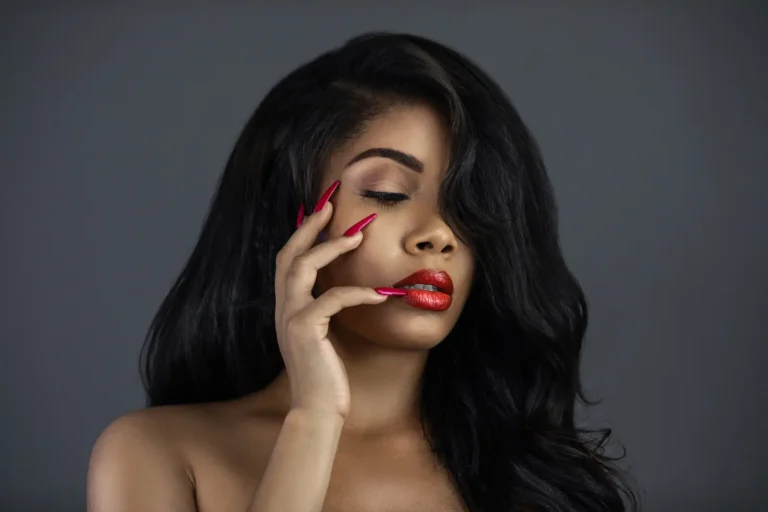
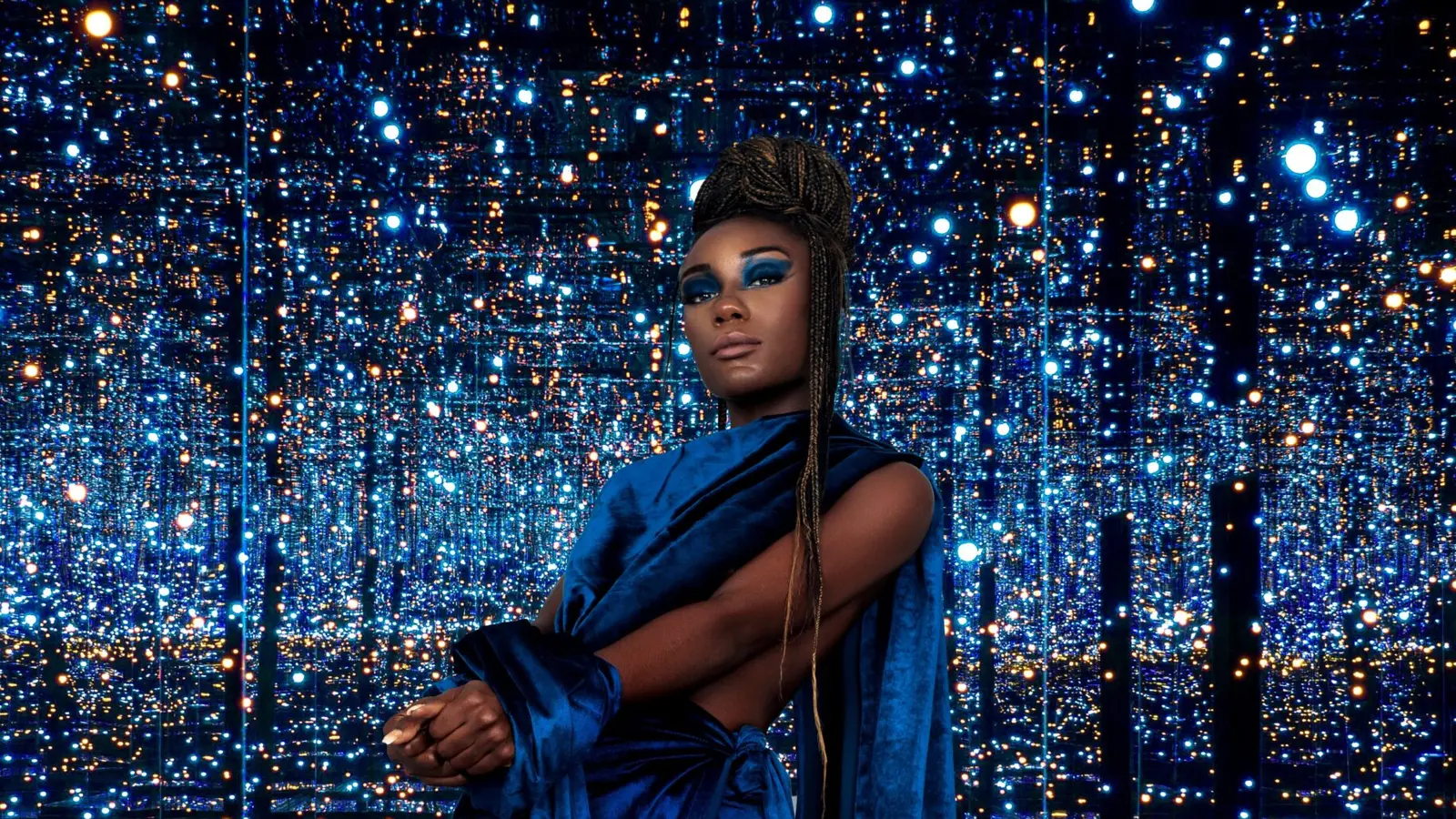
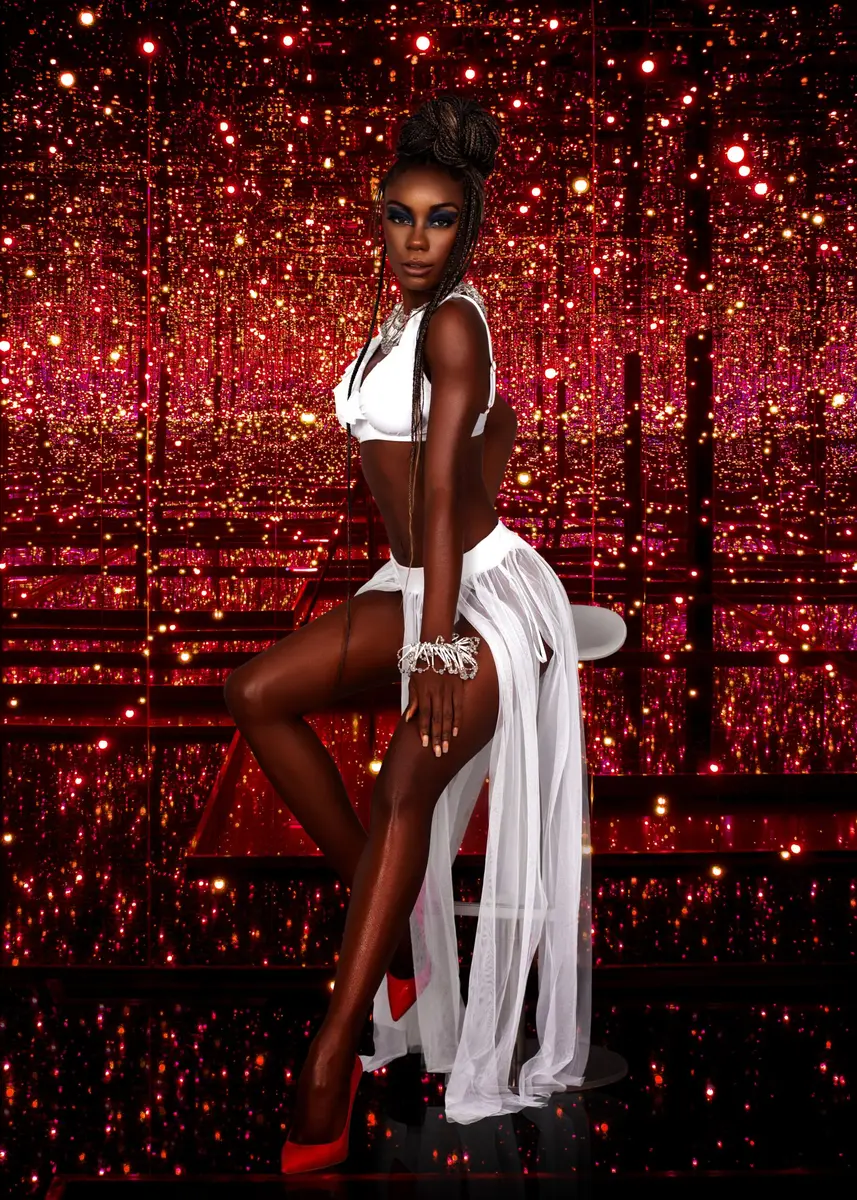
Our Color Me Beautiful editorial includes cobalt styling in a blue environment, white styling in a red-lit scene and a neutral trench coat under violet light. These are finished visual examples, not a record of the lighting settings used.
Bring A Neutral Option, But Test It
White and pale fabrics can make the effect of colored illumination easy to see. Dark fabrics may emphasize shape or reflective details while showing less surface information. The result still depends on material and lighting.
Bring alternatives rather than assuming white will stay white or black will preserve every fold. A test frame can reveal whether the garment has the separation and detail the team wants.
Compare Matte And Reflective Fabrics
A matte knit, a satin blouse and a metallic garment respond differently to the same scene. Reflective surfaces may create strong highlights, while softer textures can offer a quieter shape. Give the photographer a clear description or photograph of the fabric before the session.
When a garment is borrowed, confirm how it can be handled and whether pins or tape are permitted. Build the styling around comfortable movement instead of relying on adjustments that could damage it.
Keep Patterns And Logos Intentional
A plain garment makes it easier to see what the light is doing. A pattern can be useful when it belongs to the concept, but check it under the planned palette. Some parts may lose contrast while others become more prominent.
If accurate brand colors or readable logos are required, raise that requirement early. Strongly colored light may conflict with a brief that needs consistent product-color reproduction.
Coordinate Accessories And Makeup
Bring jewelry that supports the garment’s silhouette and the intended crop. Test reflective pieces for bright highlights and check that earrings remain visible beside the hair. Our Casual Simplicity editorial offers examples of a controlled wardrobe palette and strong beauty accents.
Share the lighting palette with the makeup artist. Discuss how the look will be judged in the final photograph, and allow time for adjustments after a test frame. Avoid choosing a precise makeup shade solely from a color-treated reference image.
A Wardrobe Checklist For The Session
- Confirm whether the colored light falls on the subject or only the background.
- Agree on a harmonious or contrasting wardrobe direction.
- Pack a neutral alternative and the complete shoes-and-accessories combination.
- Send fabric references to the photographer.
- Allow time to check the outfit under the actual lighting.
- Verify designer and borrowed-item credits.
Do I Need Bright Clothes?
No. Neutral clothing can carry a strong colored-light effect. Bright clothing is useful when its color belongs to the concept, but it should still be tested in the scene.
Can I Wear Black?
Yes. Ask whether the lighting will preserve the shape and detail you want. Texture, reflective edges and separation from the background can matter more than the garment’s label color.
Explore the complete Color Me Beautiful visual story for the original sequence. For general preparation, read our photoshoot process guide.
Archive Image Credits
Photography: Phil Halfmann. Creative direction, wardrobe styling, hair and makeup: Sophia Lenore. Model: Ann-neika. Makeup: Charlotte Tilbury. Photograph originally published in Color Me Beautiful.