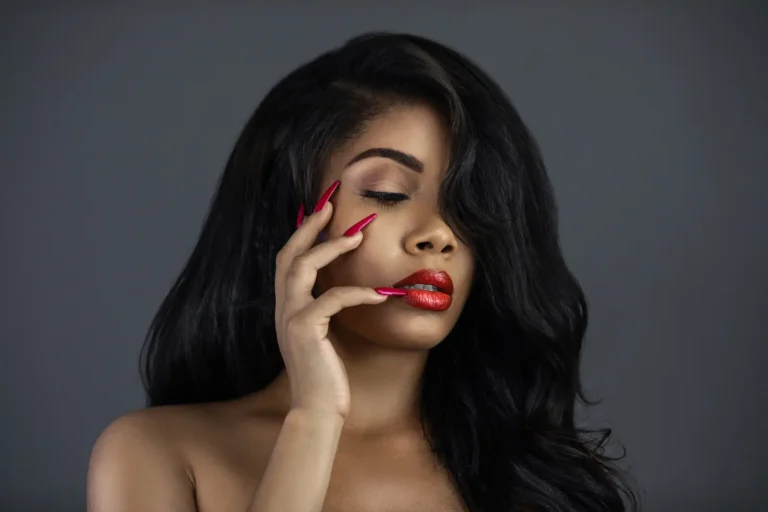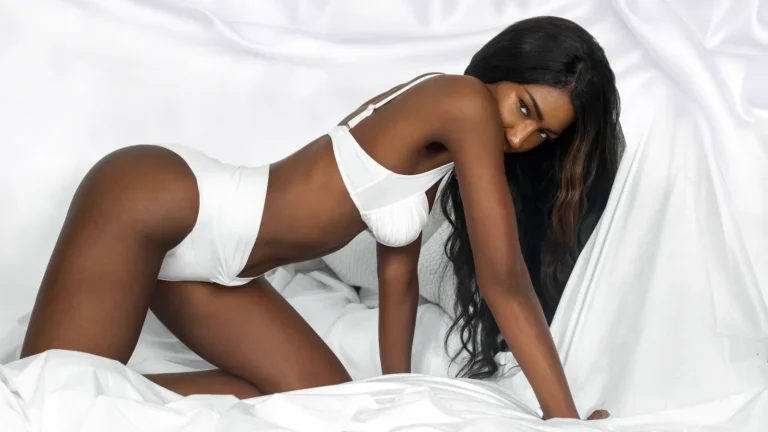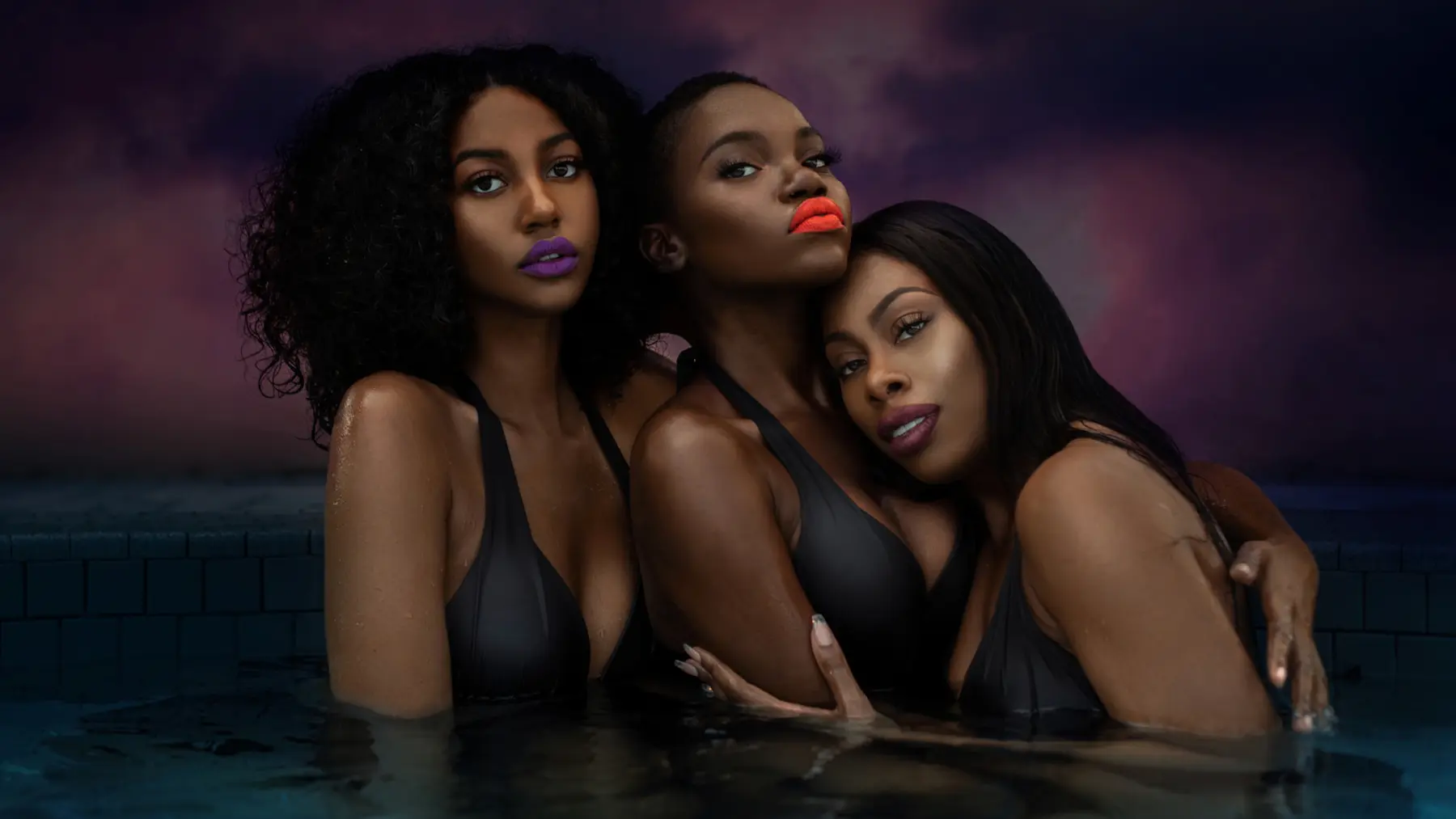
A makeup mood board for a photoshoot should tell the team what to create and which details matter. A page of attractive portraits is a starting point, but the makeup artist also needs to know whether you mean the lip color, the skin finish, the shape of the eyeliner, or the overall atmosphere.
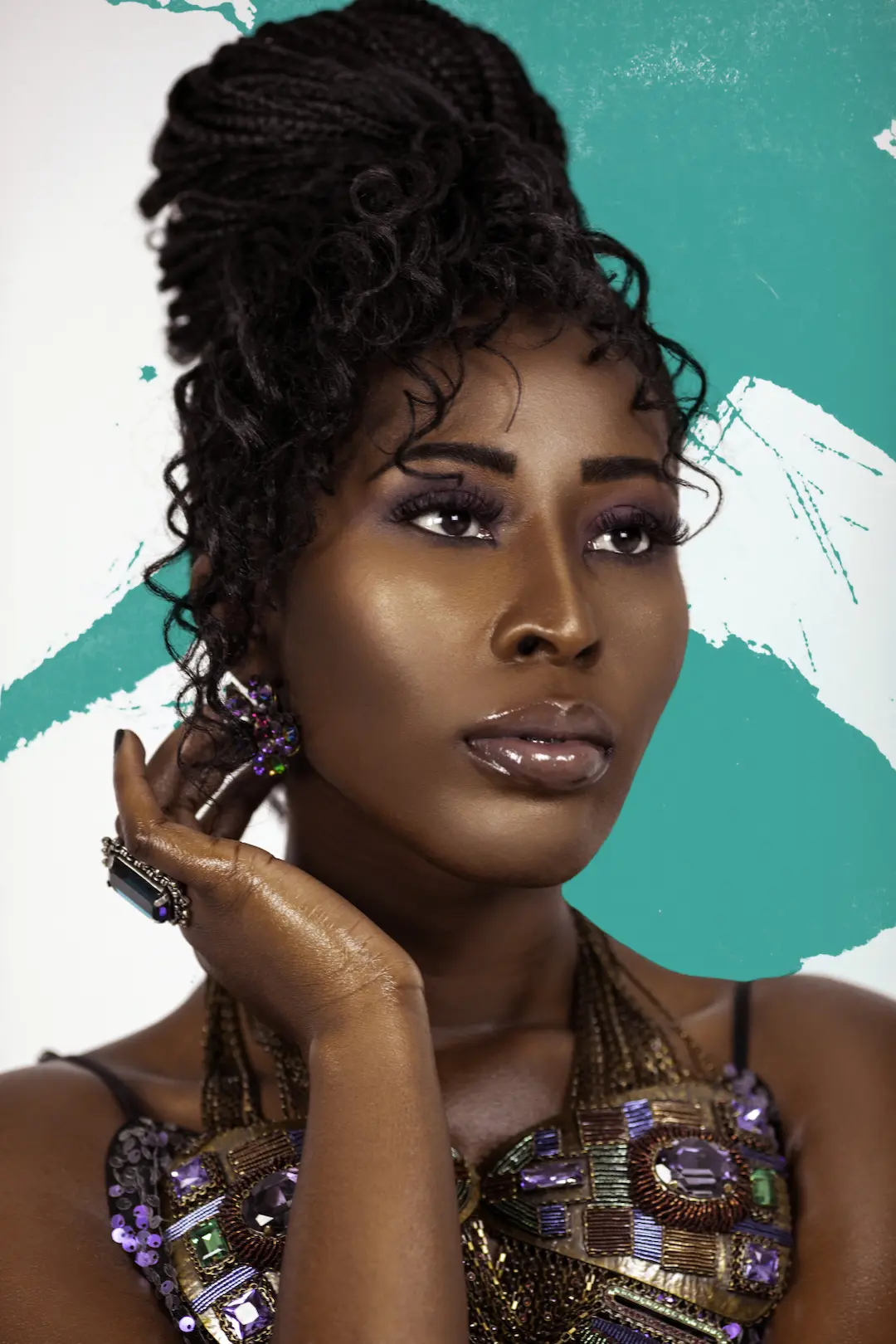
Build a small, annotated board around one look. Then check it with the photographer, makeup artist and model before the shoot. The archive photographs in this guide illustrate finished looks; they are not the original planning boards for those productions.
Start With The Purpose Of The Photographs
Write one sentence describing the result. For example: “A close beauty portrait with luminous skin, a strong lip and an uncluttered background.” This gives the team a decision to work toward. An agency portfolio image, a creative beauty editorial and a product campaign may need different levels of styling and different crops.
Agree on the intended use and the number of looks. If the plan includes three makeup changes, give each its own section rather than mixing all the references into one collage.
Separate The Look Into Five Decisions
- Skin: describe the finish, coverage and areas where you want shine or definition.
- Eyes: identify shape, placement, color and the amount of contrast.
- Lips: specify the color family, edge and finish.
- Hair: show the silhouette and how much of the face or ears should remain visible.
- Nails And Accessories: include these when hands or jewelry will enter the frame.
Choose a few references that each explain one of these decisions. There is no useful minimum image count: stop adding pictures when the direction is clear. Ten near-identical portraits can make a brief harder to read than three carefully annotated references.
Write What You Mean Under Each Reference
Use specific notes such as “lip finish only,” “keep the ears visible,” or “use the background as a color reference.” A picture can contain several strong ideas, and different team members may notice different ones.
Distinguish required elements from suggestions. If red lipstick is essential but the hairstyle is open, say so. Where two references conflict, choose a direction before the session or mark the alternative clearly.
Adapt References To The Person In Front Of The Camera
A reference is a conversation about an effect, not a requirement to make one face resemble another. Discuss the model’s skin tone, features, hair texture, comfort and preferences with the relevant artists. Ask the makeup artist to propose how the intended color and shape will translate.
Do not identify a product or shade from a photograph alone. Lighting, retouching and screen settings affect appearance. If a particular product is required, provide its verified name separately and confirm that it is available.
An Example Makeup Mood Board Brief
The following is an illustrative planning brief, not a record of one of our shoots:
- Purpose: one close beauty portrait and one wider portrait with hands visible.
- Direction: a strong berry lip with a softly defined eye.
- Skin: retain visible texture; agree on the placement of highlights at the test frame.
- Hair: keep the lip line and earrings unobstructed.
- Wardrobe: a plain neckline that leaves room for the accessories.
- Check Before Shooting: lip edges, jewelry position, nails, hair across the face and unwanted shine.
Review The Board Before The Session
Send the board early enough for the artists to flag missing products, timing problems or conflicting references. Keep one current version and make the order of looks obvious. A final test frame gives the team a chance to evaluate the makeup under the lighting that will actually be used.
For complete finished-image references, explore our beauty portrait editorial and Clean & Serene. Our photoshoot process guide explains the wider production sequence.
Can I Use Images From Different Shoots?
Yes, provided your annotations explain how they fit together. Credit the creators and keep the planning board within the agreed production use. Permission to view a reference does not automatically grant permission to republish it.
Archive Photography
Photography: Phil Halfmann. The photograph is reproduced from The Prestige Magazine’s existing beauty editorial archive.