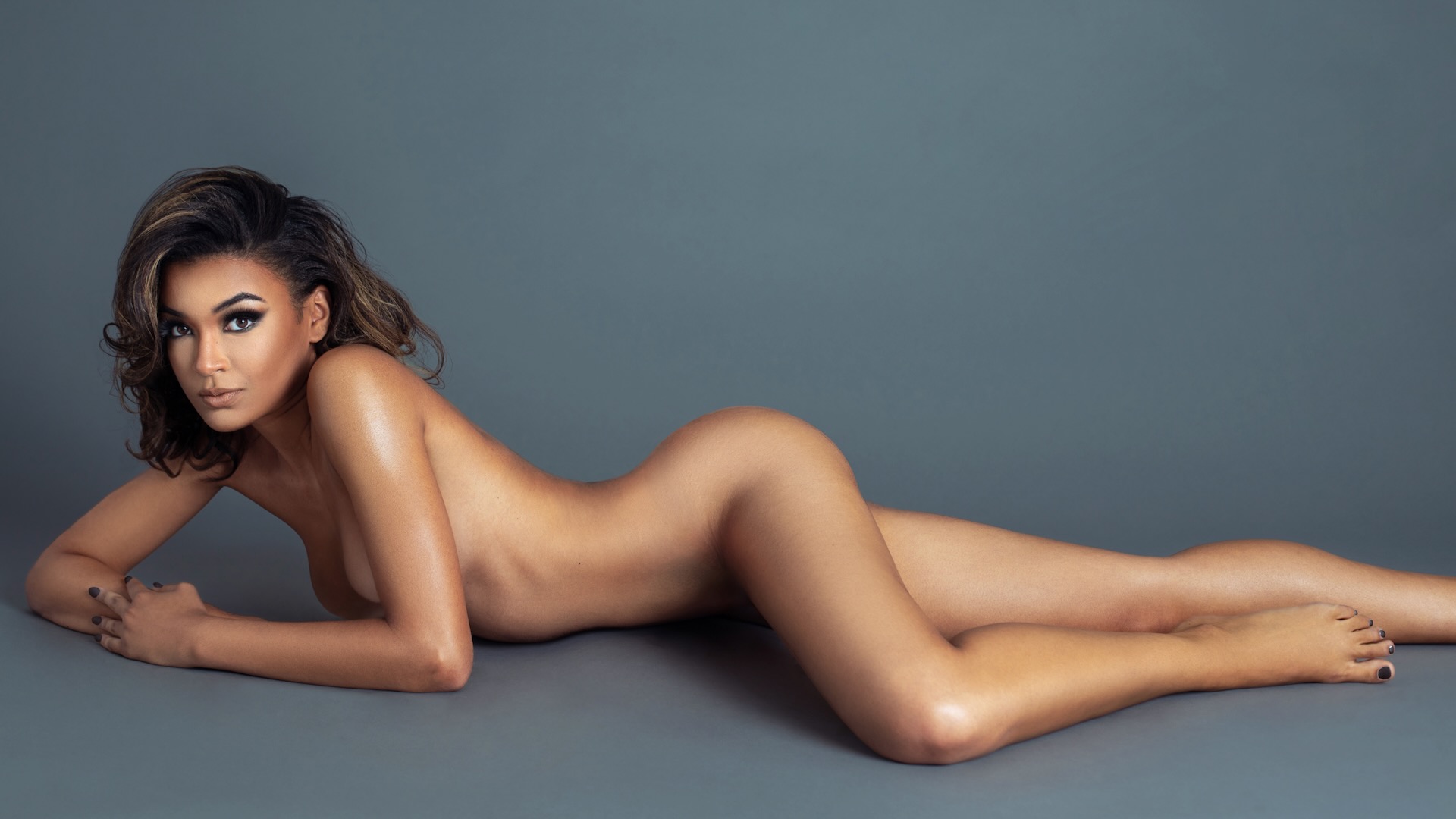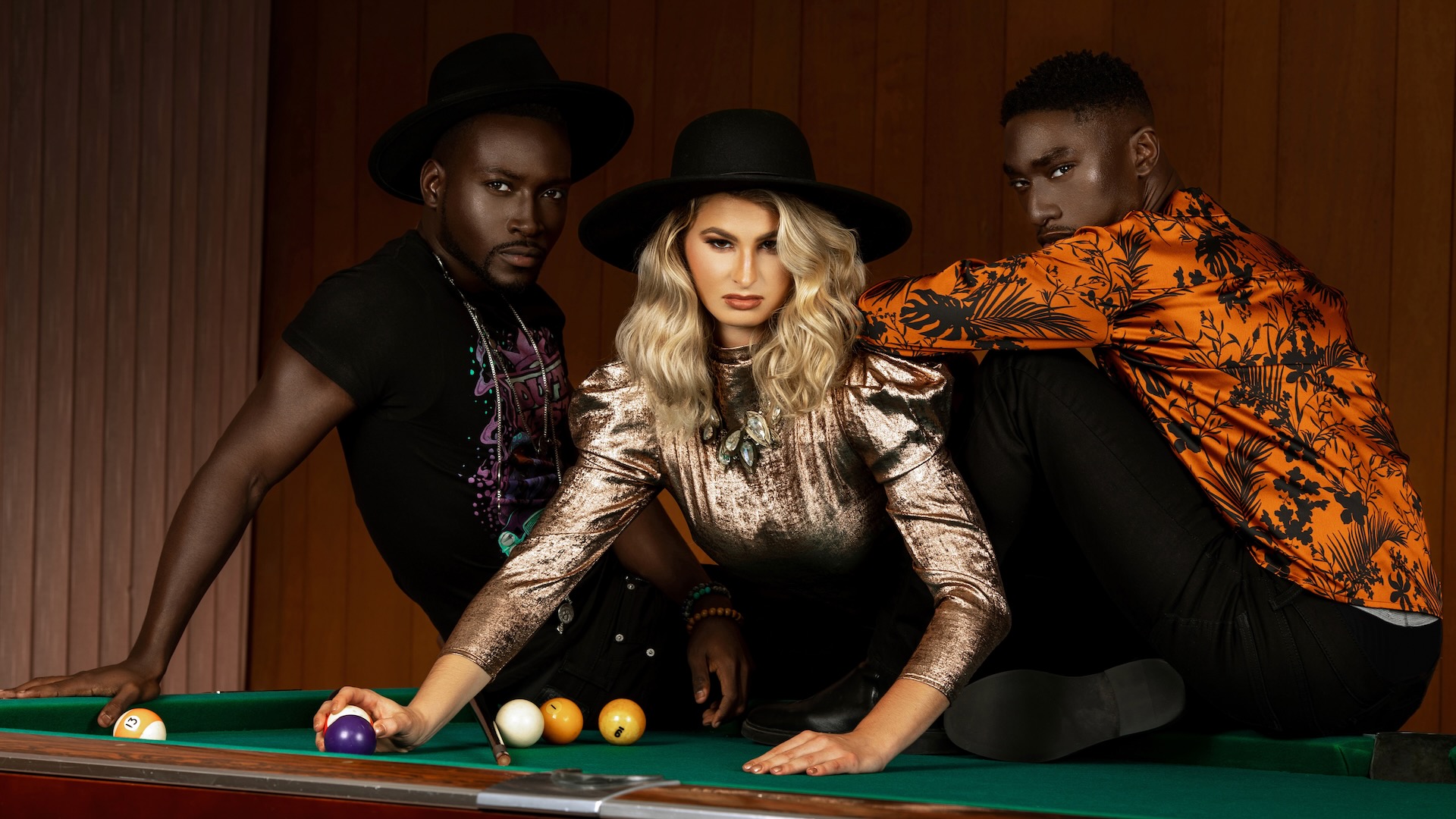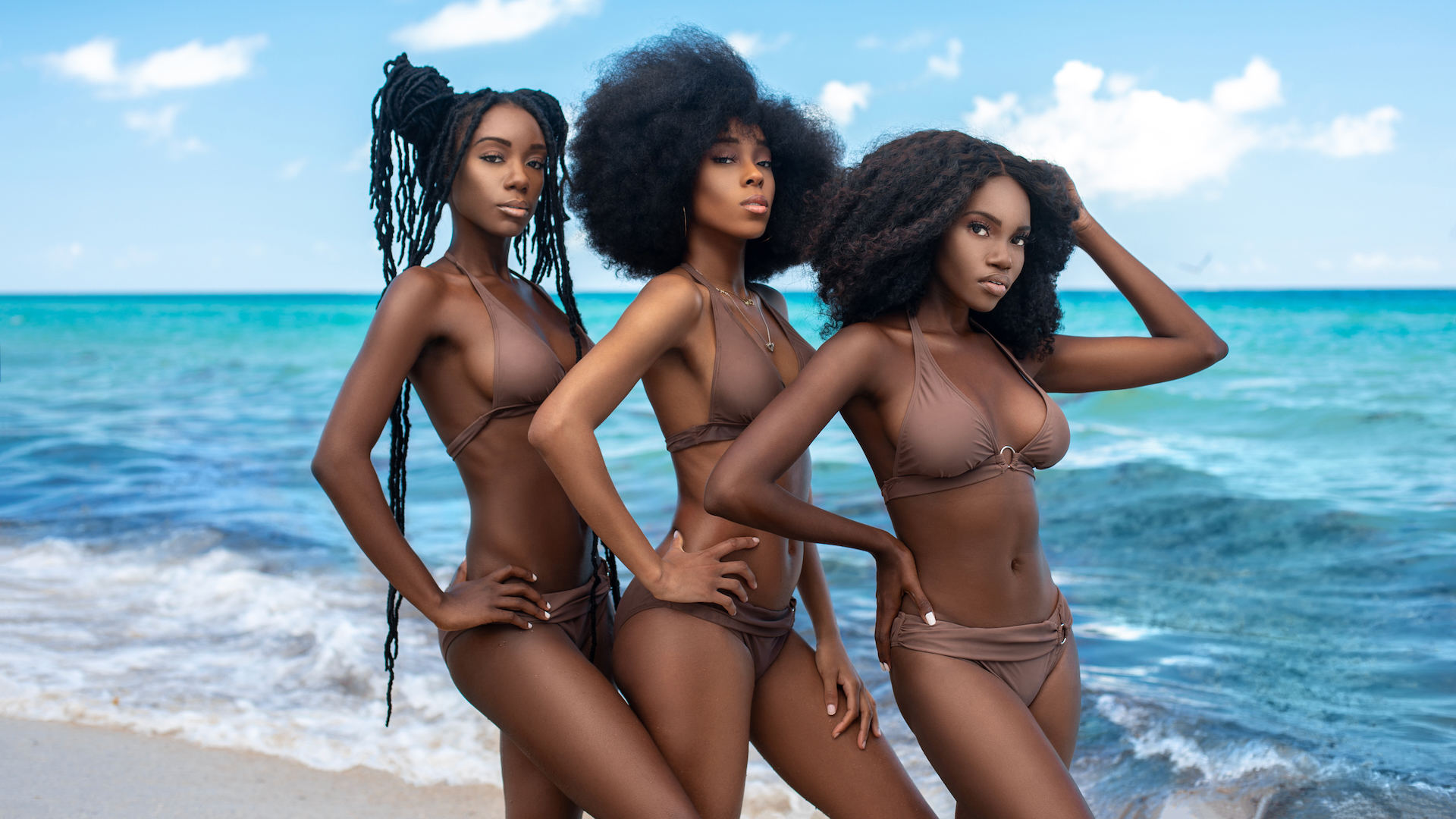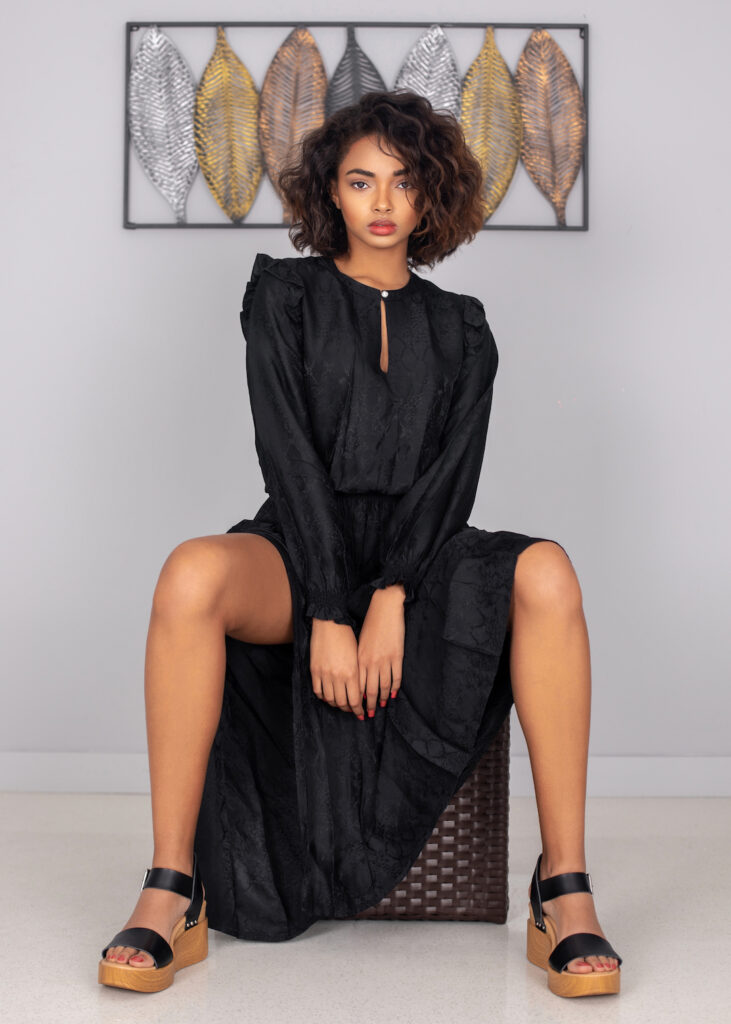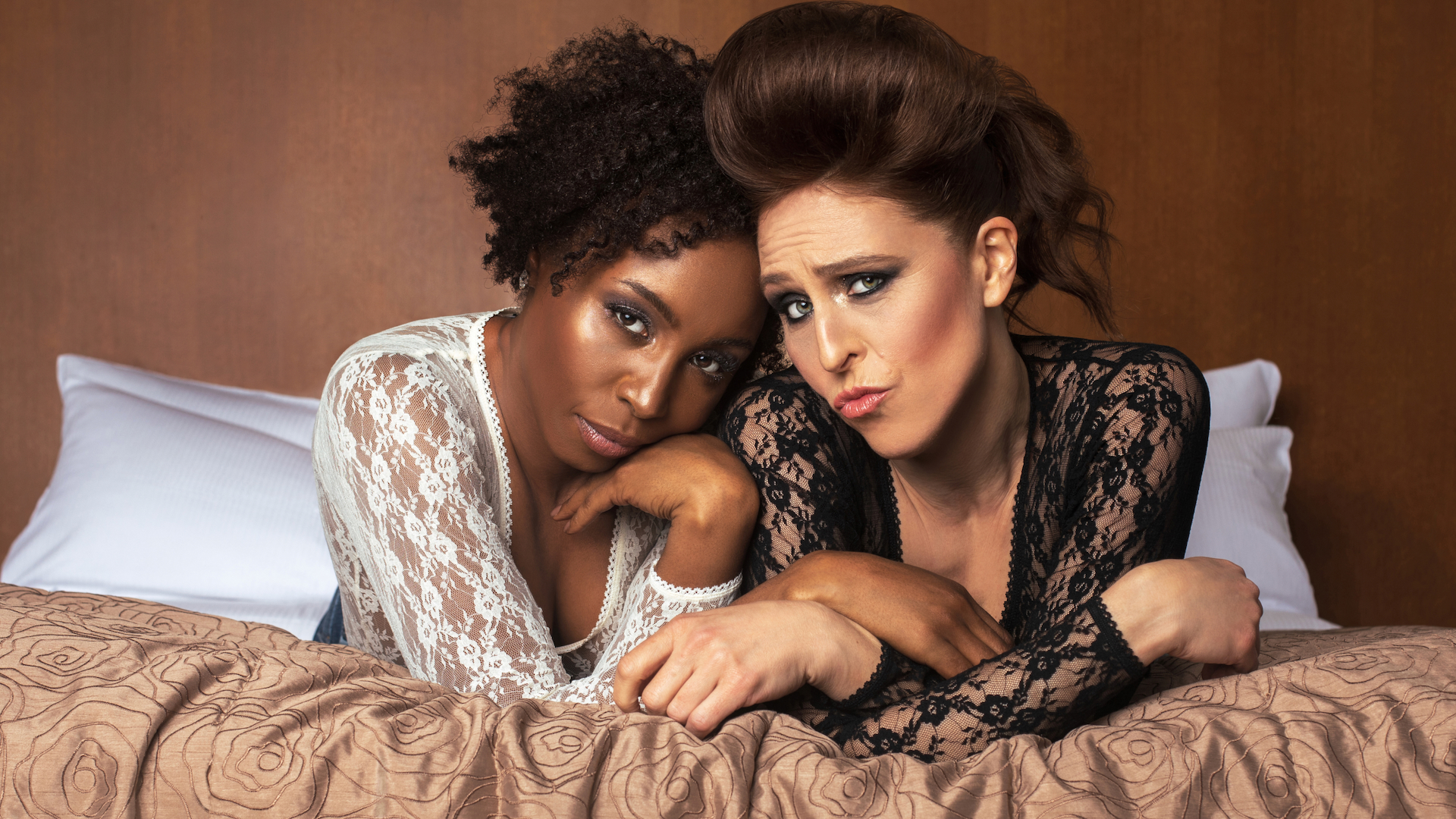
A clothing brand photoshoot can do far more than show garments; it can tell a human story. In this editorial, we explore how a clothing brand photoshoot at the Ellington Hotel Berlin used a lifestyle, inclusive approach to create intimate, wearable, and emotional imagery that elevates apparel and brand narrative alike.
Why a Clothing Brand Photoshoot Matters: Purpose & Approach
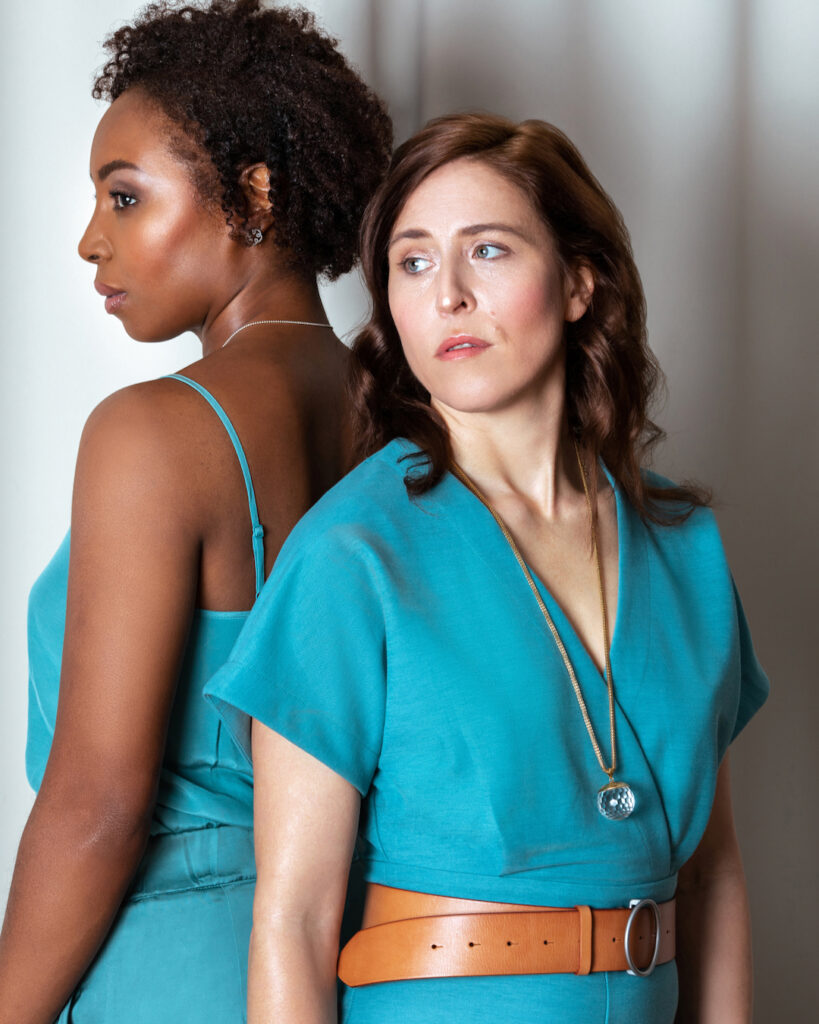
First and foremost, a clothing brand photoshoot becomes a visual manifesto. Moreover, it aligns product, identity, and audience expectations. Consequently, when planning such a session, the creative team must balance technical rigor with emotive storytelling — therefore blending fashion editorial photography techniques with clear commercial objectives.
In practice, apparel photography benefits when a team chooses a lifestyle fashion shoot format, because this shows garments in lived situations. Meanwhile, the brand campaign photography elements — such as consistent color palettes and cohesive styling — ensure campaigns scale across channels.
Our Editorial Vision for the Clothing Brand Photoshoot
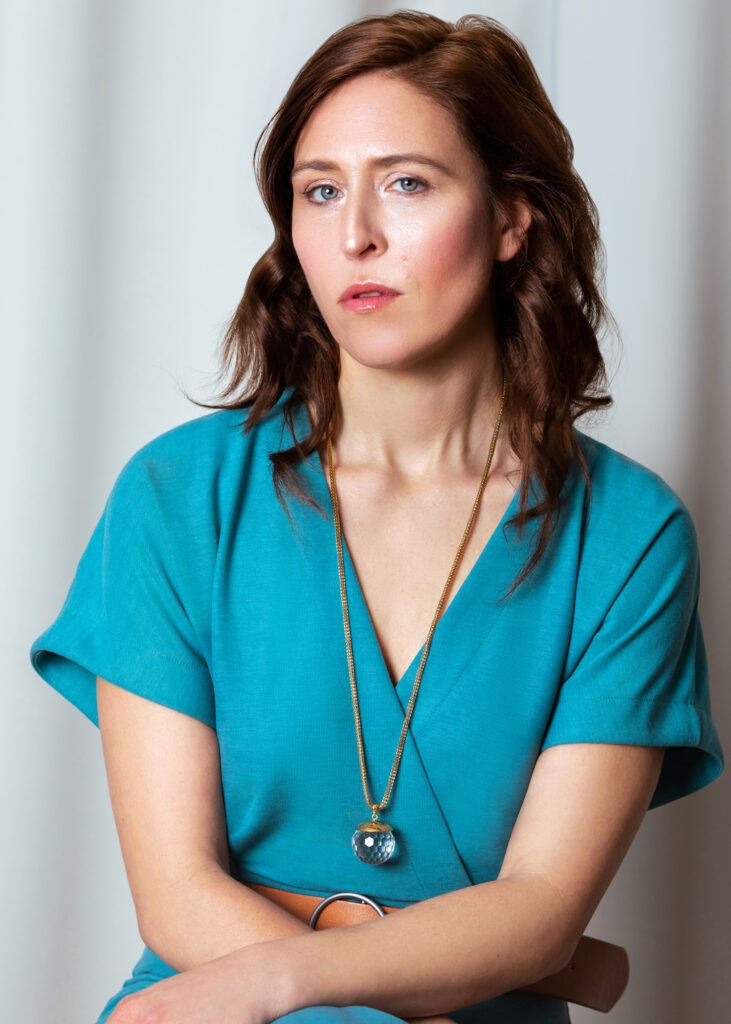
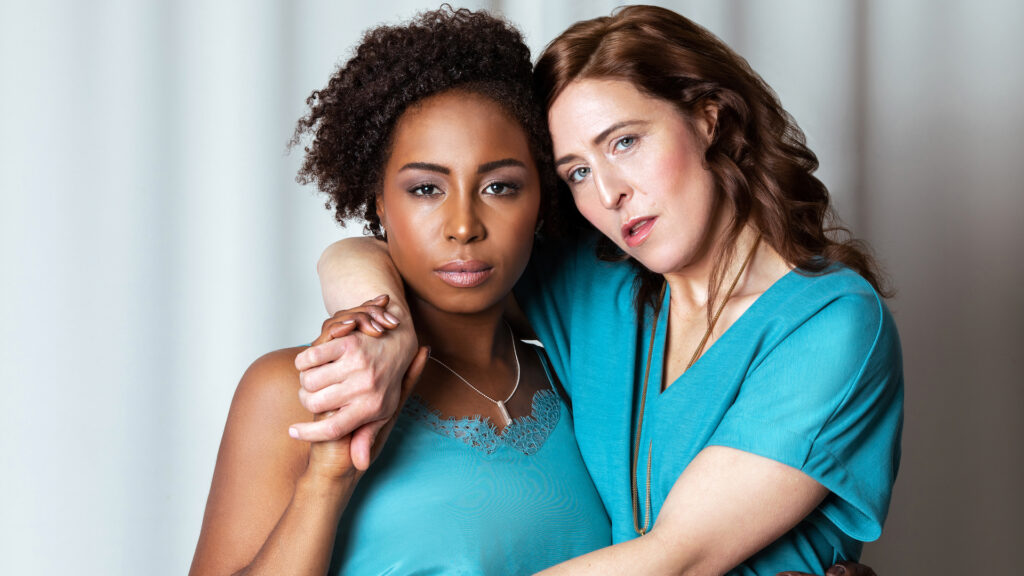
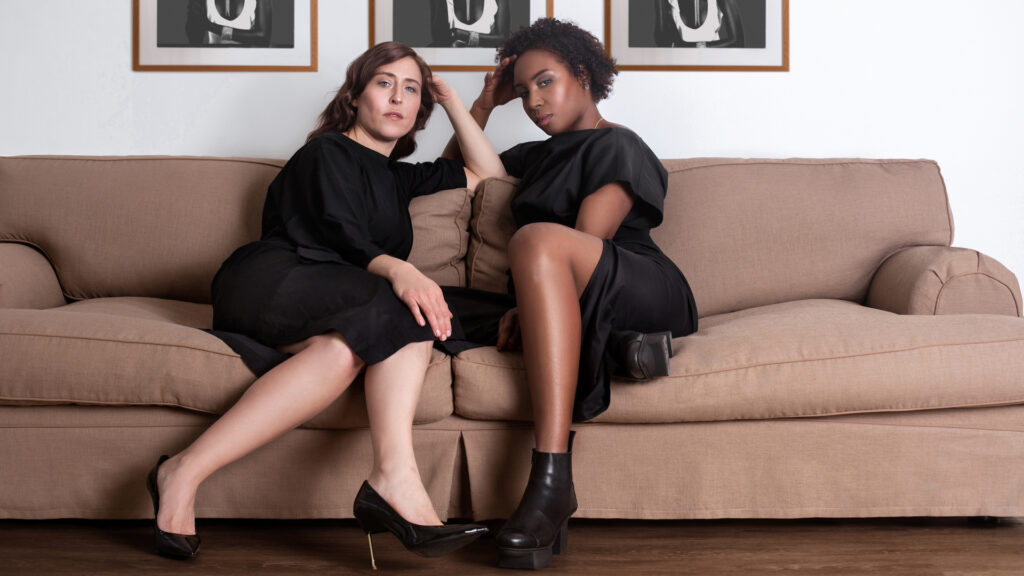
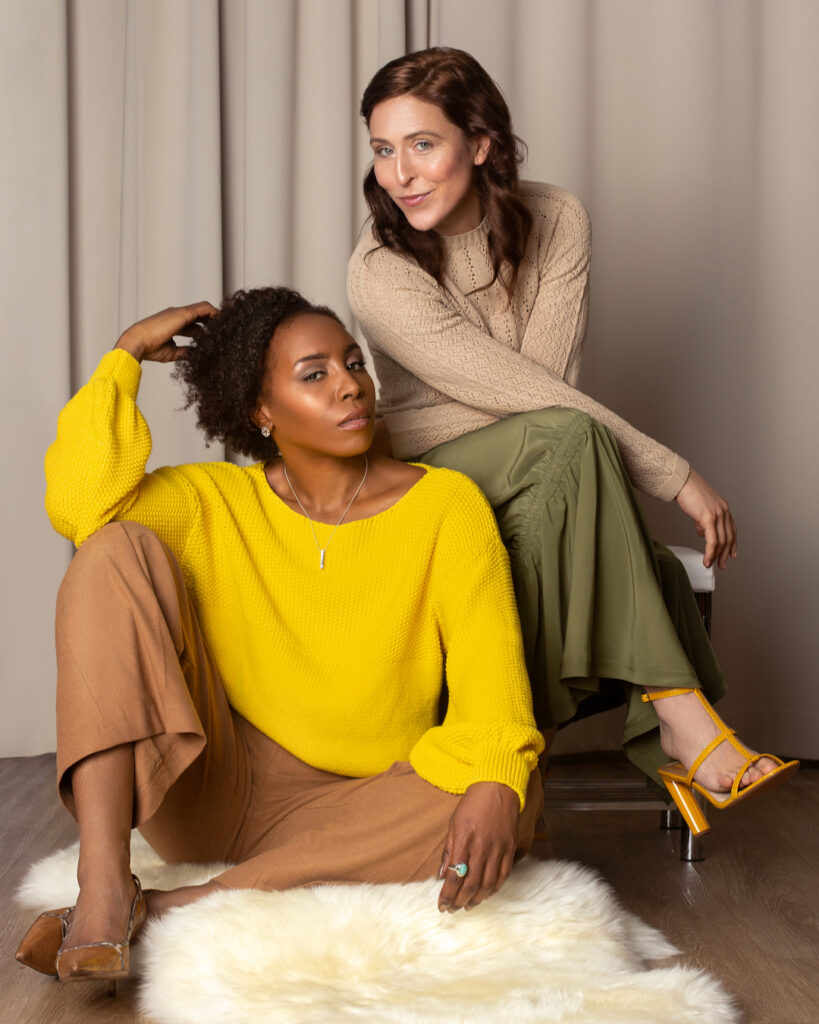
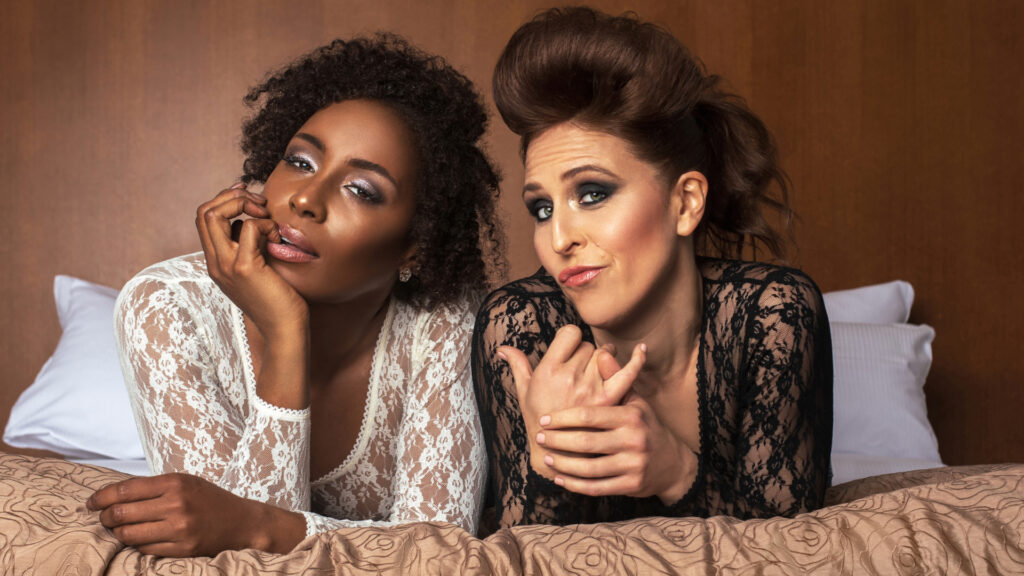
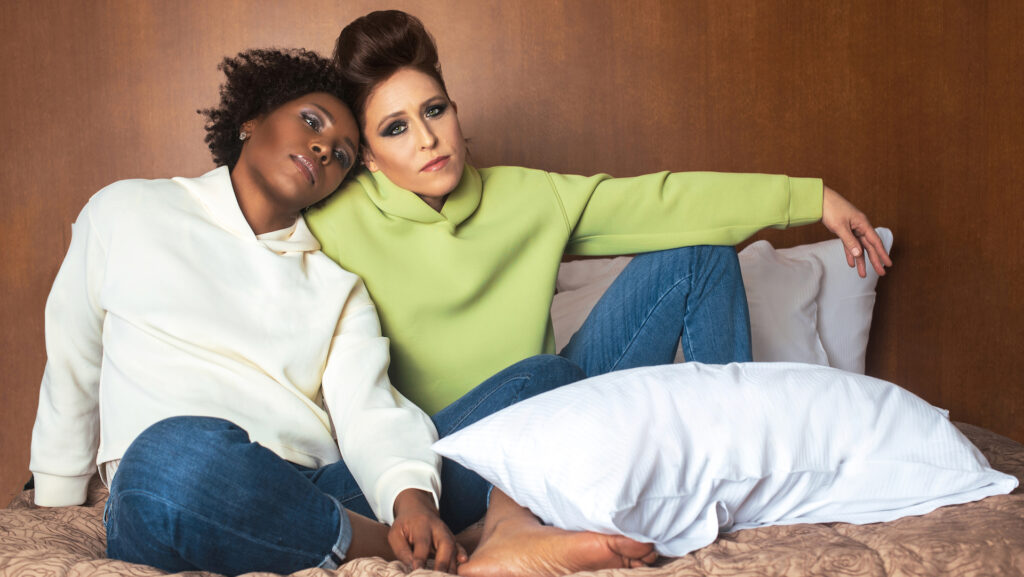
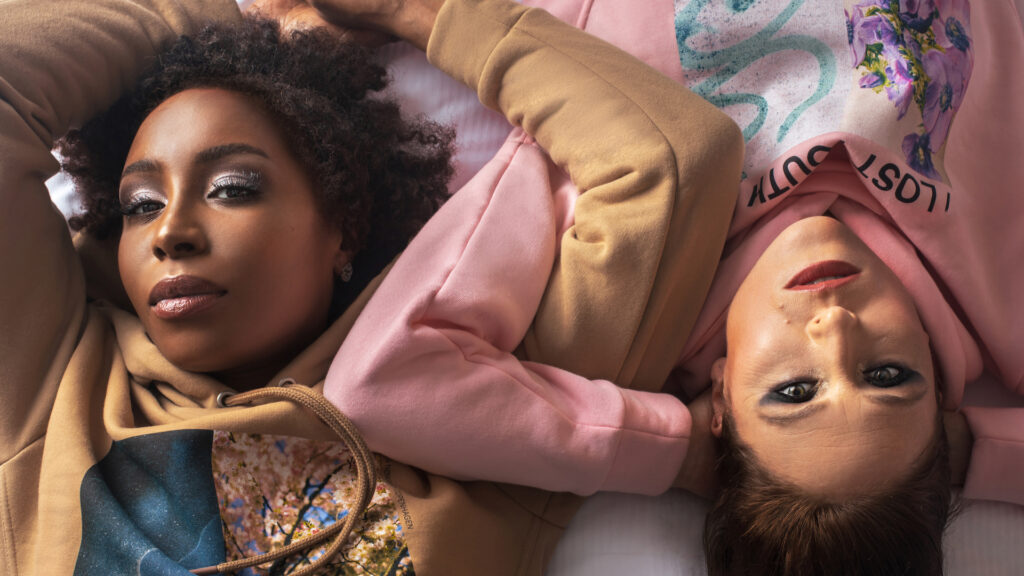
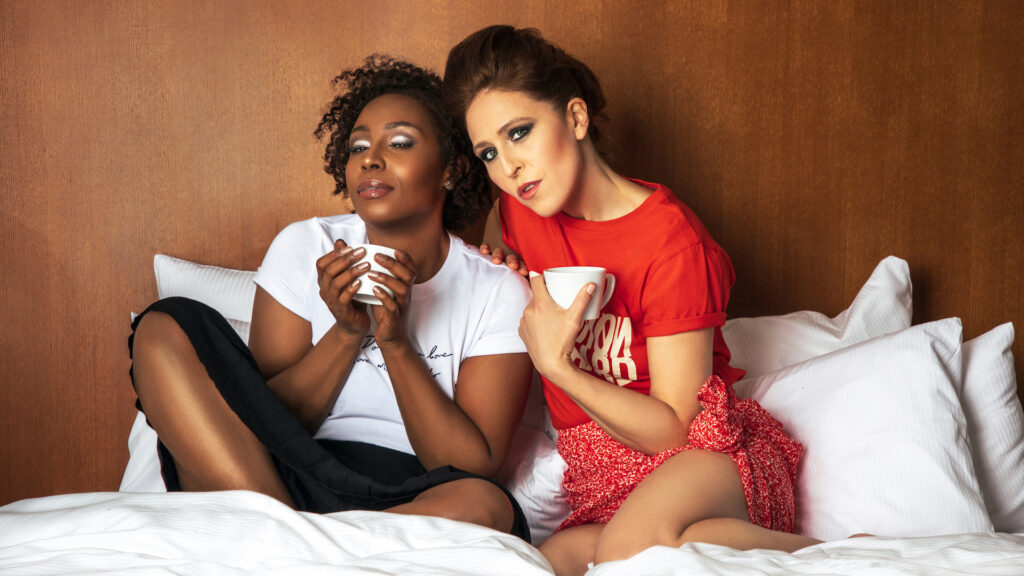
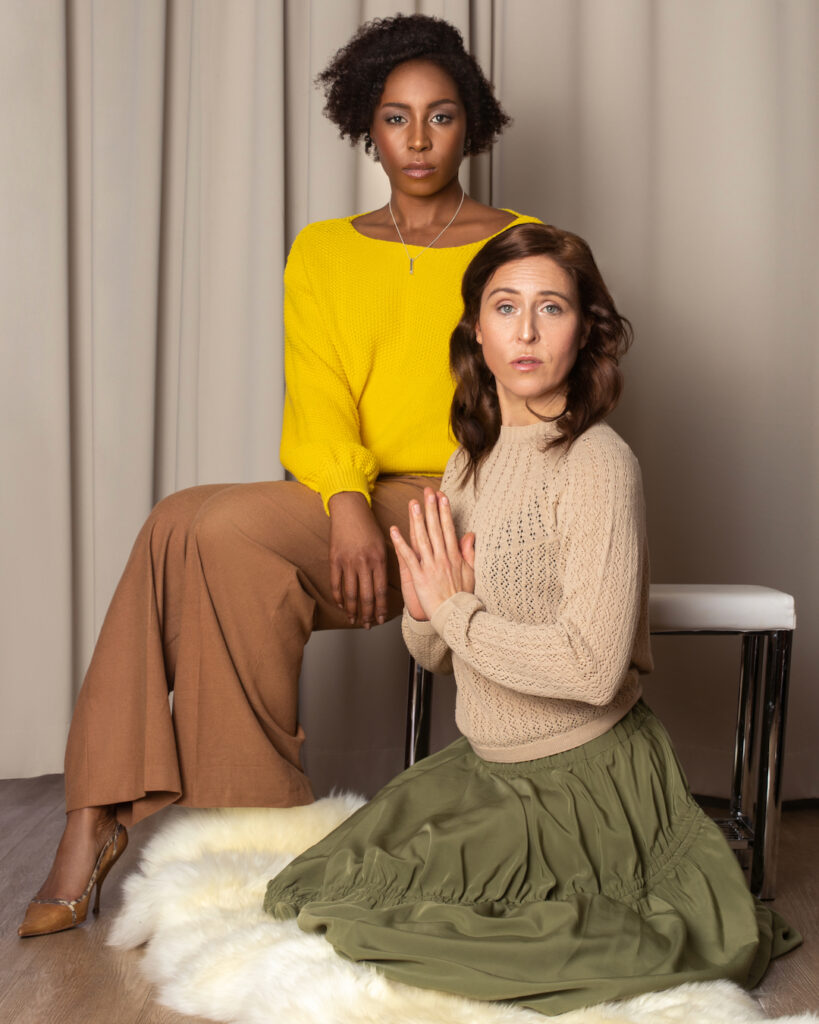
The editorial approach prioritized inclusivity, soft lighting, and calm compositions. Accordingly, our concept asked the models to interact naturally, thereby producing imagery that felt both cinematic and accessible. Furthermore, we focused on texture, drape, and expression so that each photograph would serve as both a product reference and a narrative frame.
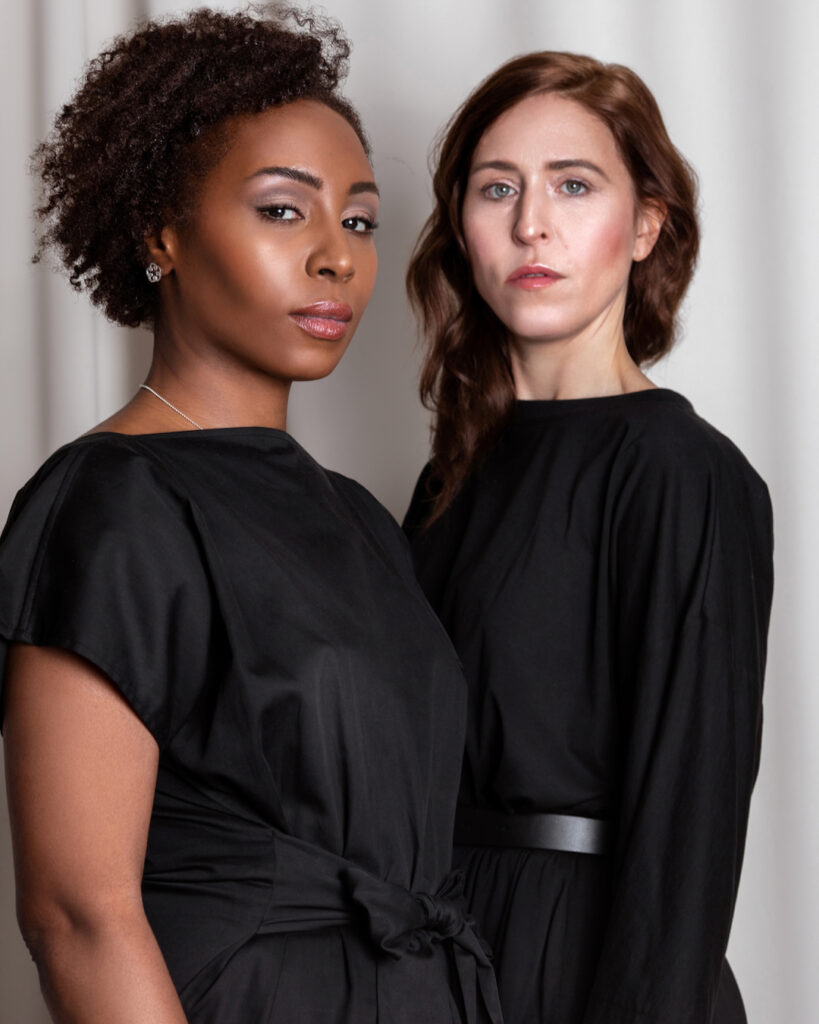
We collaborated closely with UNIQLO, Esprit, and Natascha von Hirschhausen to curate seven looks, each of which was styled to mix everyday ease with subtle editorial polish. As a result, the campaign reads as a continuous story — one that appeals to diverse audiences and encourages engagement.
Seven Looks: Storytelling Through Styling and Pose (Clothing Brand Photoshoot)
Below are the seven looks photographed at the Ellington Hotel Berlin. Each image description intentionally includes the focus keyphrase to ensure continuity and search relevance.
Technical Approach: Lighting, Lens Choices & Styling for Apparel Photography
When executing a clothing brand photoshoot, technical choices are crucial. For this editorial, we used soft, diffused key lights to capture fabric texture while avoiding harsh highlights.
Moreover, a mix of 35mm and 85mm focal lengths provided both context and flattering portrait compression. Additionally, we prioritized color accuracy by shooting in RAW and using consistent white balance references across the session.
Styling aimed to balance commercial clarity and editorial interest. Consequently, each outfit included one statement piece complemented by subtle accessories so the images could simultaneously serve as apparel photography references and evocative editorial frames.
How to Do a Photoshoot for Your Clothing Brand (Step-by-step)
- Define your concept and target audience. Next, create mood boards that communicate tone, palette, and model casting.
- Assemble your creative team. Hire a photographer, stylist, makeup artist, and assistant — and include collaborators who reflect your inclusive values.
- Scout locations and secure permissions. For instance, the Ellington Hotel Berlin offered classic interiors that supported our lifestyle fashion shoot.
- Plan the shot list and technical setup. Include flat-lays, detail shots, full-length, and lifestyle frames so you have a range for e-commerce, social, and editorial use.
- Shoot with purpose and review quickly. During the shoot, review images on a calibrated monitor and adjust styling to ensure garments read well.
- Post-production and delivery. Edit with color consistency, then prepare web-optimized files and high-resolution masters for print.
FAQ: Quick Answers for Photographers & Brands
What is apparel photography?
- Apparel photography is the practice of photographing clothing so that fabrics, fit, and design are accurately represented. It ranges from clean product shots to narrative-driven fashion editorial photography.
How to photograph apparel?
- Use consistent lighting, multiple angles, and detail close-ups. For lifestyle images, incorporate natural interactions that showcase drape and movement while maintaining focus on the clothing.
How to collab with clothing brands as a photographer?
- Build a focused portfolio, pitch tailored concepts reflecting the brand’s voice, offer mood boards, and present clear deliverables and pricing. In addition, maintain professional communication and flexible rights management.
How to photograph for clothing brands?
- Align your creative direction with the brand’s objectives, test lighting and fits in advance, and deliver a range of assets for online and offline channels. Moreover, offer styling suggestions to ensure product accuracy.
How to take pictures of clothes to sell?
- For e-commerce, shoot on a clean background with consistent lighting, include front/back/side/detail shots, and provide accurate color representation. Use mannequins or models to show fit and scale.
How to reach out to clothing brands as a photographer?
- Send concise, personalized emails that include a brief pitch, relevant portfolio examples, estimated rates, and links to mood boards. Follow up politely and provide testimonials if available.
How much to charge for clothing brand photoshoot?
- Pricing depends on experience, usage rights, location, and deliverables. As a guideline: emerging photographers may charge €300–€800 for small shoots, while experienced editorial photographers often start at €1,200–€3,500 and up. For full brand campaign photography with production teams, budgets scale accordingly.
Deliverables & File Formats for Brand Campaign Photography
Deliver high-resolution TIFFs for print and optimized JPEGs for web. In addition, provide a set of square and vertical crops for social platforms, plus a style sheet that details color codes, retouching notes, and usage rights. Consequently, brands will have assets that serve both commerce and editorial needs.
External Inspiration and Resources
For industry-leading editorial references and trend reporting, we often consult Vogue for cultural context and visual benchmarks. For example, you can explore current magazine layouts and fashion trend essays at Vogue.