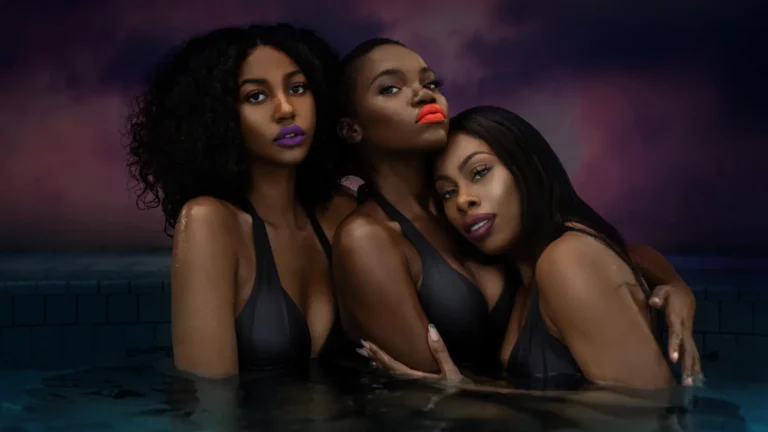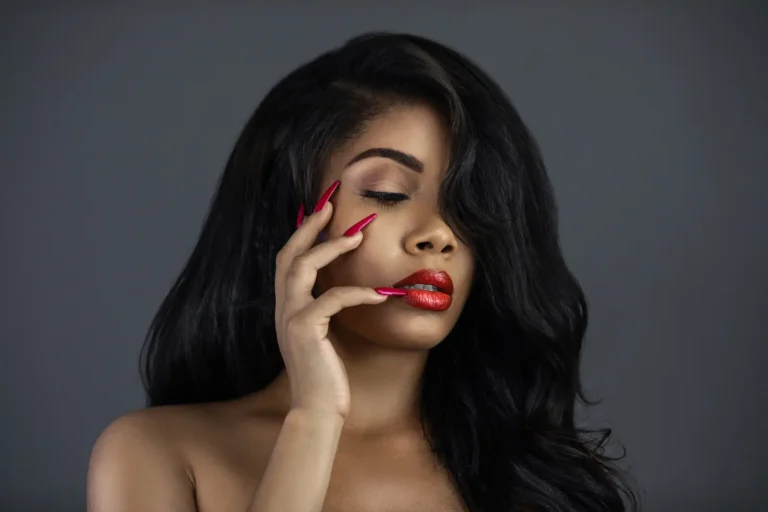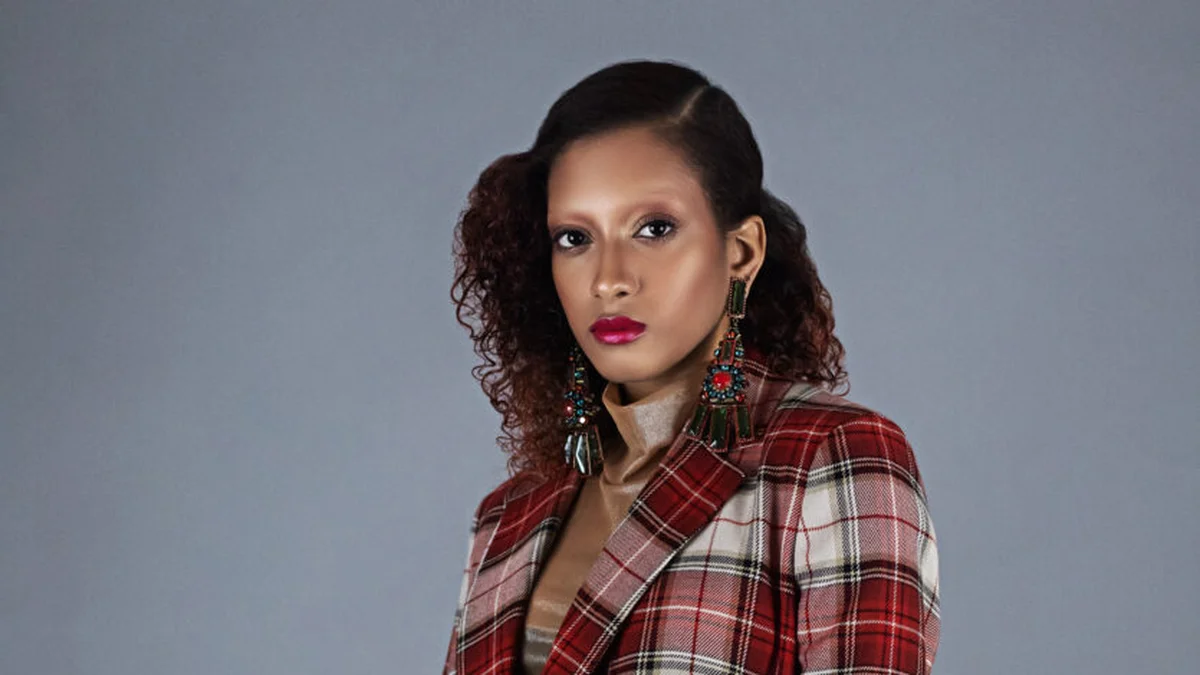
A TFP photoshoot is a portfolio collaboration in which the people involved exchange time and skills for agreed images, rather than a standard fee. “TFP” originally meant “time for prints”; today, digital files are usually the deliverable. The useful question is not just whether the shoot is unpaid, but what each person receives and may do with the photographs.
What Does TFP Mean in Photography?
Models, photographers, stylists, makeup artists and other creatives may plan a test shoot to explore an idea or add work to their portfolios. A TFP arrangement should give every participant a worthwhile outcome. It does not automatically grant a brand, publication or participant unlimited rights to use the pictures.
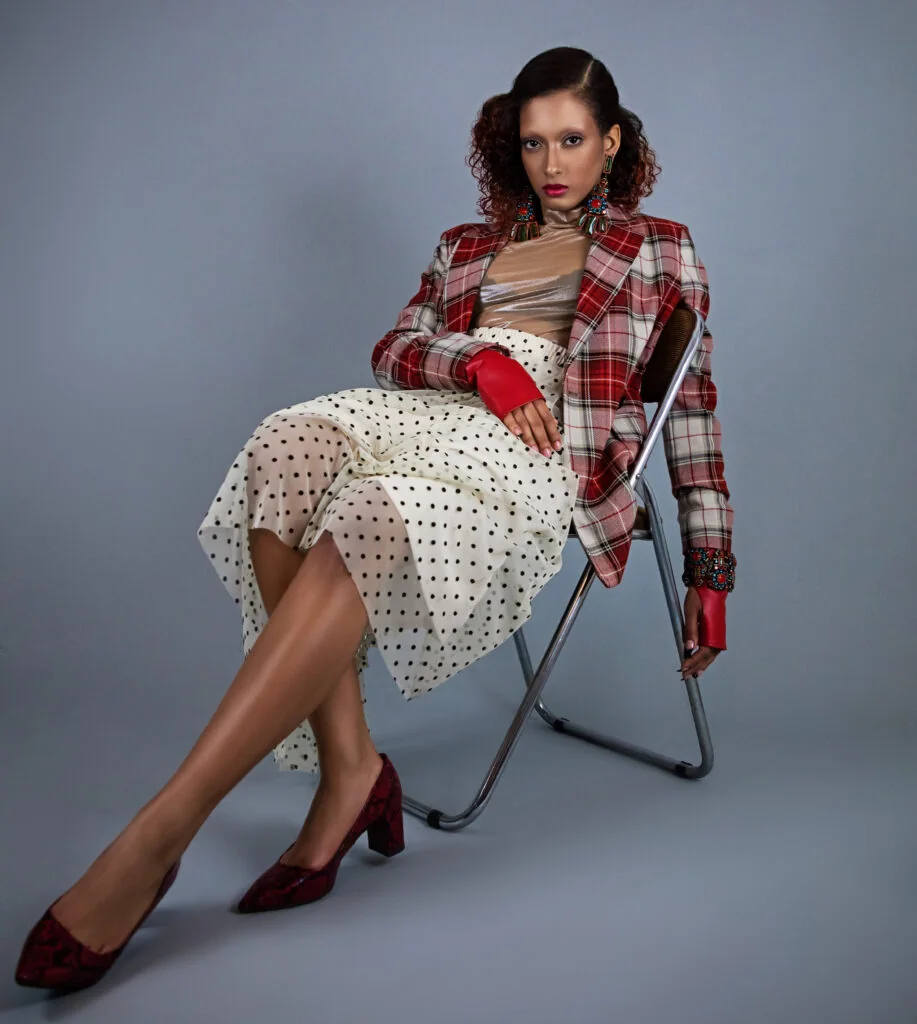
How Does a TFP Photoshoot Work?
- Agree on the concept. Share a mood board, the purpose of the shoot, the team, location, styling and expected looks.
- Set the terms before the shoot. Write down expenses, image selection, editing, delivery date, permitted uses, credit and publication plans.
- Produce the shoot. Confirm call times, contact details, changing space and boundaries. Everyone should be able to raise a concern or stop a setup.
- Deliver and share. The photographer supplies the agreed edited files; participants use them within the agreed scope and credit the team as promised.
For a broader production workflow, read our professional photoshoot process. To see how distinct looks can become an editorial story, explore our studio fashion editorial.
What Should a TFP Agreement Cover?
A short written agreement can prevent misunderstandings. Specify each person’s role; the date, location and looks; who pays for studio, travel, wardrobe, makeup or retouching; the number and format of edited images; a realistic delivery window; how long the files remain available; and whether participants may choose or request particular images.
Spell out where each person may use the photos: personal portfolio, website, organic social media and editorial submissions are distinct from paid advertising, product promotion, resale or third-party licensing. Decide whether anyone can edit or crop the work, when it can be posted, how names and handles will be credited, and how a cancellation is handled. A model release and an image-use agreement serve different purposes; get appropriate advice for your location and intended use if the rights are consequential.
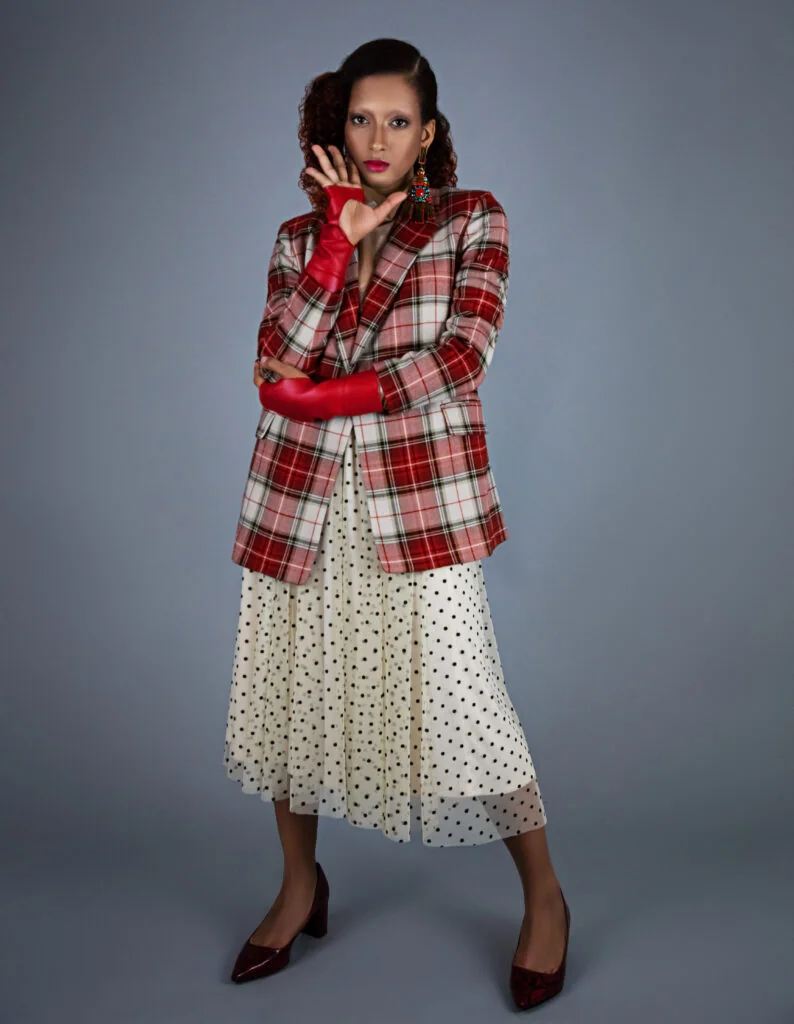
Is TFP Really Free?
Usually there is no creative fee, but participants still contribute labor and may incur expenses. Studio hire, transport, garments, products and specialist retouching should be budgeted and assigned in advance. No one should discover a required payment after agreeing to participate.
A commercial client brief, advertising campaign or urgent deliverable has a different purpose. When a company needs images for marketing, agree on a paid production budget and a defined license. For related career decisions, see our guide to the business side of modeling.
How Do You Find or Propose a TFP Collaboration?
Look at local creative communities, agency test-shoot networks, art schools and portfolios from people whose work fits your idea. Review past work and speak with collaborators before committing. A clear message is more useful than a generic request:
“Hi [name], I’m [role] based in [city]. I’m planning a portfolio shoot with [brief concept] on [date or window]. The team is [names/roles], and I’m proposing [number] edited images by [date] for personal portfolios and organic social use, with full credits. We would agree any expenses and publication plans before the shoot. My portfolio is available on request. Would you be interested in discussing it?”
Share a portfolio and mood board, allow time for questions, and respect a declined invitation. If you are building your modeling book, our modeling portfolio guide helps you identify which images you actually need.
When Is TFP Worthwhile?
It can work well when all collaborators want to test a visual idea, build a specific portfolio gap and can commit to clear deliverables. It works poorly when the expectations are vague, one participant carries most of the costs, or commercial use is presented as a favor. Review the team, the agreement and the value to each person before saying yes.
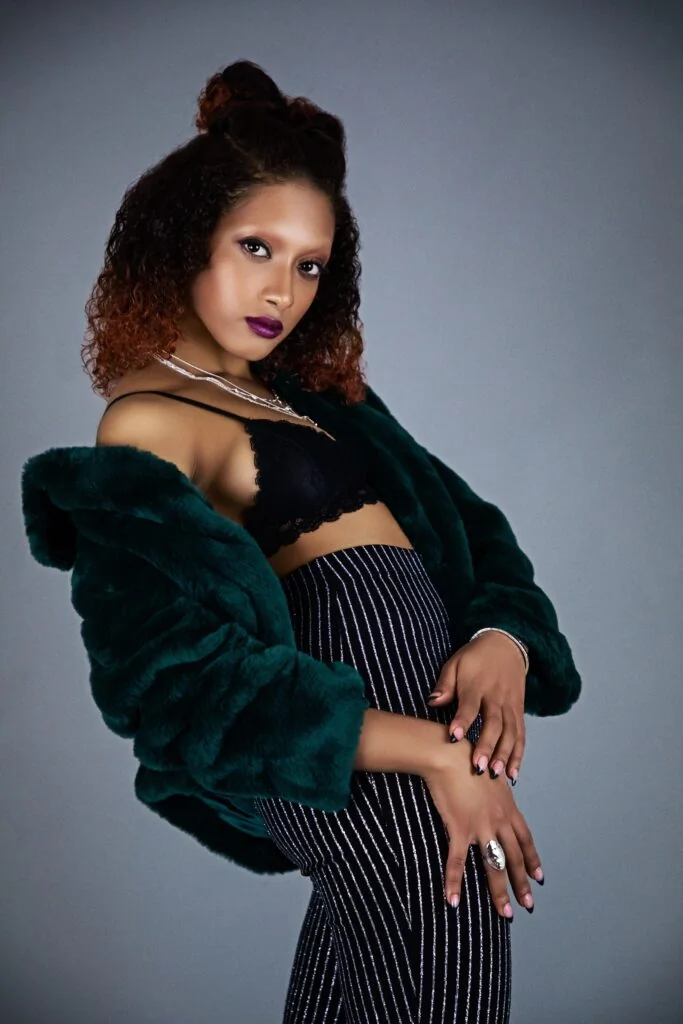
Frequently Asked Questions
Who owns the photos from a TFP shoot?
Ownership and permitted use depend on the applicable law and the agreement. Do not assume that receiving files transfers copyright or grants permission for advertising. Record the rights you need before shooting.
How many images should a model receive?
There is no universal number. Agree on a realistic count of edited images and a delivery date in advance; receiving every unedited frame is not a default part of TFP.
Can a magazine publish TFP photos?
Only if the necessary contributors and rights holders have authorized that submission and publication. Confirm credits, exclusivity and any embargo before sending images.
Credits
Photography: Phil Halfmann
Creative direction and lead hair and makeup: Sophia Lenore
Wardrobe styling: Laura Eissfeld
Model: Estela