Weight Training For Tennis is not about lifting the heaviest weight in the room — rather, it is about developing balanced strength, efficient movement, and joint stability so every tennis player, regardless of level, can move and perform with greater confidence.
When approached thoughtfully, Weight Training For Tennis supports flexibility, enhances coordination, and reduces the risk of injury while nurturing long-term athletic wellbeing.
What Is Weight Training For Tennis?
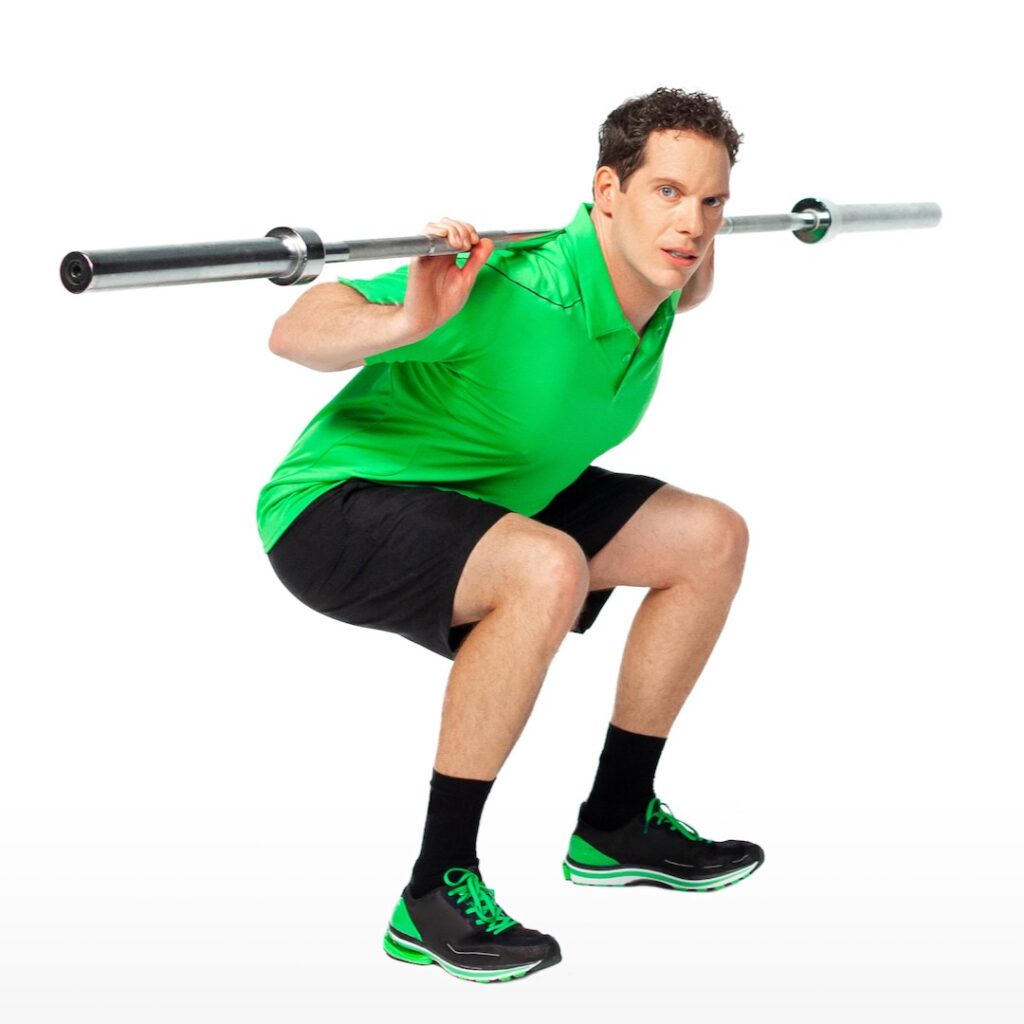
Weight Training For Tennis refers to a form of functional, balanced, and inclusive strength development that supports the unique demands of the sport. Instead of purely aiming to increase muscle size or lift extreme loads, it focuses on:
- Joint stability to protect knees, hips, shoulders, and wrists
- Muscle balance between opposing muscle groups
- Mobility and range of motion
- Controlled, efficient power generation
- Movement patterns that translate directly to tennis strokes and footwork
This approach overlaps greatly with strength training for tennis players and resistance training for tennis in that the emphasis is on usable, transferable strength rather than aesthetics. As a result, tennis athletes can move faster, rotate more efficiently, and recover more effectively between points and matches.
Find out how to determine the appropriate weight for the exercises.
What Types of Weight Training For Tennis Players Are There?
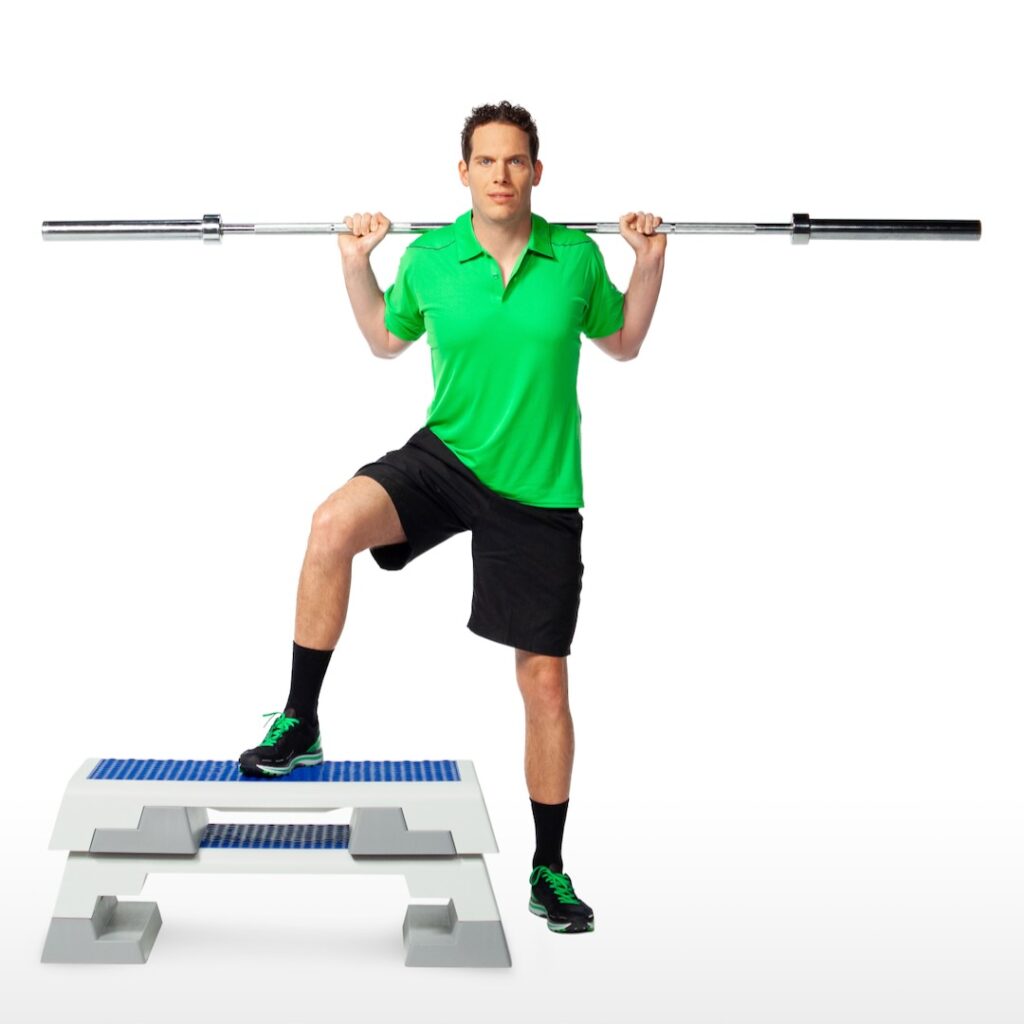
There are several types of Weight Training For Tennis, and each plays an important role in developing a complete and healthy athlete. Therefore, combining two or more of these within a plan typically delivers the best results.
1. Functional and Free-Weight Training
These exercises include squats, lunges, deadlifts, overhead presses, and rotational movements using dumbbells or barbells. They are similar to many tennis strength exercises because they require balance, posture, and full-body coordination.
Furthermore, free-weight movements strengthen stabilizer muscles that are essential for holding positions during stroke production.
2. Bodyweight & Stability Training
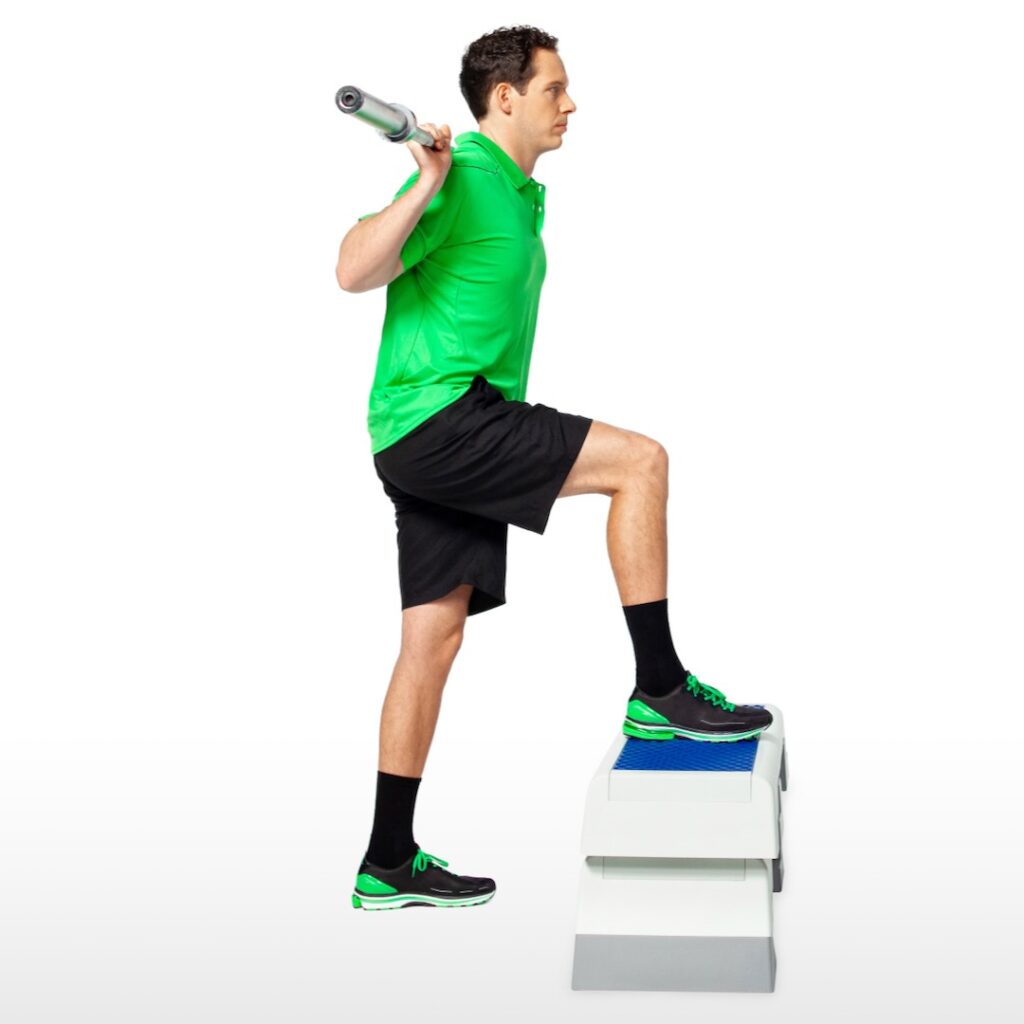
Exercises like planks, glute bridges, single-leg squats, and push-ups allow players to master control over their own body. These movements are essential in tennis conditioning workouts and can be performed anywhere.
3. Resistance Band Training
Bands are especially helpful for shoulder and hip strengthening, making them ideal for resistance training for tennis. They improve control, flexibility, and muscle activation without excessive joint pressure.
4. Power & Plyometric Training
Once a foundation is built safely, light explosive movements such as box jumps and medicine ball throws can support court speed and power.
Why Do Weight Training For Tennis?
Many players wonder why Weight Training For Tennis is essential when tennis itself is already physically demanding. The answer lies in creating resilience and efficiency in movement.
When left unbalanced, muscles can create stress on joints and connective tissue. However, when strength and mobility are evenly developed, the body moves more harmoniously. As a result, strokes become smoother, footwork becomes quicker, and the overall game feels more controlled.
Additionally, strength training for tennis players helps athletes generate greater force without unnecessary strain, making it easier to handle long rallies and intense matches.
What Are the Benefits of Weight Training For Tennis?
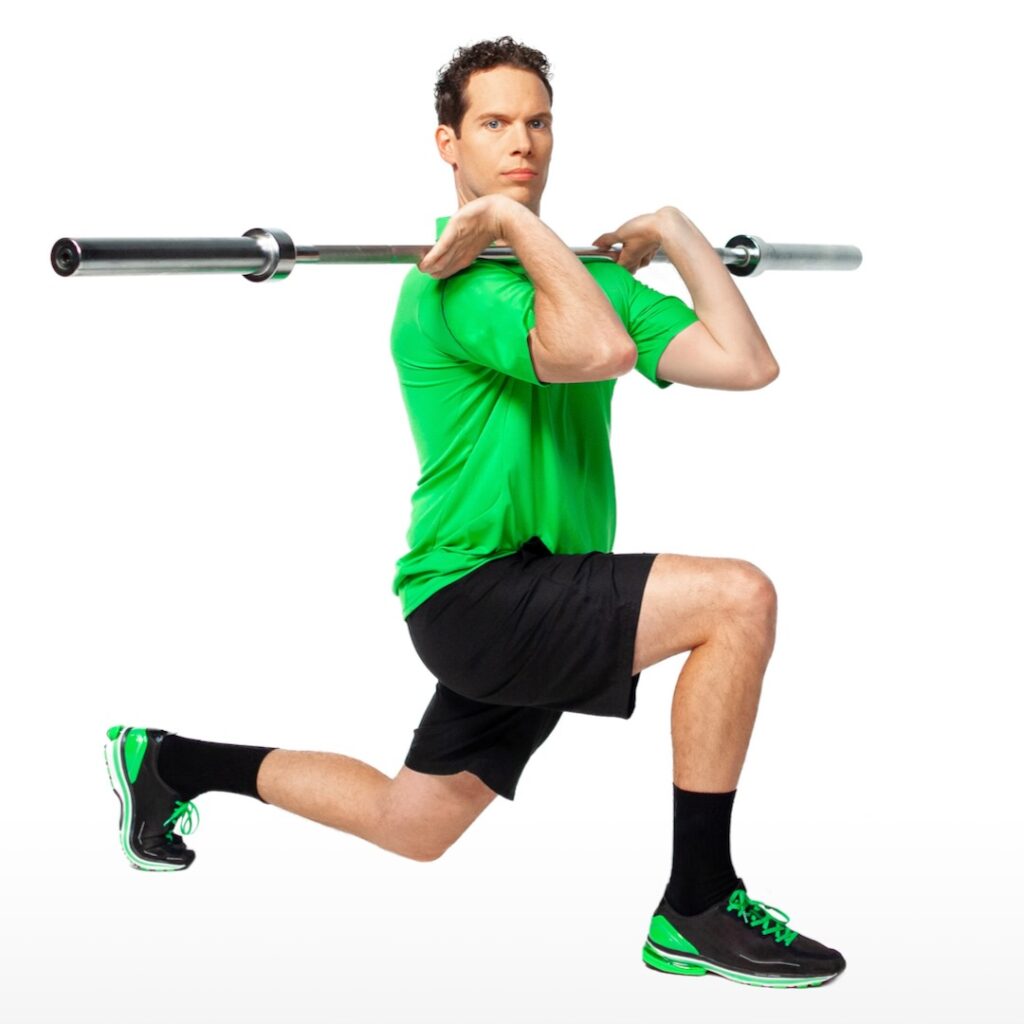
When performed consistently and correctly, Weight Training For Tennis offers a wide range of physical and mental benefits, including:
- Improved power for serves and groundstrokes
- Enhanced balance and coordination
- Increased joint stability and durability
- Better posture and alignment
- Reduced injury risk
- Greater stamina and on-court confidence
In other words, tennis conditioning workouts and tennis strength exercises give players a sustainable physical foundation for both performance and longevity in the sport.
Weight Training For Tennis Recommendations

For best results, the following guidelines can help shape a safe and supportive approach to Weight Training For Tennis:
- Start with bodyweight before adding load
- Perform 2–3 strength sessions per week
- Train all major muscle groups evenly
- Always warm up and cool down thoroughly
- Increase weights gradually
- Focus on good form, not heavy numbers
You may also support your training with dynamic and static stretching routines:
🔗 Dynamic Stretching Warm-Up Exercises
🔗 Static Stretching Cool-Down For Tennis
Should You Do Weight Training For Tennis Before or After Tennis Training?
There is no one-size-fits-all answer; however, the decision depends on your goals and schedule.
If your focus is improved technique and endurance on court, it is often best to do Weight Training For Tennis on separate days or after tennis practice. On the other hand, if building strength is a priority, scheduling your session before tennis may be effective.
In both cases, ensure proper warming up and listen to your body’s needs for rest and recovery.
How Can I Incorporate Weight Training For Tennis Into My Daily Routine?

Incorporating Weight Training For Tennis into daily life does not have to be complicated. Consider these welcoming and adaptable strategies:
- Start with 20–30 minute sessions
- Use household objects as weights
- Include exercise during TV time
- Add 5–10 minutes post-practice
- Use resistance bands while traveling
Consistency, rather than intensity, delivers the greatest long-term benefits in resistance training for tennis and tennis conditioning workouts.
How Can I Incorporate Weight Training For Tennis Into My Tennis Training?

Combining Weight Training For Tennis with your on-court practice boosts performance in a holistic way. For example:
- Squats improve on-court stability and acceleration
- Core rotations support powerful strokes
- Single-leg work strengthens footwork and balance
- Shoulder stability exercises protect your serve motion
When these tennis strength exercises are paired alongside drills and rallies, movement becomes smoother and stronger in real-game situations. In addition, energy transfer through the body becomes more efficient, supporting overall power development.
Conclusion: A Stronger, More Balanced Game for Everyone
Weight Training For Tennis is more than a fitness trend — it is a pathway to safer movement, greater confidence, and sustainable performance. Whether you are new to the sport or an experienced competitor, integrating thoughtful strength training will support your goals, protect your body, and unlock new potential in your game.
By combining mindful strength training for tennis players, consistent tennis conditioning workouts, and intentional recovery, you create a powerful, inclusive, and balanced approach to tennis training that benefits both mind and body.