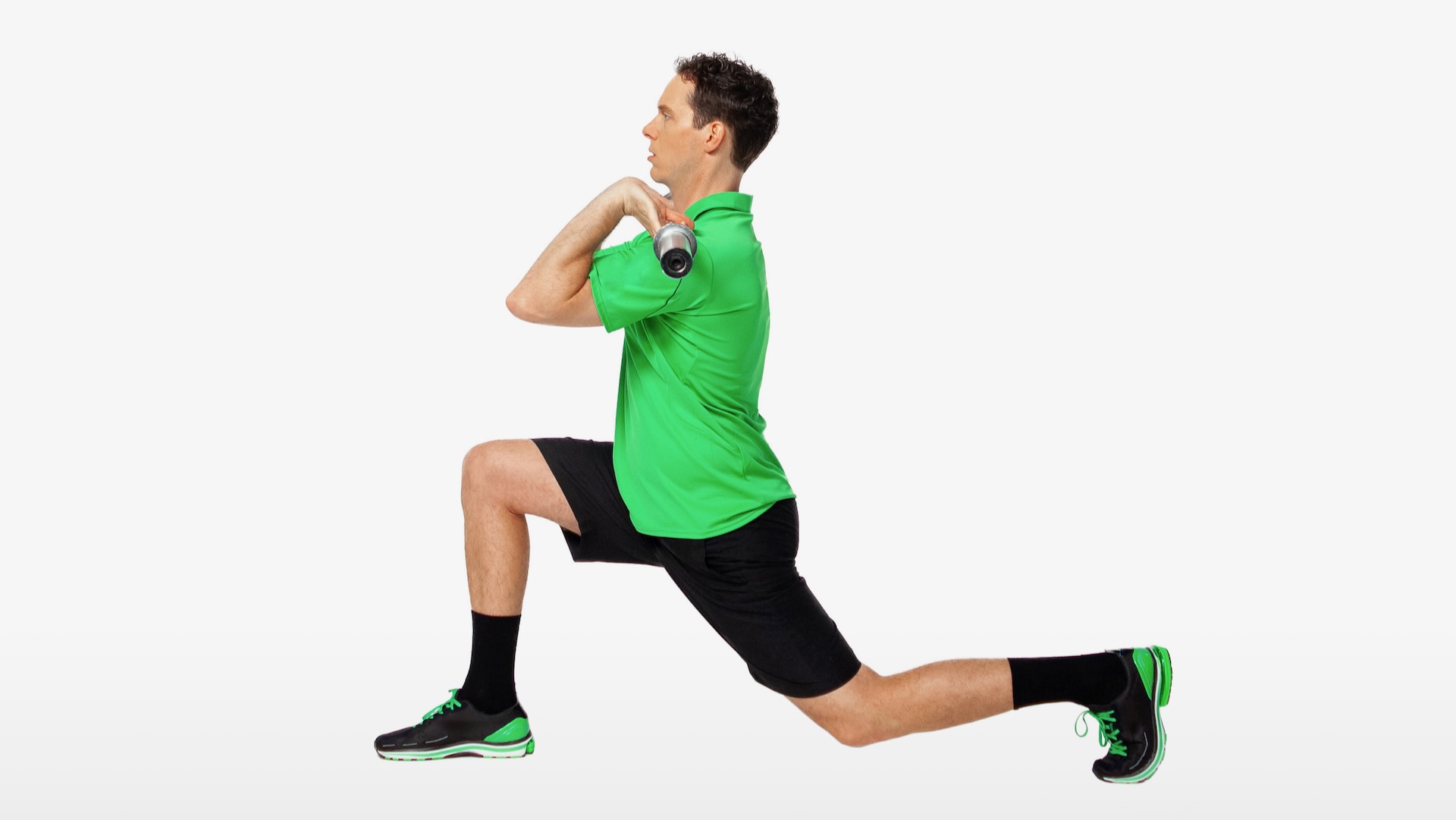
Understanding Possible Knee Injuries
Before discussing how to reduce knee pain, it helps to understand the different types of discomfort people experience. Although everyone’s situation is unique, certain injuries appear more frequently. These include:
- Patellar and quadriceps tendinitis (also called patellar tendinopathy or jumper’s knee), which often causes aching or sharp pain above or below the kneecap.
- Patellofemoral pain syndrome, where the patella does not track optimally due to muscular imbalances or repetitive stress, typically creating aching around the front of the knee.
- Ligament sprains and tears, which can lead to a sense of instability.
- Meniscus tears—medial tears create pain on the inner knee, while lateral tears affect the outer knee.
These injuries vary widely in severity. Nevertheless, they each have one thing in common: early awareness and supportive treatment can minimize progression and help you return to healthy movement sooner.
Why Do I Get Knee Pain?
There are many reasons knee pain develops, and while athletes often encounter it, anyone with an active lifestyle may experience similar stresses. Common causes include:
- Overtraining or insufficient recovery
- Muscular imbalances—quadriceps vs. hamstrings, hip abductors/adductors, or calf muscles
- Limited flexibility in the quadriceps, hamstrings, hip muscles, or calves
- Movement patterns that place excessive stress on the knee
When the surrounding muscles cannot effectively support the knee joint, the knee itself absorbs extra pressure. Over time, this can create discomfort, especially during intense activities such as tennis training, strength workouts, biking, running, or plyometric drills.
Consequently, one of the most effective foundations of learning how to reduce knee pain is identifying which muscle groups need strengthening, which movements need refinement, and where more recovery time may be beneficial.
What Can Cause Knee Pain During Sport or Training?
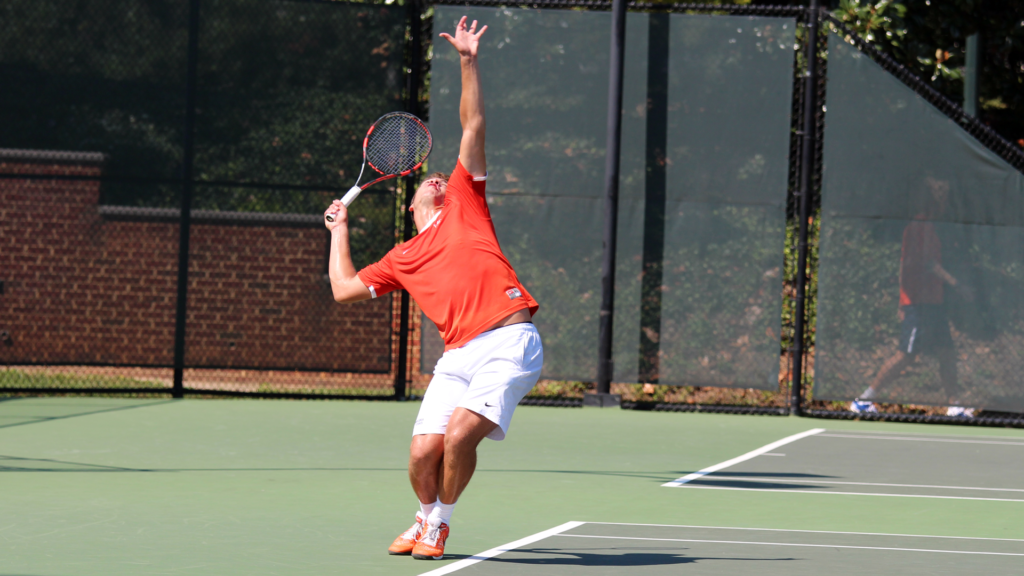
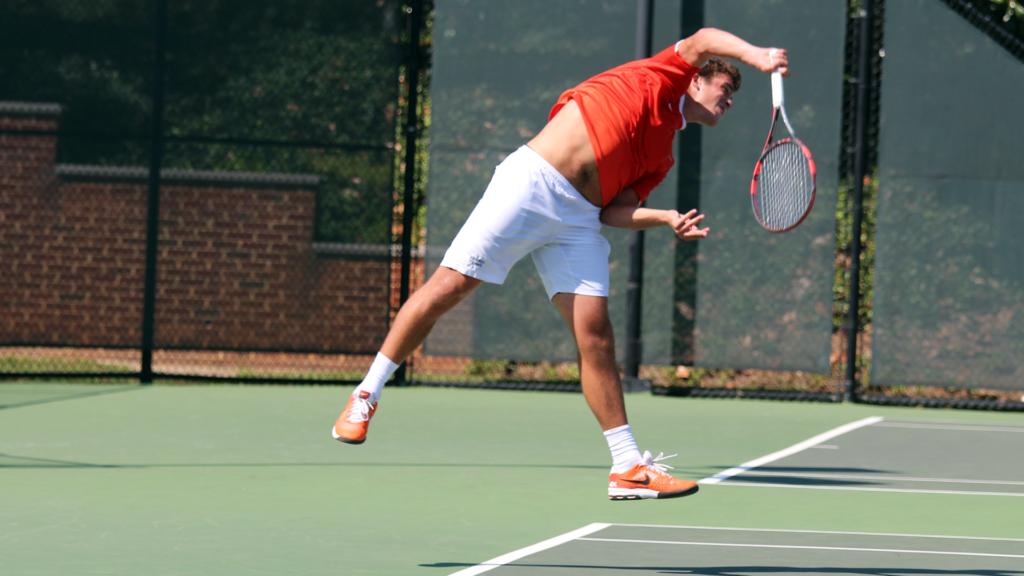

Knee discomfort can emerge during both sport-specific movements and general strength conditioning. Although everyone’s training style is different, several common scenarios contribute to knee stress:
Sport-Specific Movements
- Repetitive serving motions that require deep knee flexion and rapid extension
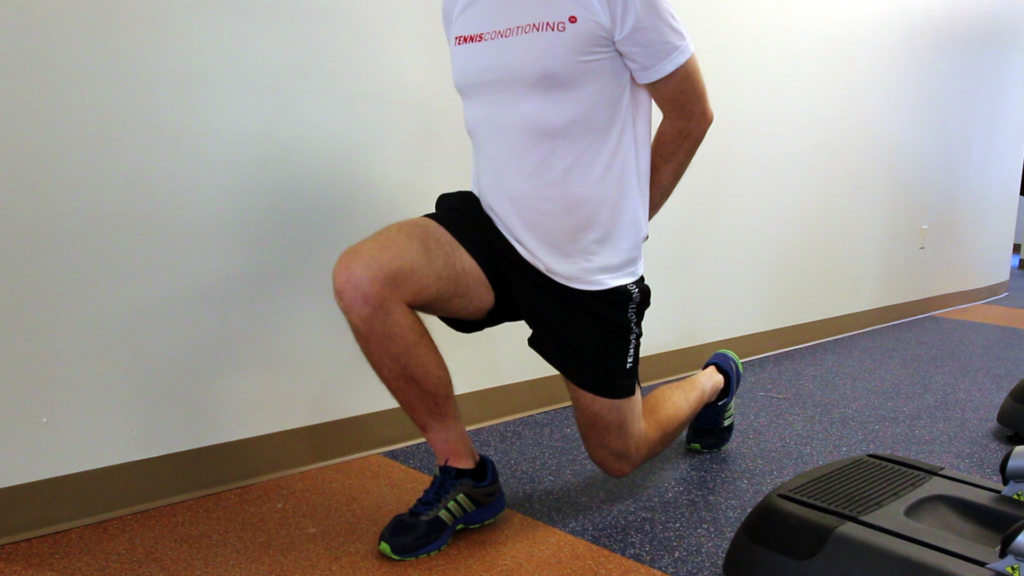
- Forward or lateral lunging, especially during low volleys or reaching movements
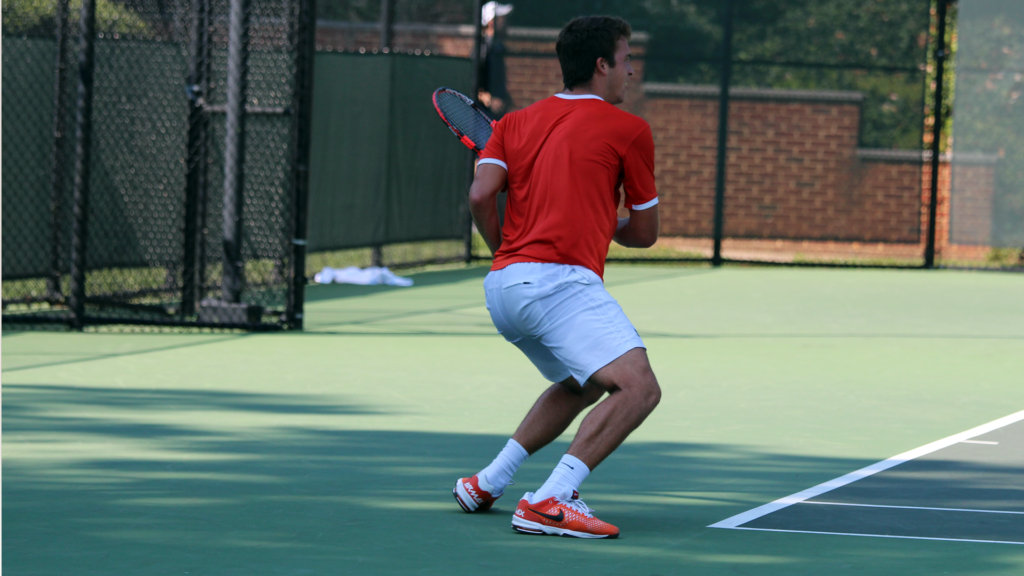
- Frequent lateral recovery steps after wide groundstrokes
- High-intensity sessions with minimal rest
- High volumes of repetitive drills, such as hundreds of consecutive serves

Strength & Conditioning Movements
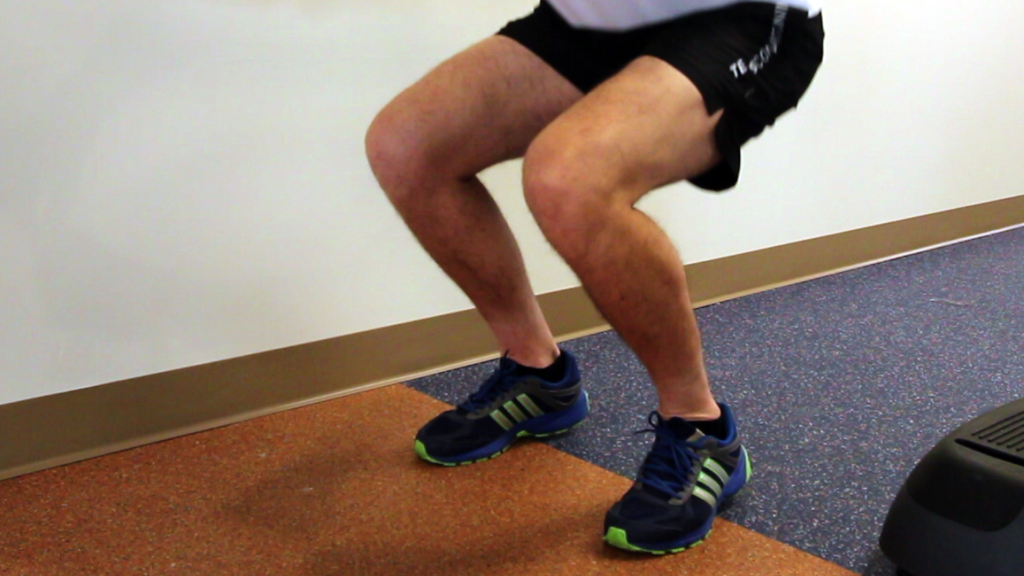
- Squatting or lunging with improper form
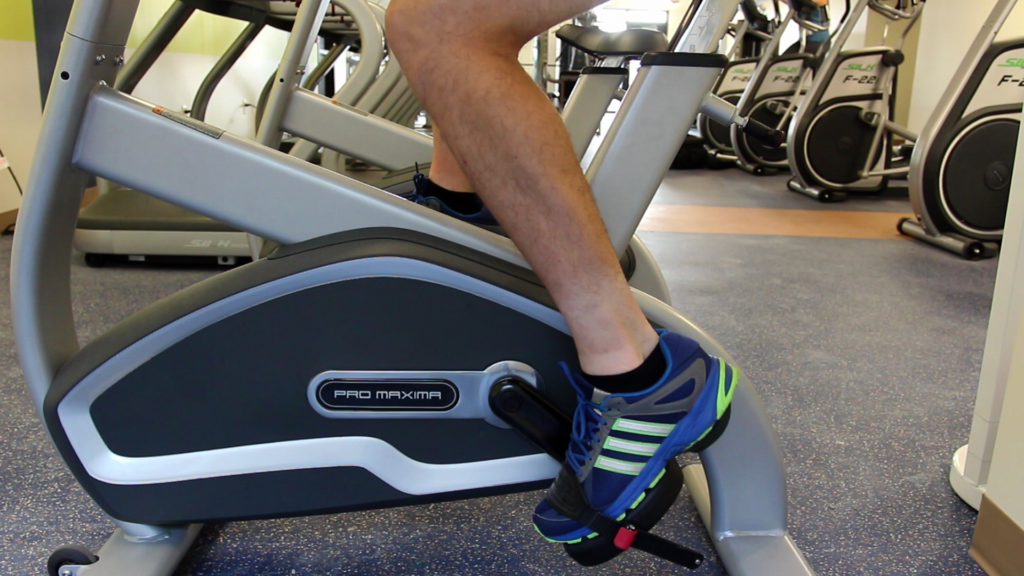
- Biking with incorrect seat height or alignment
- Downhill running, which increases joint impact
- Training loads that are too heavy for your current strength level
- Insufficient rest intervals between sets
- Limited flexibility restricting natural movement patterns
Understanding these patterns offers insight into not only what causes discomfort but also how to reduce knee pain in a long-term, supportive way.
Types of Knee Pain: How They Present and What They Mean
Although everyone experiences discomfort differently, knee pain often falls into several categories:
- Sharp pain: sometimes associated with ligament or cartilage involvement
- Aching pain: often linked to tendinopathy or muscle imbalance
- Instability: may occur with ligament sprains or weakness in supporting structures
- Stiffness or tightness: frequently caused by limited mobility in surrounding muscles
Recognizing your type of pain can help guide your decisions as you explore supportive strategies for how to reduce knee pain and increase strength.
General Treatments to Reduce Knee Pain
The path toward comfort and strength starts with clear, supportive steps. Before engaging in meaningful training, consider these treatment options:
- Medical Imaging (MRI or ultrasound)
- Guided exercises from a sports physician or physical therapist
- Stretching, strengthening, and balance training
- Icing or anti-inflammatory support as recommended
- Bracing or patellar taping to reinforce alignment
- Orthotics or arch support to improve knee tracking
These approaches not only help you understand how to reduce knee pain but also create a strong foundation for long-term joint health.
Why Exercises Reduce Knee Pain and Improve Strength
Strengthening the muscles that support the knee joint—especially the quadriceps, hamstrings, hips, and calves—can significantly improve balance, stability, and resilience. Moreover, consistent movement enhances circulation, encourages mobility, improves muscular co-activation, and reduces strain during everyday tasks.
In other words, exercising thoughtfully helps you learn how to reduce knee pain by training your body to distribute forces more evenly.
Synonyms for “how to reduce knee pain” used in this article include:
“how to ease knee discomfort,” “ways to manage knee pain,” “methods to lessen knee pain,” and “strategies to relieve knee tension.”
Benefits of Reducing Knee Pain and Improving Strength
When you strengthen the knee joint and surrounding tissues, you may experience:
- Greater confidence during movement
- Smoother, more efficient mobility
- Enhanced athletic performance
- Lower risk of future injury
- Improved posture and alignment
- More enjoyable training sessions
Treatment Options & Workout Recommendations to Reduce Knee Pain
Once you are pain-free and medically cleared, you can begin adding gentle, supportive exercise into your routine. This section outlines not only how to reduce knee pain through movement but also how to structure your workouts for long-term success.
Dynamic Warm-Up (8–10 Minutes)
Perform 10–12 reps of each:
- Leg swings
- Hip circles
- Knee lifts with arm reach
- Walking lunges
- Glute activation drills
Here are 21 Dynamic Stretching Warm Up Exercises
Main Strength Session (20–30 Minutes)
3 sets of 8–12 reps each (beginners may start with 2 sets):
- Back Squat or Box Squat
- Forward or Reverse Lunges
- Lateral Lunges
- Romanian Deadlifts (RDL)
- Knee Extensions
- Hamstring Curls
- Single-Leg RDL
- Single-Leg Squats with a stability pad
- Dumbbell Calf Raises
Cool-Down (5–10 Minutes)
- Hamstring stretch
- Quadriceps stretch
- Calf stretch
- Hip flexor stretch
- Glute stretch
Here are 22 Static Stretching Exercises For Tennis Cool Down
Progressions: From Beginner to Professional
To support your journey as you explore how to reduce knee pain, here is a progression model:
Beginner Level
- Bodyweight squats
- Assisted step-ups
- Short-range lunges
- Basic balance exercises
Intermediate Level
- Dumbbell or kettlebell squats
- Full-depth lunges
- Single-leg RDLs
- Moderate plyometrics (e.g., light jumping)
Advanced/Professional Level
- Barbell squats and deadlifts
- Weighted single-leg squats
- Sport-specific plyometrics
- High-intensity lateral movement drills
Accessories That Help Reduce Knee Pain
Supportive tools can make a meaningful difference as you learn how to reduce knee pain. Some helpful accessories include:
- Knee sleeves for warmth and compression
- Patellar straps for tendon support
- Ankle or arch orthotics for alignment
- Foam rollers for soft-tissue release
- Resistance bands for controlled strengthening work
- Stability pads for balance training
How to Incorporate Knee-Friendly Exercises into Your Daily Routine
Integrating knee-supportive habits into your daily life is an empowering way to consistently practice how to reduce knee pain. Consider adding:
- 5 minutes of mobility each morning
- Mini strength sessions (squats, calf raises, bridges) throughout the day
- Evening stretching to unwind tired muscles
- Weekly cross-training such as cycling, swimming, or Pilates
- Regular recovery days
Related Articles You May Enjoy
- How To Become a Great Athlete
- Weight Training for Tennis: An Inclusive Guide to Stronger, Safer and More Powerful Play
- Interval Training for Tennis: An Inclusive Guide to Feeling Strong, Confident, and Energized