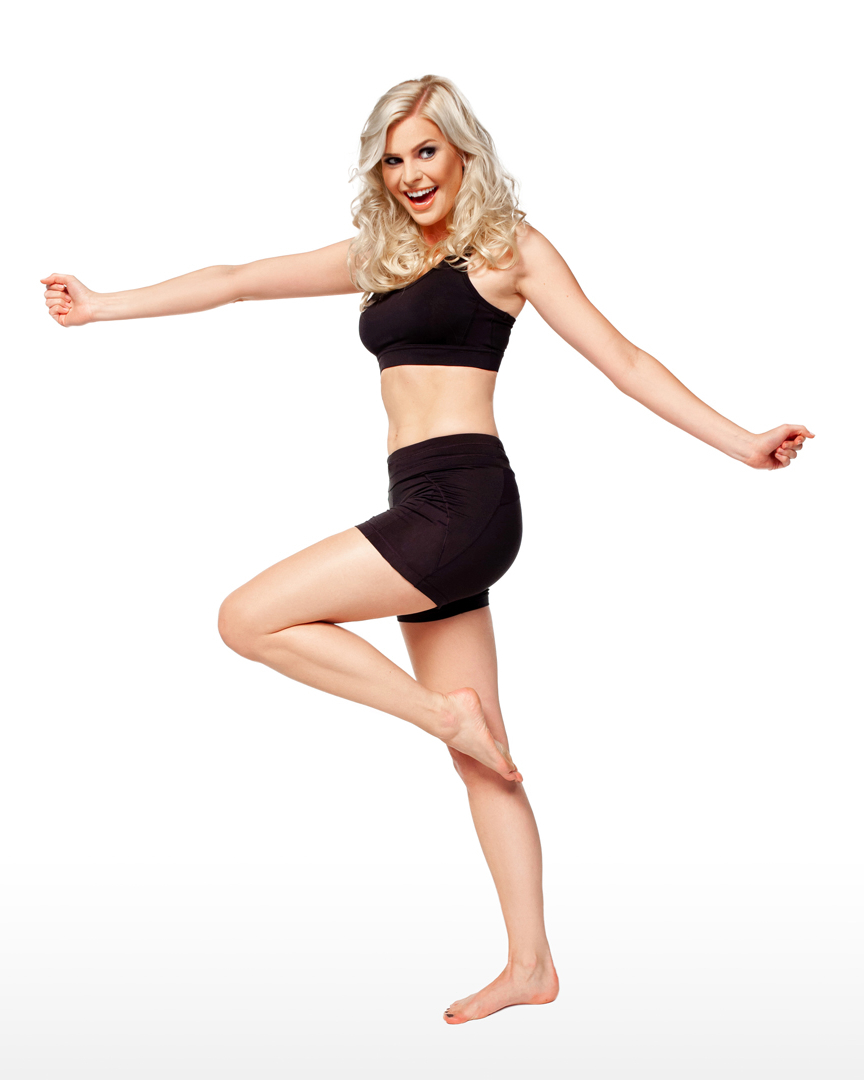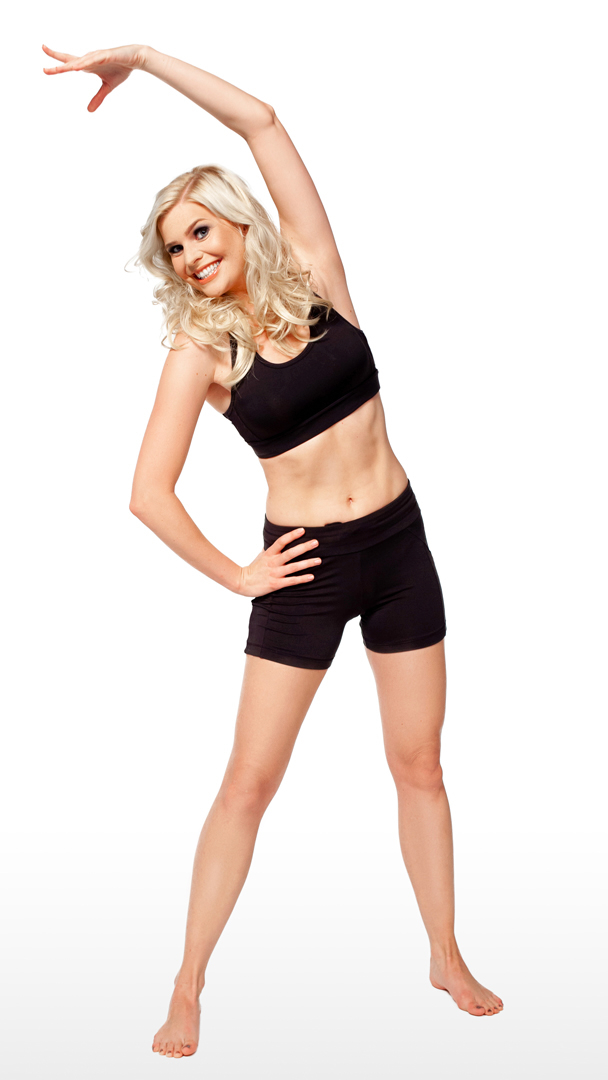
In this inclusive guide, we will explore what dynamic stretching exercises are, why they matter, and how they can be integrated into both daily life and structured workouts. Additionally, we will share recommendations for creating a balanced dynamic warm-up routine that respects your unique body, pace, and goals.
What Are Dynamic Stretching Exercises?
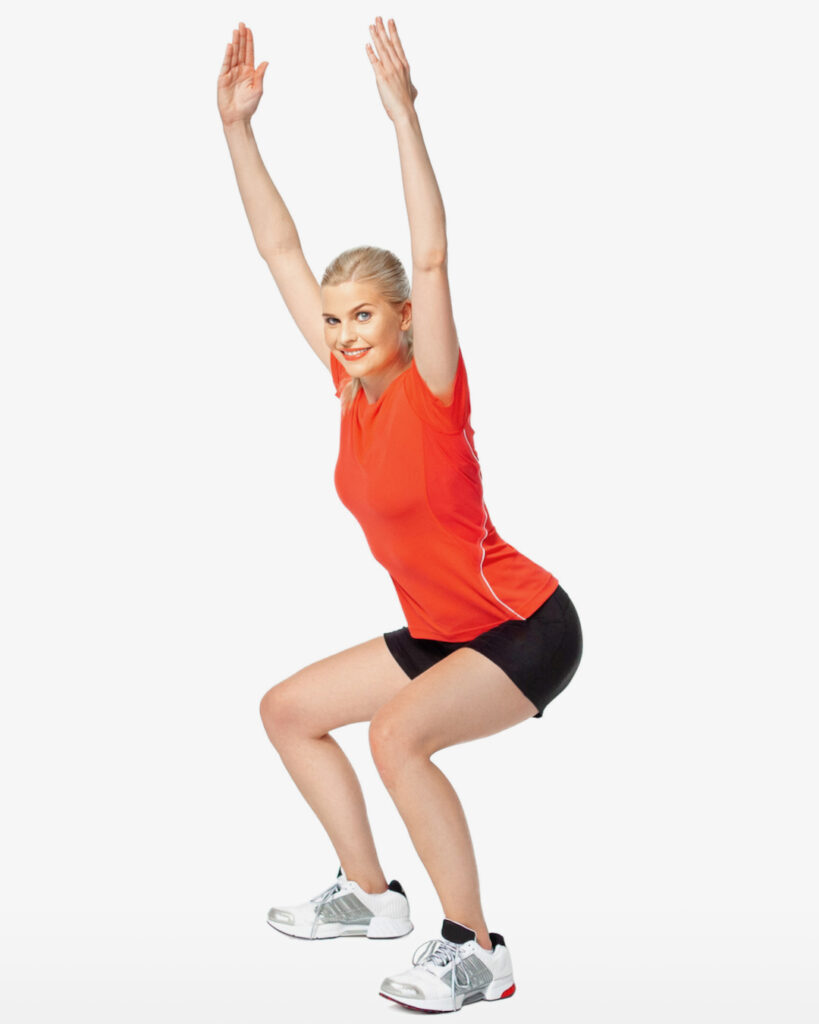
Dynamic stretching exercises are movement-based stretches that gently take your muscles and joints through a full range of motion.
Unlike static stretching, which involves holding a stretch for an extended period, dynamic warm-up routines use continuous, flowing movements. These mobility stretching movements help gradually elevate heart rate, increase blood flow, and prepare the body for physical activity in a supportive way.
Synonyms for dynamic stretching exercises include active flexibility exercises, movement preparation stretches, functional mobility drills, and progressive motion stretches. Each of these terms highlights the same gentle intention: to warm the body through conscious, controlled motion.
What Type of Exercise Is Dynamic Stretching?
Dynamic stretching is considered an active form of stretching and a key component of movement preparation stretches. It blends elements of balance, coordination, and flexibility training.
Because it encourages continuous motion, it also supports cardiovascular activation while enhancing joint mobility. Consequently, individuals experience improved readiness without unnecessary strain.
Why Do Dynamic Stretching Exercises Before Exercise?
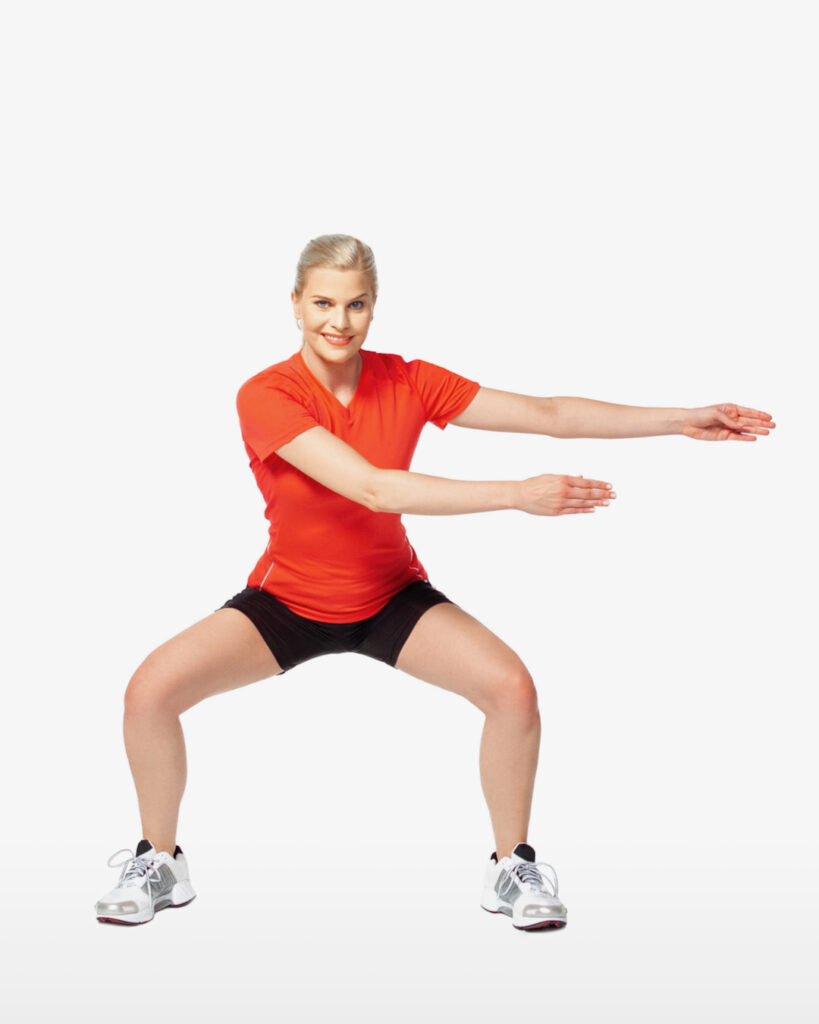
Performing dynamic stretching exercises before activity helps increase muscle temperature and activate the neuromuscular system. Therefore, movement becomes smoother and more efficient. In addition, this approach supports stability, coordination, and confidence – which are essential for reducing the likelihood of injury.
Moreover, dynamic warm-up routines encourage mindfulness. By tuning into how the body feels, individuals can make kinder, more supportive choices for their unique needs.
Benefits of Dynamic Stretching Exercises
- Improved joint mobility and flexibility
- Enhanced coordination and balance
- Increased blood circulation and oxygen delivery
- Higher readiness for physical activity
- Reduced risk of muscle strain
- Greater sense of body awareness
Furthermore, active flexibility exercises create a bridge between rest and performance. As a result, the body feels prepared, supported, and resilient.
Dynamic Stretching Exercises Recommendations
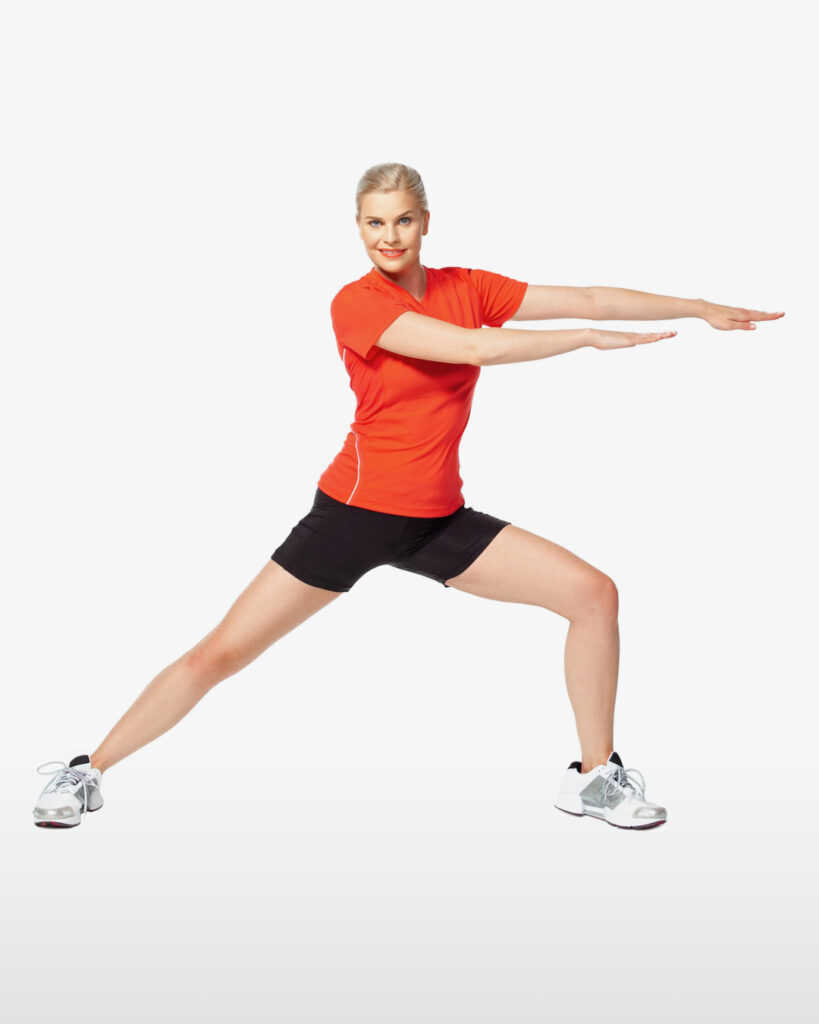
For optimal results, aim to perform dynamic stretching exercises for 5–10 minutes before your workout or daily movement session. Choose movements that reflect the activity you are about to perform. For example, leg swings and hip circles work well before walking, running, or cycling.
Should You Stretch Before or After Working Out?
In general, dynamic stretching exercises are best before activity, while static stretching can be reserved for after your workout. This balanced approach supports both performance enhancement and gentle recovery. Therefore, listening to your body’s signals remains essential.
Dynamic Stretches for Legs
Some inclusive and effective dynamic stretches for legs include:
- Leg swings (front-to-back and side-to-side)
- Walking lunges with arm reach
- High knees
- Butt kicks
- Hip openers and circles
How Can I Incorporate Dynamic Stretches Into My Daily Routine?
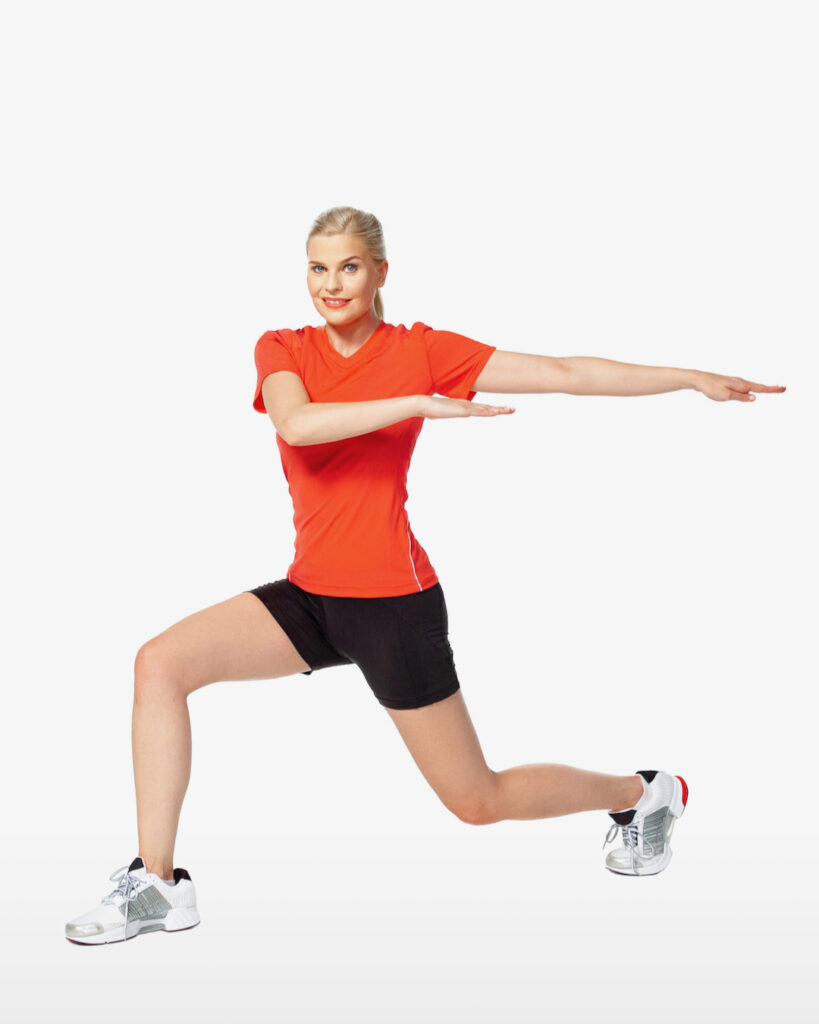
Dynamic stretching exercises can be seamlessly added to your morning routine, workplace break, or evening walk. For instance, gentle shoulder rolls, torso twists, and marching in place can awaken your body with kindness and care.
Incorporating Dynamic Stretching Into Your Workout Routine
Begin your workout with 5–10 minutes of dynamic warm-up routine exercises. Transition gradually from slow movements to more energetic ones. This progression helps prepare muscles while honoring personal comfort levels.
How to Incorporate Dynamic Stretching Into Your Warm-Up Routine
- Start with light cardio (marching or light jog)
- Move into mobility stretching movements
- Gradually increase range and pace
- Focus on controlled breathing
- Finish with activity-specific motions
For guided examples, explore these helpful editorials:
For further insight into safe movement practices, visit the American Council on Exercise website: ACE Fitness