Athletic strength training is more than lifting heavier weights—it is a thoughtful, inclusive approach to helping people move with confidence, coordination, and purpose. Whether you play tennis, enjoy recreational sports, or simply want to feel stronger in everyday life, athletic strength training supports the way your body naturally produces and transfers force.
Rather than focusing on isolated muscle development, AST emphasizes connection, balance, and efficient energy transfer across the entire body. As a result, it helps individuals build strength that truly shows up where it matters most: in real-life movement and athletic performance.
What Is Athletic Strength Training?
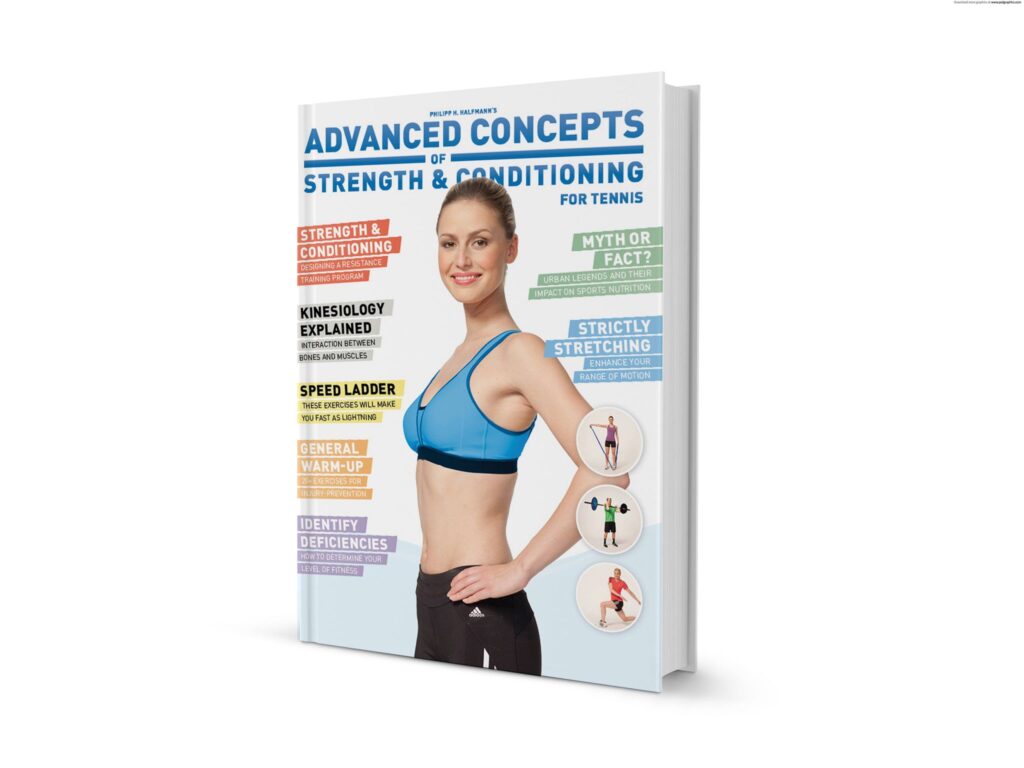
AST is a performance-focused training method that teaches the body how to generate, transfer, and control force through multiple joints and muscle groups. Instead of training muscles in isolation, this approach encourages them to work together as an integrated system.
In other words, athletic strength training prioritizes movement quality, coordination, and efficiency. Because of this, it supports athletes and active individuals in applying strength precisely and safely—whether sprinting, changing direction, swinging a racquet, or stabilizing the body under load.
Synonyms for athletic strength training include:
functional strength training, performance-based strength training, sport-specific strength training, integrated strength training.
How Athletic Strength Training Differs from Traditional Weight Training
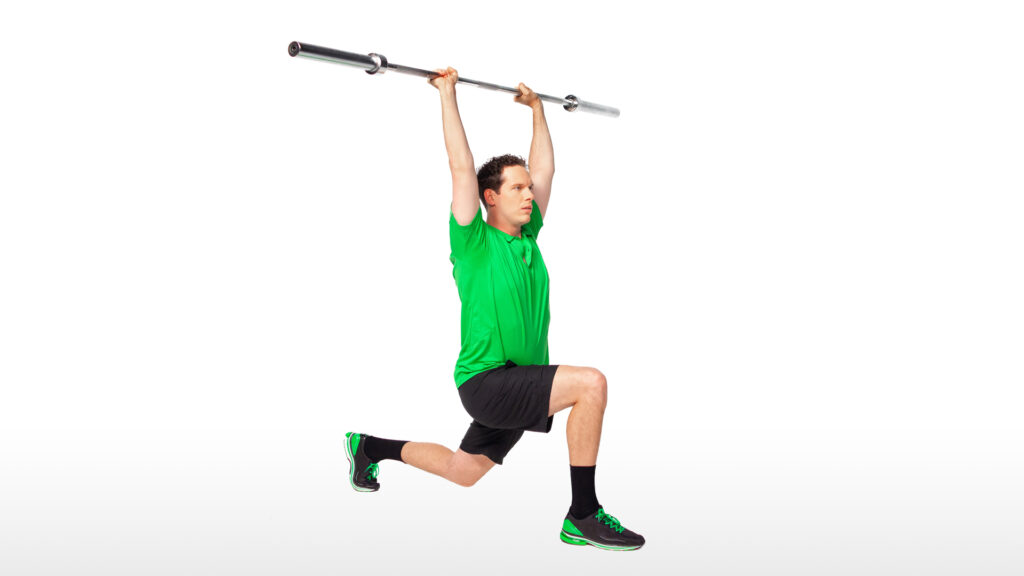
While traditional weight training often focuses on increasing the maximum force a single muscle can produce, AST focuses on how force moves through the body.
For example, high-resistance weight training may aim to strengthen the quadriceps with leg extensions. In contrast, athletic strength training would emphasize movements like lunges, rotations, and presses that connect the legs, core, and upper body.
As a result, athletic strength training supports:
- Multi-joint coordination
- Efficient force transfer
- Controlled acceleration and deceleration
- Joint-centered strength rather than muscle-only strength
This difference explains why the strongest weightlifter is not automatically the most effective athlete. Performance depends on coordination, timing, and control—not strength alone.
Why AST Makes Sense for Performance
AST makes sense because sport and life rarely happen in straight lines. Movement is dynamic, unpredictable, and multi-directional. Therefore, training should reflect those demands.
In tennis, for example, force begins in the lower body, travels through the trunk, and finally expresses itself through the arm and racquet. Athletic strength training enhances this energy transfer so each segment contributes efficiently.
Consequently, athletes experience smoother movement, improved precision, and greater control over force output.
The Key Benefits of AST

1. Reduced Strength Imbalances
Strength imbalances can limit performance and increase injury risk. Athletic strength training gently addresses these imbalances by encouraging balanced force production across muscle groups.
Because movements are integrated, weaker links in the kinetic chain are naturally supported and strengthened.
2. Improved Joint Force Production
Rather than overloading individual muscles, athletic strength training increases the total force production capacity of entire joints. As a result, joints become more resilient, stable, and adaptable.
3. Enhanced Agility and Deceleration Control
Agility is not just about speed—it is about control. Athletic strength training teaches the nervous system how to slow the body down safely and redirect force efficiently.
This ability to decelerate effectively supports smoother direction changes and reduces unnecessary stress on joints.
Why Do Athletic Strength Training?
People choose AST for many reasons. Some want to enhance sports performance, while others want to move better, feel stronger, and stay injury-free.
Regardless of the goal, this training approach supports:
- Better movement confidence
- Improved coordination and balance
- Long-term joint health
- Safer strength development
Additionally, athletic strength training complements other training styles such as circuit training and traditional resistance programs.
When Should You Do AST?
AST can be included year-round. However, its emphasis may change depending on training phases.
- Off-season: Focus on movement quality and correcting imbalances
- Pre-season: Emphasize power, coordination, and deceleration
- In-season: Maintain strength and movement efficiency
Importantly, it can also be integrated into warm-ups, recovery sessions, or standalone workouts.
Athletic Strength Training Exercise Categories
1. Asymmetrical Loading Exercises
These exercises challenge balance and coordination by loading one side of the body more than the other.
2. Low Back and Core Integration Exercises
These movements support spinal stability while allowing force to transfer effectively.
3. Lunge and Press Variations
By combining lower-body movement with upper-body force application, these exercises mirror athletic demands.
4. Transverse Plane Exercises
Rotational movements are essential for sports like tennis and help improve energy transfer.
Sample Athletic Strength Training Workout Examples
Workout Example 1: Full-Body Integration
- Single-arm dumbbell lunge press – 3 x 8 each side
- Rotational medicine ball throw – 3 x 6
- Asymmetrical carry – 3 x 30 seconds
Workout Example 2: Tennis-Specific Strength
- Lateral lunge with rotation – 3 x 6
- Cable chop and lift – 3 x 8
- Split stance press – 3 x 8
For additional guidance, explore this inclusive guide to weight training for tennis.
Athletic Strength Training Recommendations
- Prioritize movement quality over load
- Use moderate resistance with control
- Allow adequate recovery between sessions
- Integrate with mobility and conditioning work
Tracking intensity can also be helpful. Learn more in this guide to predicting exercise intensity.
Conclusion: Moving Stronger, Together
AST invites people of all abilities to build strength that truly supports movement, confidence, and performance. By focusing on connection rather than isolation, it creates a foundation for long-term athletic health and enjoyment.
Ultimately, athletic strength training is not about lifting more—it is about moving better, together.