Who is Alexander Ritschard?
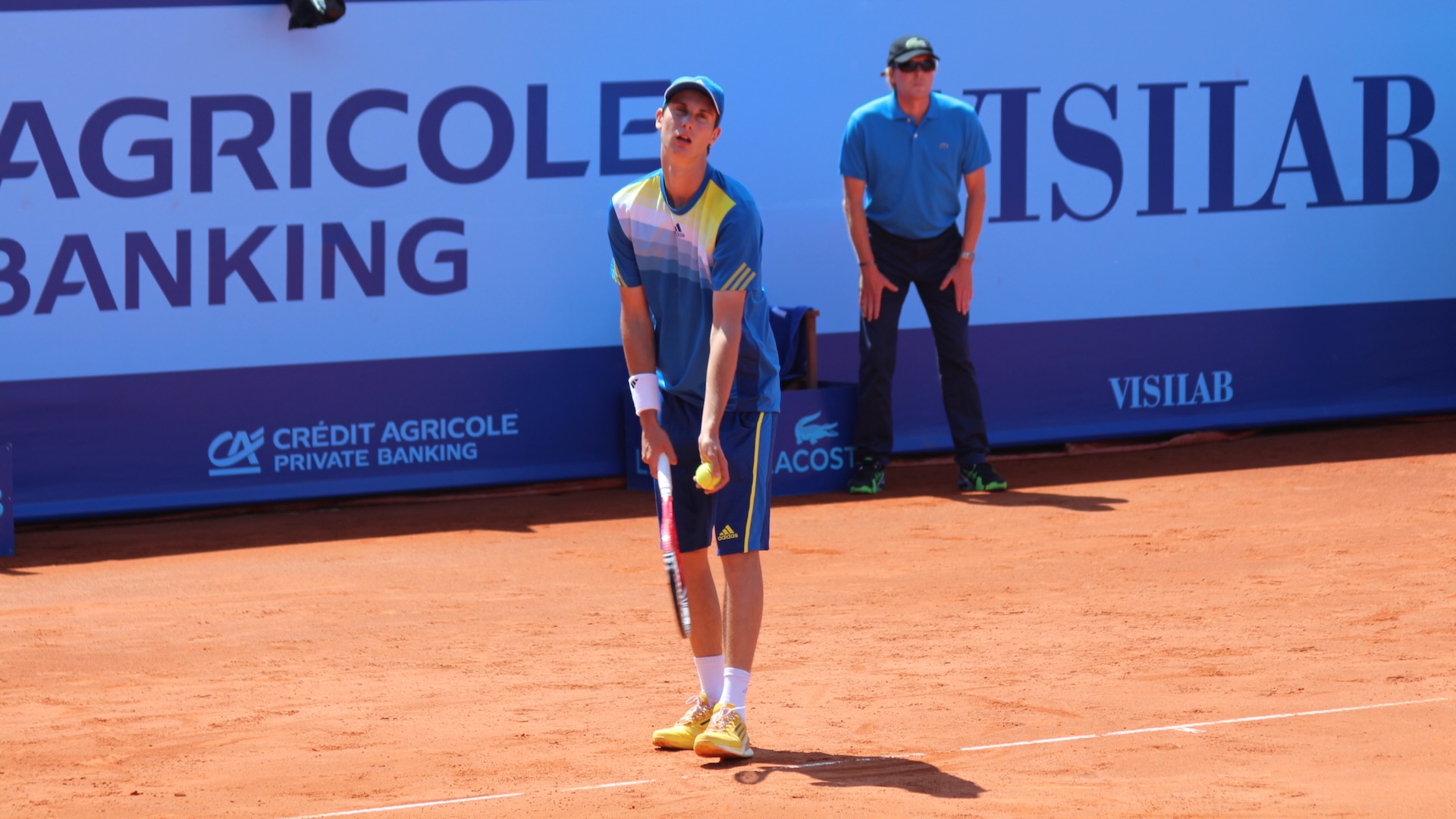
Alexander Ritschard is a professional tennis player from Switzerland, born 24 March 1994 in Zürich. He plays right-handed, with a two-handed backhand, and stands tall at about 1.93 m (6′4″).
He turned pro in 2018. Over the years, he has built a professional career marked by persistence, steady improvement, and success at levels below the main ATP Tour — especially on the Challenger and ITF circuits.
Who Coached Alexander Ritschard?
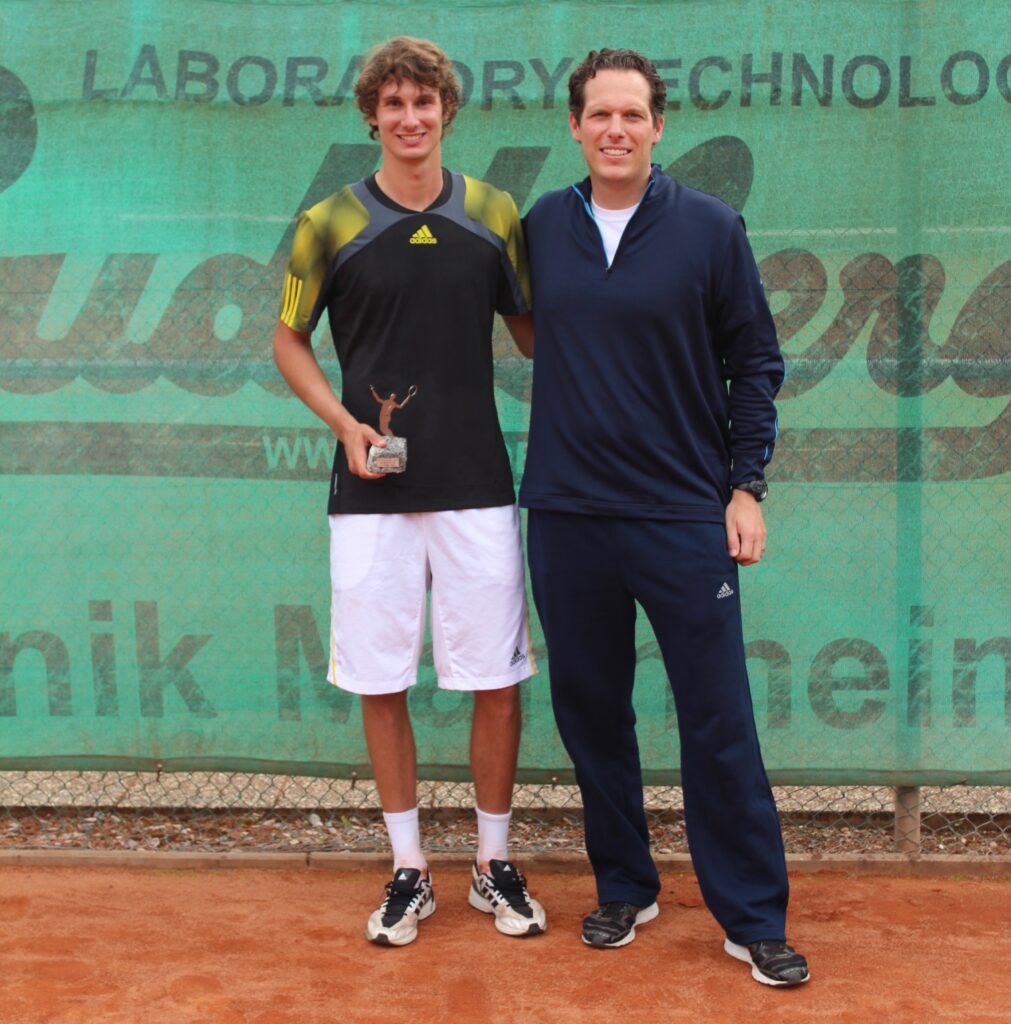
Throughout his journey, Alexander has worked with a team of coaches. While his earlier coaching included family ties (e.g., his father), in recent years he has also trained under coaches such as Philipp Halfmann, who brings a holistic approach combining footwork, strength & conditioning, and — originally — even a creative background in photography and lifestyle art.
Philipp Halfmann holds a Master’s in Exercise & Sports Science and has experience working with professional athletes. This blend of athletic expertise and creative vision makes for a balanced, mindful training environment. For more on Philipp Halfmann’s career take a look at Coaching on the ATP Tour: Insights and Lessons from My Journey as a Professional Tennis Coach
While playing NVAA division I tennis his head coach at UVA was Brian Boland.
What Are Alexander Ritschard’s Achievements?
Although Ritschard has not yet secured a singles title at the top ATP Tour level, he has enjoyed meaningful success on the Challenger Tour and ITF/World Tennis Tour. His career-high ATP singles ranking is World No. 99, achieved on 30 September 2024. It’s a milestone that reflects his progress and dedication.
Among his most notable results:
- First Challenger title at the 2022 Hamburg Challenger (hard-indoor court).
- Clay-court Challenger successes in 2024: winning titles in Savannah (USA), Salzburg (Austria), and Lisbon (Portugal) — marking a breakthrough year.
- Steady performances on the ITF/World Tennis Tour, adding several Futures/ITF titles to his record, which laid a solid foundation for his Challenger-level achievements.
How Many Tournaments Has Alexander Ritschard Won?
At the top ATP Tour level, Alexander Ritschard has not yet captured a main-tour singles title. However, his success comes primarily from the Challenger Tour and ITF / World Tennis circuits, where he has won multiple titles. These wins demonstrate his persistence and skill, the stepping stones toward higher-level aspirations.
Behind The Scenes: Training With Philipp Halfmann & Footwork Focus
In this training session, Alexander and his coach Philipp Halfmann concentrate on footwork, mobility, and stroke consistency. The structure is inviting, professional — and inclusive for athletes at different levels.
The session begins with a dynamic warm-up (upper and lower body), preparing the muscles and joints gently but thoroughly, and ends with a calming cool-down to support recovery and reduce strain.
Session Breakdown
- Dynamic stretching and mobility warm-up — activating the whole body, improving circulation, and preparing for movement.
- On-court integrated tennis drills with a speed ladder — focusing on lateral footwork and baseline movement before groundstrokes.
- Serve & volley practice — combining footwork, timing and technique for all-around development.
Why Footwork & Baseline Movement Matter
Strong footwork, especially lateral mobility and quick baseline movement, forms the backbone of effective groundstrokes and court coverage. By integrating a speed ladder drill, sometimes called an “agility ladder exercise”, before hitting ground strokes, the athlete builds neuromuscular coordination, rhythm, and readiness.
Even for beginners, focusing on proper movement mechanics (rather than speed or perfection) is vital. It’s perfectly fine, especially early on, if the player watches the ground while moving through the ladder. The priority is movement quality, consistency, and smooth transition into stroke production.
How To Set Up the Speed Ladder Drill (Footwork & Baseline Movement Focus)
Here’s a step-by-step guide to the integrated speed ladder drill as used by Alexander Ritschard and coach Philipp Halfmann:
- Place the speed ladder just behind the baseline (on the side of the court where you plan to start). This ensures a smooth flow from footwork drill into groundstrokes.
- Ask the athlete to perform a lateral “fast feet” drill — moving side to side through the ladder, focusing on light, quick steps, maintaining balance, and good posture. For beginners: it’s acceptable to look down initially — the key is proper movement mechanics and foot placement.
- Immediately after exiting the ladder, the athlete moves forward to hit a groundstroke (forehand or backhand) — thus combining footwork with shot execution. This “integrated” method links movement and stroke in a fluid, natural way.
- Repeat the drill for several repetitions, alternating sides (left and right), to build bilateral coordination, agility, and endurance. Over time, encourage the athlete to keep their head up, eyes forward — improving spatial awareness and court vision.
Session Philosophy — Inclusivity & Mindful Progress
This training model embraces inclusive coaching and mindful, gradual progress. Whether you are a complete beginner or an advanced player, the session adapts: focus on movement mechanics, gradually increasing speed, and prioritizing consistency over perfection. The aim is to build confidence, coordination, and enjoyment in a supportive environment.
The combination of dynamic warm-up, agility ladder drills, groundstrokes, serve & volley, all guided by a thoughtful coach, allows for balanced development: endurance, agility, technique, and recovery. It’s not just about winning matches, but about cultivating a sustainable, healthy approach to tennis practice.
Why This Training Matters for a Player Like Alexander Ritschard
For a professional athlete such as Alexander Ritschard, footwork drills and baseline movement training are not optional extras. They are essential. Fast, precise footwork enables quick court coverage, better positioning, and more reliable groundstrokes. This becomes especially important when transitioning between different surfaces (clay, hard, indoor) and adapting to varying opponent styles.
Moreover, with a rigorous schedule of tournaments, especially on the Challenger circuit, sustainable training that balances intensity and recovery is crucial. The warm-up and cool-down routines help reduce injury risk, support muscle recovery, and ensure longevity.
In Ritschard’s case, this thoughtful approach to training has contributed to steady performance improvements and helped him reach a career-high ranking inside the top 100.
Looking Ahead — What’s Next for Alexander Ritschard?
As Ritschard continues to build on his successes, from ITF and Challenger titles to breaking into the top 100, his training philosophy remains grounded, positive and inclusive. Future sessions may further emphasize footwork & baseline movement, serve & volley variety, and conditioning, while preserving space for creativity, recovery, and mental well-being.
For ambitious players following in his footsteps, the message is clear: consistent footwork drills, balanced training routines, and mindful progression can open doors. Perhaps one day onto the ATP Tour main draws. Regardless of where you start, committing to fundamentals can lead to growth, confidence, and eventually, success.
Connecting The Dots — From Training Sessions to Broader Coaching Insights
This training story with Alexander Ritschard reminds us that elite tennis training is not only about powerful serves or blazing forehands. It’s deeply rooted in movement, stability, and rhythm. The integrated speed ladder drill is a microcosm of this philosophy: footwork & baseline mobility meet stroke production and court awareness. Over time, this holistic method builds a resilient, adaptable tennis player. Physically, technically, and mentally.
For more reflections on coaching experiences at the highest levels and behind-the-scenes insights, check out our editorial Coaching on the ATP Tour — My Memoirs, where trainers and athletes share stories, strategies, and lessons gathered on tour.