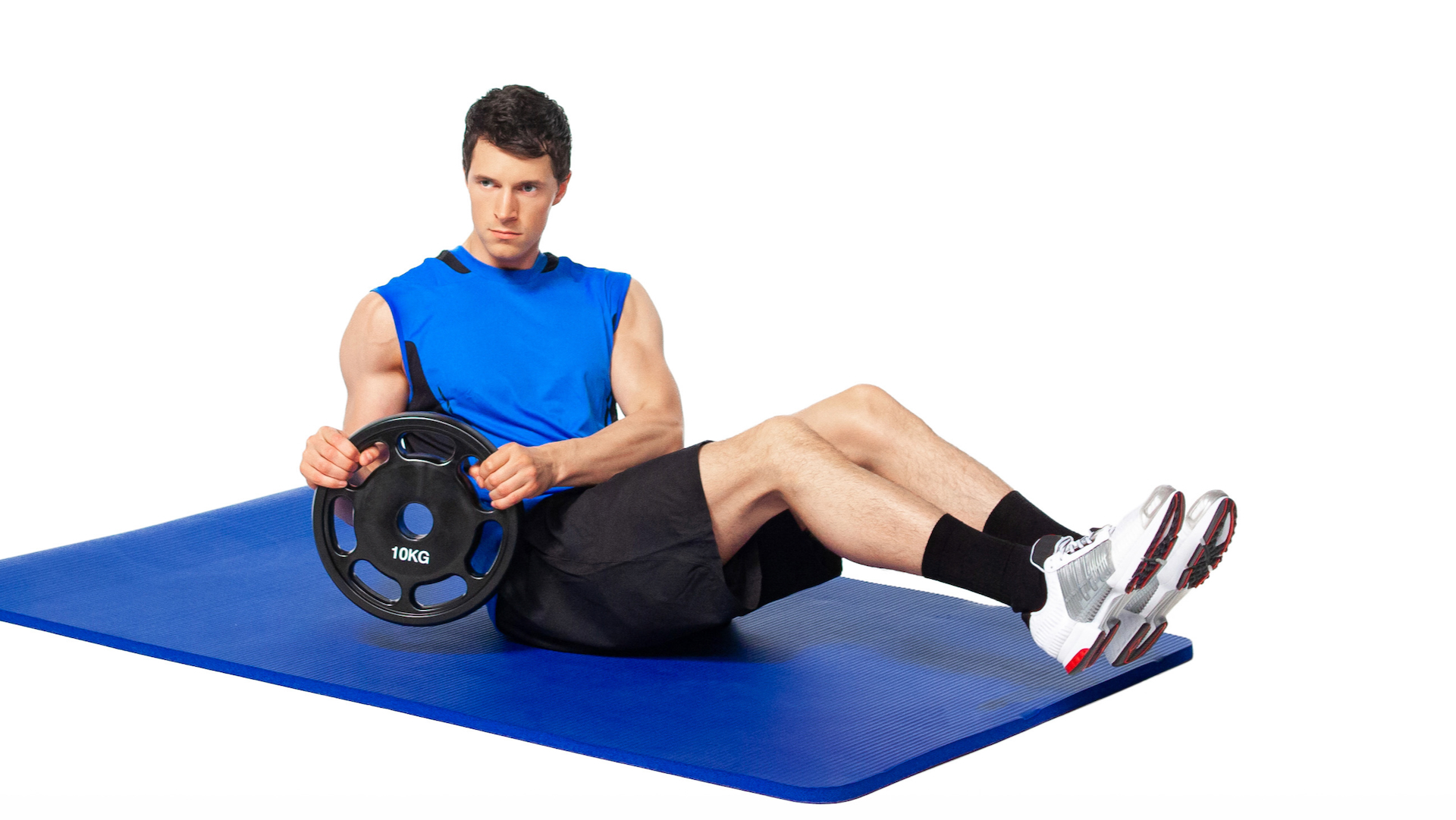
Core training for athletes is about far more than sculpted abs or rigid exercises. Instead, it focuses on helping people of all abilities move with confidence, efficiency, and strength. Whether you play tennis, enjoy recreational sports, or simply want to feel more stable in your body, athletic core training supports how energy flows through your entire system.
In this inclusive guide, we’ll explore what core training for athletes really means, why it matters, and how it can be integrated gently and effectively into tennis training and everyday life. Along the way, we’ll highlight practical recommendations, supportive strategies, and evidence-based insights that empower athletes to move better—without pressure or comparison.
Make sure you train effectively and know your 1 repetition maximum.
What Is Core Training for Athletes?
Core training for athletes refers to intentional exercises and movement patterns that strengthen and coordinate the muscles connecting the upper and lower body. These muscles include the abdominals, obliques, lower back, pelvic floor, diaphragm, and hip stabilizers.
Rather than isolating a single muscle group, athletic core conditioning emphasizes how the body works as an integrated whole. Because of this, core stability training supports posture, balance, coordination, and force transfer—qualities that benefit athletes across all sports.
Importantly, core training for athletes is adaptable. It can be gentle or challenging, slow or dynamic, and always respectful of individual needs. As a result, it becomes a supportive foundation rather than a rigid requirement.
Why Core Training for Athletes Matters in Land-Based Sports
In most land-based sports, movement is ground-driven. Athletes push into the ground, and energy travels upward through the body via the kinetic chain. For example, when serving in tennis, energy begins at the feet and moves through the ankles, knees, hips, core, shoulders, arms, and finally into the racket.
This is where core training for athletes becomes especially valuable. The core sits at the center of this chain and acts as a bridge between the lower and upper body. Because of this, it plays a key role in determining how smoothly and efficiently energy travels.
When the core is supported and responsive, energy flows with less resistance. On the other hand, when the core lacks coordination or strength, energy may dissipate along the way. Therefore, athletic core strength helps athletes express their existing potential more fully—without necessarily working harder.
Bottom-Up Energy Transfer Explained Simply
To better understand core training for athletes, it helps to look at how energy transfer works in real movement.
Imagine beginning a tennis serve with 100% potential energy at the feet. As the movement unfolds, energy travels upward through:
- Ankles
- Knees
- Hips
- Core
- Shoulder girdle
- Elbow
- Wrist
The efficiency of this transfer determines how much energy reaches the racket. Consequently, better core stability training allows more of that energy to be preserved and expressed at contact.
Rather than forcing power, functional core exercises help athletes move with timing, alignment, and ease. As a result, performance often improves naturally.
Factors That Influence Power and Efficiency
Power production is not just about strength. Instead, it reflects how well the body coordinates force through connected joints and tissues.
Specifically, performance depends on:
- How much force is generated from the ground
- How efficiently that force travels through the body
- How effectively it is applied to the ball or implement
For example, two tennis players may generate similar force from their legs. However, the player with better athletic core strength may transfer more of that energy to the serve. Over time, this efficiency can translate into noticeable gains in speed and consistency.
Thus, core training for athletes supports performance by reducing unnecessary energy loss rather than demanding more effort.
The Benefits of Core Training for Athletes
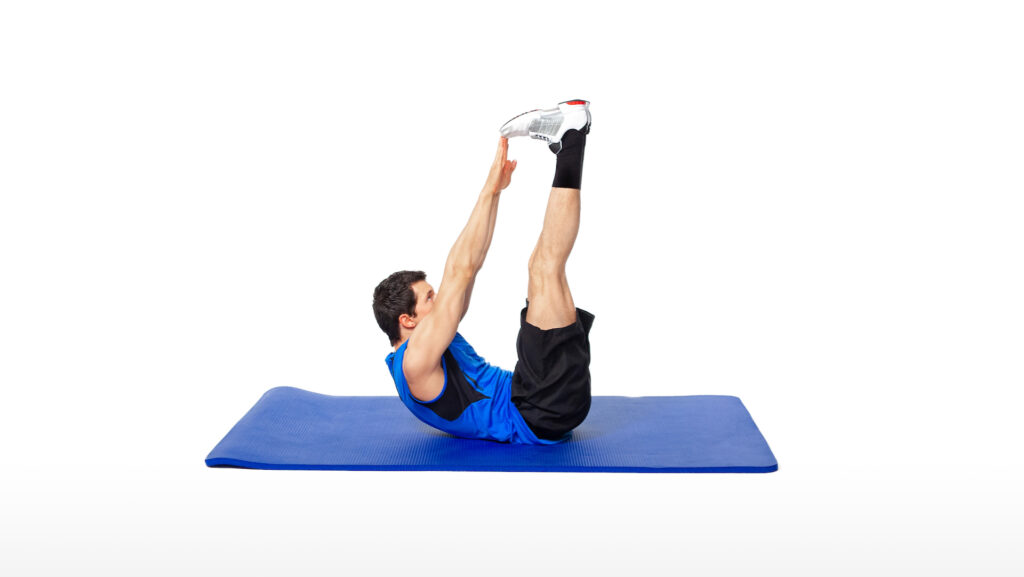
Engaging in consistent, inclusive core training for athletes offers a wide range of benefits, including:
- Improved balance and coordination
- Greater power transfer and efficiency
- Enhanced posture and body awareness
- Reduced risk of overuse injuries
- More confidence in movement
Additionally, core stability training supports longevity. When the body distributes load more evenly, joints and muscles experience less strain. Therefore, athletes can train and compete with greater comfort over time.
Types of Core Training for Athletes
There are many approaches to core training for athletes, and each serves a unique purpose. Importantly, variety allows athletes to meet their bodies where they are.
1. Stability-Focused Core Training
This approach emphasizes control, alignment, and endurance. Exercises such as planks, dead bugs, and bird dogs help build foundational trunk stability.
2. Dynamic Core Training
Dynamic work involves movement and rotation, such as medicine ball throws or cable rotations. These exercises mirror real-world athletic demands.
3. Anti-Movement Core Training
Anti-rotation and anti-extension exercises teach the body to resist unwanted motion, supporting joint protection.
4. Integrated Functional Core Exercises
These exercises blend core engagement with full-body movement, making them especially relevant for tennis core training.
Core Training for Athletes Recommendations
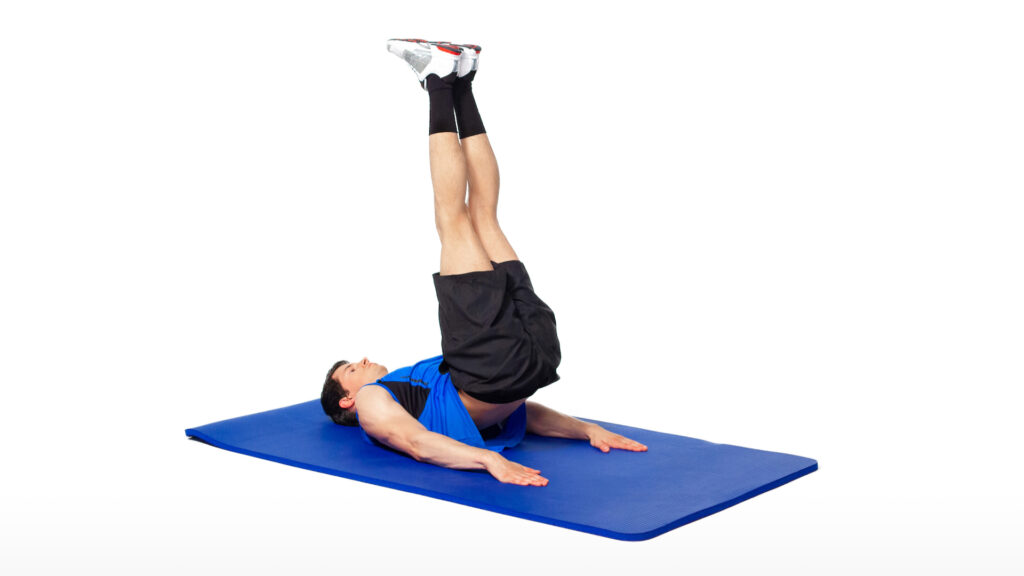
When approaching core training for athletes, gentleness and consistency matter more than intensity. Therefore, consider the following guidelines:
- Start with exercises you can control comfortably
- Focus on breathing and alignment
- Progress gradually over time
- Prioritize quality over quantity
Moreover, listening to your body helps ensure that athletic core conditioning remains supportive rather than stressful.
Should You Do Core Training Before or After Tennis Training?
The timing of core training for athletes depends on goals and energy levels.
Before tennis training: Light core activation can improve awareness and readiness.
After tennis training: More focused core work can reinforce patterns without interfering with performance.
Both options are valid, and flexibility is key. Many athletes alternate depending on how they feel that day.
How to Incorporate Core Training for Athletes Into Daily Life
Core training for athletes doesn’t have to be confined to the gym. Simple habits such as mindful posture, controlled breathing, and intentional movement can reinforce core engagement throughout the day.
Short sessions—just 10 to 15 minutes—can be effective when practiced consistently. Over time, these small efforts add up.
How to Incorporate Core Training for Athletes Into Tennis Training
Tennis core training works best when it reflects the demands of the sport. Rotational exercises, unilateral movements, and balance challenges complement on-court practice.
Pairing core training with other modalities can be especially beneficial. For example:
- Circuit training for variety and endurance
- Interval training for tennis to support match readiness
- Weight training for tennis for overall strength balance
When combined thoughtfully, these methods support sustainable progress.
Core Training for Athletes: A Core Stabilization Program for Tennis Players
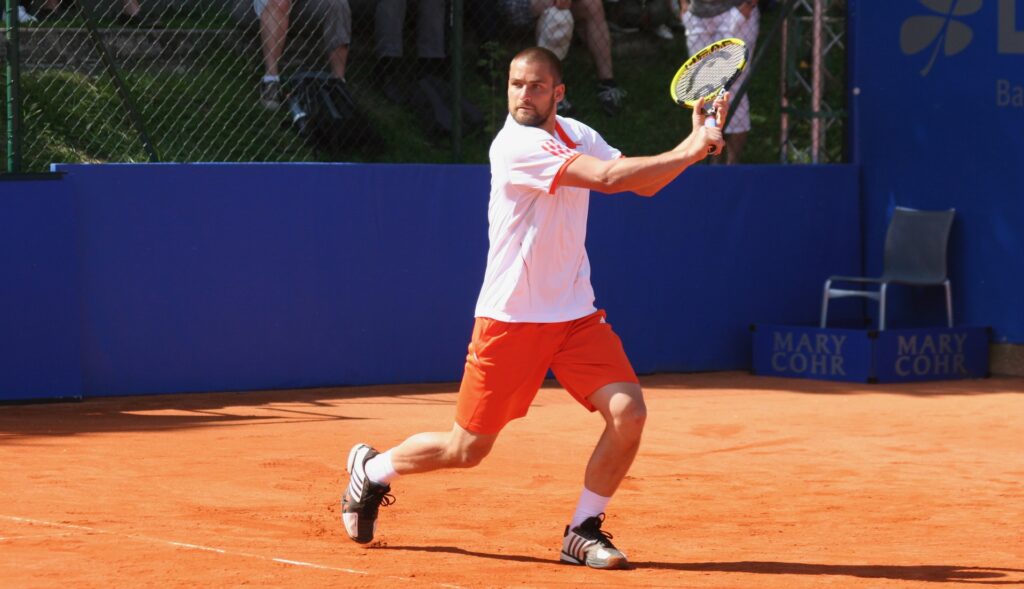
A well-designed core training for athletes program for tennis does not need to be complicated or exhausting to be effective. In fact, core stabilization training works best when it is progressive, intentional, and aligned with the natural movement patterns of the sport.
The following core stabilization program is designed specifically for tennis athletes, while remaining inclusive and adaptable for different experience levels. The focus is on control, balance, breathing, and efficient energy transfer—key elements of athletic core strength.
How Often to Perform This Core Training for Athletes Program
For most tennis players, this core training for athletes program can be performed:
- 2–4 times per week
- In sessions lasting 15–25 minutes
- As a standalone workout or paired with tennis training
Because core stability training supports recovery as well as performance, it can be adjusted in intensity depending on match load and energy levels.
Phase 1: Foundational Core Stabilization
This phase focuses on awareness, alignment, and gentle activation. It is especially helpful for beginners or as a warm-up before tennis practice.
- Dead Bug – 2–3 sets of 6–8 controlled reps per side
- Bird Dog – 2–3 sets of 6–10 slow reps per side
- Side Plank (knees or full) – 2 sets of 20–40 seconds per side
- Glute Bridge with Core Engagement – 2–3 sets of 8–12 reps
Focus on breathing steadily and maintaining a sense of ease. These exercises build the foundation of athletic core strength and postural control.
Phase 2: Anti-Rotation and Stability Under Load
Once foundational control feels comfortable, this phase introduces gentle resistance and anti-rotation demands. This is where core training for athletes begins to reflect tennis-specific needs.
- Pallof Press (band or cable) – 2–3 sets of 8–12 reps per side
- Standing Cable or Band Holds – 2 sets of 20–30 seconds per side
- Split-Stance Core Holds – 2 sets of 20 seconds per side
- Single-Leg Balance with Trunk Control – 2–3 sets of 30 seconds per side
This phase enhances core stability training by teaching the body to resist unwanted movement—an essential skill for efficient tennis strokes.
Phase 3: Dynamic and Rotational Core Training for Athletes
This phase introduces controlled rotation and energy transfer, closely mirroring tennis movements such as serving, forehands, and backhands.
- Medicine Ball Rotational Throws (light load) – 2–3 sets of 6–8 reps per side
- Standing Cable Rotations – 2–3 sets of 8–10 reps per side
- Lunge with Controlled Rotation – 2 sets of 6–8 reps per side
- Diagonal Chop or Lift Patterns – 2–3 sets of 8 reps per side
Rather than focusing on speed alone, aim for smooth, coordinated movement. This approach allows functional core exercises to enhance performance without unnecessary strain.
Optional Finisher: Tennis-Specific Core Integration
To connect core training for athletes directly to tennis training, finish with light, tennis-inspired movements.
- Shadow swings with slow, intentional rotation
- Balance-based footwork drills with trunk control
- Breathing-focused cooldown with gentle spinal mobility
This integration helps translate athletic core conditioning into on-court confidence and fluidity.
Progression Tips for Core Training for Athletes
Progression does not need to mean doing more. Instead, consider:
- Increasing control before increasing resistance
- Adding pauses or slower tempos
- Improving breathing coordination
- Reducing rest time gradually
By prioritizing quality and self-awareness, core training for athletes becomes a sustainable and empowering part of tennis development.
Most importantly, remember that this program is a guide—not a rulebook. Adjustments are always welcome, and listening to your body is a vital part of long-term athletic success.
Final Thoughts on Core Training for Athletes
At its heart, core training for athletes is about unlocking what’s already there. Instead of pushing harder, it invites athletes to move smarter, kinder, and more efficiently.
By nurturing athletic core strength and stability, athletes can experience improved performance, reduced discomfort, and a deeper sense of confidence in their bodies. Most importantly, this approach honors individuality—because every athlete’s journey deserves respect.