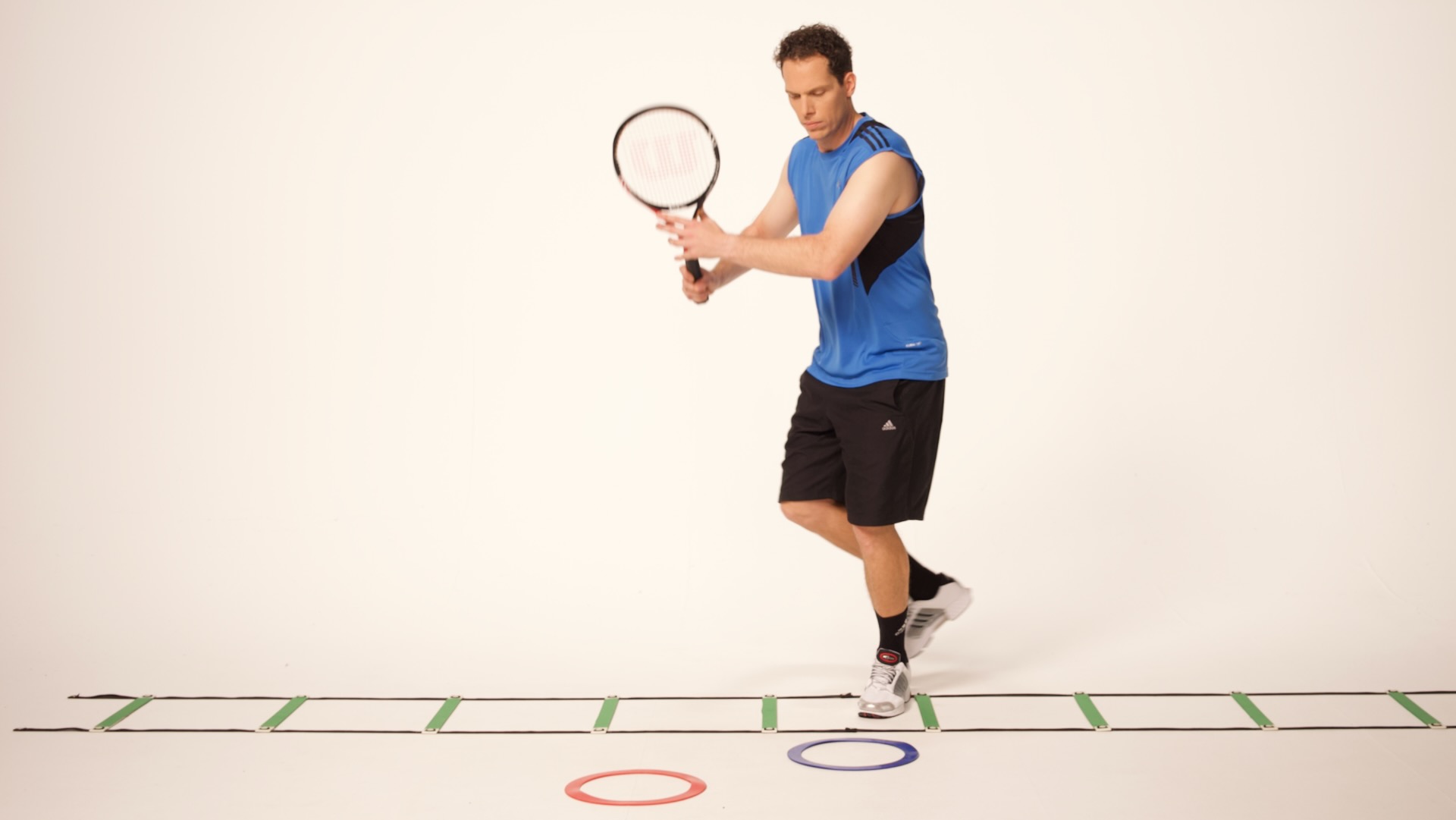
Speed ladder drills are an inclusive, enjoyable, and effective way for people of all fitness levels to enhance footwork, agility, coordination, and overall movement confidence. Whether you are new to training or already performing at a professional level, speed ladder drills (also known as agility ladder exercises or quick-feet drills) offer a simple yet powerful method to strengthen your movement foundation.
In this editorial, you will learn what speed ladder drills are, why they matter, how to progress safely, how to structure a workout, and how to incorporate them into your tennis training or daily routine.
What Are Speed Ladder Drills?
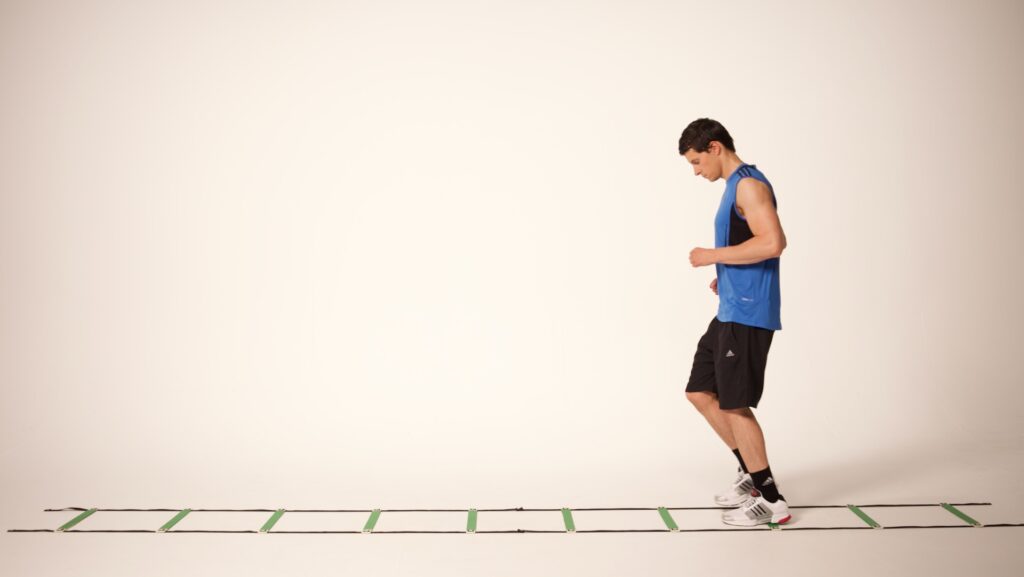
Speed ladder drills are footwork exercises performed using a flat, rectangular agility ladder placed on the ground. This lightweight accessory provides a series of evenly spaced squares designed to help you develop rhythm, speed, coordination, and balance. Athletes in tennis, soccer, basketball, and many other sports use these exercises to strengthen neuromuscular communication, improve reaction time, and move more efficiently.
Furthermore, speed ladder drills encourage consistent foot placement patterns that enhance control and reduce unnecessary energy expenditure. As a result, athletes can transition into different movement directions more effectively and with greater confidence.
Synonyms for speed ladder drills: agility ladder drills, footwork ladder drills, coordination ladder exercises, quick-feet ladder patterns.
Types of Speed Ladder Drills
Speed ladder drills come in many variations, allowing you to focus on different elements such as quick steps, lateral movement, jumping control, or multidirectional transitions. The following are four essential ladder exercises, which you may recognize from athletic training sessions or movement development programs.
- Fast Feet: A forward-moving pattern where each foot steps into every square. This exercise builds rhythm, speed, and awareness.
- Lateral Fast Feet: A side-to-side pattern designed to develop lateral control and readiness for multidirectional movement.
- Jump Over Fast Feet: A combination of hops and steps, encouraging power, landing control, and foot-speed consistency.
- Slalom: A weaving pattern that improves coordination, hip mobility, and dynamic alignment.
These exercises create a balanced approach toward agility, allowing individuals to challenge themselves while maintaining a supportive, inclusive environment.
Synonyms for the related keyphrases:
- Footwork drills: movement drills, agility steps, coordination routines
- Agility training: quickness training, reactive movement practice, multidirectional speed work
- Tennis footwork: court movement, on-court agility, tennis movement patterns
- Speed training: acceleration exercises, velocity development, fast-movement conditioning
Why Do Speed Ladder Drills?
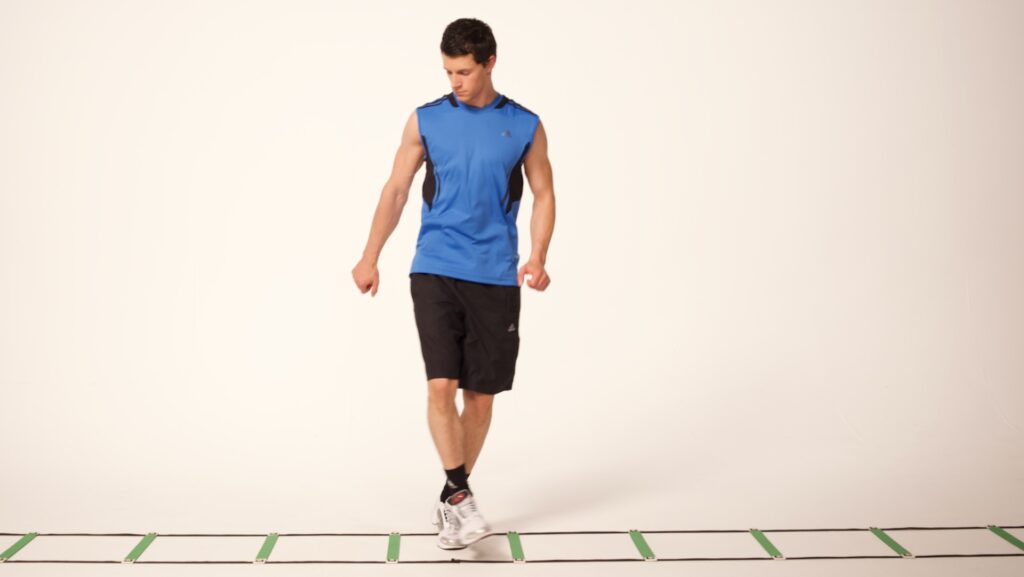
People choose to incorporate speed ladder drills into their training for various reasons. Most importantly, these drills offer a low-impact, accessible, and enjoyable method to improve essential movement qualities. They help athletes learn to control their bodies during high-speed actions while also developing smooth transitions between movements.
In tennis, quick changes of direction, explosive starts, and efficient recovery steps are critical. Speed ladder drills enhance the precise foot patterns that help players stay balanced while positioning themselves effectively for each shot. Additionally, because these exercises improve neuromuscular efficiency, they support injury prevention and long-term athletic sustainability.
The Benefits of Speed Ladder Drills
Speed ladder drills provide a wide range of benefits that translate into both athletic performance and everyday movement. These benefits include:
- Improved Coordination: They strengthen your ability to control foot placement and body alignment during fast-paced movement.
- Enhanced Agility: They improve direction changes, acceleration, deceleration, and movement responsiveness.
- Increased Speed: Repeated foot patterns enhance neural communication, allowing you to move faster with less effort.
- Balance and Stability: Ladder drills challenge your center of gravity and help stabilize the lower body.
- Boosted Confidence: As footwork becomes smoother, athletes feel more self-assured and relaxed when moving.
- Cardiovascular Support: Because drills involve continuous motion, they naturally promote cardiovascular health.
Many individuals also enjoy the playful, engaging rhythm of speed ladder training, which makes each session feel enjoyable rather than overwhelming.
Speed Ladder Drill Recommendations: Repetitions, Cycles, and Structure
Although speed ladder workouts vary depending on experience level, inclusive recommendations help ensure safe and effective practice. A typical speed ladder session includes:
- 6–10 total exercises depending on fitness level
- 2–3 sets per exercise
- 10–20 seconds of continuous movement or 1–2 passes through the ladder per set
- 20–40 seconds of rest between sets
Beginners may start with short sessions of 10–12 minutes, while intermediate and professional athletes often train for 15–25 minutes depending on the desired intensity. This structure ensures sustained energy, safe fatigue levels, and quality repetitions.
For improved results, it is helpful to include speed ladder drills as part of a warm-up or skill-development block. This creates the proper environment for neuromuscular activation while maintaining smooth progression into more demanding movements.
Progressions: From Beginner to Professional
One of the most encouraging aspects of speed ladder drills is their ability to grow with you. Whether you are learning footwork for the first time or preparing for high-level performance, there are inclusive progressions that allow you to feel confident at every stage.
Stage 1: Visual Awareness (Eyes on Your Feet)
In the beginning, it is absolutely normal—and extremely helpful—to look down at your feet. This visual guidance helps individuals understand spacing, coordinate movement, and avoid unnecessary missteps. You are gently learning the rhythm of each drill while receiving immediate visual feedback.
Stage 2: Forward-Focused Movement (Eyes Looking Ahead)
As coordination improves, you can begin focusing straight ahead rather than watching your feet. This develops awareness and confidence, transferring directly into sports like tennis where athletes must maintain visual contact with the ball or the opponent.
Stage 3: External Engagement (Following an Object)
When you feel ready to progress, you can introduce an external stimulus—such as tracking a tennis ball while moving. This step builds reactive agility and prepares players for real-game conditions. It also strengthens multitasking skills by encouraging your brain to process visual information while maintaining strong footwork patterns.
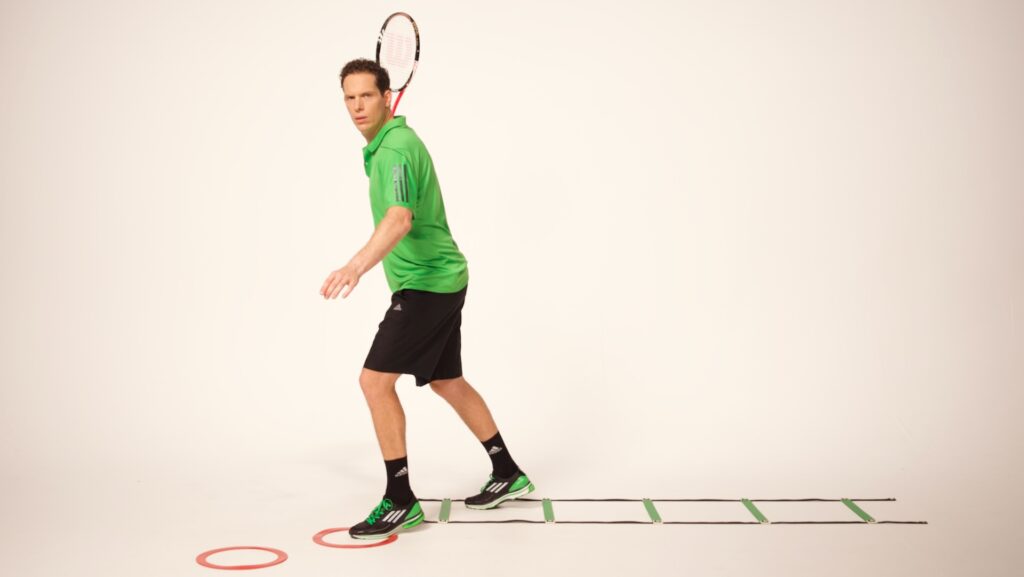
Accessories to Support Speed Ladder Drills
Although a standard agility ladder is the primary accessory, several optional tools can enhance your training experience, making it more engaging and adaptable for different needs:
- Cones: Useful for setting movement targets or creating extended patterns.
- Resistance Bands: Encourage strength development during foot-speed exercises.
- Mini-Hurdles: Ideal for adding jumping elements or vertical challenges.
- Medicine Balls: Helpful for adding upper-body engagement or reactive throwing patterns.
- Tennis Balls: Perfect for coordination and visual-tracking challenges.
- Balance Discs or Pads: Good for warm-up activation or pre-ladder stability training.
Should You Do Speed Ladder Drills Before or After Tennis Training?
In most cases, speed ladder drills are best performed before tennis training. This is because they activate the nervous system, improve reaction readiness, and prepare your muscles and joints for dynamic movement. They also enhance on-court awareness, which supports better performance during rallies, footwork sequences, or high-intensity drills.
However, speed ladder drills can also be placed after tennis training if the goal is conditioning or technique reinforcement during mild fatigue. This can build resilience and strengthen technical endurance.
How to Incorporate Speed Ladder Drills Into Your Daily Workout Routine

Speed ladder drills seamlessly integrate into many types of fitness routines. You may include 5–10 minutes of ladder work at the beginning of your workout to stimulate coordination, warm up your lower body, and prepare your nervous system for more intense activity. Alternatively, you can place a longer ladder session toward the end of your workout if you prefer conditioning-style training.
Additionally, these drills pair beautifully with circuit workouts. If you enjoy circuit-style training, consider exploring our internal guide:
Circuit Training Editorial.
Speed ladder drills also complement dynamic stretching sessions, offering a warm-up progression that moves smoothly from mobility to coordination. Explore:
Dynamic Stretching Warm-Up Exercises.
After completing your session, finish with static stretches to support recovery:
Static Stretching Exercises for Tennis Cool-Down.
How to Incorporate Speed Ladder Drills Into Tennis Training
Tennis players benefit immensely from including speed ladder drills in their practice routines. Because tennis requires sharp movement, anticipation, and efficient footwork, ladder drills help athletes refine the fundamental steps used during baseline rallies, approach shots, recovery steps, and emergency movements.
You may integrate speed ladder drills into:
- Pre-match warm-ups
- Footwork-focused training blocks
- On-court movement drills
- Off-court conditioning sessions
When paired with hitting drills, speed ladder exercises reinforce fluidity between foot placement and shot preparation. For example, combining lateral fast feet with cross-court forehand repetitions strengthens your ability to reposition quickly after hitting.
Related Videos for Footwork and Speed Development
For visual learners, it may be helpful to watch the following videos to better understand movement rhythm, foot placement, and progression: