Introduction — Lateral Lunge Warm Up For Everyone
A mindful lateral lunge warm up is a friendly, effective way to prepare the hips, glutes, and inner thighs for movement. First, this dynamic exercise increases muscle temperature and coordination; moreover, it reduces injury risk while enhancing lateral power and stability.
Therefore, whether you’re heading to the tennis court, the gym, or simply moving through your day, the lateral lunge warm up welcomes bodies of every shape and ability.
Why Use A Lateral Lunge Warm Up?
- Warms up adductors and abductors so you can move side-to-side with confidence.
- Improves flexibility and balance, which supports safe stroke production and lateral movement for tennis and court sports.
- Boosts power production by preparing muscle tissue and the nervous system.
- Inclusive and adaptable — it can be modified easily for beginners through advanced athletes.
Lateral Lunge Warm Up — Muscles Worked
When you perform a lateral lunge warm up, the primary muscles worked are:
- Hip adductors (inner thigh)
- Hip abductors (gluteus medius and minimus)
- Gluteus maximus
- Quadriceps
- Hamstrings and calves
- Core muscles (obliques and deep stabilizers)
Consequently, the lateral lunge exercise is both a hip adductor stretch and a strength-mobility movement, making it ideal for dynamic warm up for tennis and other sports.
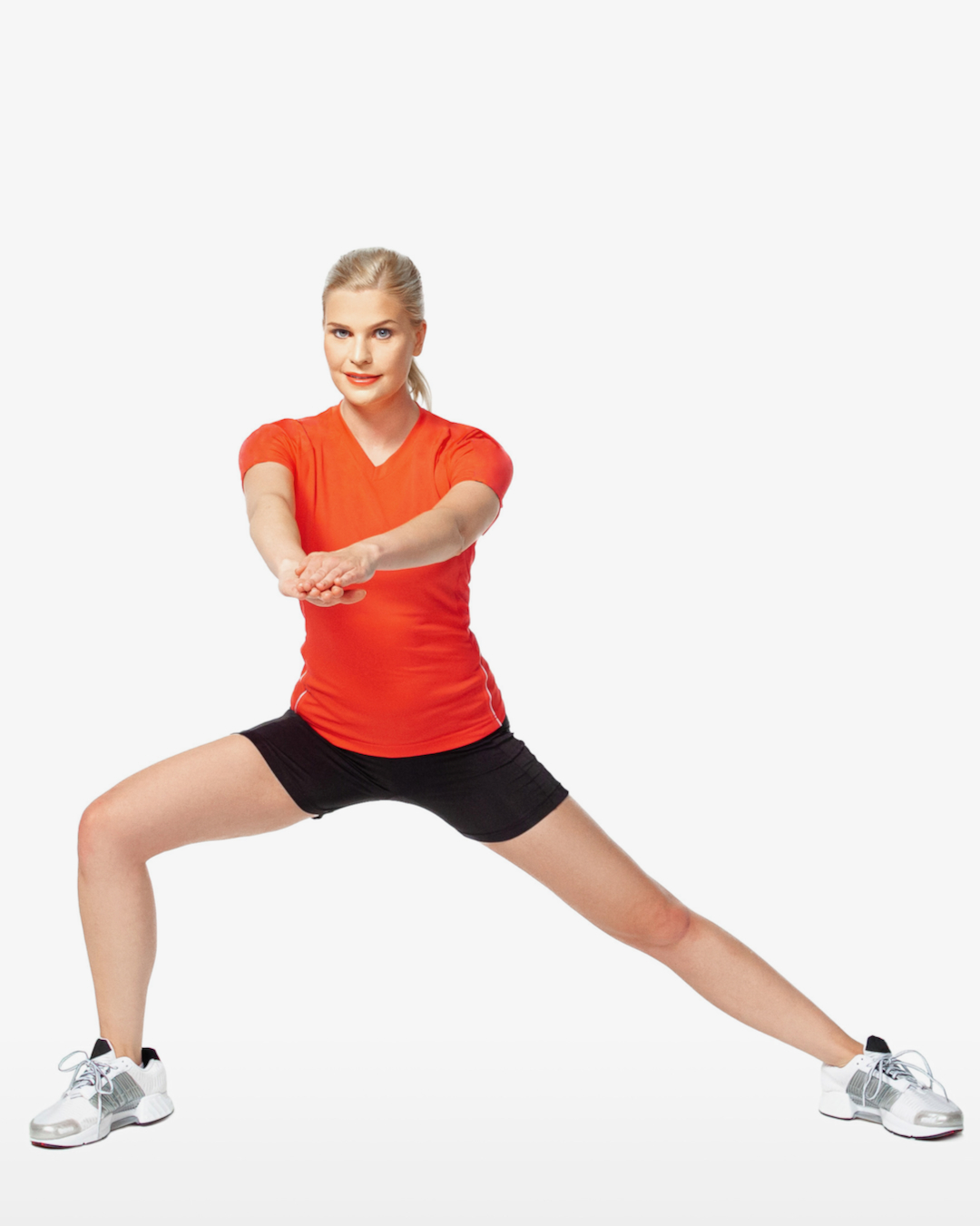
How To Do A Basic Lateral Lunge Warm Up (inclusive technique)
- Start in an athletic stance: feet shoulder-width apart, knees slightly bent, toes pointing slightly outward (about 10°–20°).
- Step sideways to the left; then gently bend the left knee until it reaches approximately 90°, while the right leg remains mostly straight. Importantly, keep the weight in your heels and make sure the left knee does not move far past the toes.
- Push off through the left foot and return to the starting stance, using controlled movement.
- Repeat to the right side. Breathe steadily and move with intention.
Variations and Accessories — What Variations Of The Lateral Lunge Exist?
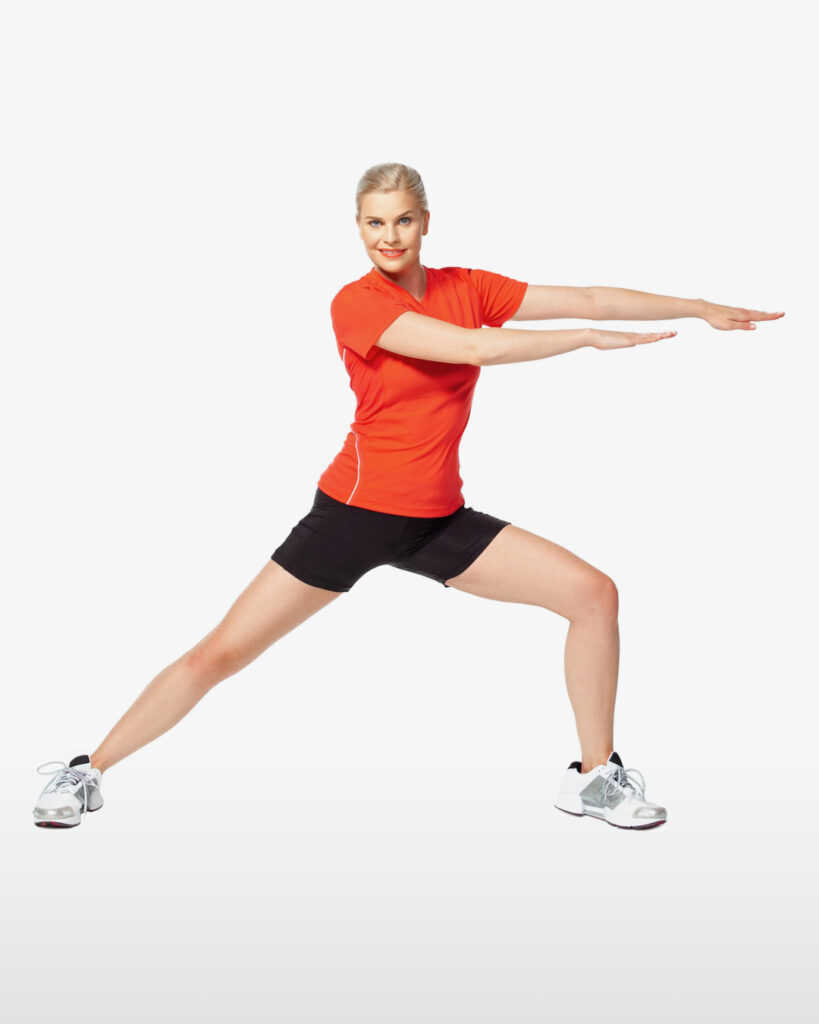
You can tailor the lateral lunge warm up to your goals. Below are simple, accessible variations and accessory-based options:
- Bodyweight side lunge (beginner)
- Alternating lateral lunge (standard)
- Cossack squat (advanced mobility)
- Reverse band lateral lunge
- Mini-banded lateral lunge
- Dumbbell or kettlebell lateral lunge
- Slider lateral lunge
- TRX or suspension-assist lateral lunge
Accessories like resistance bands, loop bands, dumbbells, kettlebells, sliders, and suspension trainers can all be thoughtfully integrated.
Progressions — Beginner To Pro For The Lateral Lunge Warm Up
Progressions help you move safely and steadily from basic mobility to sport-ready power. Below is a suggested pathway:
Beginner
- Seated or supported lateral step
- Bodyweight side lunge with limited range
- Mini-band above knees for gentle activation
Intermediate
- Alternating lateral lunges with full 90° knee flexion
- Goblet lateral lunge (light kettlebell/dumbbell)
- Band-resisted lateral lunge
- Slider lateral lunge for eccentric control
Advanced
- Loaded lateral lunges (heavier weights)
- Lateral lunge to single-leg balance
- Plyometric lateral lunge (when ready)
- Sport-specific lateral lunges with quick directional change
Programming Tips and Safety
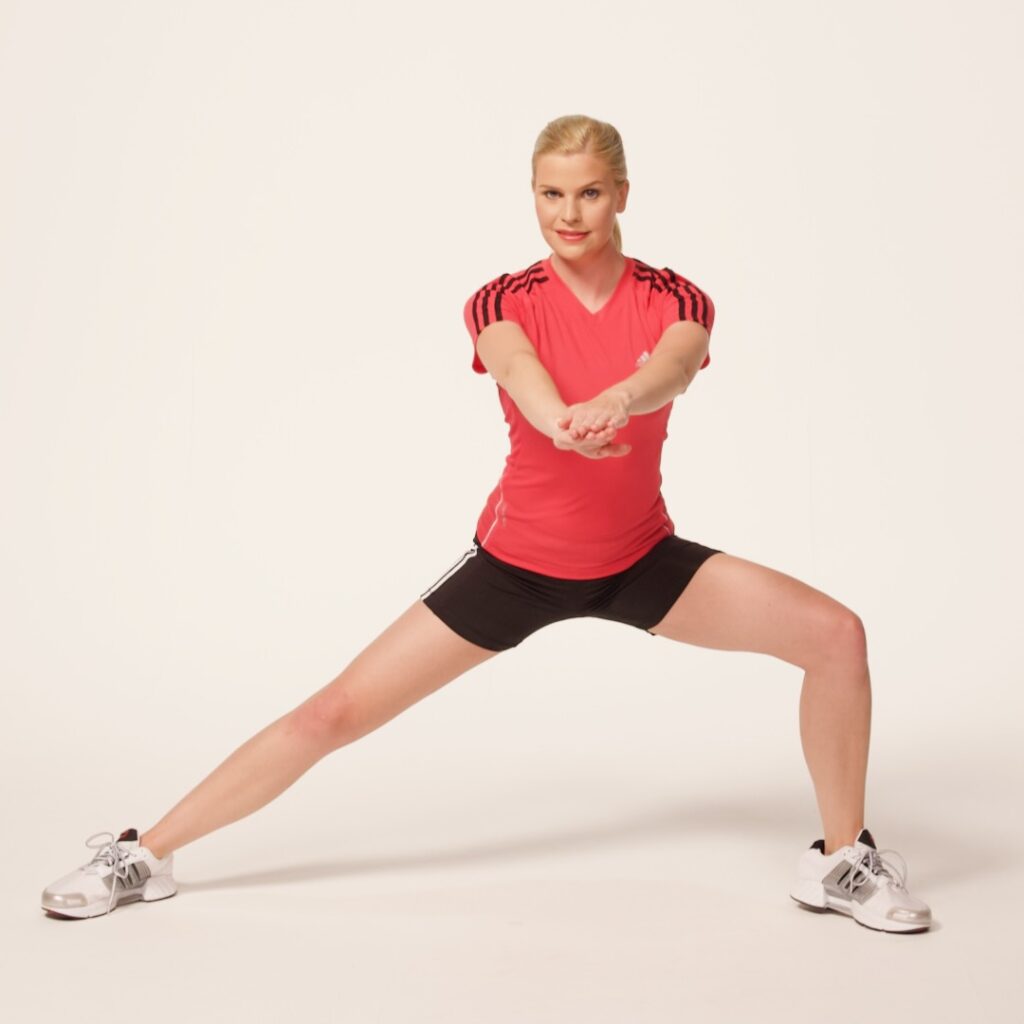
Select 6–8 dynamic movements, including the lateral lunge warm up, that warm the major muscle groups of the legs, hips, and core. Start small and increase challenge gradually.
If you have prior joint concerns, consult a movement professional. For general guidance on safe exercise practices, see this external resource: NHS — Physical activity.
Also, for more dynamic warm-up ideas visit: 21 Dynamic Stretching Warm-Up Exercises and for cool-down ideas see: 22 Static Stretching Exercises for Tennis Cool-Down.
Book Recommendation
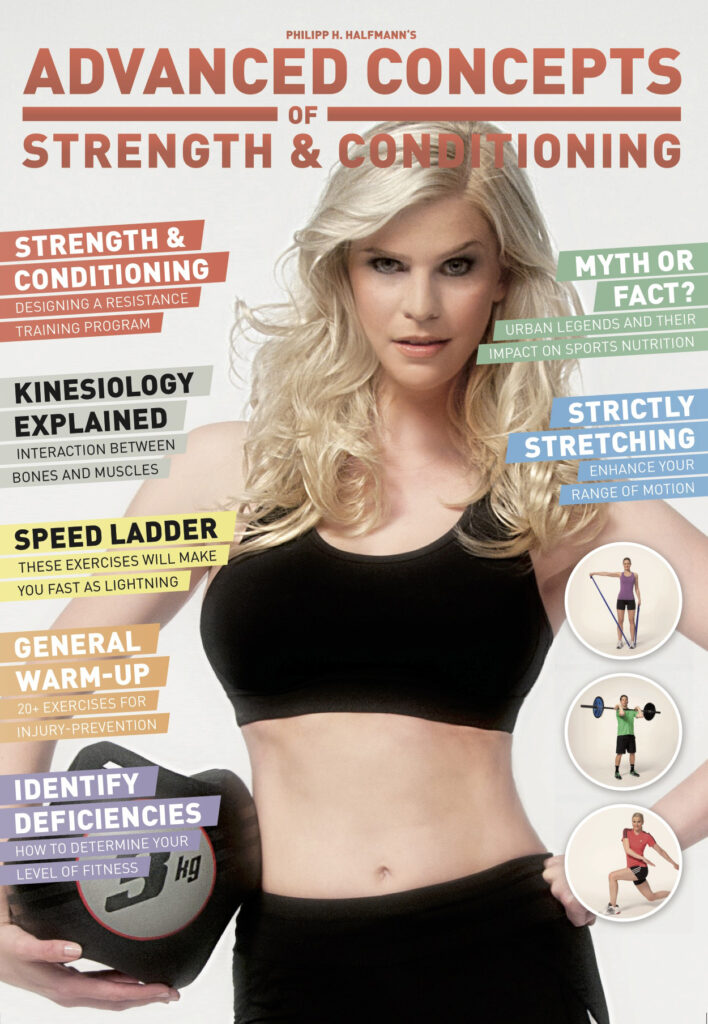
Advanced Concepts of Strength & Conditioning is a comprehensive guide for athletes and coaches to elevate performance. 👉 Get it on Amazon