The 1 Repetition Maximum (often called 1RM or one rep max) is a simple yet empowering way to understand strength, personalize training, and move with greater confidence. Rather than pushing limits aggressively, the 1 Repetition Maximum helps athletes of all backgrounds train smarter, feel stronger, and reduce injury risk. Most importantly, it meets people where they are — because every body deserves thoughtful, respectful training.
In this inclusive guide, we’ll explore what the 1 RM is, how to calculate it, why it matters for athletic performance, and how it fits naturally into tennis training and daily routines. Along the way, we’ll also discuss core training for athletes, exercise intensity, and sustainable progress — always with safety, enjoyment, and long-term health in mind.
What Is 1 Repetition Maximum?
The 1 Repetition Maximum is the greatest amount of resistance an athlete can lift one time with proper technique. In other words, it represents your personal strength ceiling for a specific movement. However, it is important to note that this value is usually predicted rather than tested directly, especially for recreational and developing athletes.
Because bodies vary from day to day, the 1 Repetition Maximum is best viewed as a helpful estimate — not a judgment of ability. Therefore, it becomes a tool for personalization, allowing workouts to adapt to each athlete’s current strength, recovery level, and goals.
Synonyms you may encounter include:
- One rep max
- Maximum strength load
- Maximal lifting capacity
Why Do 1 Repetition Maximum?
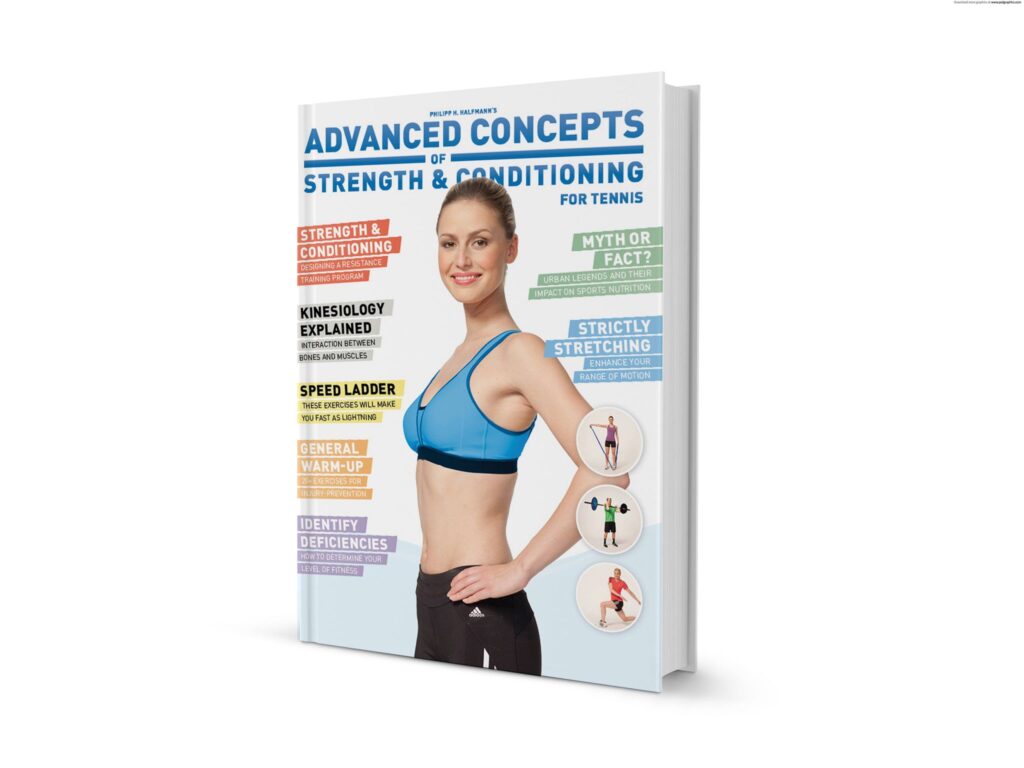
Understanding your 1 RM allows you to train with intention rather than guesswork. Instead of choosing weights based on comparison or pressure, you can select resistance that supports progress and confidence.
Additionally, one rep max training supports athletes by:
- Encouraging safe strength progression
- Reducing overtraining and burnout
- Improving movement efficiency
- Supporting athletic performance training across sports
As a result, the 1 Repetition Maximum becomes a guide — not a limit — helping athletes grow stronger without unnecessary strain.
What Is the 1 Repetition Maximum Formula?
Rather than lifting the heaviest weight possible, many coaches use a prediction formula. One widely accepted option is the 3% formula, which works well for free-weight exercises performed for up to 10 repetitions.
1 Repetition Maximum Formula
1RM = ([0.03 × number of repetitions] + 1) × weight used
This approach respects fatigue, coordination, and stabilizer involvement — which are all essential for real-world strength.
What Exercises Require the 1 Repetition Maximum?
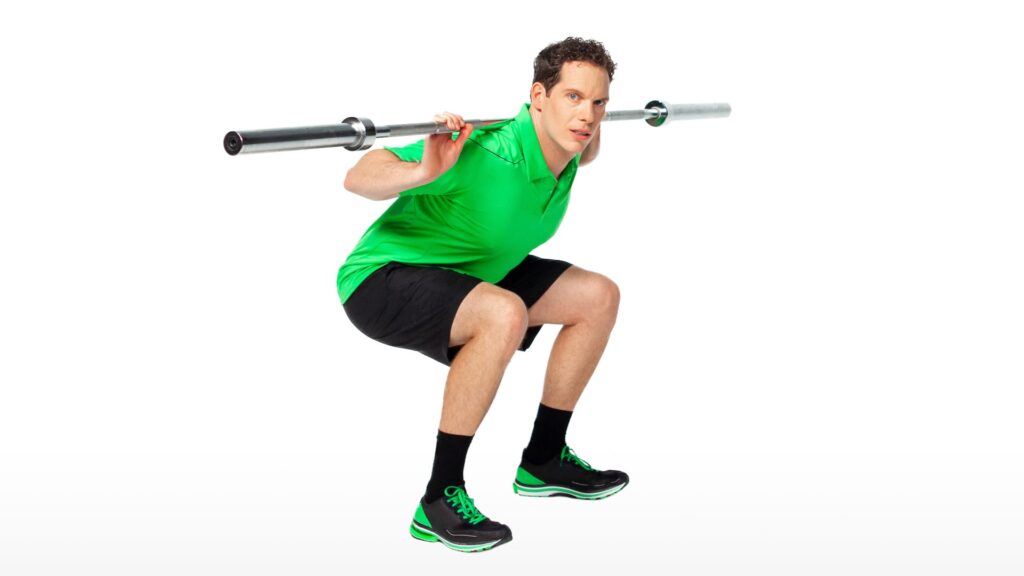
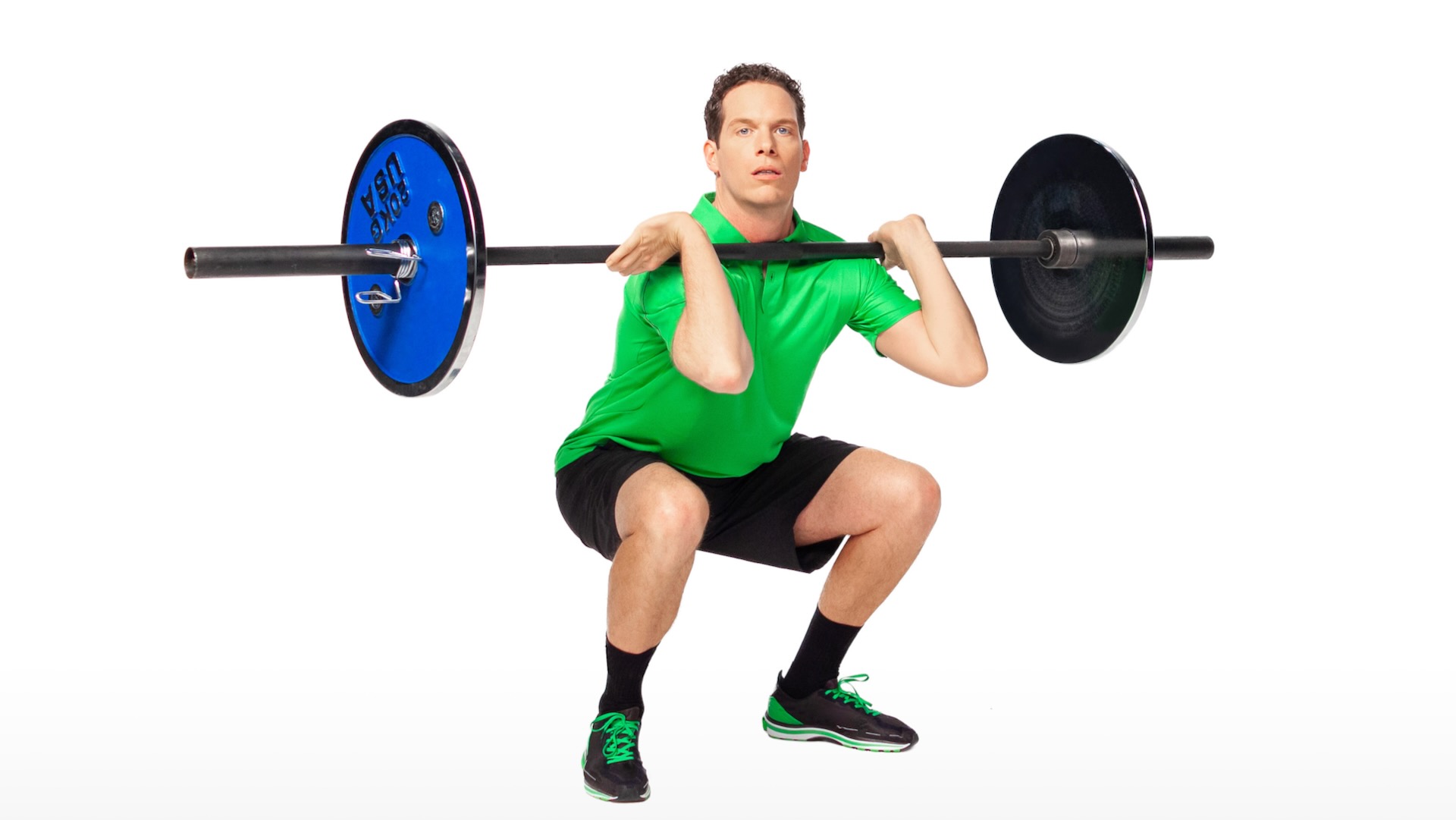
The 1 Repetition Maximum is most appropriate for free-weight compound exercises. These movements engage multiple muscle groups and reflect how the body produces force in daily life and sport.
Common examples include:
- Back squat
- Front squat
- Deadlift
- Bench press (free weight)
- Overhead press
Because free weights require stabilizers and coordination, they provide a more complete picture of strength than machines. Consequently, machine-based lifts are not recommended for 1RM prediction.
Benefits of 1 RM Training
When used thoughtfully, 1 RM training offers many benefits, especially for tennis players and multi-sport athletes.
- Personalized strength training intensity
- Improved neuromuscular coordination
- Better energy transfer through the body
- Reduced injury risk
- Greater confidence under load
Rather than focusing only on how much weight is lifted, athletes learn how to control, stabilize, and apply force — skills that directly support athletic performance training.
1 Repetition Maximum Recommendations
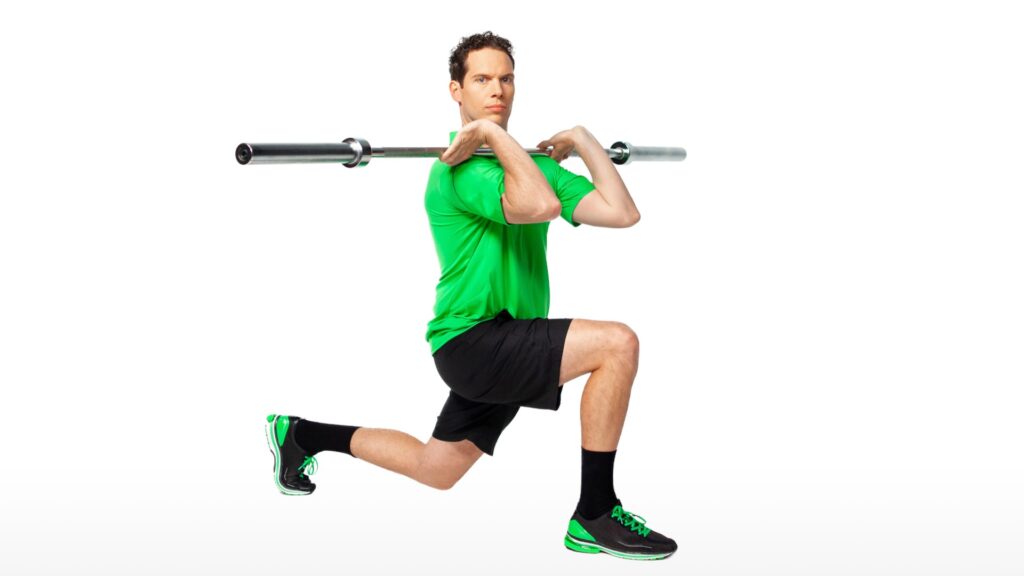
To ensure safety and inclusivity, consider these best-practice guidelines:
- Always warm up thoroughly
- Use a spotter or coach
- Stop before technique breaks down
- Rest 2–3 minutes between attempts
- Reassess every 6–8 weeks
Importantly, beginners and returning athletes do not need to chase high numbers. Progress is meaningful at every level.
1 Repetition Maximum Example Calculation
Let’s walk through a supportive example.
An athlete performs a back squat with 175 lb for 6 repetitions.
Step 1: Apply the formula
1RM = ([0.03 × 6] + 1) × 175
= (0.18 + 1) × 175
= 1.18 × 175
= 206.5 lb
Since fractional plates are not always available, the working 1 Repetition Maximum would be 205 lb.
How to Calculate Exercise Intensity Using 1 RM
Once your 1 RM is known, selecting training loads becomes simple.
For example, to train at 70% intensity:
206.5 × 0.70 = 144.55 lb
Rounded to 145 lb, this weight supports strength development while maintaining movement quality.
When Should You Do 1 Repetition Maximum?
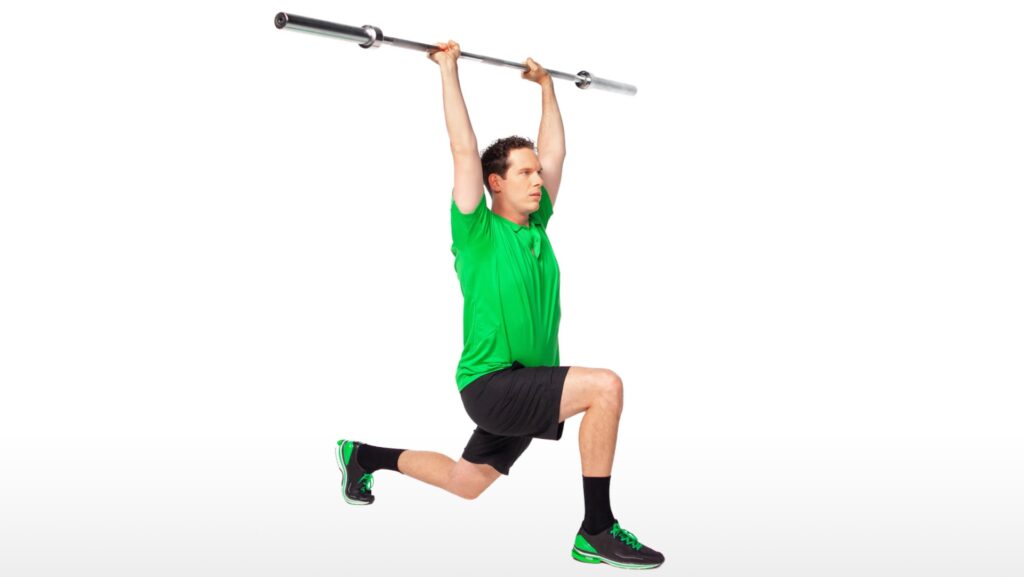
Understanding when to assess your 1 Repetition Maximum is just as important as knowing how to calculate it. Rather than viewing the 1 Repetition Maximum as something that needs to be tested often, it works best when used intentionally and in harmony with the rest of your training plan.
Most athletes benefit from estimating their 1 Repetition Maximum during periods of consistency — when strength training feels stable, recovery is adequate, and movement quality is strong. This allows the one rep max estimate to reflect true strength rather than fatigue, stress, or short-term fluctuations.
Ideal Times to Use 1 Repetition Maximum
You may consider calculating or recalculating your 1 Repetition Maximum:
- At the start of a new strength or conditioning phase
- After 6–8 weeks of consistent resistance training
- When returning to training after a break or injury
- When exercise loads no longer feel appropriately challenging
This approach ensures that strength training intensity stays aligned with your current abilities, which supports progress while reducing unnecessary strain.
How 1 Repetition Maximum Fits Into a Weekly Training Plan
The 1 Repetition Maximum works best when it complements other training methods rather than replacing them. For example, many athletes pair 1RM-based strength work with circuit training to build muscular endurance and movement efficiency.
Similarly, tennis players often balance strength development with speed and conditioning sessions such as interval training for tennis, ensuring that strength supports on-court performance rather than competing with it.
When You May Want to Avoid 1 RM Testing
Just as importantly, there are times when estimating a 1 RM may not be helpful or necessary. It is often best to postpone 1RM assessments:
- During high-volume competition or match-heavy weeks
- When travel, stress, or recovery demands are elevated
- During injury rehabilitation or return-to-play phases
- When training already includes heavy technical or tactical loads
During these periods, focusing on movement quality, recovery, and confidence often provides greater benefits for long-term athletic performance training.
1 Repetition Maximum and Tennis Training Cycles
For tennis athletes, the 1 RM fits most naturally during the off-season or early preparation phases. At this stage, strength can be developed safely and progressively alongside foundational programs such as weight training for tennis.
As the competitive season approaches, athletes typically rely on previously established 1RM values to guide lighter, faster, and more power-focused sessions. This ensures that strength enhances movement, speed, and resilience on court.
A Supportive Perspective on Timing
Ultimately, the best time to assess your 1 Repetition Maximum is when it feels supportive — not stressful. The purpose is not to chase numbers, but to create clarity, confidence, and structure within your training routine.
When used thoughtfully, the 1 Repetition Maximum becomes a flexible reference point that evolves with you, honoring both progress and rest as essential parts of sustainable athletic development.
Final Thoughts
The 1 RM is not about comparison or pressure. Instead, it is a supportive framework for understanding your body, respecting your limits, and celebrating progress. When paired with thoughtful core training and sport-specific movement, it becomes a powerful tool for sustainable athletic development.
Strength is personal — and every athlete’s journey deserves patience, care, and encouragement.